- 27 August, 2026

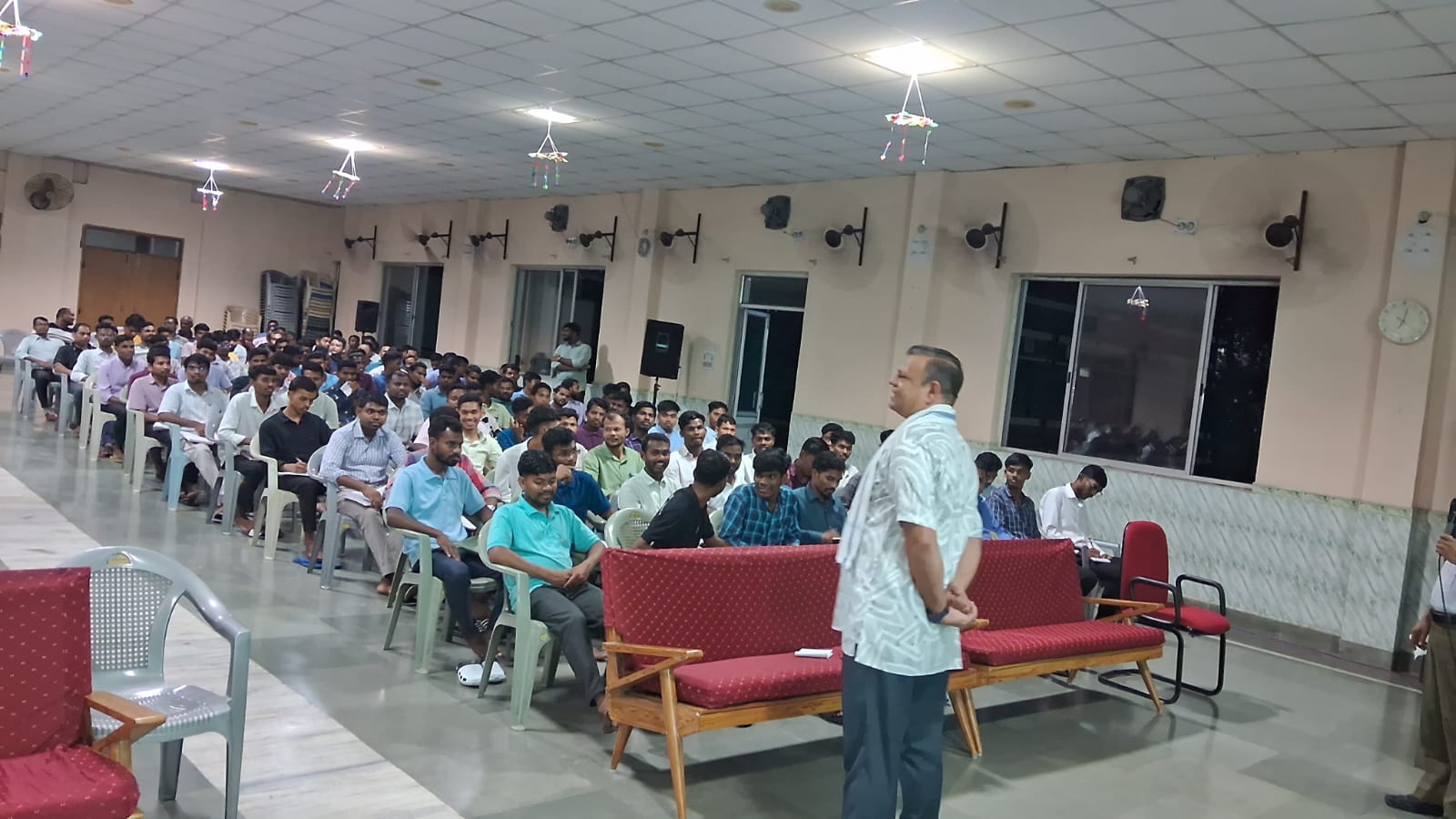
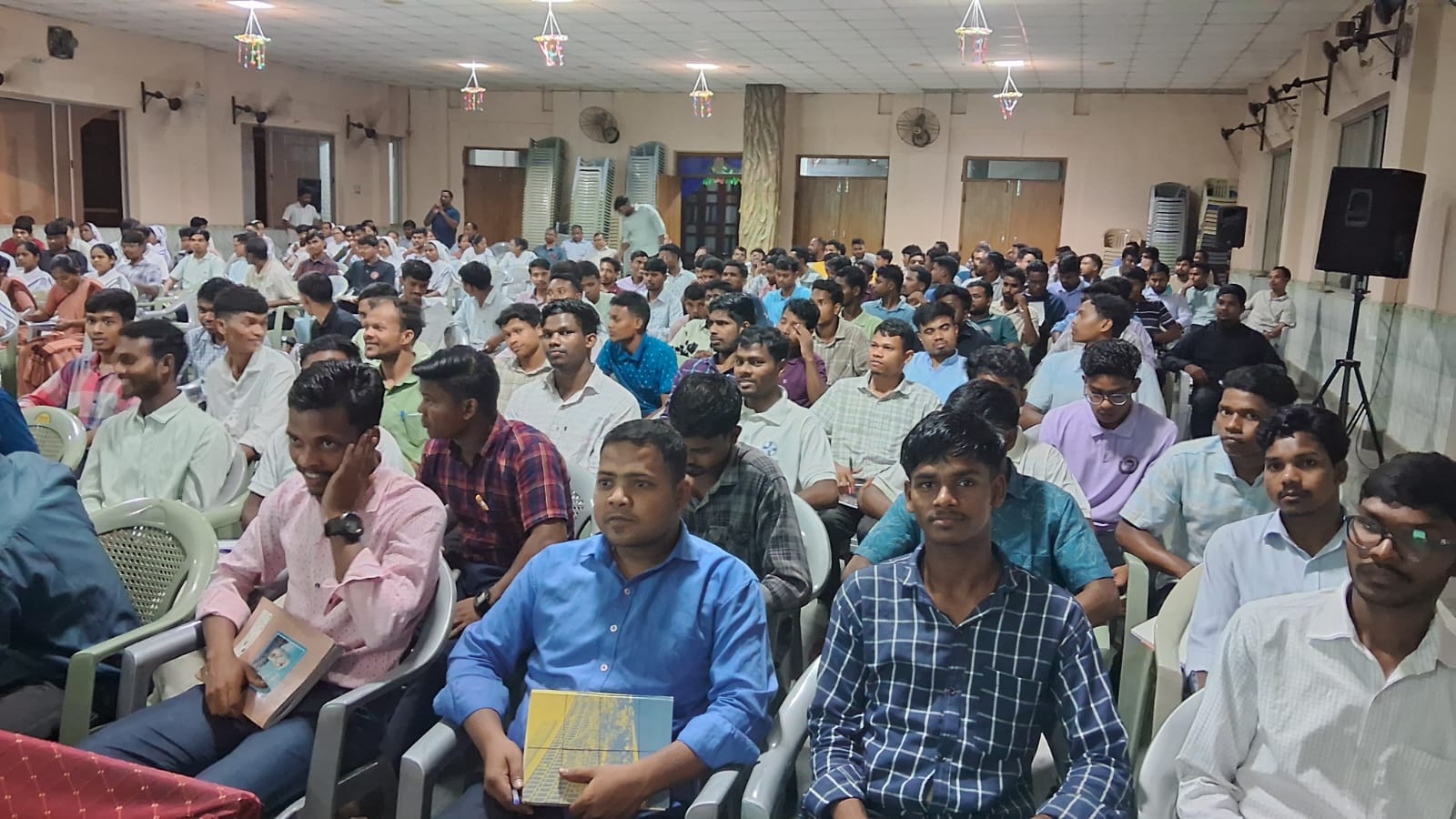
Ranchi, August 27, 2026: Dialogue is an essential dimension of Christian mission and can help societies move from suspicion to trust and from conflict to peace, said Fr. Stephen Anton Lopes, IMS, during an extension programme at St. Albert’s College, Ranchi, on August 26.


The programme, titled “Dialogue as Mission: The Christian Vocation to Build Communities of Peace,” was held at the college auditorium, with Fr. Lopes, director of Maitri-Dhara, Vaishali, Bihar, serving as the resource person.
Introducing the programme, Fr. Raju Felix Crasta, director of St. Albert’s Institute of Philosophy, highlighted the growing importance of dialogue for seminarians, Religious and future pastoral leaders working in an increasingly pluralistic and rapidly changing society.


Speaking on Christian mission, Fr. Lopes stressed that mission is not simply an activity but a way of life. “My mission is my life,” he said, while pointing to jealousy, hatred, prejudice, misunderstanding, division and violence as growing challenges that make dialogue increasingly necessary.
On interreligious dialogue, he said religious plurality is an integral reality of contemporary society. Dialogue, he explained, does not demand a compromise of one's faith, but requires people to remain rooted in their convictions while respecting and appreciating the faith, culture and spiritual experiences of others.
Referring to the Second Vatican Council's declaration Nostra Aetate, Fr. Lopes recalled the Church's call for mutual understanding, respect and cooperation among followers of different religions. He said interreligious dialogue can contribute to overcoming prejudice, hatred and conflict while strengthening the pursuit of peace and justice.
He identified listening, sharing, understanding and mutual respect as essential elements of genuine dialogue and outlined four forms of dialogue: intellectual exchange, spiritual experience, action and life.
Particular emphasis was placed on dialogue of action, through which people from different religious and social backgrounds can work together for humanity, justice, peace and the protection of creation.
Reflecting on personal encounters and proximity, Fr. Lopes urged participants to recognise common values across religious traditions and create opportunities for greater understanding. Referring to the Indian ideal of Vasudhaiva Kutumbakam, meaning “the world is one family,” he called for fraternity and unity amid diversity.
The session also examined the meaning and roots of violence. Fr. Lopes said peace should not be understood merely as the absence of war, but as the presence of justice, dignity, compassion and harmonious relationships. He identified mental, verbal and physical violence, as well as structural and social violence, and linked them to uncontrolled desires, competition, jealousy, fear, struggles for power and intolerance.
He presented three interconnected dimensions of authentic peace: peace within oneself, peace with others and peace with nature. Drawing inspiration from St. Francis of Assisi, he stressed the need to respect creation and embrace ecological responsibility.
Fr. Lopes also encouraged participants to develop leadership qualities that contribute to peace, including positive thinking, active listening, compassion, forgiveness, respect for others, appreciation of differences, cooperation, inner peace and responsible communication.
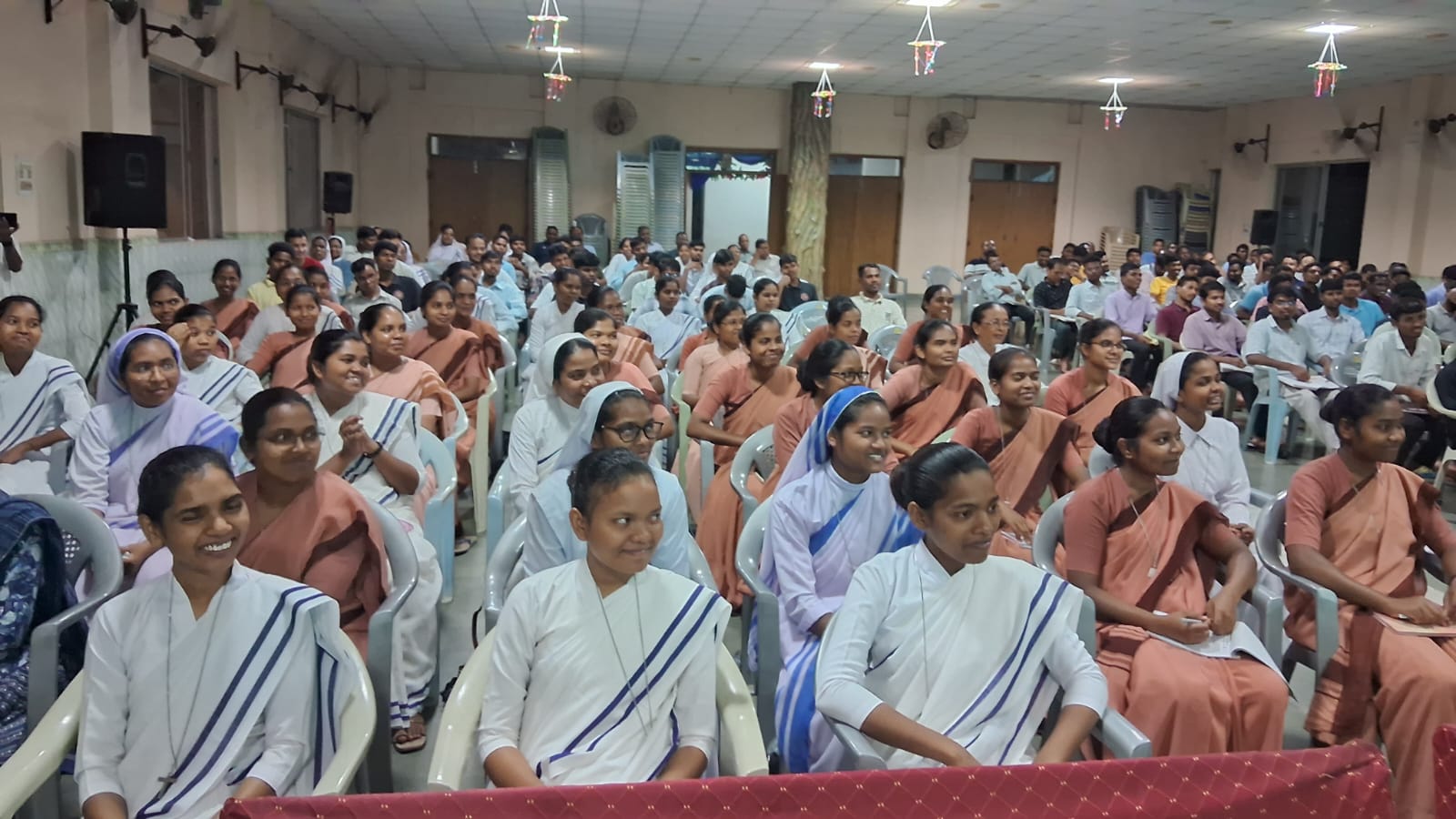
Faculty, staff and students of St. Albert’s College participated in the programme, along with priests and women Religious from various local communities.
The programme concluded with a renewed emphasis on dialogue as a practical expression of Christian mission, calling participants to become bridge-builders, witnesses of peace and agents of reconciliation in India's religiously, culturally and socially diverse society.
By Fr. Praful Bara
© 2026 CATHOLIC CONNECT POWERED BY ATCONLINE LLP