- 27 April, 2026
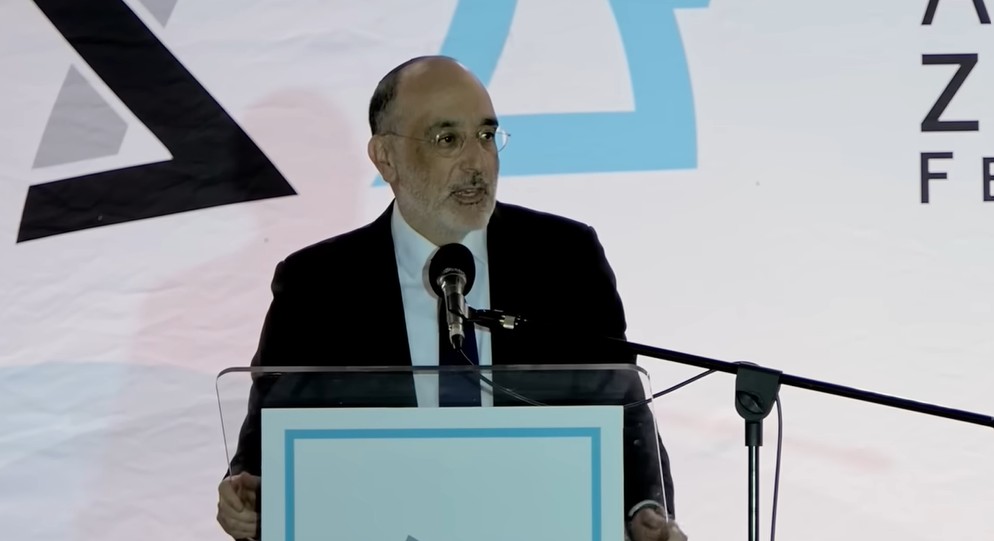
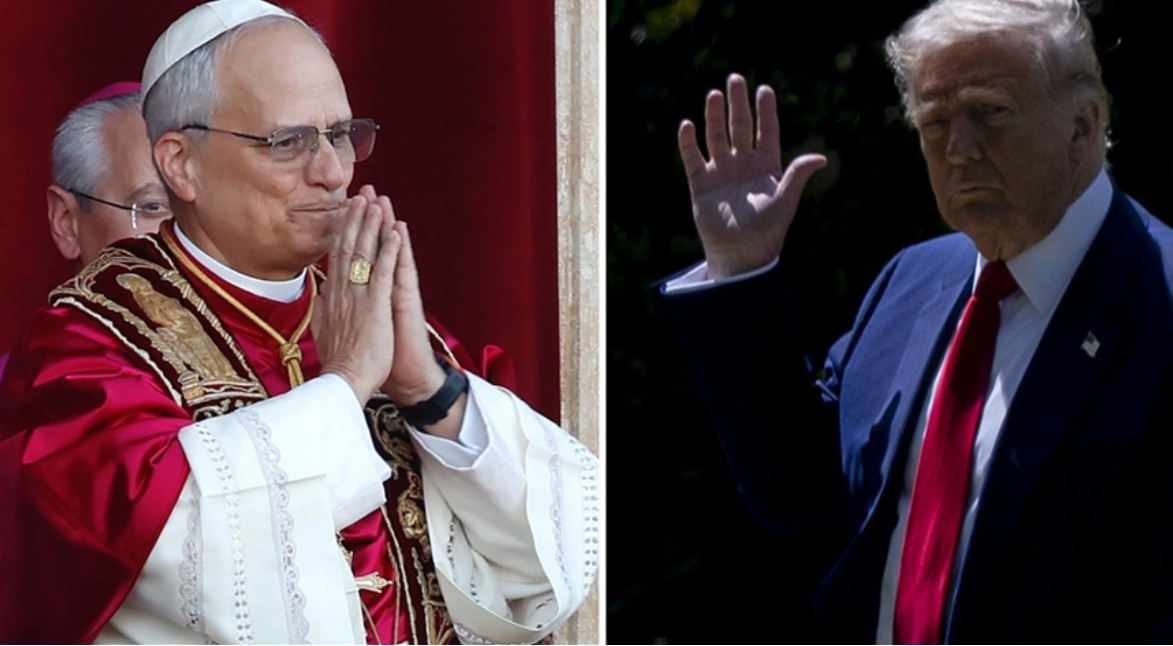
Vatican City / Johannesburg, April 26, 2026: A sharp exchange of views between religious leaders has drawn international attention after Warren Goldstein publicly criticized Pope Leo XIV for his strong stance against war. The remarks, delivered in the context of a remembrance address, have sparked debate on moral theology, just war, and the role of religious leadership in times of global conflict.

Speaking during a Yom HaZikaron (Day of Remembrance) address, Rabbi Goldstein defended Israeli military actions and described soldiers of the Israel Defense Forces as “noble and brave,” asserting that they are engaged in a just struggle to defend civilization. He sharply criticized the Pope’s recent homily, in which Pope Leo XIV condemned war and what he described as the “audacity and cruelty” behind it.
Goldstein accused the Pope of failing to distinguish between good and evil, arguing that conflicts involving groups such as Hamas and geopolitical tensions with Iran represent a clear moral divide. In strong language, he claimed that equating all sides in war overlooks the reality faced by those defending their people. His remarks included personal criticism of the Pope, which some observers and Catholic commentators have described as excessive and offensive.


The controversy stems from a pre-Easter sermon delivered by Pope Leo XIV, where he issued a sweeping appeal for peace and an end to violence. The Pope’s message emphasized the human cost of war and called on world leaders to reject what he termed the “illusion of power” sustained through conflict. His broader teaching has consistently urged dialogue, reconciliation, and the protection of innocent lives, regardless of political alignments.
The Pope’s position reflects a long-standing Catholic emphasis on peace, though it also engages with the Church’s nuanced teaching on just war—a doctrine that allows for military action under strict moral conditions. Critics like Rabbi Goldstein, however, argue that such perspectives risk moral ambiguity when confronting groups or regimes they view as fundamentally destructive.
The exchange highlights deeper theological and ethical differences. While Catholic teaching prioritizes the sanctity of all human life and calls for restraint even in conflict, Jewish perspectives on self-defense, particularly in the context of Israel, often emphasize the duty to protect one’s people against existential threats. These differing frameworks can lead to contrasting interpretations of the same geopolitical realities.
Reactions to Goldstein’s remarks have been mixed. Some supporters have praised his clarity in defending Israel and articulating a firm moral stance. Others, including several Catholic voices, have expressed concern over the tone of his criticism, suggesting that it undermines respectful interreligious dialogue. They argue that disagreements between faith leaders, while natural, should be expressed with mutual respect and recognition of shared spiritual values.
This episode comes at a time of heightened global tensions, where conflicts in the Middle East and beyond continue to provoke strong responses from political and religious leaders alike. The Vatican, through Pope Leo XIV, has positioned itself as a consistent advocate for peace, often speaking against war regardless of the actors involved. This universal approach, however, can sometimes be perceived as insufficiently attentive to the complexities of specific conflicts.
Rabbi Goldstein’s remarks also underscore the emotional weight carried by national remembrance events such as Yom HaZikaron, where the memory of fallen soldiers shapes public discourse. In such contexts, expressions of moral clarity and defense of national sacrifice often take on heightened urgency.
Despite the sharp rhetoric, the broader challenge remains one of dialogue. Religious leaders wield significant moral influence, and their words can either deepen divisions or foster understanding. As global conflicts persist, the need for careful, compassionate, and principled engagement becomes ever more critical.
The incident serves as a reminder that while faith traditions may differ in their approaches to war and peace, they share a common responsibility: to uphold human dignity and guide their followers toward justice, truth, and ultimately, peace.
Courtesy Chief Rabbi Goldstein



© 2026 CATHOLIC CONNECT POWERED BY ATCONLINE LLP