- 30 May, 2026

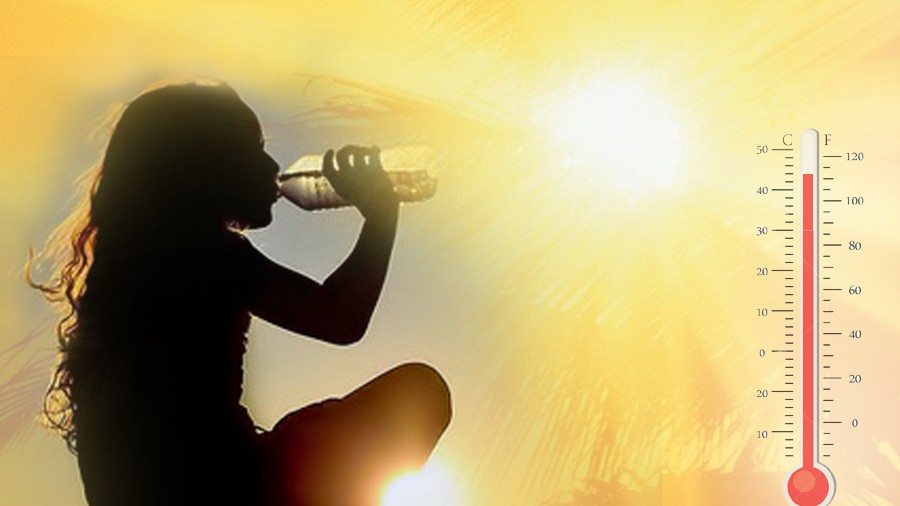
India, May 9, 2026: Climate change has been repeatedly described as one of the greatest threats facing humanity today. The United Nations Secretary-General, António Guterres has called it a “code red for humanity.” Pope Francis has likewise warned that climate change is one of the principal challenges facing the global community.


Environmental destruction was once viewed as a problem for the future, something humanity would face decades later. But the extreme heat, heavy rains, floods, and climate disasters experienced today show that climate change is no longer a future crisis — it is a crisis of the present.
Similar patterns of rising temperatures, heatwaves, water shortages, and unpredictable weather are increasingly being experienced across India, making climate change a concern that affects the entire nation. Tamil Nadu, for instance, is witnessing unprecedented heat, reflecting a wider environmental crisis that scientists describe as one of the hottest periods humanity has ever recorded. Though climate change has become a global concern, the failure to control it reveals that it is not only an environmental issue but also a social and political one. Those who suffer the most are often the poor, daily wage workers, farmers, fishermen, migrants, and the homeless.


The Cost of Rising Heat
Extreme heat affects people far beyond physical discomfort. Workers who spend long hours outdoors face serious health risks and loss of income as working hours become shorter. Heat that continues through the night also contributes to stress, insomnia, learning difficulties among children, and tension within families.
Unfortunately, heat-related deaths are often ignored or explained away casually. When workers collapse in high temperatures, reasons such as dehydration, lack of rest, or existing health conditions are commonly given, while the larger climate crisis remains unnoticed. This indifference makes extreme heat even more dangerous.
There are also limitations in the way heat is measured. Weather reports usually focus on thermometer readings, but the heat people actually experience depends on humidity, wind, geography, and living conditions. For example, 35°C in a humid coastal city like Chennai can feel far more intense than the same temperature in a drier city like Madurai. In some cases, the experienced heat may feel closer to 45°C, creating serious risks to health and life. Even small increases in experienced heat can lead to dehydration, kidney failure, and death.
Rethinking Parish Life and Community Care
The climate crisis also challenges the way parishes organise activities. Lenten pilgrimages, outdoor Stations of the Cross, Bible camps, and parish feasts often take place during the hottest months of the year, causing severe discomfort to the elderly, children, and the sick.
As temperatures continue to rise, parishes may need to reconsider the timing of summer activities. Where rescheduling is not possible, shaded rest areas, drinking water, buttermilk stalls, and emergency medical support should become essential. Parish communities should also promote health awareness and climate preparedness.
Christian concern must extend beyond church events to the wider community. Farmers, fishermen, construction workers, street vendors, and homeless people facing extreme weather conditions also deserve care and support.
Caring for Creation and Looking Ahead
Climate change is closely connected to the exploitation of natural resources, pollution, and growing waste. Reducing unnecessary electricity and water usage, avoiding plastic during parish feasts, and protecting local water bodies are important steps toward environmental responsibility.
Yet awareness and small environmental actions alone are not enough. In Laudato Si’, Laudato Si' Pope Francis reminds the world that development focused only on profit cannot be sustainable. Climate change is not merely an environmental problem but also a reflection of deeper social, economic, and political systems that place profit above people and nature.
Those most affected by environmental degradation are often ordinary people with the least power to influence policies. This is why climate change cannot be addressed only through temporary relief measures or symbolic campaigns. Responsible leadership, public awareness, and collective action are equally necessary.
As communities that uphold justice and human dignity, churches and citizens alike have a responsibility to speak about the political and social realities connected to climate change. Protecting creation also means protecting vulnerable communities whose lives and livelihoods are increasingly threatened by rising heat and environmental destruction.
The scorching heat we experience today should not only alarm us — it should move us toward greater responsibility, justice, and care for creation.
By Geo Domin
(Poovulagin Nanbargal)
Download Catholic Connect App for Daily News Updates:
Android: Click here to download
Continue Reading on Catholic Connect App
Get access to exclusive news articles & more.




© 2026 CATHOLIC CONNECT POWERED BY ATCONLINE LLP