- 16 October, 2026

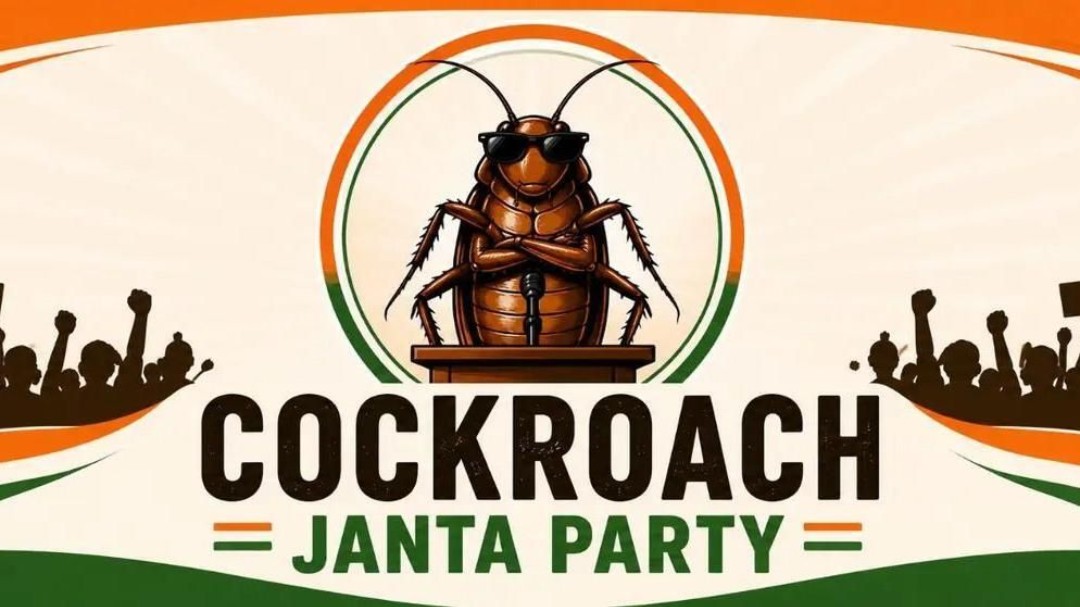
May 30, 2026: In the hallowed halls of the Supreme Court of India, where the Constitution's promise of dignity and justice is meant to echo loudest, the Chief Justice of India delivered words that have scarred an entire generation. On May 15, 2026, CJI Surya Kant, while hearing a routine matter on senior advocate designations, likened certain unemployed youngsters to “cockroaches.” These youth, he suggested, unable to secure employment or a place in the profession, turn to social media, journalism, and RTI activism to “attack the system” and become “parasites of society.”



The backlash was instantaneous and visceral. Youth across India didn’t stay silent. They struck back with savage wit. Within days, the Cockroach Janta Party exploded online. Abhijeet Dipke lit the spark. Memes flooded timelines. Satirical anthems echoed. Millions followed. This wasn’t just humour. It was raw pain turned into protest. The cockroach became a badge of honour for a generation denied its future. It became the voice of frustrated Gen Z and millennials—unemployed, overworked in precarious gigs, and betrayed by broken systems. Far from a joke, it is a mirror held up to power, reflecting the deep rot in governance, education, and institutional empathy.
Unemployment stalks India like a shadow. They drive cabs at night. Deliver food under scorching sun. Scroll endlessly, turning frustration into posts. The demographic dividend everyone praised now feels like a curse. Millions graduate every year. A few thousand decent jobs appear. The rest compete in a brutal arena where connections matter more than merit.
Then came NEET. The 2026 medical entrance exam promised hope to lakhs from ordinary homes. They studied through nights. Sacrificed sleep, family time, everything. Leaks shattered it all. Papers allegedly sold in coaching hubs of Rajasthan. Guess papers circulated hours before. The National Testing Agency first denied, then delayed, then cancelled. Arrests followed, but trust had already burned. For aspirants from small towns, this was the final betrayal. Merit died in broad daylight.
The “cockroach” label is not just insensitive; it is dehumanizing, elitist, and symptomatic of a broader institutional arrogance that dismisses legitimate grievances as nuisance rather than addressing root causes.
Judges are expected to uphold decorum and constitutional values. Comparing citizens—especially young ones grappling with structural unemployment—to vermin crosses a line. Even the subsequent clarification that the remarks targeted fake-degree holders rang hollow; the damage was done. The original words, delivered from the apex court, framed questioning youth as pests infesting the body politic.
This rhetoric echoes historical dehumanization tactics used to justify exclusion. Cockroaches are resilient survivors, often thriving where systems fail—exactly the metaphor India’s youth might ironically embrace. But coming from the CJI, it signals contempt rather than concern. At a time when millions of graduates compete for a handful of government jobs, when private sector hiring remains sluggish despite “reform” rhetoric, such language pours salt on open wounds.
The Cockroach Janta Party is more than memes and anthems. With tens of millions of followers, it channels Gen Z’s dark humour, AI-generated visuals, and unfiltered rage into a cultural phenomenon. Eligibility: unemployed, lazy by elite standards, professionally ranting online. Its rapid growth signals not foreign conspiracy—as some voices claimed—but organic domestic discontent. Analytics reportedly show overwhelming Indian engagement.
This is democracy’s immune response. When traditional parties fail to address core issues, youth invent new languages of protest. The CJP mocks the establishment’s obsession with religion and polarization while ignoring jobs, education integrity, and economic justice. It highlights how “development” narratives crumble under the weight of ground realities: inflation, stagnant wages, and institutional decay.
The disappointment runs deeper. Youth expected post-pandemic recovery to deliver opportunities. Instead, they face credential inflation, AI-disrupted job markets, and governance that prioritizes optics over outcomes. Systems meant to uplift—education, skilling, employment—have failed spectacularly. The judiciary, meant to be a neutral arbiter, adding insult compounds the alienation.
The “attack on the system” the CJI decried is often citizens exercising constitutional rights—free speech, information access, peaceful protest. Dismissing them as parasites inverts reality. The true threat to the system is its refusal to reform, adapt, and deliver.
India cannot afford to alienate its youth. This generation is educated, connected, and aspirational. Their “cockroach” resilience—surviving despite odds—should be celebrated, not scorned. Satirical parties like CJP are warning signs, not enemies. Suppressing them through blocks or smears will only radicalize further.
The government must transcend the politics of religion and division. Temple inaugurations and identity mobilizations have their place, but they cannot substitute for jobs, transparent exams, and responsive governance. Real issues—unemployment, education integrity, healthcare access, skill mismatch—demand urgent, data-driven action.
Judiciary too must introspect. Oral remarks shape national discourse; restraint and empathy are not weaknesses but strengths of constitutional offices.
The youth of India are not cockroaches. They are the engines of tomorrow—dreamers denied dreams, workers denied work, citizens demanding better. Their emergence as “Cockroach Janta” is a clarion call. Ignore it at peril. The path forward lies in empathetic leadership that confronts failures head-on, rebuilds trust, and channels youthful energy into nation-building rather than protest.
Only then can India truly claim its demographic destiny. The alternative is a swarm of disillusioned citizens whose sting will reshape politics in ways the elite cannot yet fathom. The choice is clear: bridge the chasm or watch it widen into an abyss.
By Fr. Suresh Mathew Pallivathukal
© 2026 CATHOLIC CONNECT POWERED BY ATCONLINE LLP