- 02 November, 2026
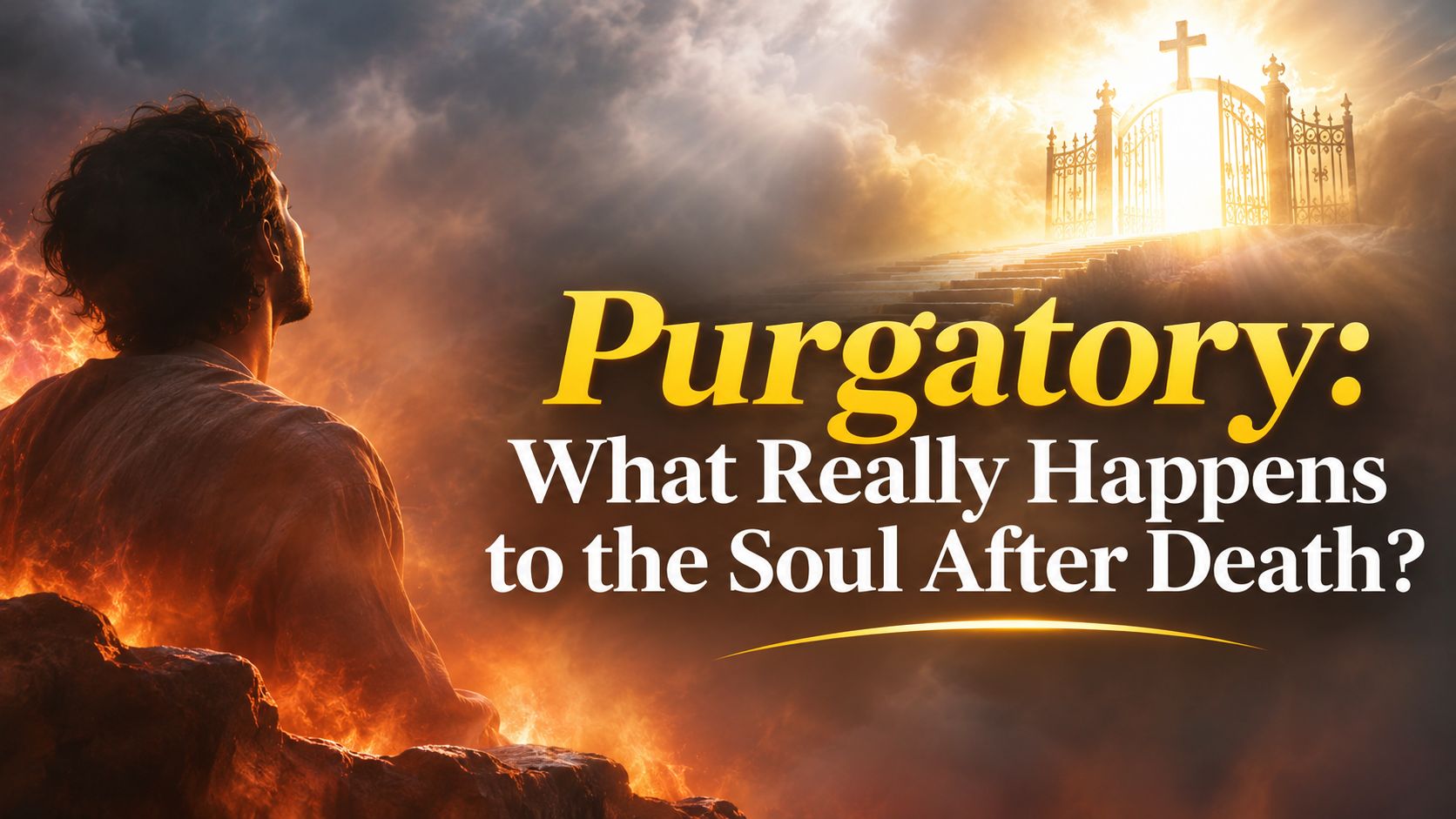
Nov 2, 2026: Is Purgatory really in the Bible? If Jesus has already died for our sins, why would we need further purification before entering heaven? And what happens to the soul after death? The Catholic teaching on Purgatory raises questions that are relevant not only to Catholics but to Christians everywhere.



Death leaves us with questions that are not always easy to answer. When a loved one dies, we wonder where they are, whether they are at peace and what happens to the soul after its final moments on earth.
For Christians, the promise of heaven is central to their faith. But there is another question worth considering: What happens if someone dies believing in God and trusting in Christ, yet is still imperfect, carrying attachments to sin and struggling with weaknesses?
This is where the Catholic understanding of Purgatory comes in.
Often misunderstood as a second chance at salvation or a temporary hell, Purgatory has a very different meaning in Catholic theology. It is about God's mercy, holiness and the final purification of those who die in his grace.
What exactly is Purgatory?
The Catechism of the Catholic Church (1030) teaches that those who die in God's grace and friendship, but are not yet perfectly purified, undergo purification before entering heaven.
In simple terms, Purgatory is the final purification of souls who are already destined for heaven.
It is not another opportunity to repent, nor is it a place where people must earn their salvation. Their eternal salvation is assured.
Think of someone who has been forgiven for a wrongdoing but still needs to overcome the habits, selfishness and attachments that led to it. Forgiveness is real, but complete transformation may still be needed.
Catholic theology understands Purgatory in a similar way: God's final work of purification in a soul that belongs to him.
If Jesus died for our sins, why do we need Purgatory?
This is perhaps the biggest question, especially for Christians who believe that Christ's sacrifice is sufficient for salvation.
The Catholic Church fully agrees that Jesus' sacrifice on the Cross is complete and sufficient. Purgatory does not add anything to Christ's sacrifice or suggest that we can earn our way into heaven.
The distinction is between forgiveness and purification.
For example, someone who has spent years holding on to anger may sincerely repent and receive God's forgiveness. Yet the struggle to become completely free of resentment may remain.
Forgiveness removes the guilt of sin, but the effects and attachments associated with sin may still need healing.
Catholic theology teaches that nothing impure can enter the fullness of God's presence. Revelation 21:27 says that nothing unclean will enter the heavenly Jerusalem.
Purgatory is understood as the final purification that prepares the soul for this perfect communion with God.
Is Purgatory actually mentioned in the Bible?
The word Purgatory does not appear in the Bible. Nor does Scripture contain a single passage that explains the doctrine in precisely the way the Catholic Church teaches it today. However, Catholics believe that the doctrine is rooted in Scripture, particularly in passages concerning prayer for the dead, judgment, purification and the holiness required to enter God's presence.
Three passages are particularly relevant:
1. 2 Maccabees 12:38–46: Praying for the dead
This is one of the clearest biblical passages supporting the Catholic practice of praying for the departed.
After some Jewish soldiers die in battle, Judas Maccabeus discovers that they had committed a sin by carrying objects associated with idolatry. He arranges for a sacrifice to be offered on their behalf, expressing belief in the resurrection and the possibility of prayer benefiting the dead.
The passage concludes:
"It is therefore a holy and wholesome thought to pray for the dead, that they may be loosed from sins." (2 Maccabees 12:46, Douay-Rheims)
Catholics see this as an important biblical foundation for praying for departed souls. Most Protestant traditions, however, do not include 2 Maccabees in their biblical canon.
2. Hebrews 9:27 and Luke 12:59: Judgment and purification after death
Hebrews 9:27 says that "it is appointed for men to die once, and after that comes judgment."
Catholic teaching distinguishes between the particular judgment, which takes place after death, and the final judgment at Christ's return. The particular judgment determines a person's eternal destiny.
Luke 12:59, where Jesus speaks of not being released until the last penny is paid, has also been interpreted by some Catholic theologians in connection with the temporal consequences of sin and purification.
Neither passage explicitly describes Purgatory. However, Catholics consider them alongside other biblical teachings when explaining the possibility of purification ater death.
3. Revelation 21:27: Nothing impure enters heave
The Book of Revelation offers another important theological consideration. Describing the heavenly Jerusalem, it says:
"Nothing impure will ever enter it." (Revelation 21:27)
The passage emphasises the perfect holiness of God's presence. Catholics connect this teaching to Purgatory because they believe that those entering heaven must be completely purified.
While the verse does not explicitly describe Purgatory or explain how this purification takes place, it supports the theological reasoning behind the doctrine.
Taken together, these passages help explain why Catholics believe in Purgatory. The doctrine is not based on one isolated Bible verse but on the Church's understanding of Scripture and Sacred Tradition, developed and clarified over centuries of Christian teaching.
Has Anyone Ever Seen Purgatory?
Throughout Catholic history, several saints have described mystical experiences or visions that they understood as glimpses of Purgatory. Their writings offer interesting insights into how they understood the purification of souls, although such private revelations are not binding Catholic doctrine.
St Faustina Kowalska (1905–1938), the Polish nun known for her devotion to Divine Mercy, wrote in her Diary (No. 20) about a vision of Purgatory. She described seeing souls undergoing purification and hearing their requests for prayers. She also wrote about their longing for God and their desire to be united with him.
Her account highlights an important aspect of Catholic belief: the souls in Purgatory are not without hope. They are destined for heaven, and the prayers of the faithful can assist them on their journey towards God.
St Catherine of Genoa (1447–1510) offers a particularly profound theological reflection in her Treatise on Purgatory. Rather than describing Purgatory primarily through images of fire and punishment, she focuses on the soul's intense longing for God.
She explains that when a soul comes to recognise God's perfect holiness, it also becomes aware of everything within itself that is still imperfect. Its love for God creates an intense desire to be purified of every obstacle that prevents complete union with him.
For St Catherine, Purgatory is therefore not simply about punishment; it is about the soul's longing to become perfectly united with God.
It is important to remember that these accounts are private revelations, not doctrines that Catholics are required to believe. The Church's teaching on Purgatory rests on Scripture and Sacred Tradition, rather than on the visions of individual saints.
Can our prayers really help souls in Purgatory?
One of the most meaningful aspects of this teaching is the belief that the living can pray for the departed.
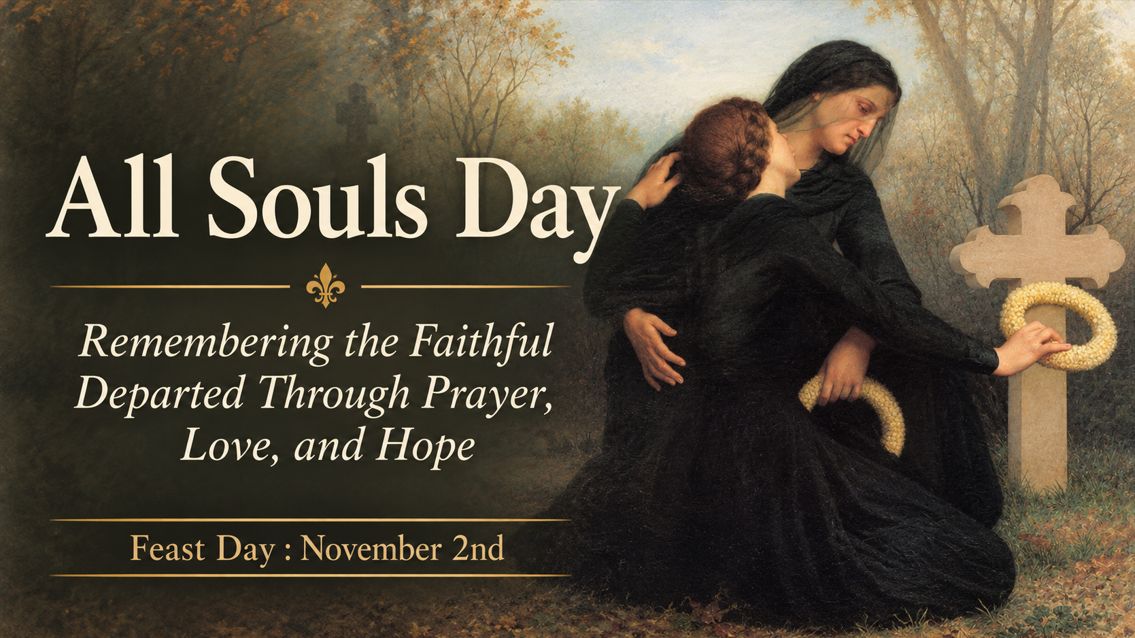
This is why Catholics offer Masses for deceased family members, visit cemeteries and remember the dead, particularly on All Souls' Day.
The Catechism (958) explains that the Church has honoured the memory of the dead and offered prayers for them, especially the Eucharistic sacrifice.
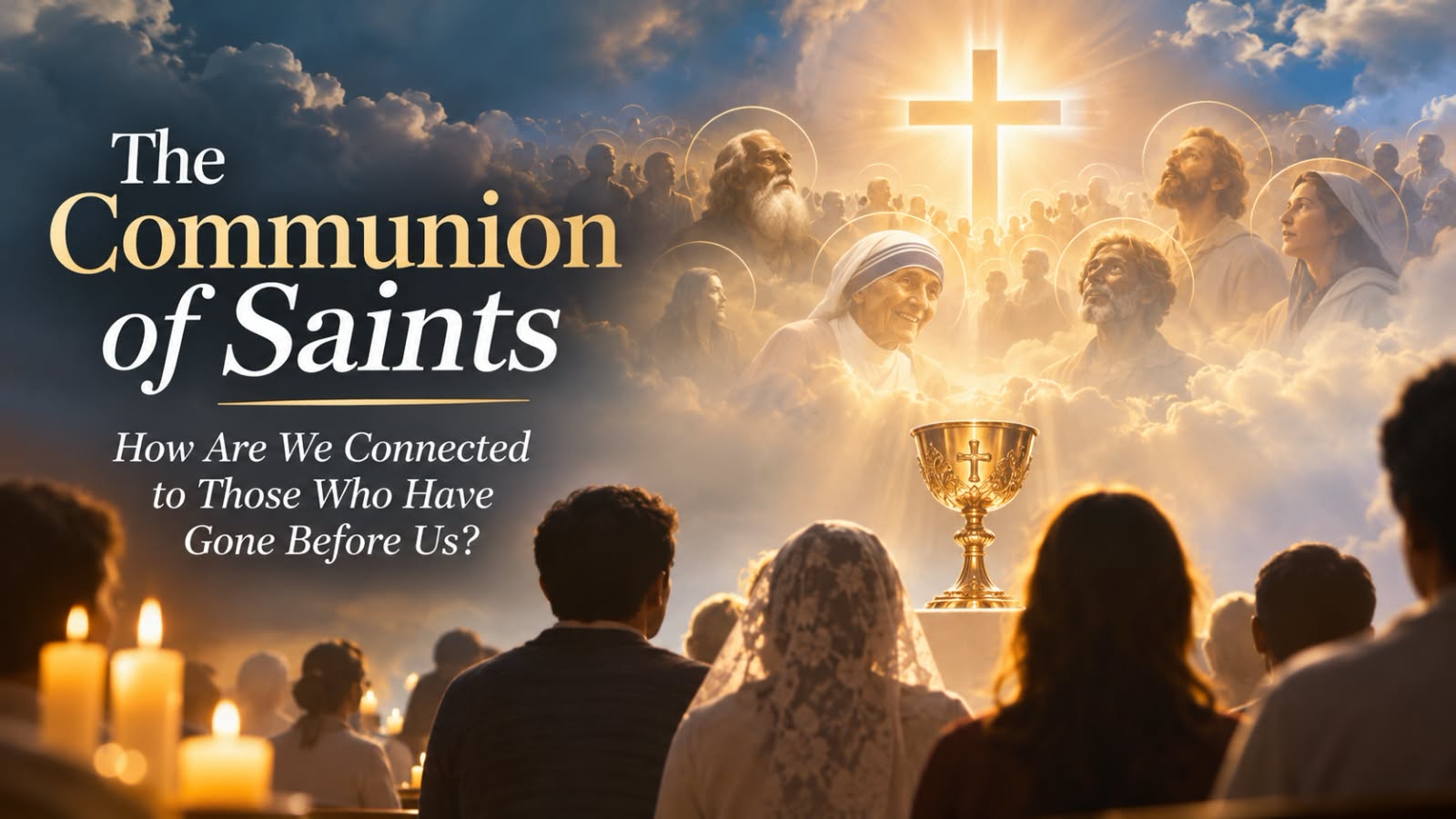
This practice is rooted in the Communion of Saints: the spiritual unity of all those who belong to Christ.
Praying for the departed is therefore not merely an expression of grief. It is an act of faith, love and hope.
Do all Christians believe in Purgatory?
No. Although Christians differ on the doctrine of Purgatory, the practice of praying for the dead has deep roots in Christian history.
From the earliest centuries of Christianity, believers remembered the departed in prayer and offered the Eucharist for their souls. Ancient Christian liturgies, inscriptions in the Roman catacombs and the writings of early Church Fathers such as St Augustine bear witness to this longstanding practice.
In fact, praying for the dead was part of Christian life long before the theological differences that later divided Western Christianity emerged.
Catholics continue to uphold this ancient practice, believing that Scripture and Sacred Tradition support the doctrine of Purgatory. The Eastern Orthodox Churches also pray for the departed, although their understanding of purification after death differs from the Catholic formulation.
During the Protestant Reformation in the sixteenth century, several reformers rejected the Catholic doctrine of Purgatory. Their objections included questions about its biblical foundations, the authority of Church Tradition and the relationship between Christ's sacrifice and purification after death. Most Protestant denominations consequently do not accept Purgatory as Catholicism defines it.
The disagreement is not about whether Jesus' sacrifice is sufficient. Christians across these traditions affirm its saving power. The difference lies in how they understand the completion of purification and sanctification after death, and whether the prayers of the living can benefit the departed.
For Catholics, however, praying for the dead remains an expression of faith in the Communion of Saints and the hope of eternal life.
Does Purgatory mean we should be afraid of death?
Not necessarily. In fact, the Catholic understanding of Purgatory ultimately points towards hope.
It reminds us that God does not merely forgive; he transforms. His desire is not simply to rescue us from sin but to make us holy and bring us into complete communion with him.
Purgatory is not the final destination. Heaven is.
Perhaps this is why the teaching also has a message for those of us still living: we should not postpone repentance, forgiveness or our relationship with God.
As Philippians 1:6 reminds us, God, who began a good work in us, will bring it to completion.
Ultimately, Purgatory is a reminder that God's grace does not abandon us halfway through our journey towards holiness. It is the Catholic understanding of his final work of purification in those destined for heaven.
And that is perhaps the most important thing to remember: Purgatory is not about the failure of God's mercy, but about the completeness of his saving love.
By Catholic Connect Reporter


© 2026 CATHOLIC CONNECT POWERED BY ATCONLINE LLP