- 07 June, 2026

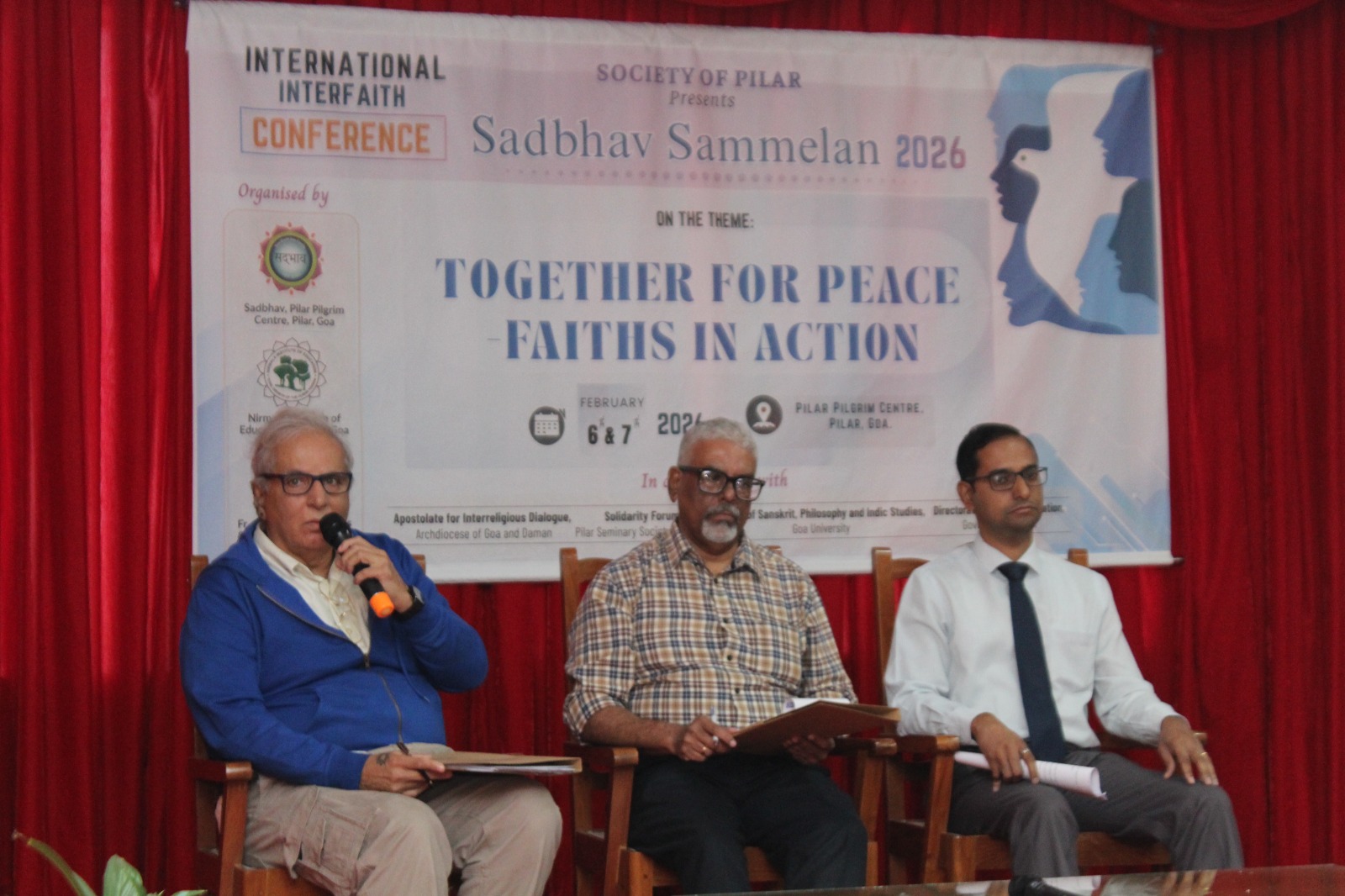
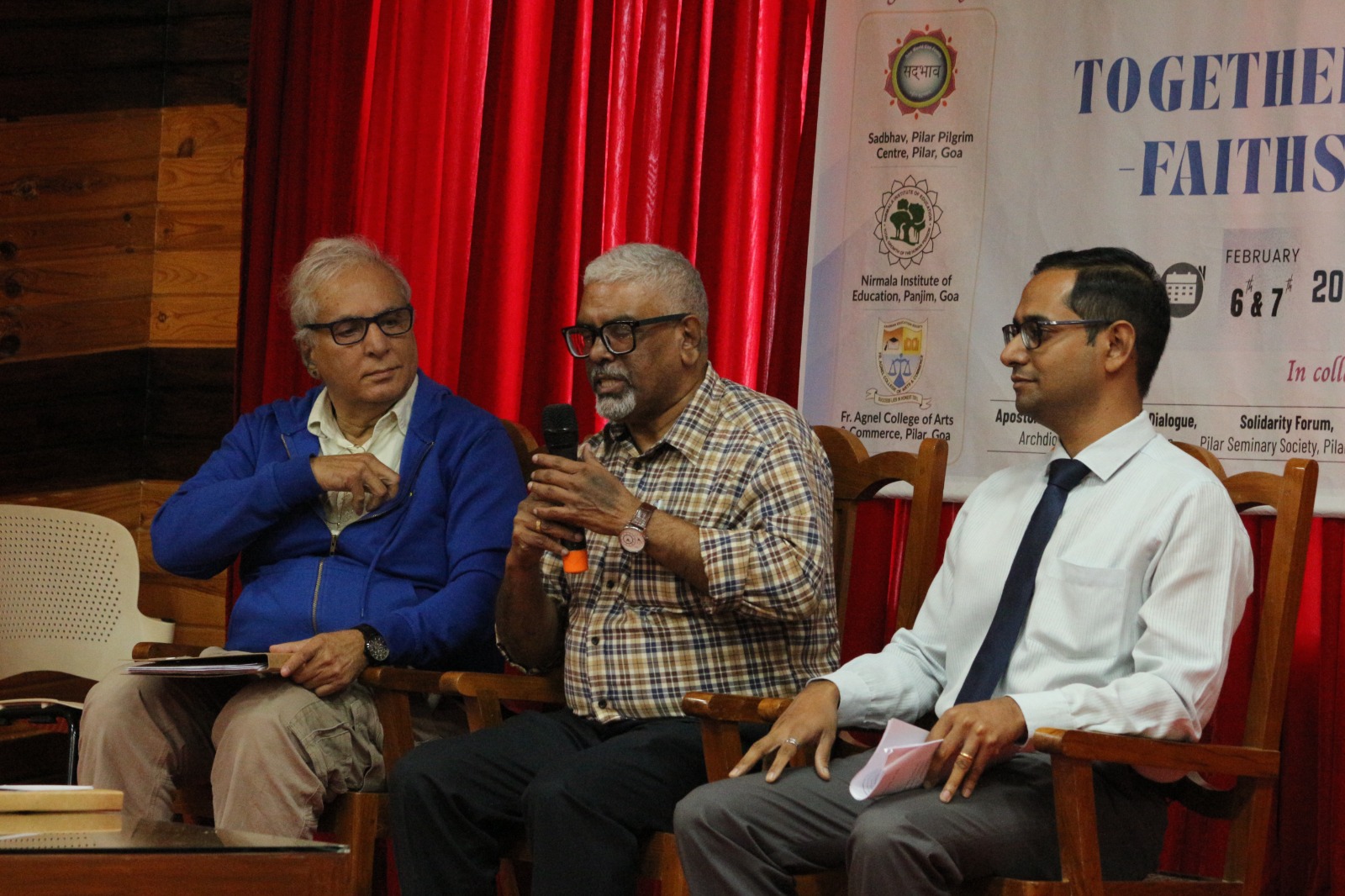
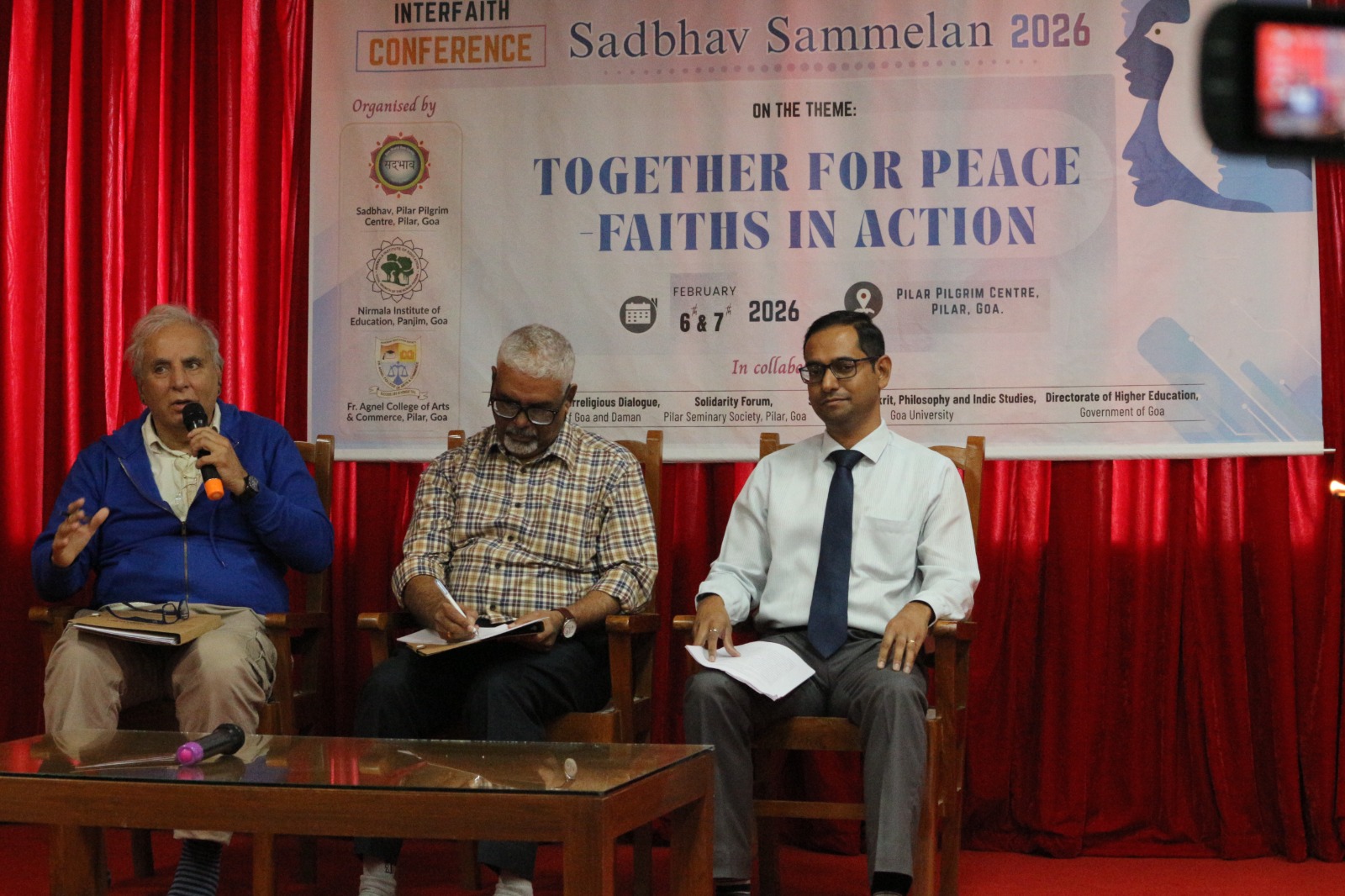
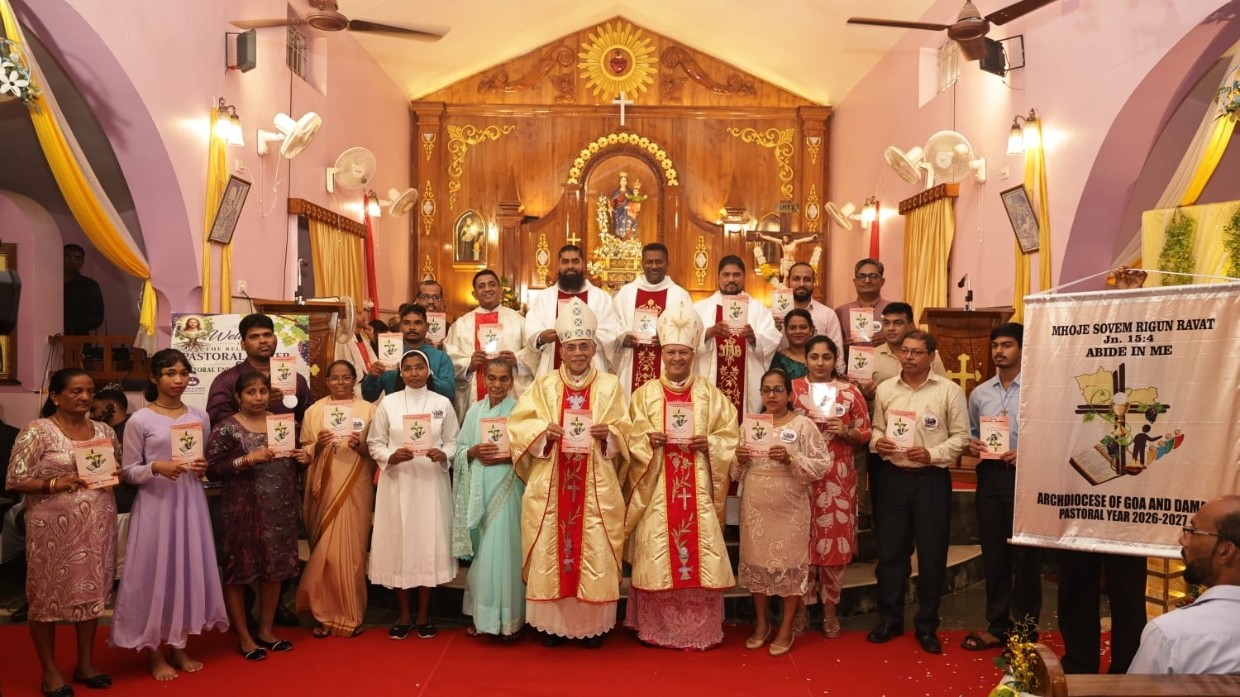
Pilar, Goa, February 6, 2026: The Principle of Causality was presented as a possible unifying foundation for interreligious harmony during the fourth edition of the Society of Pilar’s Sadbhav Sammelan 2026, an international interfaith conference held in Pilar on the theme “Together for Peace: Faith in Action.”


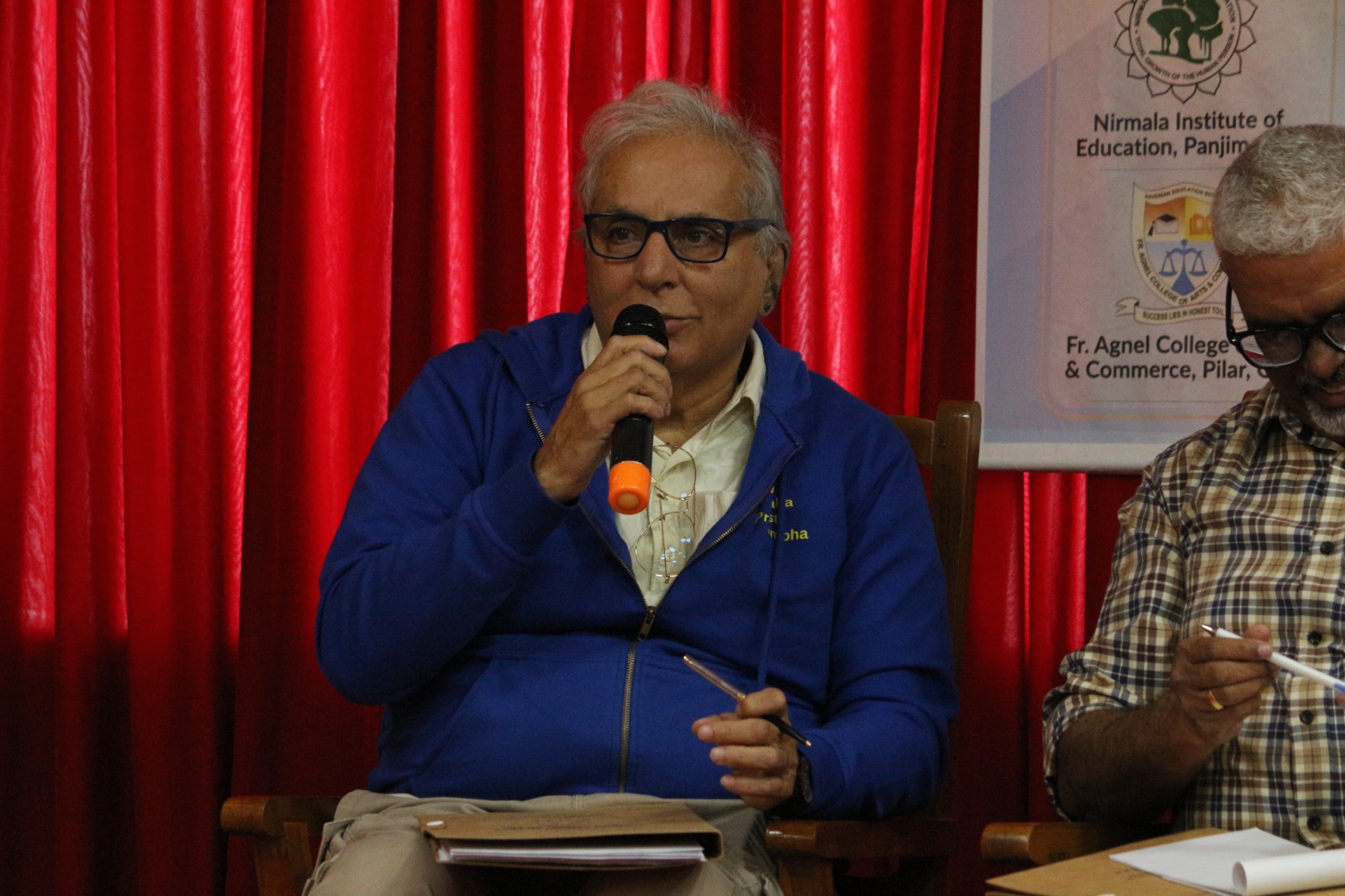
Aditya Raj Kapoor presented a philosophical paper titled “Reconciliation of Major Religions through the Principle of Causality: A Philosophical Foundation for Interfaith Peace,” in which he examined the roots of global conflict and explored the need for a deeper metaphysical basis for interfaith dialogue.
Setting the global context, Kapoor traced the history of large-scale violence in the modern era, including wars, colonial famines and ideological regimes, arguing that much of the devastation of the last century has been the result of human choices rather than natural causes. He observed that religion, once a source of moral cohesion, is increasingly used as an instrument of identity and power, often leading to exclusion and conflict.


Kapoor challenged conventional approaches to interfaith engagement, suggesting that while religions are diverse, faith at its core is singular. Drawing from the Rig Veda and Abrahamic traditions, he proposed that all major religions recognise a higher moral order governing life, articulated variously as Divine Justice, Dharma, Karma, Hukam or the will of God.
Central to his argument was the Principle of Causality—the belief that every action leads to a corresponding consequence. Kapoor demonstrated how this principle is embedded across religious traditions, citing concepts such as Karma and Dharma in Hinduism, Dependent Origination in Buddhism, moral reciprocity in Christianity, divine accountability in Islam, middah k’neged middah in Judaism, and Hukam in Sikhism.
He argued that many interfaith initiatives remain limited to promoting tolerance and coexistence, without addressing deeper philosophical commonalities. Grounding dialogue in causality, he suggested, would shift the focus from doctrinal differences to shared moral responsibility and accountability.
Concluding his presentation, Kapoor said peace must be understood as a moral necessity rather than an abstract ideal in an increasingly interconnected world. He identified greed, fear and ignorance as key drivers of conflict and called for renewed emphasis on character formation and ethical education.
Prof Koshy Thakaran, School of Sanskrit, Philosophy and Indic Studies, Goa University moderated the session.
Summarising the paper, Prof. Thakaran noted that the presentation sought to establish a metaphysical foundation for religious harmony by identifying a unifying principle underlying diverse faith traditions, recalling Swami Vivekananda’s vision of a universal spiritual core expressed through multiple religious paths.
The Sadbhav Sammelan was jointly organised by Sadbhav, Pilar; Fr. Agnel College of Commerce and Arts, Pilar; and Nirmala Institute of Education, in collaboration with several church and academic institutions, including the Archdiocese of Goa and Daman and the Directorate of Higher Education, Government of Goa.
By Br. Malvino Alfonso OCD
Image Credit: Sankalp Naik and team
© 2026 CATHOLIC CONNECT POWERED BY ATCONLINE LLP