- 03 April, 2026
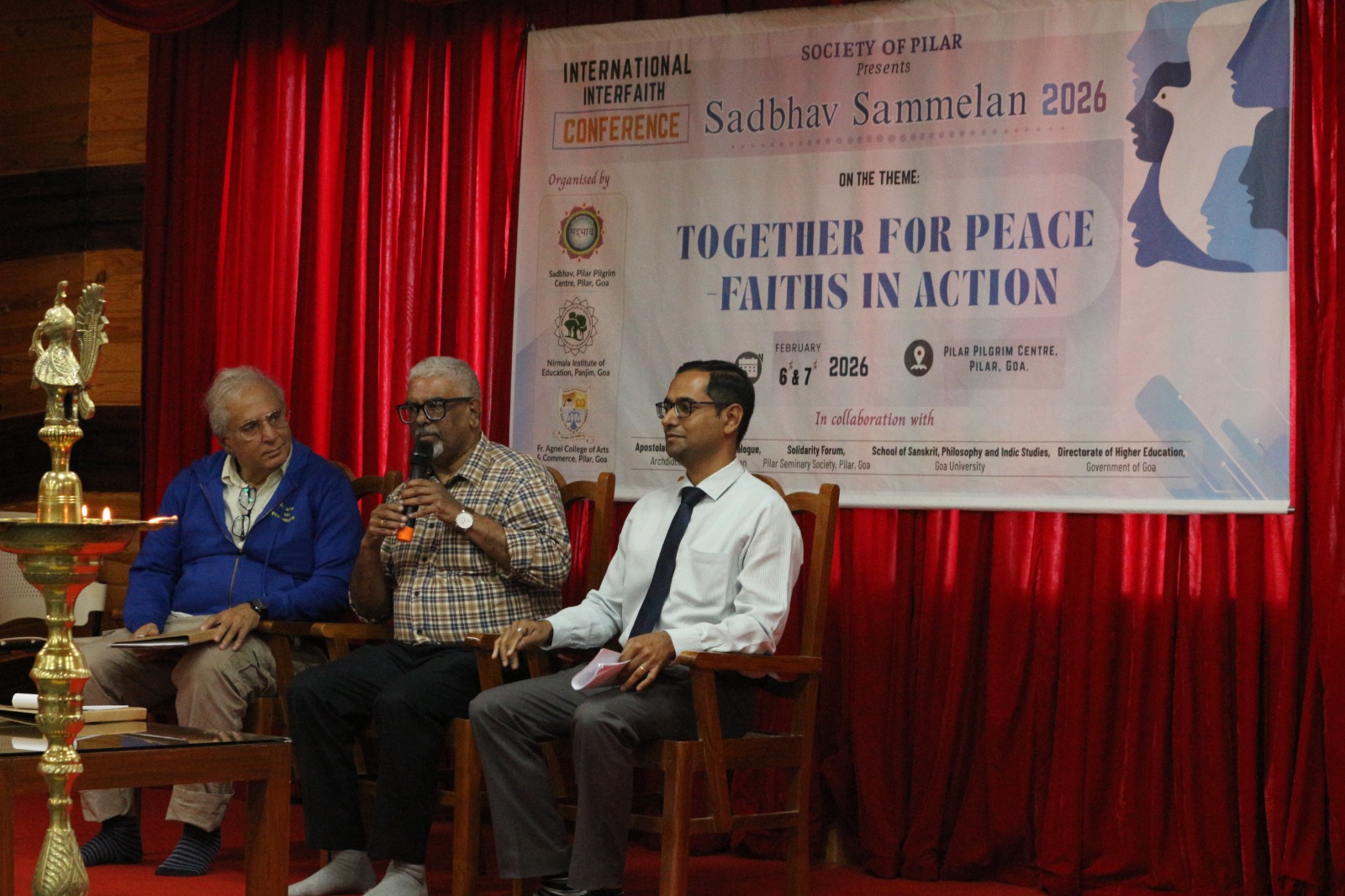
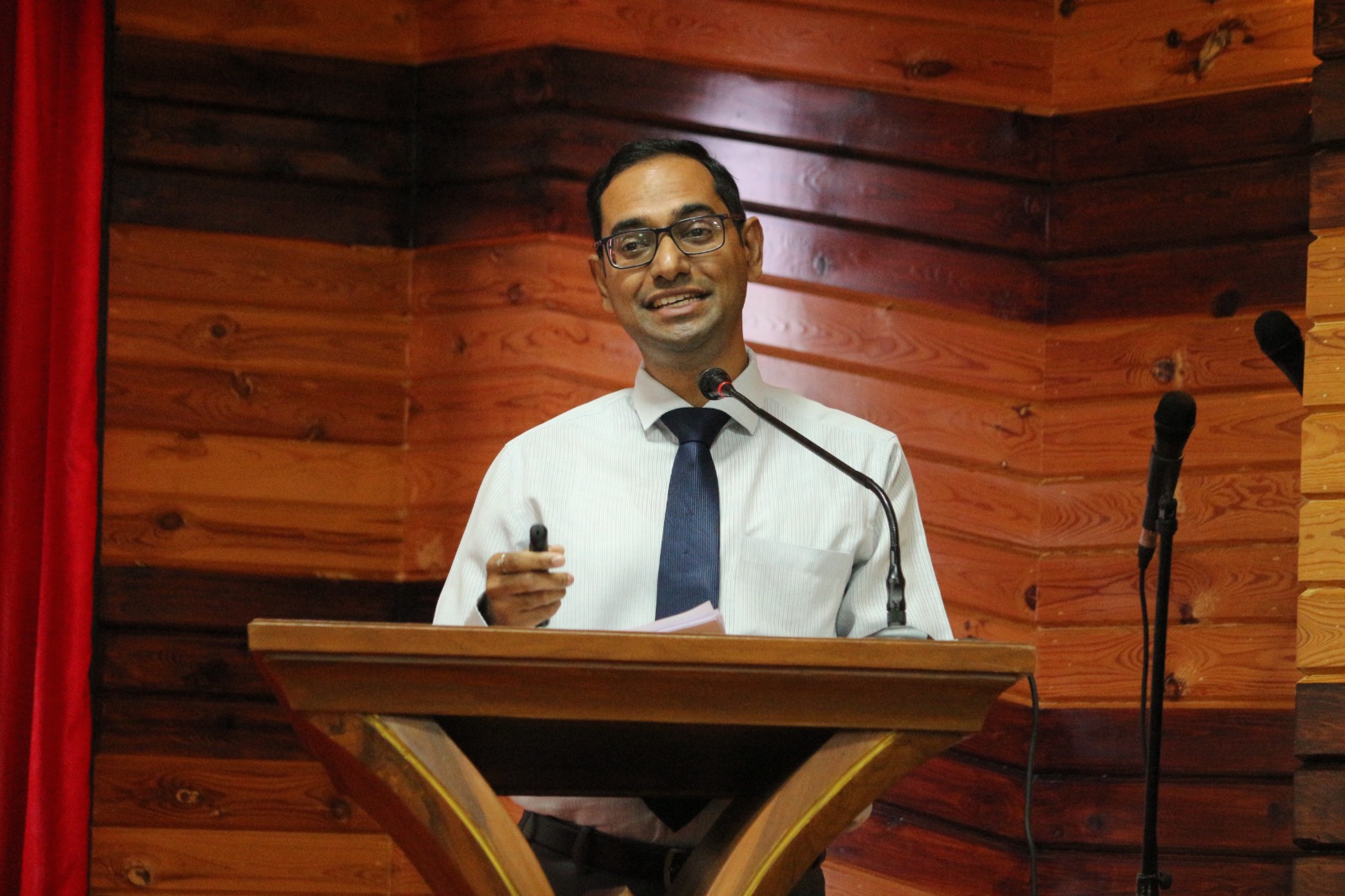
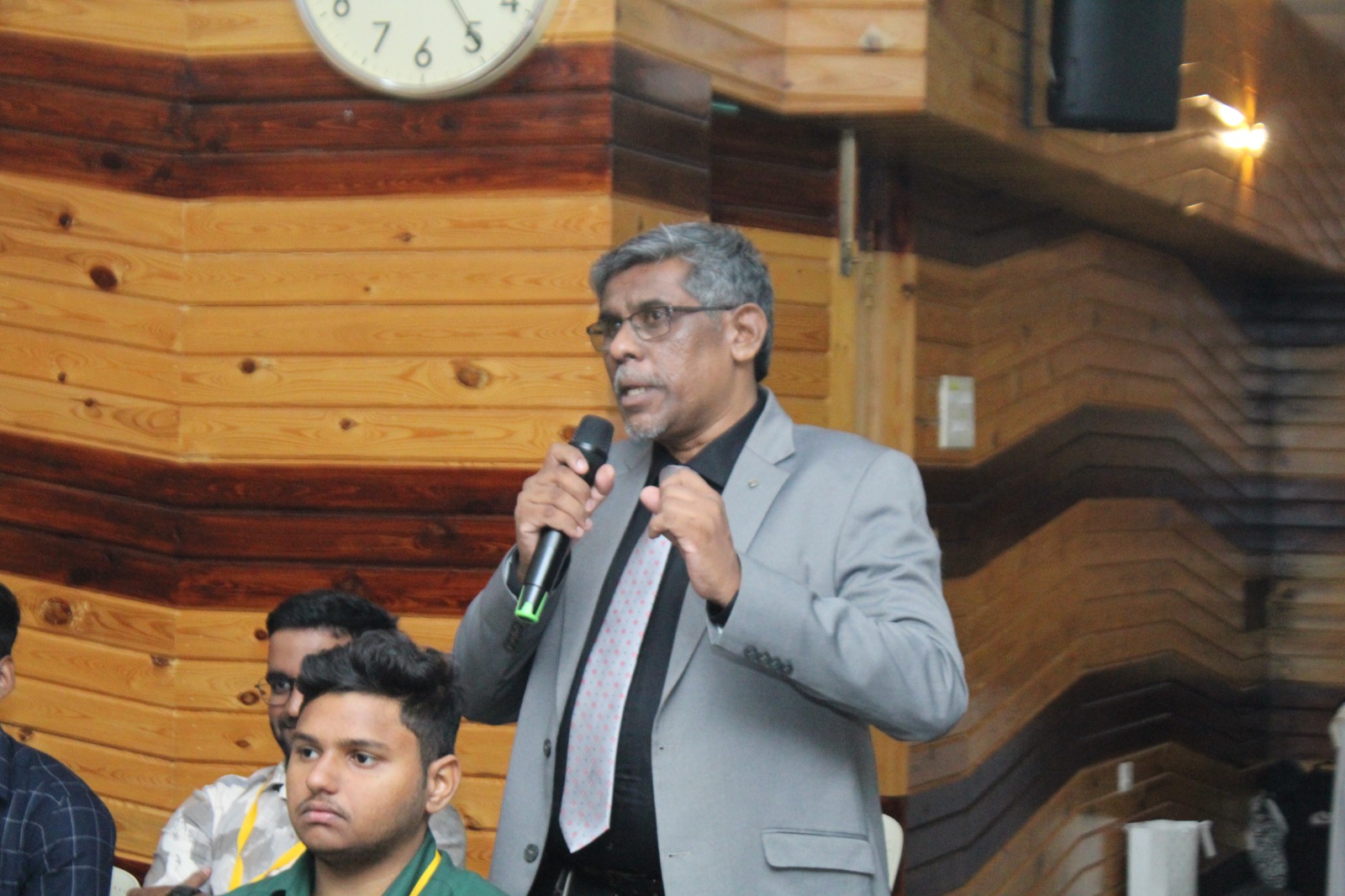
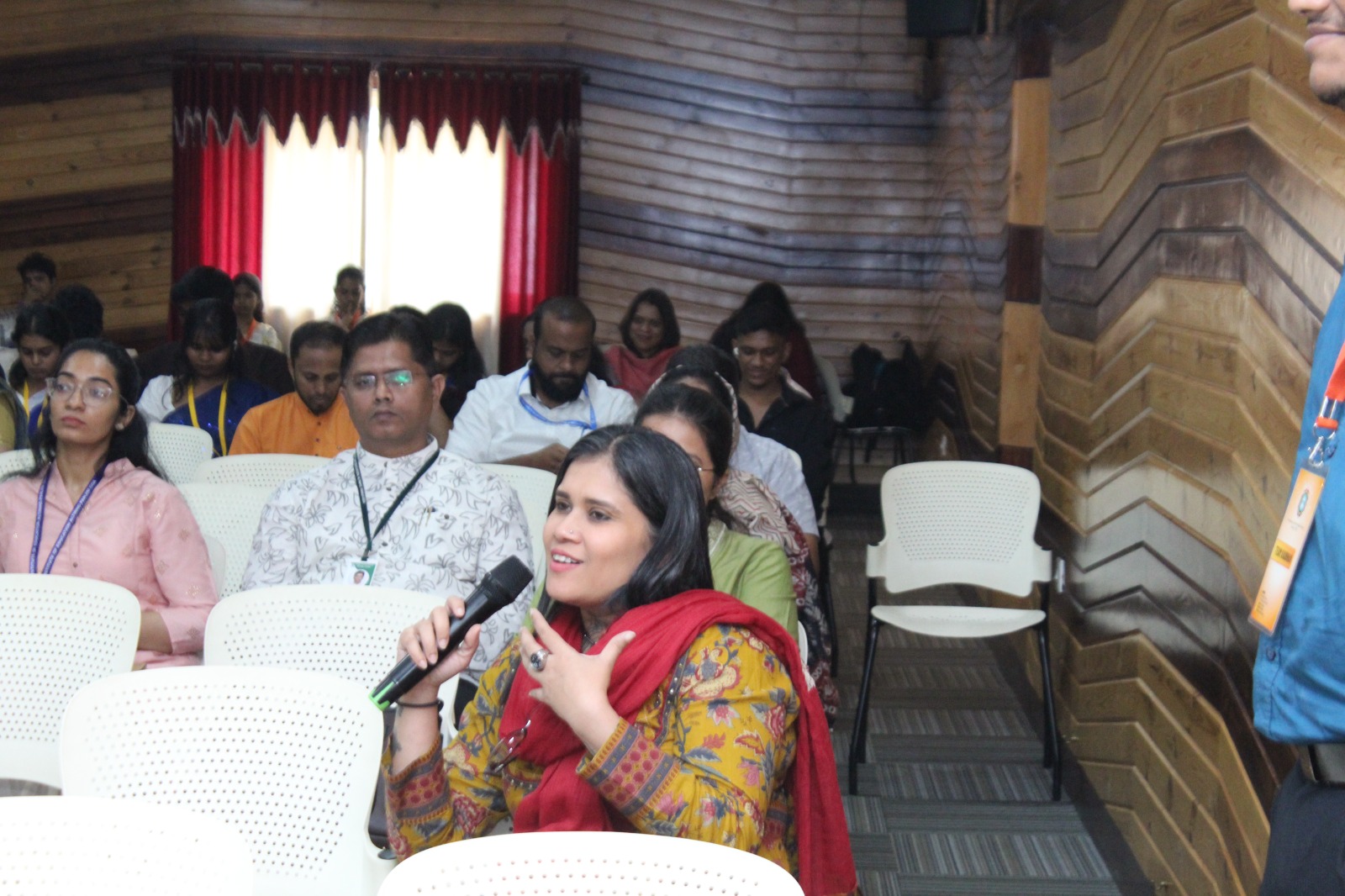
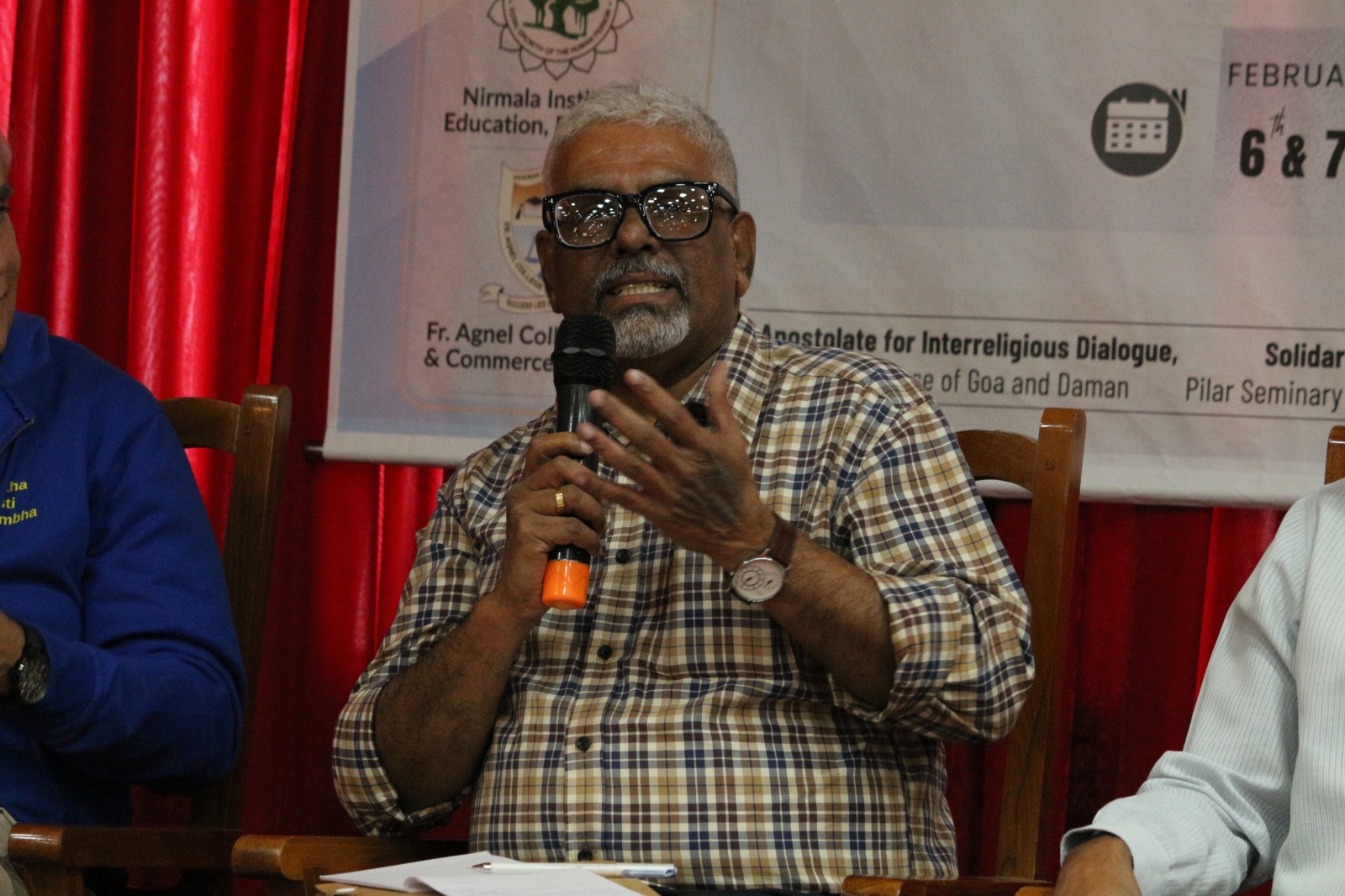
Pilar, Goa, February 6, 2026: Philosophical counseling can help believers rediscover a deeper and more meaningful engagement with faith in an age marked by declining religiosity and growing social isolation, said Jonathan Sequeira, a research scholar at the School of Sanskrit, Philosophy and Indic Studies, Goa University.

Sequeira was speaking at the fourth edition of the Society of Pilar’s Sadbhav Sammelan 2026, an international interfaith conference held on the theme “Together for Peace: Faith in Action.” Presenting his research paper, “Faith through Philosophical Counseling: Can Philosophical Counseling Help One Experience Faith Meaningfully through Religious Texts?”, he examined the challenges confronting faith in a technologically driven world.
Drawing on insights from philosophy, psychology and religious studies, Sequeira observed that faith and religion have traditionally offered moral grounding, community support and existential meaning, all of which contribute to psychological well-being. He noted that faith is not merely adherence to doctrine but a personal foundation that lends purpose and coherence to life, especially in moments of suffering and uncertainty.


Referring to global trends, Sequeira pointed out a steady decline in organised religious practice, often accompanied by a rise in individualised spirituality or secular alternatives. He cautioned that this shift has coincided with increasing loneliness and social isolation, now recognised as major public health concerns worldwide.
A key focus of his presentation was the interpretation of sacred texts. Sequeira argued that crises of faith often arise from rigid or overly literal readings of scripture. He maintained that sacred texts invite reflection and transformation rather than offering unambiguous answers, and stressed the importance of reading them within their historical, cultural and literary contexts.
Proposing philosophical counseling as a bridge between faith and contemporary existential concerns, Sequeira described it as a dialogical and non-dogmatic approach that helps individuals examine beliefs and doubts without prescribing conclusions. He introduced the READ Model—Recitation of sacred texts, Examination of ideas, Analysis through dialogue, and Directional shifts—as a practical framework for faith-based philosophical counseling.
Concluding his address, Sequeira said reflective engagement with faith can strengthen personal belief while fostering openness to dialogue, making it a vital resource for peace and interreligious understanding.
The conference was jointly organised by Sadbhav, Pilar; Fr. Agnel College of Commerce and Arts, Pilar; and Nirmala Institute of Education, in collaboration with several church and academic institutions, including the Archdiocese of Goa and Daman and the Directorate of Higher Education, Government of Goa.
By Br. Malvino Alfonso OCD
Image credit: Photo credit: Sankalp Naik



© 2026 CATHOLIC CONNECT POWERED BY ATCONLINE LLP