- 08 October, 2026
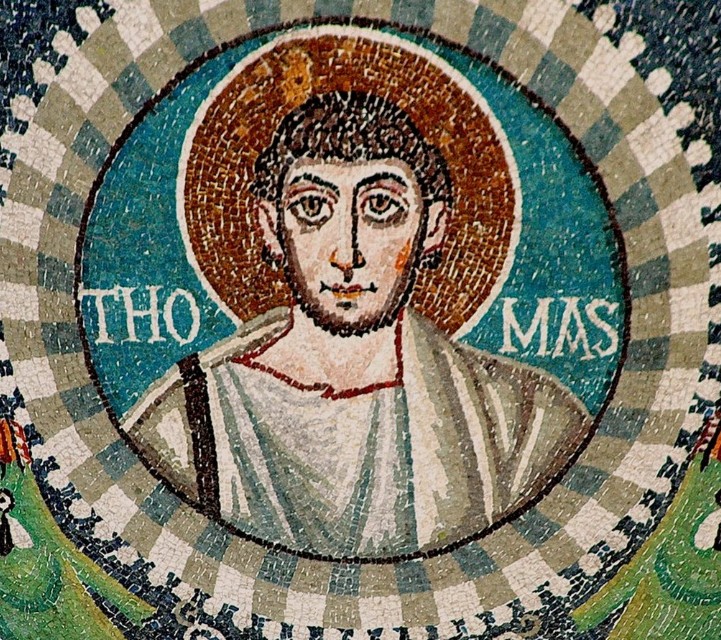
New Delhi | February 6, 2026: The Catholic Church in India stands as one of the oldest continuous Christian traditions in the world, tracing its origins to the arrival of St Thomas the Apostle on the Malabar Coast nearly 2,000 years ago. Today, this ancient faith community remains a significant presence in the country’s religious and social landscape, despite constituting a numerical minority.

With over 23 million faithful—about 1.57 per cent of India’s population—the Catholic Church is the largest Christian denomination in the country and part of the worldwide Catholic communion under the leadership of the Pope. India has the second-largest Christian population in Asia, after the Philippines, reflecting a long and complex history shaped by apostolic beginnings, cultural integration, and centuries of change.
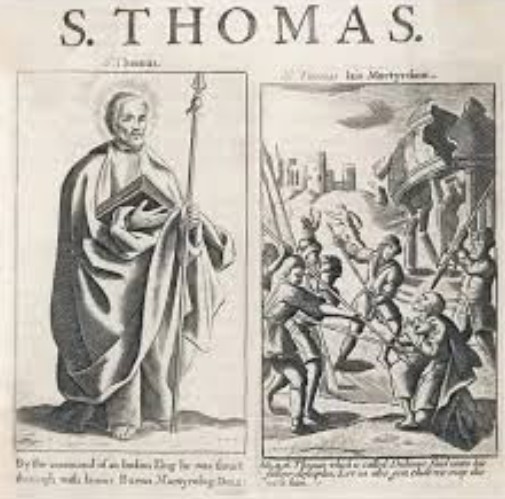
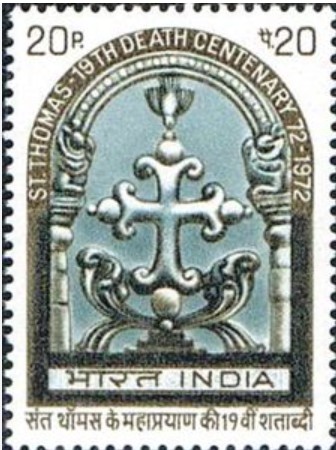
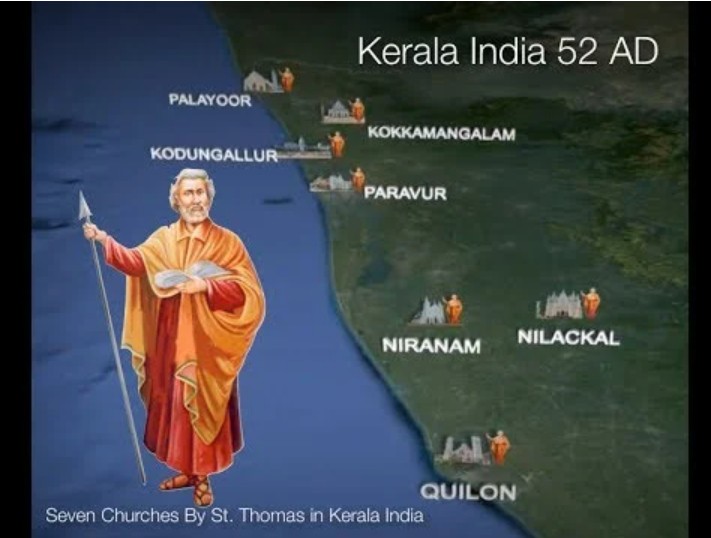
According to Christian tradition, St Thomas arrived in India around AD 52 at Muziris on the Malabar Coast in present-day Kerala. He is believed to have preached along both coasts of the subcontinent and founded early Christian communities, later known as Saint Thomas Christians or Nasranis. Tradition holds that he was martyred near Mylapore, close to present-day Chennai, around AD 72, cementing India’s claim to apostolic Christian roots.
By the fourth century, Indian Christians had established strong ecclesiastical links with Persia, coming under the jurisdiction of bishops of the Church of the East. These ties introduced the East Syriac liturgy and theological traditions, which continue to shape sections of Indian Catholicism. In the eighth century, the Indian Church was elevated to a metropolitan province, highlighting its growing prominence in the wider Christian world.
Western accounts of Indian Christianity emerged from the late 13th century, when missionaries and travellers such as Franciscan John of Monte Corvino and Dominican friars documented thriving Christian communities. A significant milestone came in 1329, when Pope John XXII established the Diocese of Quilon (Kollam), appointing Jordanus Catalanus as its first bishop—the first Roman Catholic diocese in India.
The arrival of Vasco da Gama in 1498 marked a turning point, ushering in Portuguese colonial and missionary expansion. Under the Padroado system, the Portuguese Crown oversaw missionary activity, leading to the spread of the Latin Rite along India’s coasts. Goa emerged as a major ecclesiastical centre and was elevated to an archdiocese in 1557, earning the title “Primate of the East” for its vast jurisdiction across Asia.
However, tensions arose between the Portuguese hierarchy and the indigenous Saint Thomas Christians. The Synod of Diamper in 1599 imposed Latin practices, triggering resistance that culminated in the Coonan Cross Oath of 1653. This pivotal moment led to enduring divisions within Indian Christianity. Communities that later reaffirmed communion with Rome while preserving their Eastern traditions became known as the Syro-Malabar Catholic Church.
From the 17th to the 19th centuries, missionary activity expanded beyond coastal regions into the Indian heartland, including Madurai, Agra, Bengal, and North India. The Bettiah Christian Mission, founded in the 18th century under royal patronage, became the oldest Christian community in North India. Administrative reorganisation in 1886 laid the foundation for the modern Catholic structure in the country.
Today, the Catholic Church in India is organised into 174 dioceses and eparchies across 30 ecclesiastical provinces. These include 132 Latin dioceses, 31 Syro-Malabar dioceses, and 11 Syro-Malankara dioceses, serving more than 10,700 parishes nationwide. All Catholic bishops are members of the Catholic Bishops’ Conference of India (CBCI), first convened in 1944. The Holy See maintains diplomatic relations with India through the Apostolic Nunciature in New Delhi, established in 1881 and elevated to full nunciature status in 1967.
Catholics played a visible role during the final phase of India’s freedom movement, advocating constitutional safeguards for religious liberty. These efforts contributed to the Indian Constitution’s guarantee of the right to profess, practise, and propagate religion.
In the 21st century, the Catholic Church continues its mission through extensive educational, healthcare, and social service networks, operating thousands of schools, colleges, hospitals, and charitable institutions across the country.
What began with the arrival of a single apostle on India’s western shores has evolved into a living tradition woven into the nation’s history—faithful to its apostolic origins while continually adapting to the challenges of contemporary Indian society.
By Catholic Connect Reporter
© 2026 CATHOLIC CONNECT POWERED BY ATCONLINE LLP