- 04 May, 2026
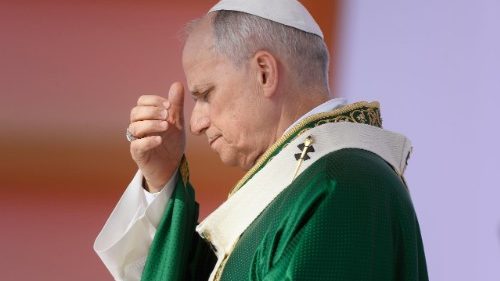
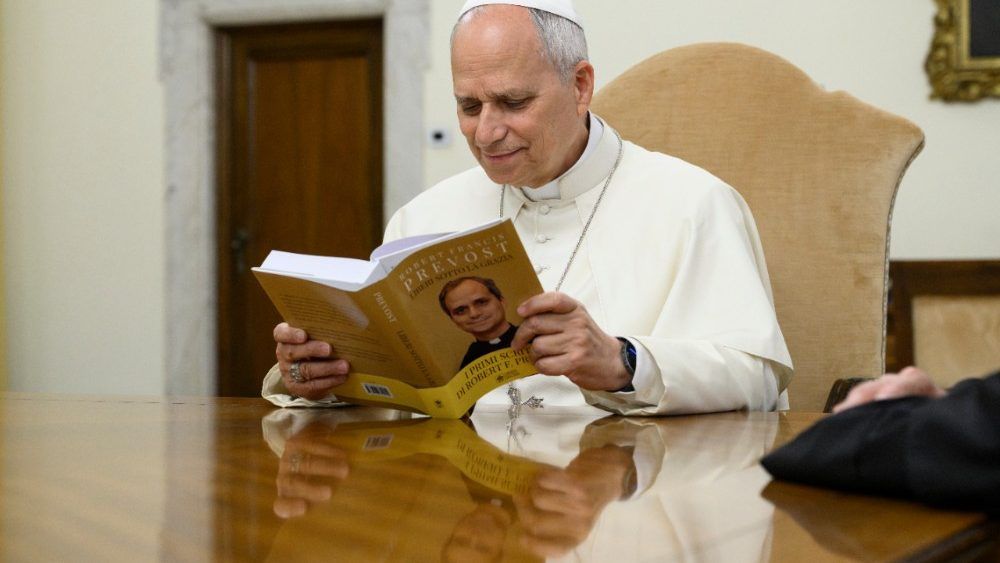
Vatican, 14 Feb 2026: In his Lenten Message for 2026, released on Friday, Pope Leo called on Christians to embrace a deeper and often overlooked form of fasting — abstaining from words that wound and divide. “I would like to invite you to a very practical and frequently unappreciated form of abstinence: that of refraining from words that offend and hurt our neighbor.”


As the Church prepares to begin Lent on Ash Wednesday, February 18, the Pope explained that this sacred season gives Christians a renewed opportunity to restore God to the heart of their lives.
He noted that every genuine path of conversion starts by allowing God’s Word to penetrate our hearts, leading us to renew our commitment to follow Christ through the mystery of His saving passion, death, and resurrection.


Reflecting on the importance of attentive listening, Pope Leo highlighted the need to listen both to God and to others, fostering authentic relationships in daily life.
“In the midst of the many voices present in our personal lives and in society,” he said, “Sacred Scripture helps us to recognize and respond to the cry of those who are anguished and suffering.”
He encouraged Christians to cultivate an interior openness that mirrors God’s own listening heart, particularly by recognizing how the poor challenge personal lifestyles, economic structures, and even the life of the Church itself.
Turning to the spiritual discipline of fasting, Pope Leo explained that it awakens within us a deeper longing for justice and frees us from indifference and complacency.
“Precisely because it involves the body, fasting makes it easier to recognize what we ‘hunger’ for and what we deem necessary for our sustenance,” he said. “Moreover, it helps us to identify and order our ‘appetites,’ keeping our hunger and thirst for justice alive”.
He added that fasting trains believers to master and purify their desires, directing them toward God and toward acts of goodness.
However, he cautioned that fasting must be practiced with faith, humility, and communion with the Lord. It should never become a source of pride. He also noted that other forms of self-denial contribute to cultivating a simpler and more disciplined way of life.
The Pope then drew attention to a lesser-recognized but powerful form of abstinence: controlling one’s speech.
“Let us begin by disarming our language, avoiding harsh words and rash judgement, refraining from slander and speaking ill of those who are not present and cannot defend themselves,” he said. “Instead, let us strive to measure our words and cultivate kindness and respect in our families, among our friends, at work, on social media, in political debates, in the media and in Christian communities.”
By doing so, he said, expressions of hatred can be replaced by words that promote hope and peace.
Pope Leo further stressed that listening and fasting are not merely personal practices but have a communal dimension. These spiritual disciplines should shape the life of parishes, families, and religious communities.
He explained that responding to the cry of the poor and committing to ongoing conversion to Christ strengthens our conscience and enhances the quality of our relationships and daily living.
“It means allowing ourselves to be challenged by reality and recognizing what truly guides our desires—both within our ecclesial communities and as regards humanity’s thirst for justice and reconciliation.”
In concluding his 2026 Lenten Message, Pope Leo XIV invited Christian communities to become welcoming spaces for those who suffer.
“Let us ask for the strength that comes from the type of fasting that also extends to our use of language,” he said, “so that hurtful words may diminish and give way to a greater space for the voice of others.”
Courtesy: Vatican News
© 2026 CATHOLIC CONNECT POWERED BY ATCONLINE LLP