- 08 September, 2026

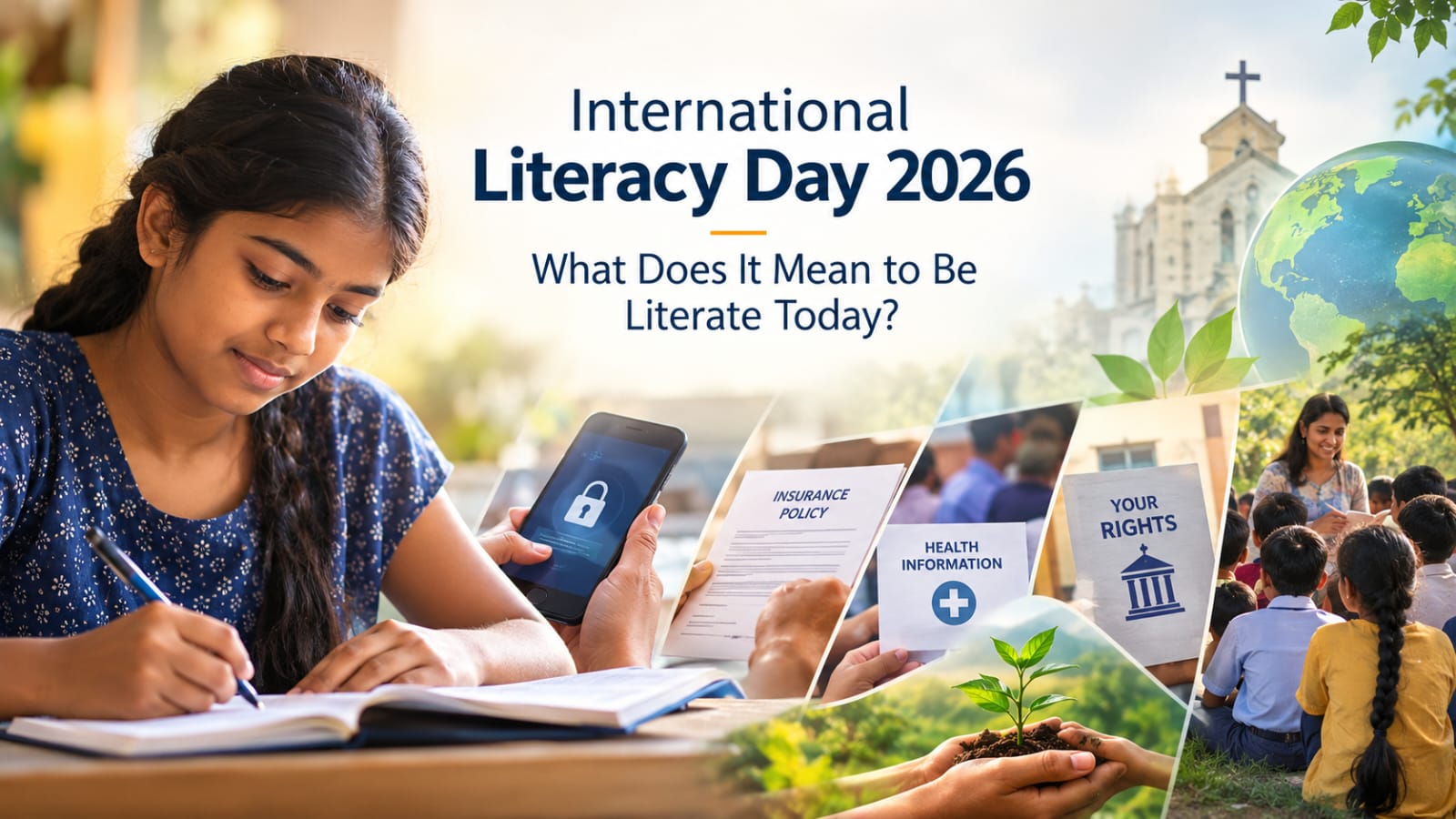
Sept 8, 2026: India’s literacy rate has crossed 80 per cent. Yet that national figure does not mean that everyone has equal access to education, or that everyone who can read and write is equipped to navigate the world around them. What does it really mean to be literate today?

When Reading Becomes Understanding
Literacy is often treated as a milestone reached in childhood. But it is also a lifelong capacity to understand information, make informed decisions and participate in society.
A person may be able to read a notice without understanding their rights, follow a message without recognising misinformation, or use a digital service without knowing how to protect themselves. These are reminders that literacy is a foundation, not a finish line.

The World is Changing—and so is Literacy
International Literacy Day, observed every year on September 8, was proclaimed by UNESCO in 1966, with the first observance held in 1967. In 2026, its 60th anniversary is being marked under the theme “Literacy for people, the planet and prosperity.”
The theme invites us to consider how knowledge helps people live with dignity, participate in society and contribute to a sustainable future.
Digital literacy is one part of this wider picture. As banking, education, employment and public services increasingly move online, people need to understand information and use technology responsibly. But literacy also includes financial awareness, health knowledge, media literacy and an understanding of basic rights.
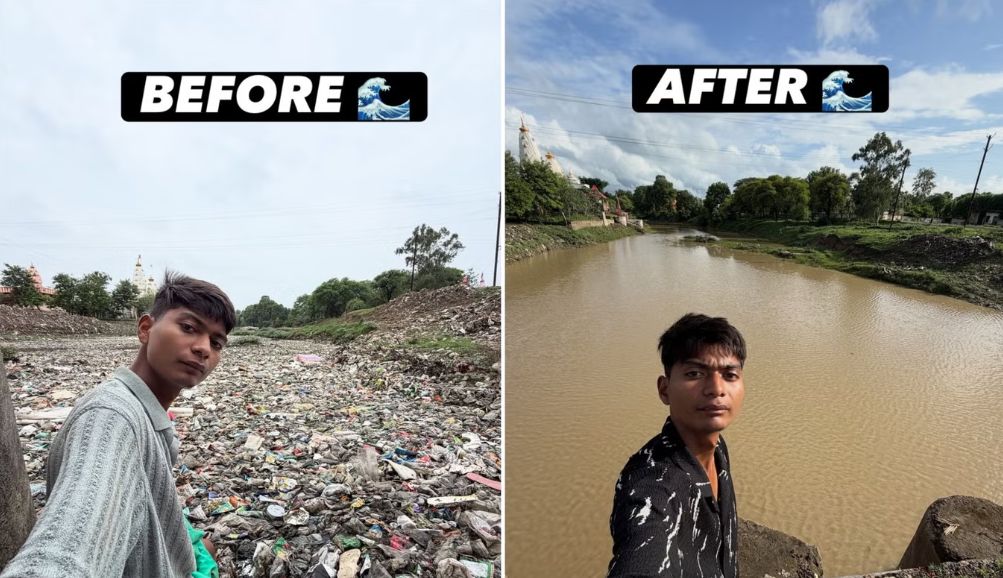
It can mean recognising a fraudulent message, understanding an insurance policy, knowing where to seek reliable health information or making an informed decision about a government service. It can also mean understanding why clean water matters, how waste affects a community or why caring for creation is a responsibility shared by all.
Being literate, in this broader sense, is about having the tools to understand the world and participate in it.
India’s Progress—and the Work Ahead
According to the Periodic Labour Force Survey (PLFS) 2023–24, conducted by the National Statistical Office, Ministry of Statistics and Programme Implementation, India’s literacy rate among people aged seven and above was 80.9 per cent. The survey covered July 2023 to June 2024, and its annual report was published on 10 October 2024. Its definition of literacy is the ability to read and write with understanding in any language.
The figure represents progress, but it does not tell the whole story. Literacy does not automatically translate into equal educational opportunities or practical knowledge. Nor does it mean that everyone has had the same chance to learn.
One of India’s major adult-education efforts is ULLAS – Nav Bharat Saaksharta Karyakram, which seeks to provide foundational literacy and numeracy to non-literate people aged 15 and above, alongside practical learning for everyday life. Its emphasis on community participation reflects an important truth: literacy is not achieved by institutions alone.
The Church: Education as a Mission of Service
The Church’s contribution to education in India is far greater than the simple provision of classrooms. Through schools, colleges, social centres and community initiatives, Catholic education has sought to reach children and communities, including those with limited access to educational opportunities.
The CBCI Commission for Education and Culture was established in 1984, following a decision taken in 1966. Its stated objectives include reaching out especially to the poor and marginalised, committing to justice and promoting brotherhood and love.
This is an important part of the Church’s educational mission: education is not only about academic excellence, but about forming people who can contribute to society. Catholic institutions have also continued to develop their educational work through initiatives such as the CBCI EduBase, launched in 2020 to gather information on Catholic educational institutions and support planning for education at diocesan, regional and national levels.
As literacy evolves, this contribution can extend beyond classrooms to include digital awareness, responsible use of technology, practical knowledge and care for the environment.
A Question Worth Carrying Forward
International Literacy Day invites us to ask whether we have understood the true purpose of education. If we are so-called literates, why do we still pollute the land we depend on? Why do we continue to fall for scams? Why are we still unaware of the constitutional rights that protect us? These questions do not diminish the importance of literacy. They reveal its deeper purpose.
Education should not merely make us capable of reading the world; it should make us capable of responding to it. It should help us recognise injustice, care for creation, make responsible choices and understand that our actions affect others.
For the Church, this is also a reminder that education is a mission of service. The classroom, the community and the wider world are all places where knowledge can become compassion, responsibility and action.
Perhaps the real question this Literacy Day is not simply, “Can we read?” but “What have we learned to do with what we know?”
By Catholic Connect Reporter





© 2026 CATHOLIC CONNECT POWERED BY ATCONLINE LLP