
- 12 October, 2026

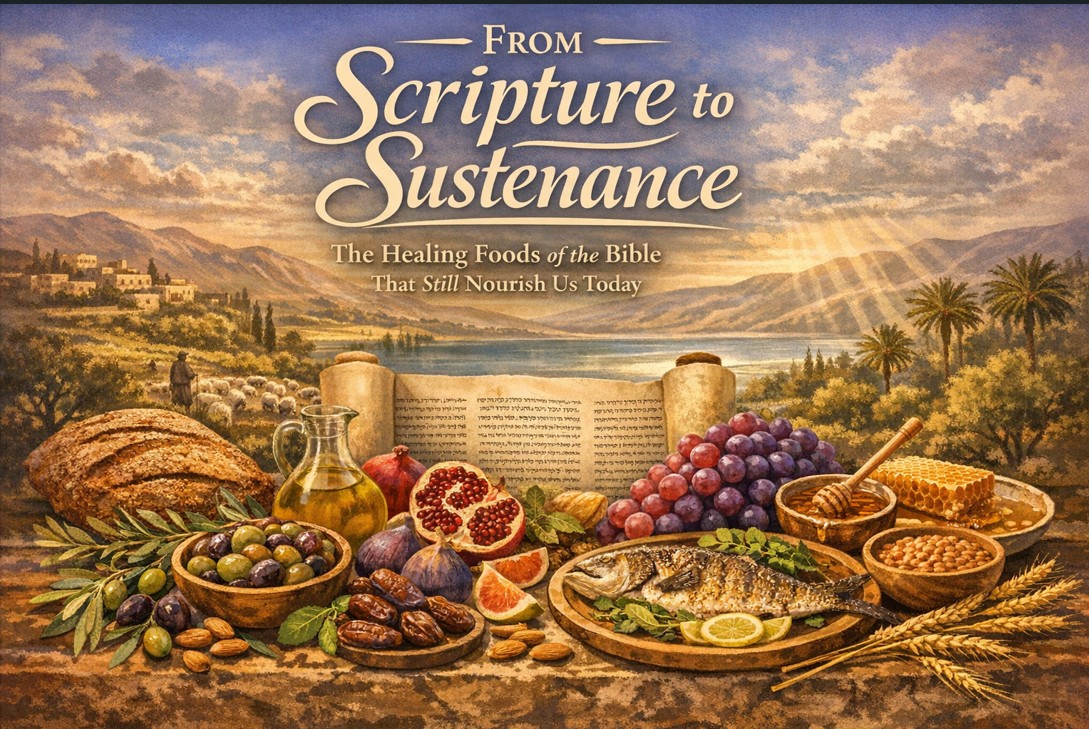
New Delhi, April 12, 2026: For centuries, the Bible has been cherished as a source of spiritual wisdom. But beyond its teachings on faith and life, it quietly preserves something equally powerful—a blueprint for nourishment rooted in nature. Long before modern nutrition science emerged, biblical communities relied on simple, wholesome foods not just to survive, but to heal.



Today, science is beginning to affirm what ancient tradition always knew: the foods mentioned in scripture are rich in properties that support health, vitality, and longevity.
Let’s journey through some of these timeless healing foods—and discover how they continue to benefit us today.
In biblical times, honey symbolized abundance, blessing, and vitality. It wasn’t just a delicacy—it was medicine.
Rich in antioxidants and known for its natural antibacterial properties, honey has long been used to soothe sore throats, aid digestion, and even heal wounds. Its enduring presence in natural medicine speaks volumes about its effectiveness.
Few foods hold as much significance in the Bible as olive oil. Used in cooking, rituals, and healing practices, it represented restoration and care.
Modern research highlights its powerful benefits—healthy fats that support heart health, anti-inflammatory properties, and a key role in one of the world’s healthiest diets, the Mediterranean diet. Extra virgin olive oil remains a cornerstone of wellness even today.
Figs appear in scripture not only as food but as treatment—famously used as poultices for healing.
High in fiber and rich in essential minerals, figs support digestion and gut health. Their natural sweetness and nutritional value make them both nourishing and therapeutic.
Symbolizing life, fertility, and blessing, pomegranates held deep cultural and spiritual meaning.
Today, they are celebrated for their antioxidant richness, heart-protective qualities, and potential to reduce inflammation and support brain health. Pomegranate juice, in particular, is widely studied for its role in preventing chronic diseases.
Grapes, often associated with joy and renewal in biblical narratives, were a staple in daily life.
Packed with resveratrol—a powerful antioxidant—they support cardiovascular health and may contribute to longevity. Whether eaten fresh or in natural forms, grapes remain a simple yet potent source of nourishment.
Lentils were a humble yet essential part of biblical diets, offering strength and sustenance.
Rich in plant-based protein, iron, and fiber, they help regulate blood sugar levels and support overall health. Even today, lentils are a foundation of balanced, nutritious eating across cultures.
As one of the earliest cultivated grains, barley symbolized provision and sustenance.
Its high fiber content—especially beta-glucan—supports heart health, lowers cholesterol, and promotes digestion. This ancient grain continues to prove its value in modern diets.
Though modestly mentioned, garlic was part of the everyday diet remembered by the Israelites.
Now widely recognized for its medicinal strength, garlic boosts immunity, fights microbes, and may help lower blood pressure. It remains one of the most powerful natural remedies known today.
Almonds appear in biblical imagery as symbols of life and watchfulness.
Loaded with healthy fats, vitamin E, and essential nutrients, they support brain function, heart health, and cholesterol regulation. A small daily portion can go a long way in maintaining wellness.
Herbs held both symbolic and practical importance, especially during sacred observances like Passover.
Known for aiding digestion, supporting liver function, and reducing inflammation, herbs such as cumin, coriander, and mint continue to play a vital role in natural healing traditions.
What’s truly remarkable is how closely modern nutrition aligns with these ancient practices. The foods emphasized in the Bible are:
They are known to reduce inflammation, strengthen immunity, support heart and gut health, and promote long-term vitality—exactly what health experts recommend today.
Incorporating these healing foods doesn’t require a complete lifestyle overhaul. Small, mindful changes can make a big difference:
Consistency, not complexity, is the key to lasting health.
The Bible’s perspective on food is deeply holistic—nourishing both body and spirit. It reminds us that true wellness is not complicated. Often, the most powerful remedies are the simplest, drawn directly from nature.
By embracing these time-tested foods, we do more than improve physical health—we reconnect with a lifestyle rooted in balance, gratitude, and mindful living.
There is a quiet wisdom here, waiting to be rediscovered—one that nourishes not just the body, but the soul as well.
By Catholic Connect Reporter
---------------------------------------
Relevant Keywords: biblical healing foods, foods in the Bible for healing, natural remedies in the Bible, biblical diet and health, ancient healing foods scripture, honey health benefits Bible, olive oil biblical uses health, figs digestion benefits Bible, pomegranate antioxidant benefits Bible, grapes health benefits scripture, lentils nutrition biblical diet, barley health benefits ancient grains, garlic immune benefits natural remedy, almonds brain health Bible, herbs in the Bible healing, faith and nutrition Bible, holistic health biblical foods, natural foods for immunity Bible, Bible diet modern science, spiritual and physical wellness foods





© 2026 CATHOLIC CONNECT POWERED BY ATCONLINE LLP