- 08 June, 2026

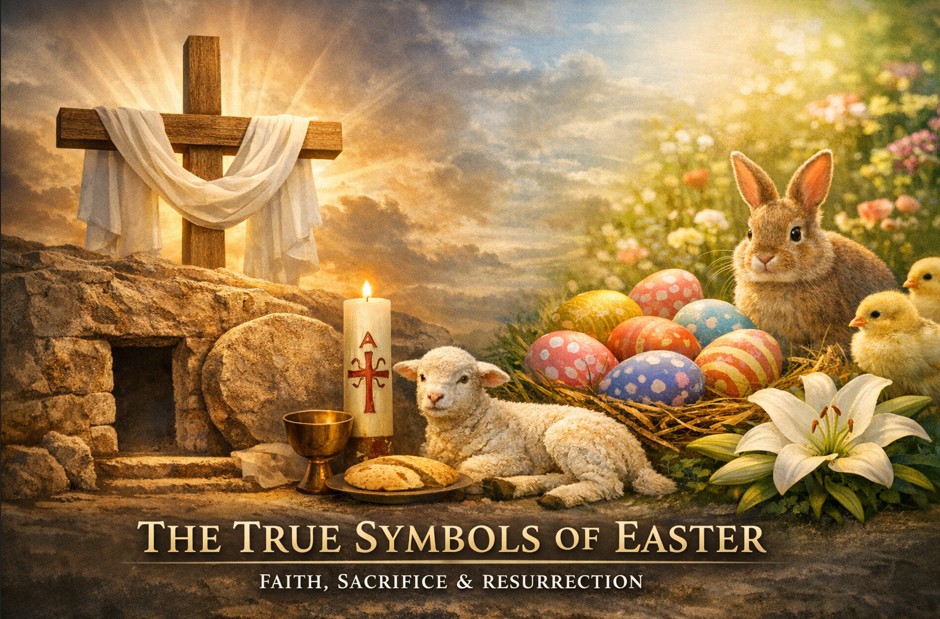
New Delhi , April 5, 2026: Easter symbols explained with Catholic meaning, history, and traditions. Discover the true significance of Easter symbols, their origins, and their role in the Catholic faith.


Easter symbols explained is a topic that continues to draw attention among believers seeking a deeper understanding of their faith. At the heart of Easter is the resurrection of Jesus Christ, a truth expressed through powerful symbols developed over centuries.
This article explores the meaning of Easter symbols, their Catholic significance, and the history of Easter traditions, helping readers distinguish between authentic Christian symbols and cultural additions.


The significance of Easter symbols is rooted in the central mystery of the Christian faith:
These are the primary Christian Easter symbols that reflect the doctrine of salvation.
When exploring Easter symbols and their meanings, it is important to understand cultural elements:
These symbols are widely recognized but are not part of official Catholic Easter traditions explained through doctrine.
The Catholic Church teaches that Easter is the foundation of Christian life. The Catholic meaning of Easter includes:
These truths define the symbols of resurrection in Christianity.
Understanding Holy Week meaning Catholic is essential to fully grasp Easter:
Other key practices include:
The Catholic Easter symbols that align with Church teaching include:
These form the foundation of Catholic Easter traditions.
Many ask: what do Easter symbols mean in the Catholic Church? The answer requires clarity.
Certain elements are often confused with religious meaning:
These belong to cultural practice rather than doctrine.
The difference between Easter symbols and traditions comes from history:
The Church permits these but does not assign them theological significance.
The history of Easter symbols begins with the resurrection of Jesus Christ, closely linked to Passover.
Early Christians used:
These symbols formed the earliest expressions of Christian identity.
Over time, deeper meanings emerged:
This development shaped the significance of Easter symbols in theology.
The origin of Easter Bunny and eggs Christianity reflects later additions:
The Easter Bunny originated in German folklore:
The meaning of Easter symbols ultimately points to one central truth: the resurrection of Jesus Christ.
While cultural traditions enrich celebration, the Catholic meaning of Easter remains rooted in Christ’s victory over death and the promise of eternal life.
Understanding the difference between Easter symbols and traditions allows believers to fully appreciate both the historical depth and spiritual richness of Easter.
By Catholic Connect Reporter

© 2026 CATHOLIC CONNECT POWERED BY ATCONLINE LLP