- 27 November, 2026
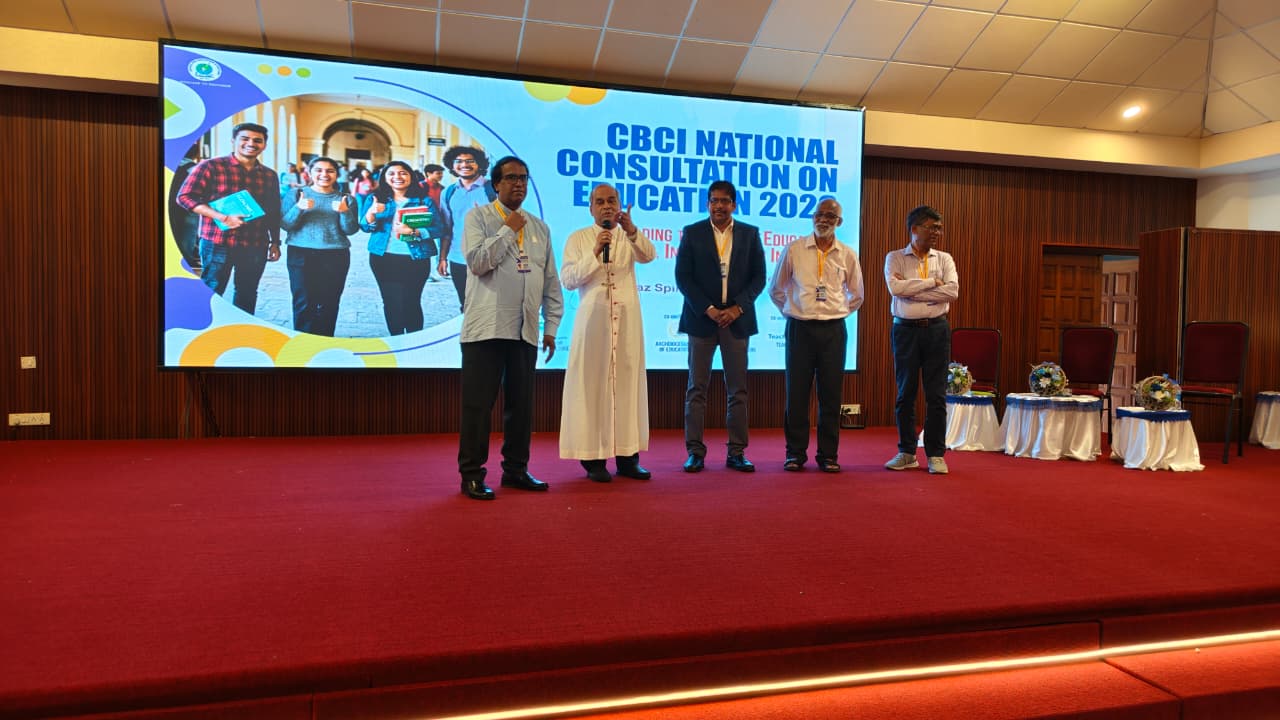
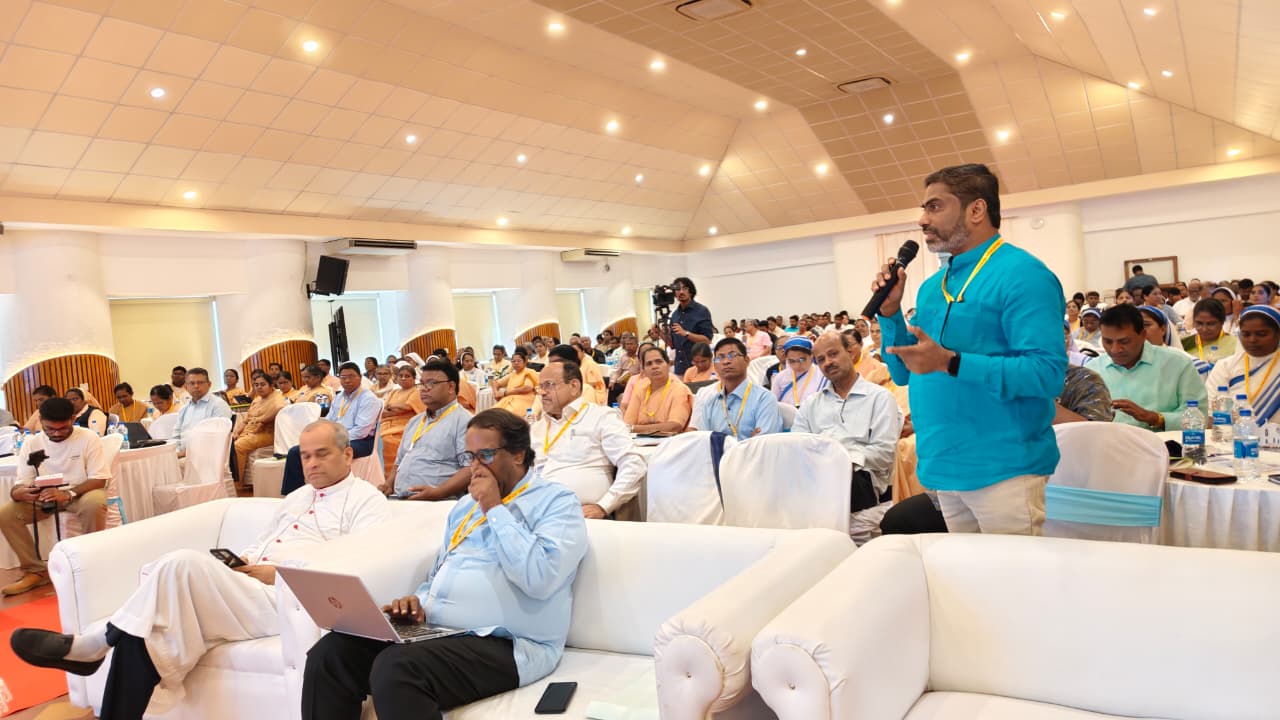
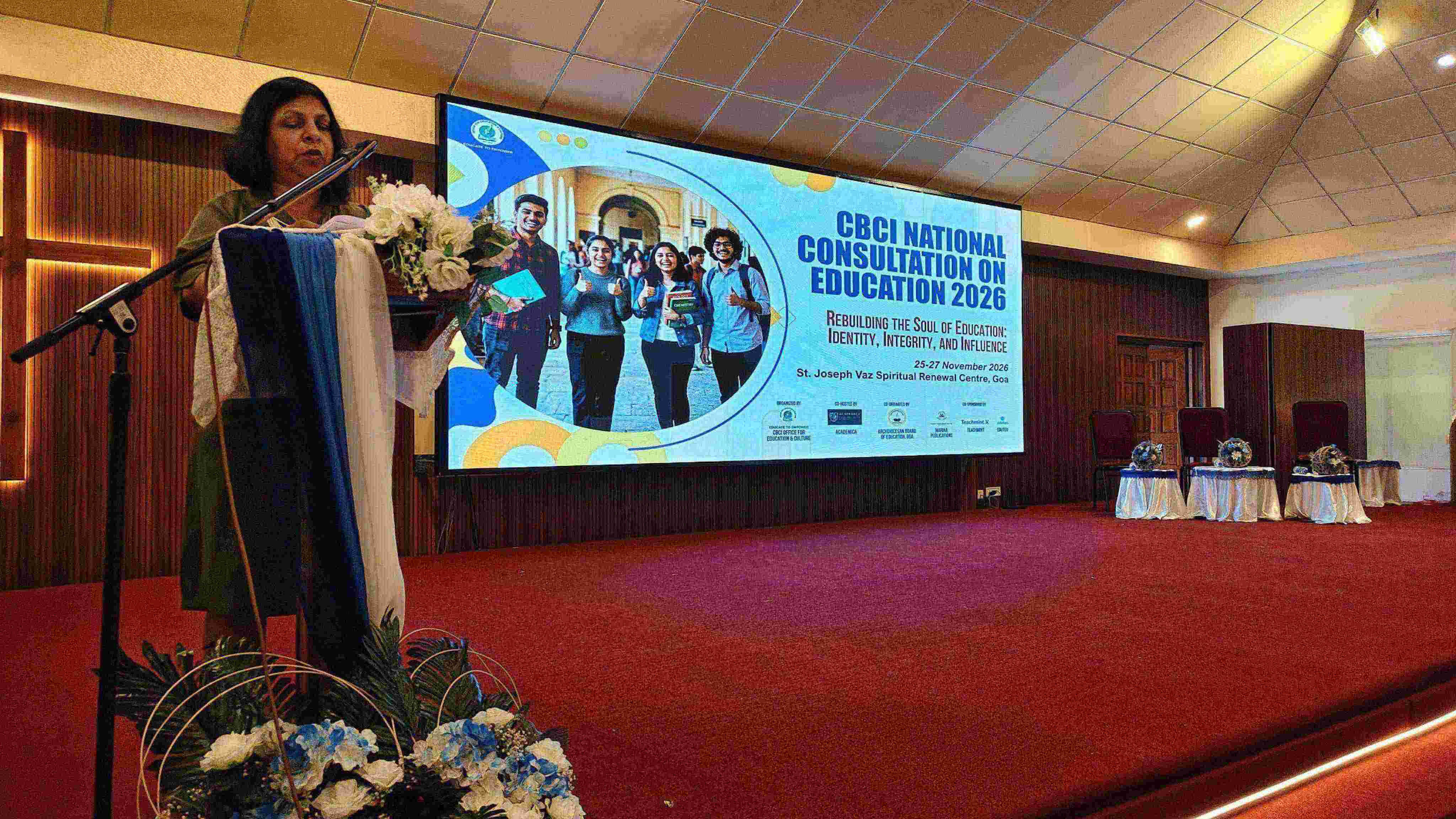
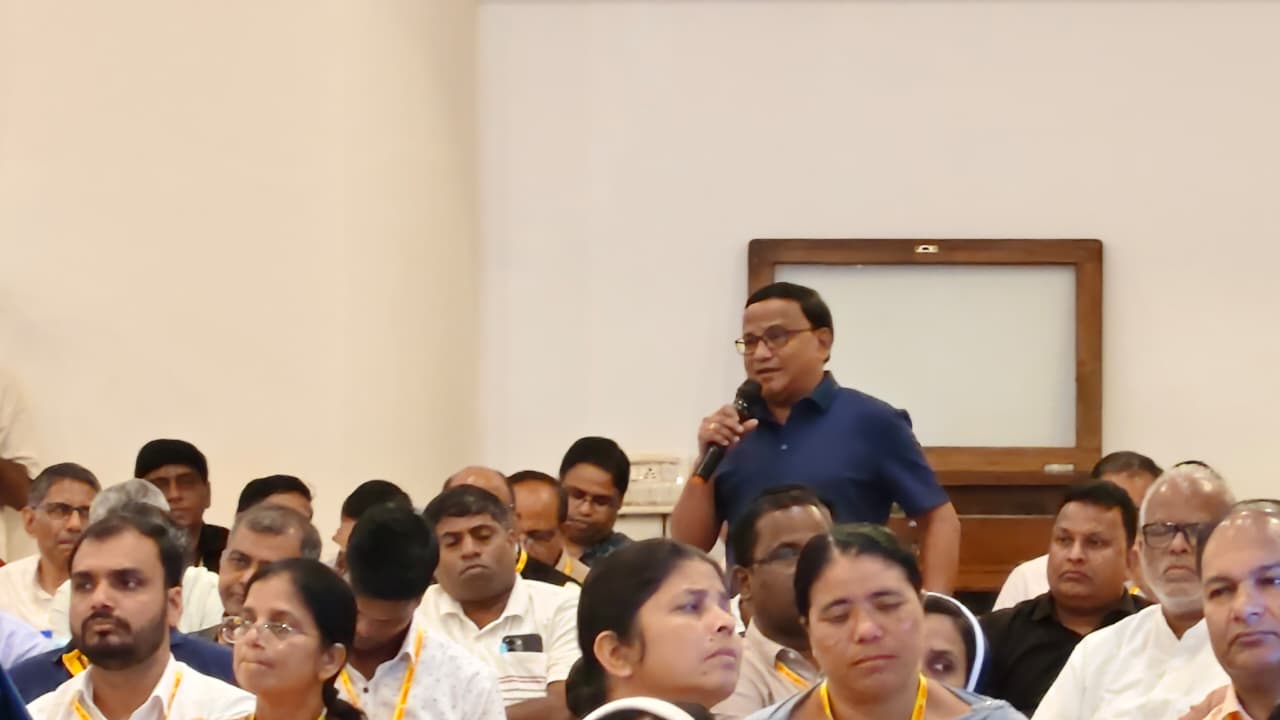
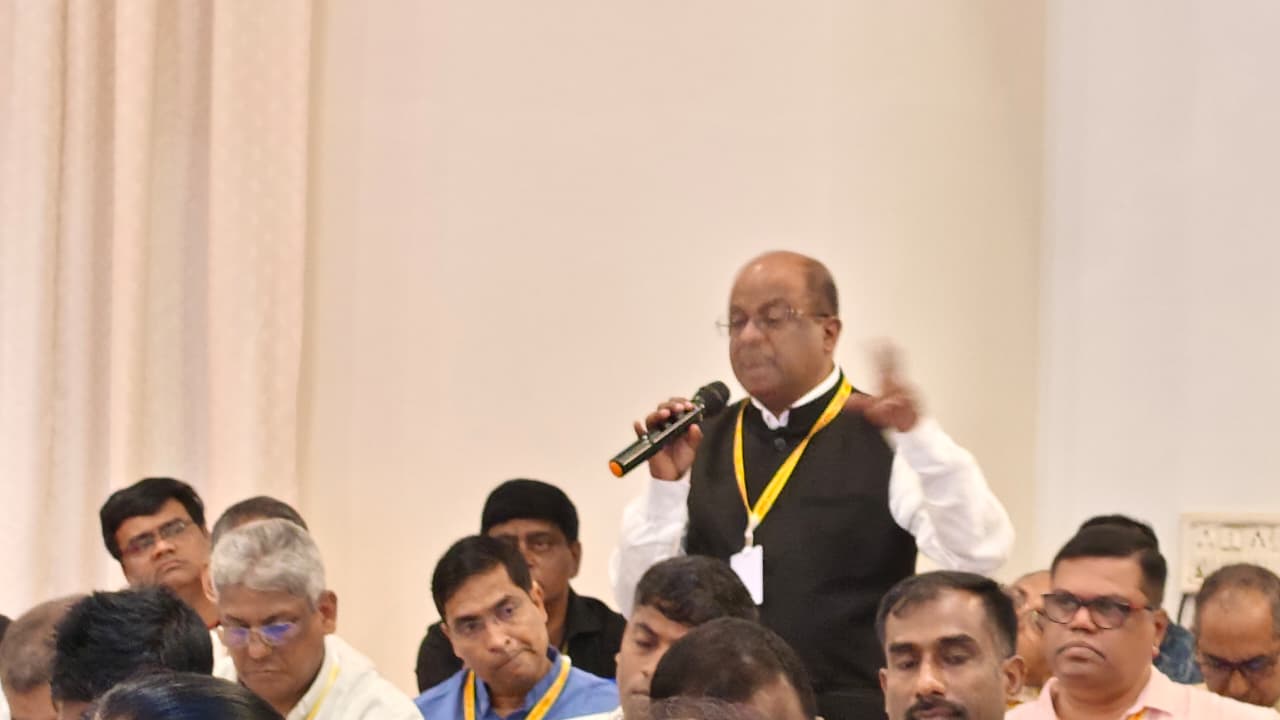
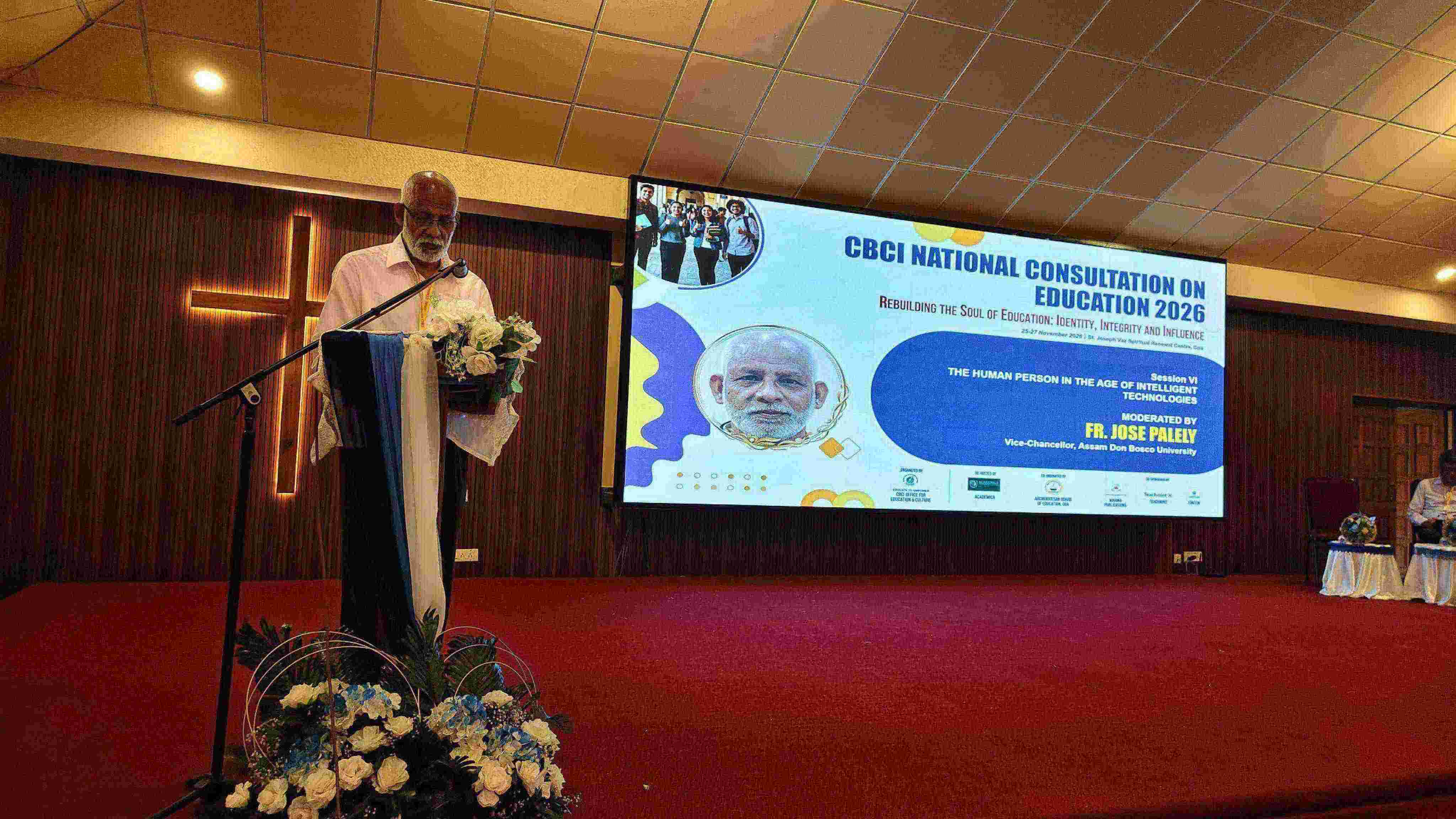
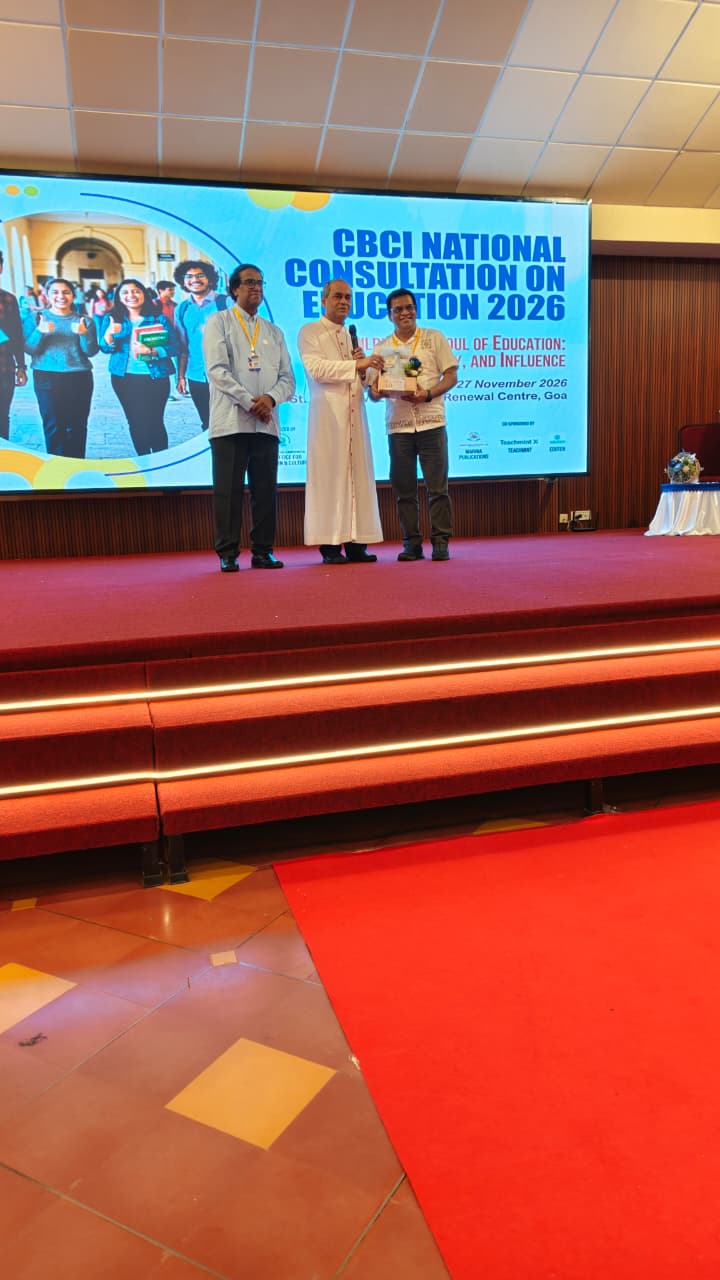
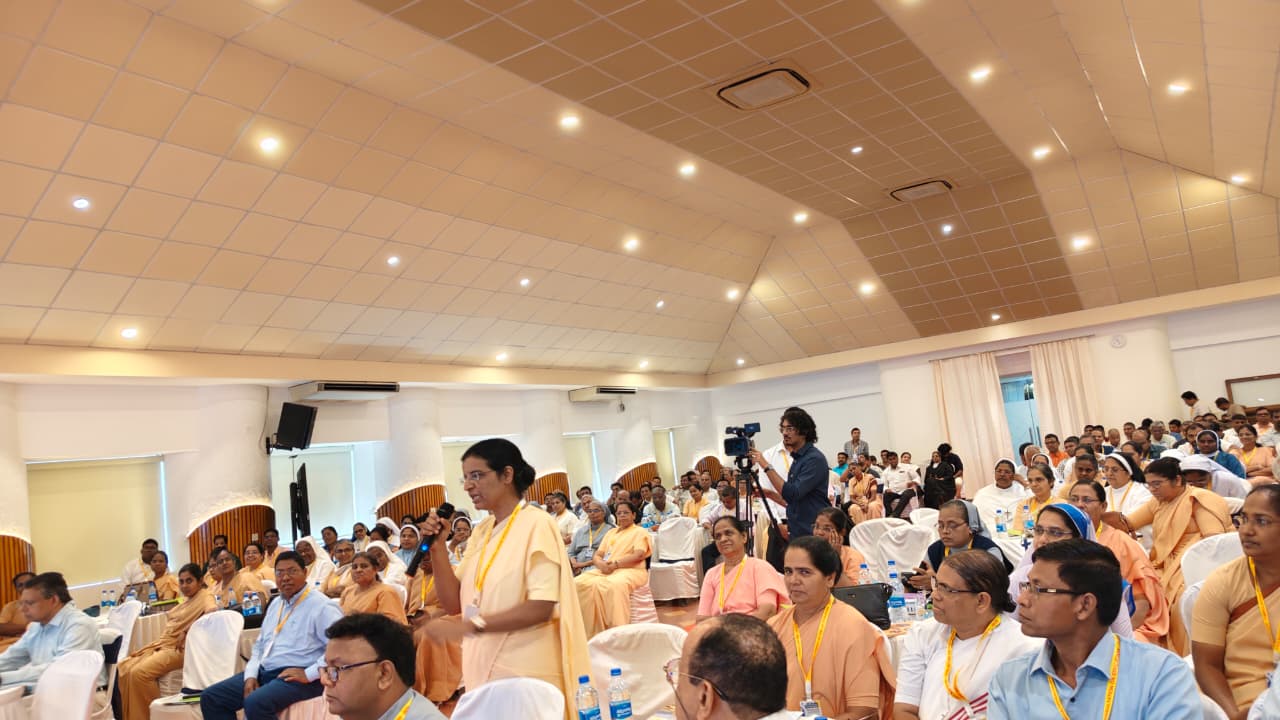
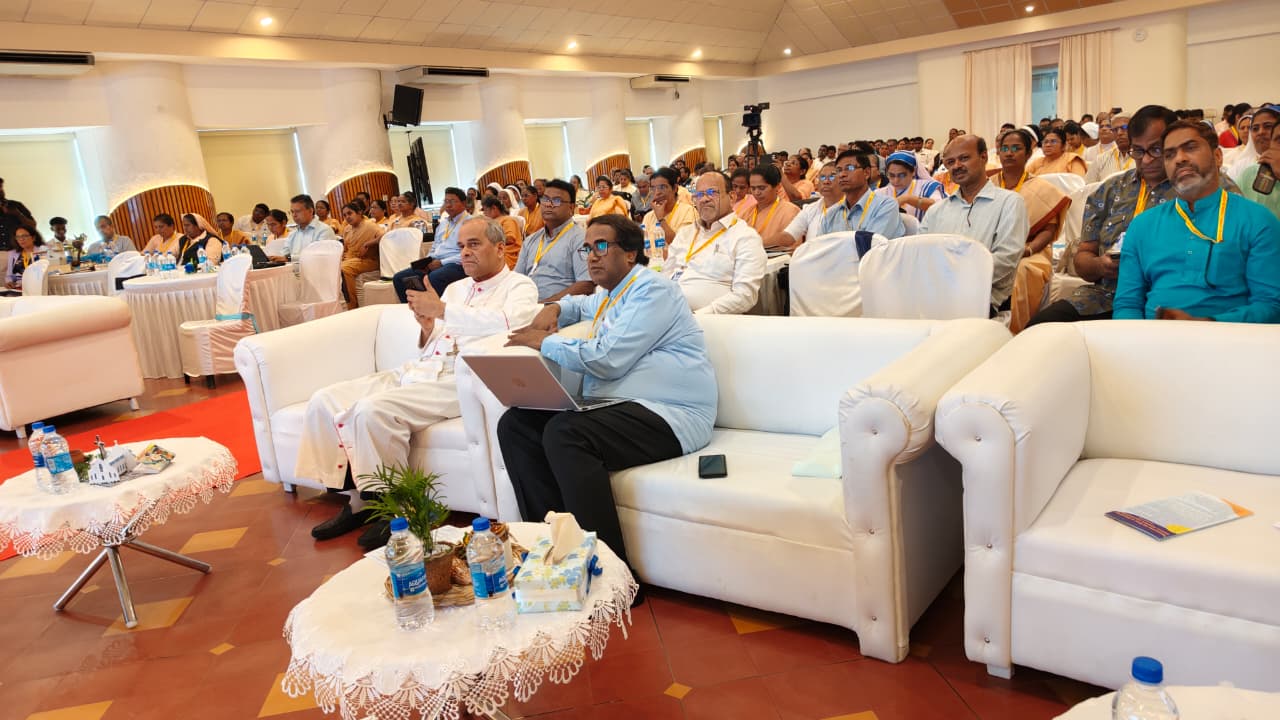
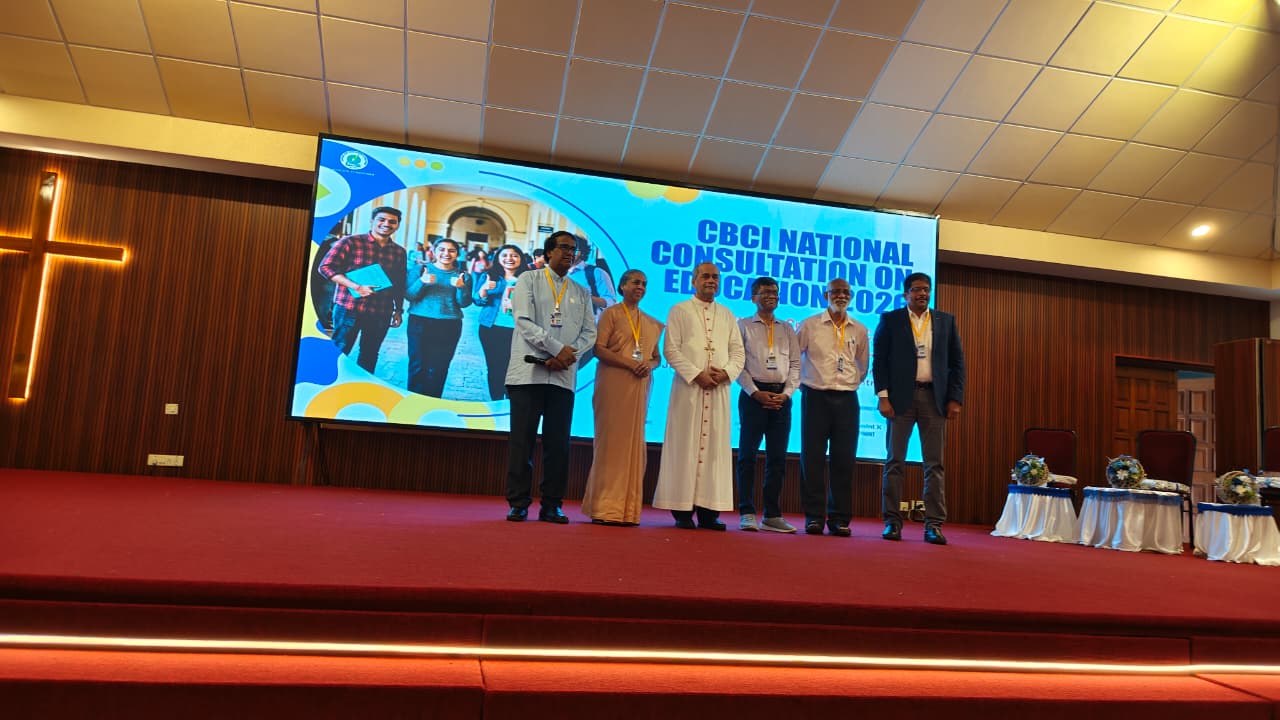
OLD GOA, November 27, 2026: Catholic educational institutions must integrate Artificial Intelligence (AI) into teaching and learning without compromising human dignity, critical thinking, moral responsibility and personal relationships, experts said at a national consultation on education in Old Goa.


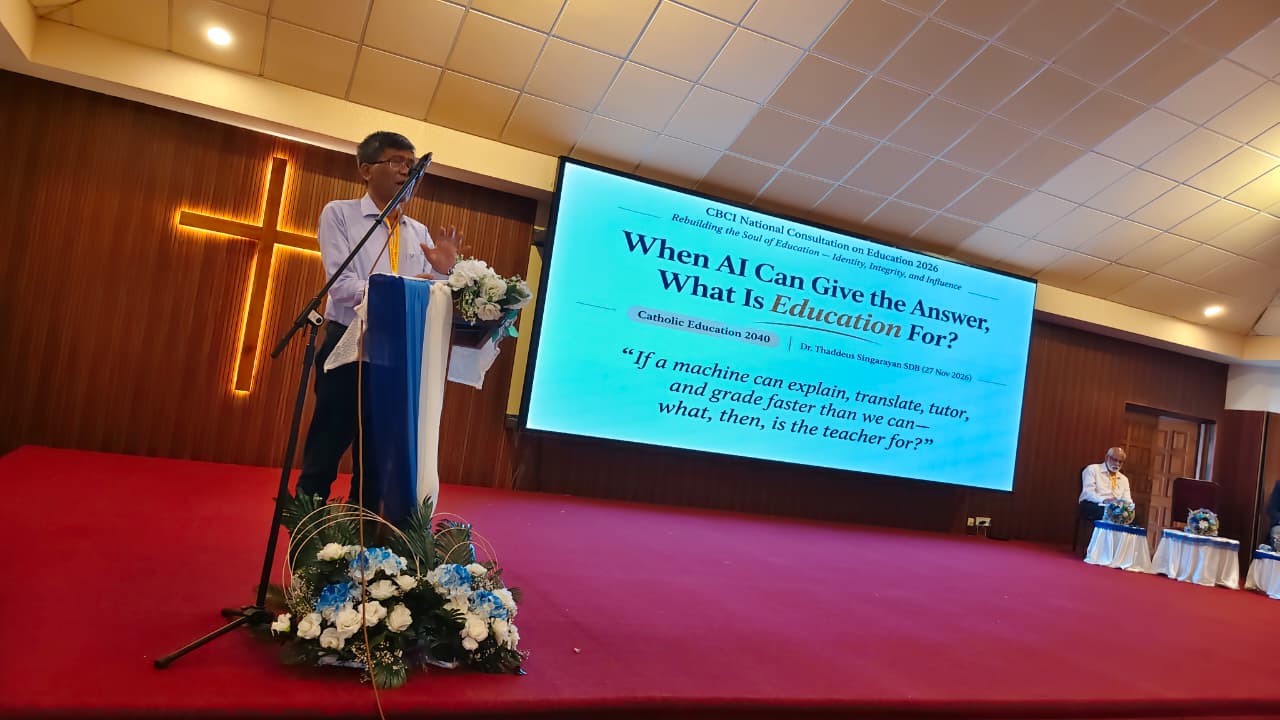
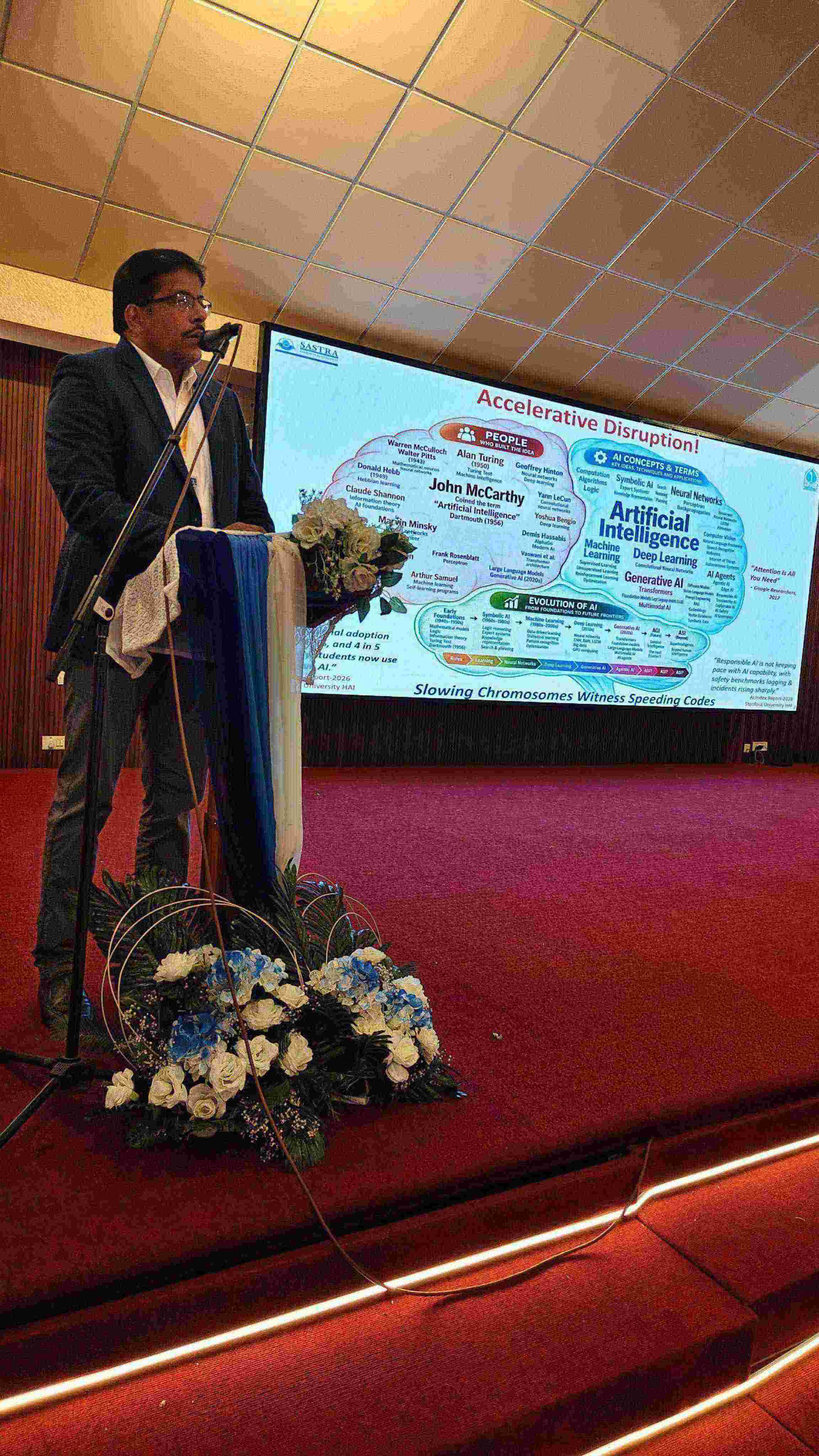
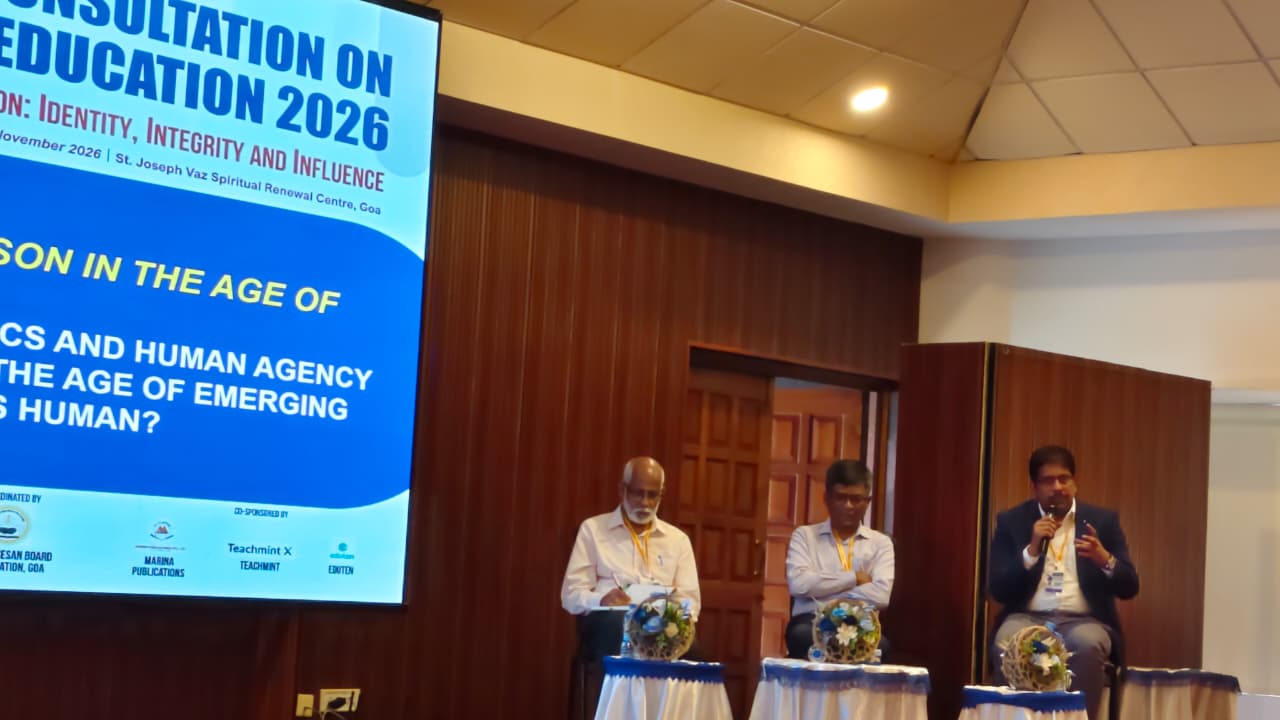
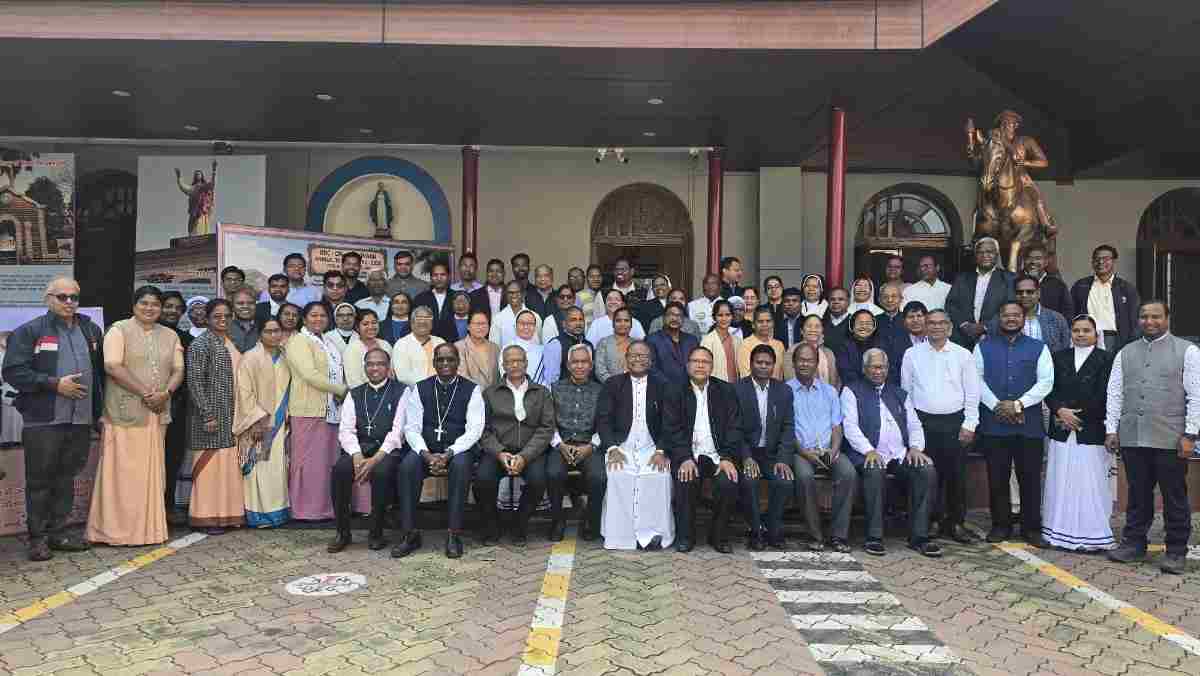
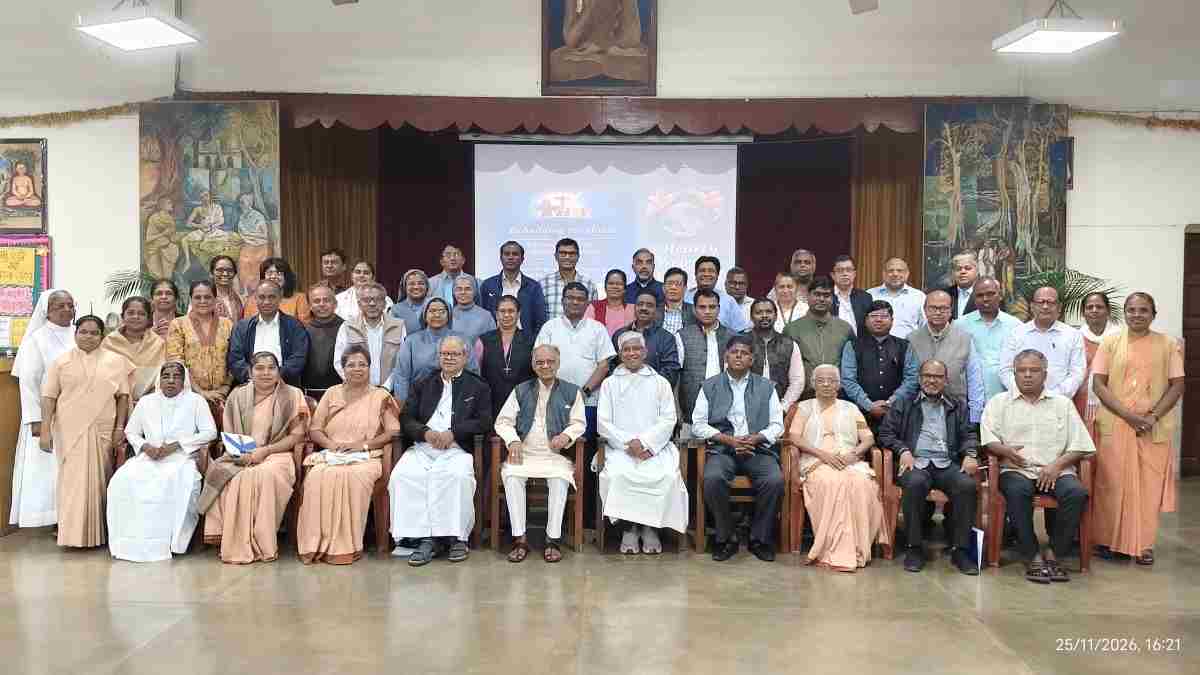
The discussion, titled “Educating the Human Person in the Age of Intelligent Technologies”, was held on November 27, the third day of the CBCI Consultation on Education 2026 at St Joseph Vaz Spiritual Renewal Centre. It featured John Bosco Balaguru Rayappan of SASTRA Deemed University, Thanjavur, and Dr Gregory Thaddeus SDB, CEO of Boscosoft, Yelagiri. Fr Jose Palely, Vice Chancellor of Assam Don Bosco University, moderated the session.
Speaking on “Artificial Intelligence, Ethics and Human Agency”, Rayappan cautioned that excessive dependence on AI could weaken students’ attention, memory, reasoning and capacity for independent judgement.
He called for international cooperation and common ethical standards to address the concentration of AI technology in the hands of a few countries and corporations. Drawing on biblical texts, including Acts 15, Acts 19 and Exodus 18, as well as Tamil literary works such as Purananuru, Tolkappiyam and Thirukkural, he highlighted the need for collective discernment, responsible innovation and decentralised leadership.
Rayappan proposed establishing an AI research centre under the Indian Catholic Church, modelled on the hub-and-spoke structure of the Vatican Observatory. The centre would link Catholic educational institutions, promote collaborative research and develop AI models drawing on biblical teachings and Indian literary traditions.
He also recommended training 1,000 teachers in AI literacy and setting up institutional committees to oversee the ethical use of the technology.
Addressing the question of what remains human in education amid emerging technologies, Dr Thaddeus said AI should transform teaching practices rather than replace teachers.
“Performance is not learning,” he said, warning that students could use AI to produce better results without developing a deeper understanding of the subjects they study.
He urged teachers to train students to question, evaluate and verify AI-generated information rather than accept it uncritically.
Advocating a blended approach to learning, Dr Thaddeus said technology-assisted individual learning should complement classroom interaction, dialogue and collaboration. Teachers, he said, must increasingly assume the role of mentors who foster character, moral awareness and meaningful human relationships.
He also proposed a colour-coded framework for regulating AI use in educational institutions, classifying applications as green, yellow and red. The categories would distinguish permitted uses, activities requiring human verification and tasks in which AI should not be used, particularly counselling and spiritual accompaniment.
Both speakers emphasised that technology must remain at the service of humanity. They called for continuous teacher training, changes in assessment practices and equitable access to AI tools, particularly for rural and mission schools.
They said Catholic education must prepare young people to engage critically with emerging technologies while developing compassion, creativity, wisdom and moral responsibility, with human dignity and the common good remaining central to the educational mission.
Courtesy : Br. Malvino Alfonso OCD



© 2026 CATHOLIC CONNECT POWERED BY ATCONLINE LLP