- 31 July, 2026

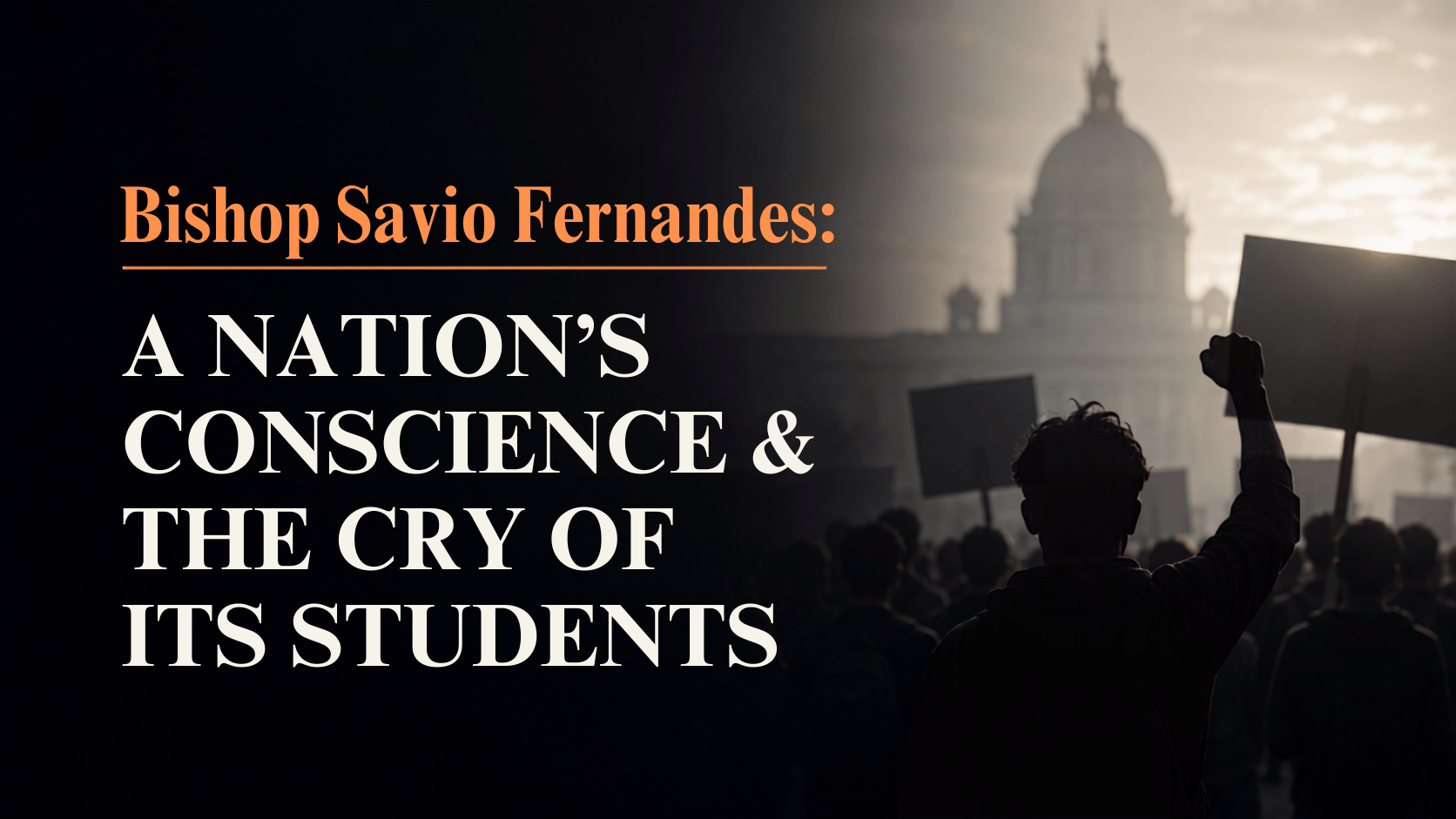
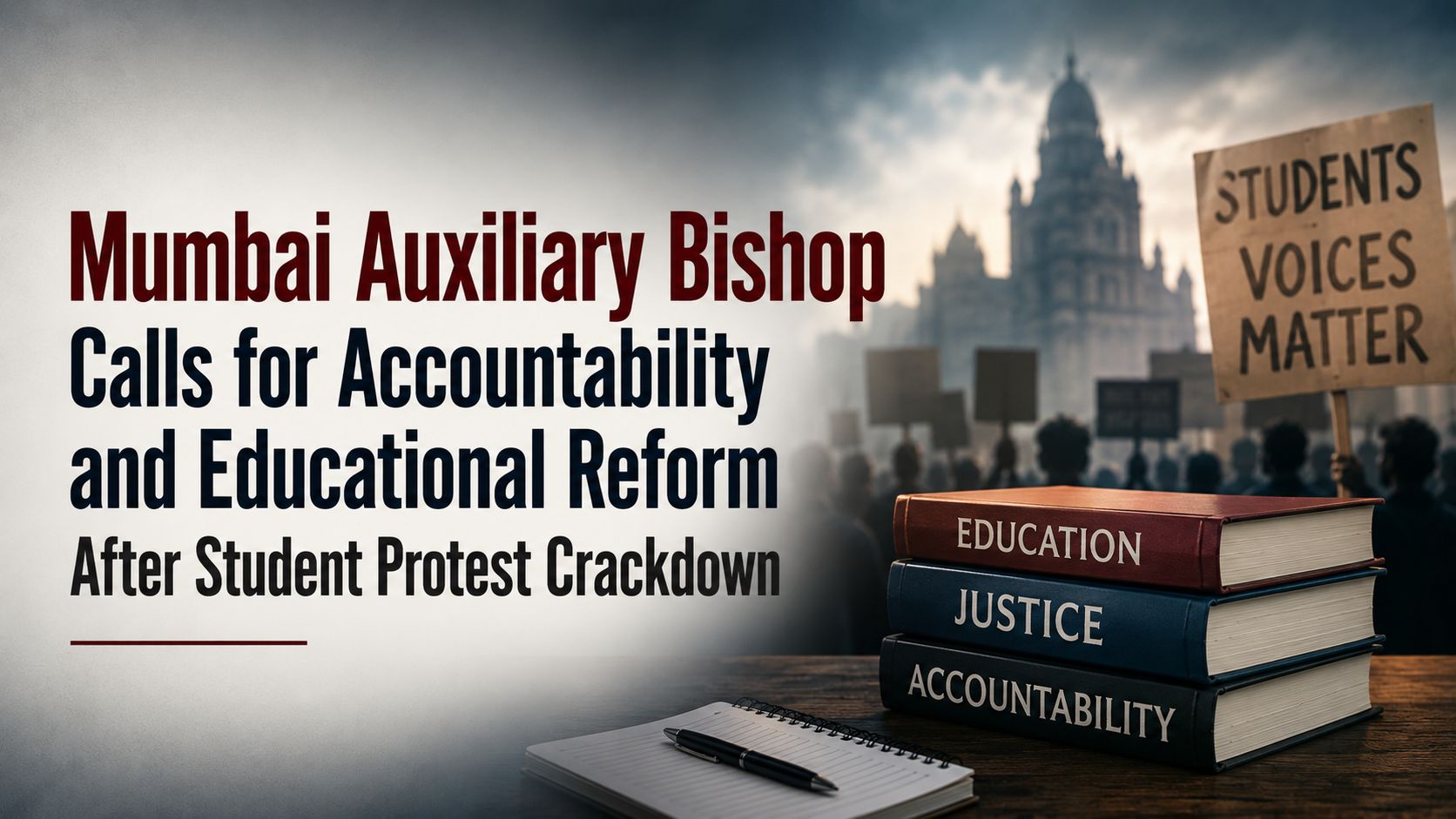
July 31, 2026: The conscience of our nation has been stirred by the distressing scenes witnessed at Jantar Mantar. Across the country, people watched with anguish as students, peacefully protesting against repeated examination irregularities and paper leaks, were confronted by police action.


The images of young people being lathi-charged, tear-gassed and injured have deeply troubled many citizens. Whatever one's political persuasion, it is painful to witness students exercising their democratic right to peaceful protest being subjected to such treatment.
Reports, eyewitness accounts and widely circulated videos suggest that the overwhelming majority of the protesters remained peaceful. They raised slogans, carried placards and used humour and satire to express their frustration with an examination system they believe has repeatedly failed them. There have also been reports of attempts by some individuals to provoke violence. Even so, the restraint shown by most of the students deserves recognition.


A democratic government has both the right and the responsibility to maintain law and order. However, that responsibility must always be exercised with restraint, proportionality and respect for the dignity of every citizen.
Serious questions have been raised regarding the alleged use of excessive force, including lathi-charge, tear gas and pellet guns. The Supreme Court has directed that all relevant records be preserved and has reiterated that pellet guns are to be used only in exceptional circumstances. These developments reinforce the need for an impartial, transparent and credible inquiry into the events at Jantar Mantar.
If such an inquiry establishes that excessive or unlawful force was used against peaceful protesters, accountability must extend beyond those who carried out the orders to those who authorised them. Accountability is not an act of political vengeance; it is a fundamental requirement of the rule of law. Public office carries public responsibility.
The resignation of the Union Education Minister is a significant political development. Yet one resignation alone cannot address the deeper crisis that has eroded the confidence of students and parents in the integrity of the examination system.
The students were protesting not merely because of one examination, but because recurring paper leaks have created a growing sense of insecurity among millions of young people. Years of hard work and sacrifice should never be undermined by failures in the system. Their demand is simple and reasonable: transparency, accountability and meaningful reform so that merit, not manipulation, determines success.
Parliament has strengthened the legal framework against examination malpractices by prescribing stricter penalties for those involved in organised cheating and paper leaks. Strong punishment has its place. Those who destroy the dreams of students deserve to face the consequences of their actions. Yet punishment alone is not enough. Greater attention must be given to prevention through secure examination systems, stronger technological safeguards, institutional accountability and regular audits. Preventing paper leaks must become the cornerstone of reform.
Equally important is rebuilding trust between citizens and the government. Reports that peaceful protesters were assured they would face no adverse action, if accurate, require a clear explanation. Trust, once broken, is difficult to restore. Democratic institutions are strengthened when governments keep their promises, especially to young citizens who place their faith in them.
India's greatest strength lies in its young people. They are not adversaries of the State but its future doctors, engineers, teachers, scientists, entrepreneurs, public servants and leaders. When they raise legitimate concerns peacefully, they deserve to be heard with respect rather than met with suspicion or force.
This moment calls not for greater political polarisation but for collective introspection. It calls for an independent inquiry into the events at Jantar Mantar, accountability wherever wrongdoing is established, meaningful reforms to eliminate examination irregularities and sincere engagement with the concerns of students and their families.
As people of faith, we must also respond in prayer.
Let us pray for the students who were injured, that they may recover fully in body, mind and spirit. Let us pray for their parents and families who have endured anxiety and uncertainty. Let us pray for those entrusted with maintaining law and order, that they may always act with wisdom, compassion and restraint. Let us pray for our legislators, administrators and judges, that they may be guided by truth, justice and the common good.
Above all, let us pray that our nation will always remain a place where peaceful voices are heard with dignity, where differences are resolved through dialogue rather than force, where truth prevails over expediency, and where every child can pursue education with hope instead of fear.
Our children are not asking for privilege. They are asking for fairness. May 'We the People' never fail to listen.
Bishop Savio Fernandes
Auxiliary Bishop, Archdiocese of Bombay


© 2026 CATHOLIC CONNECT POWERED BY ATCONLINE LLP