- 16 November, 2026
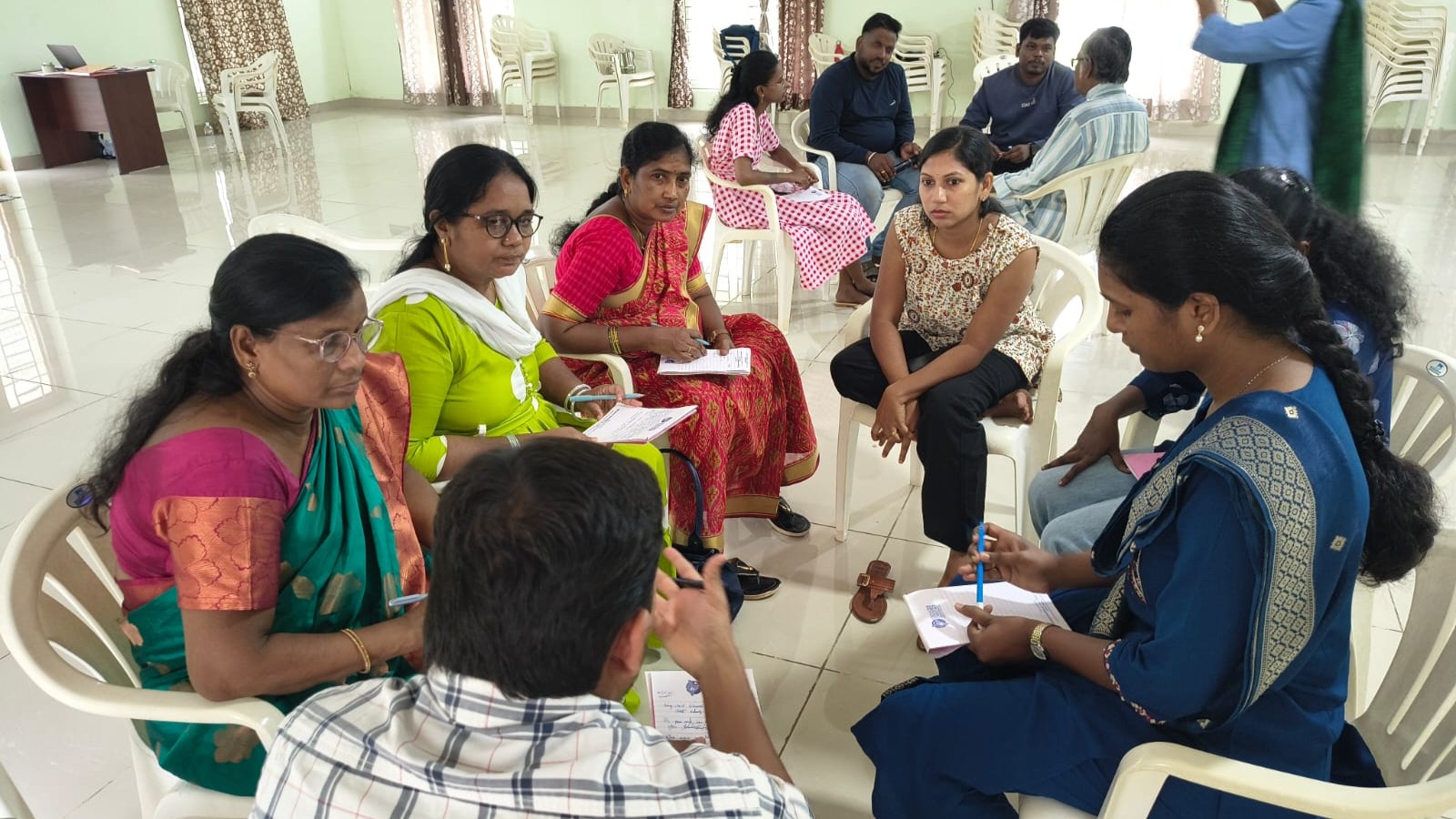
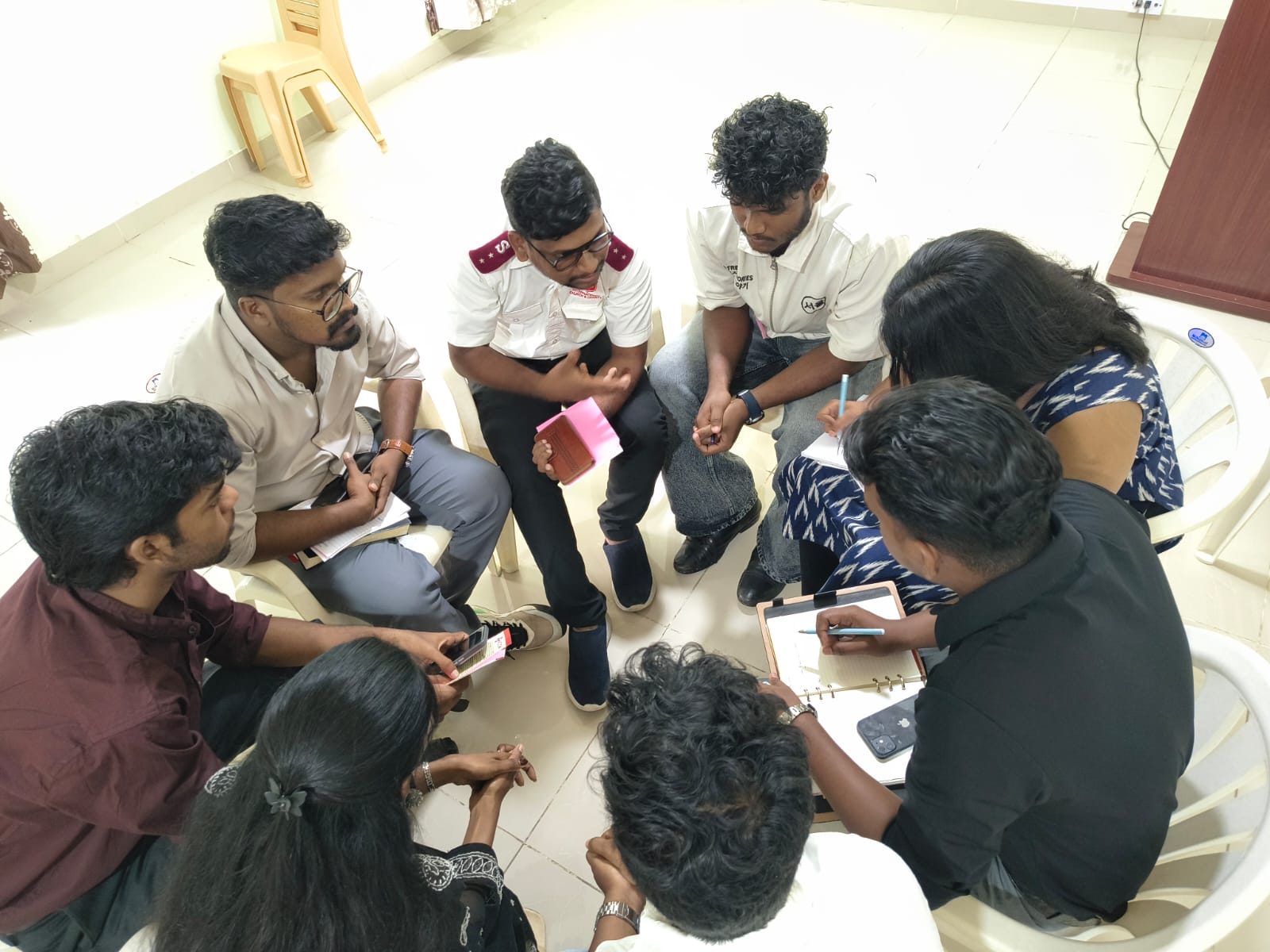
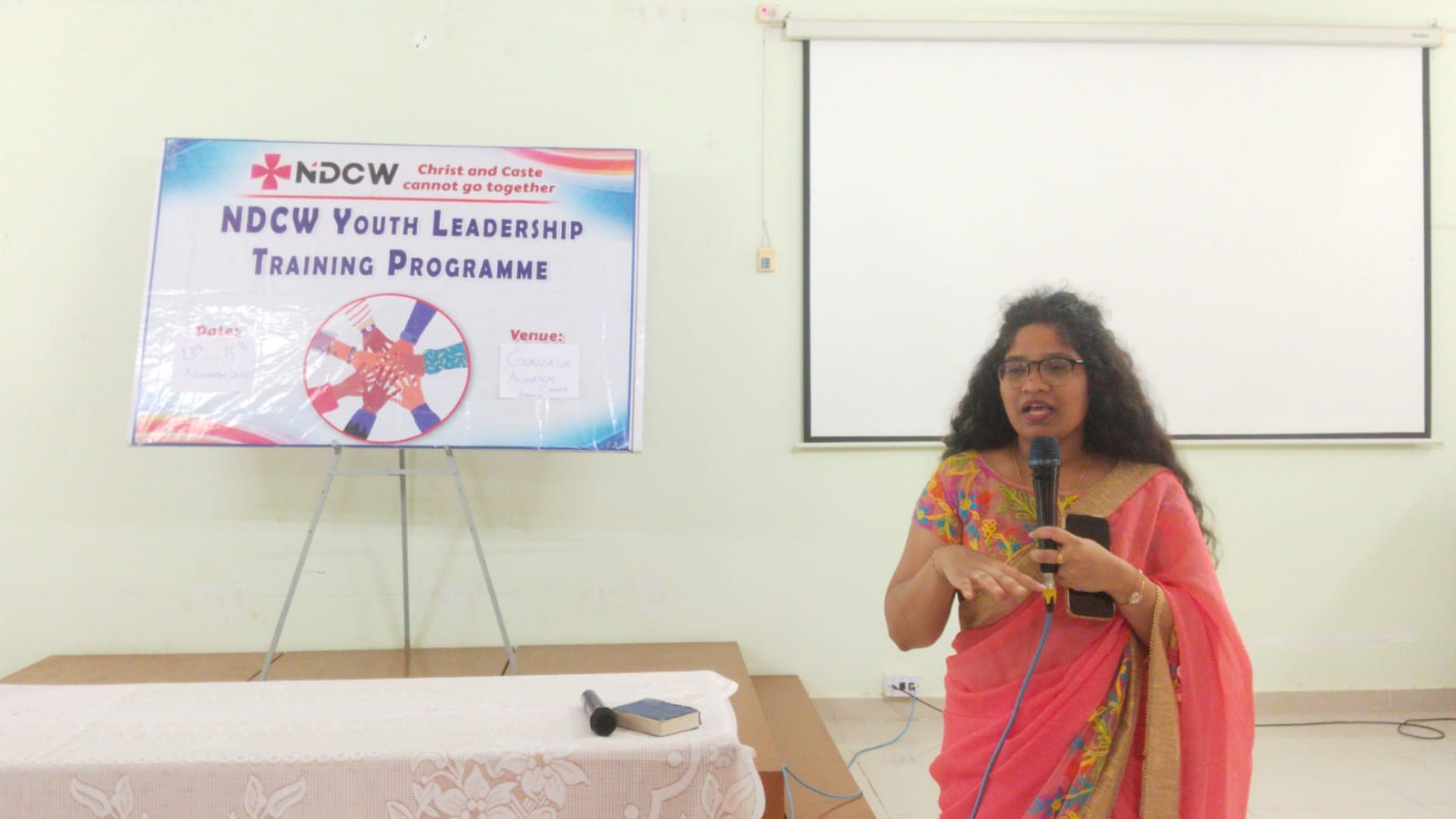
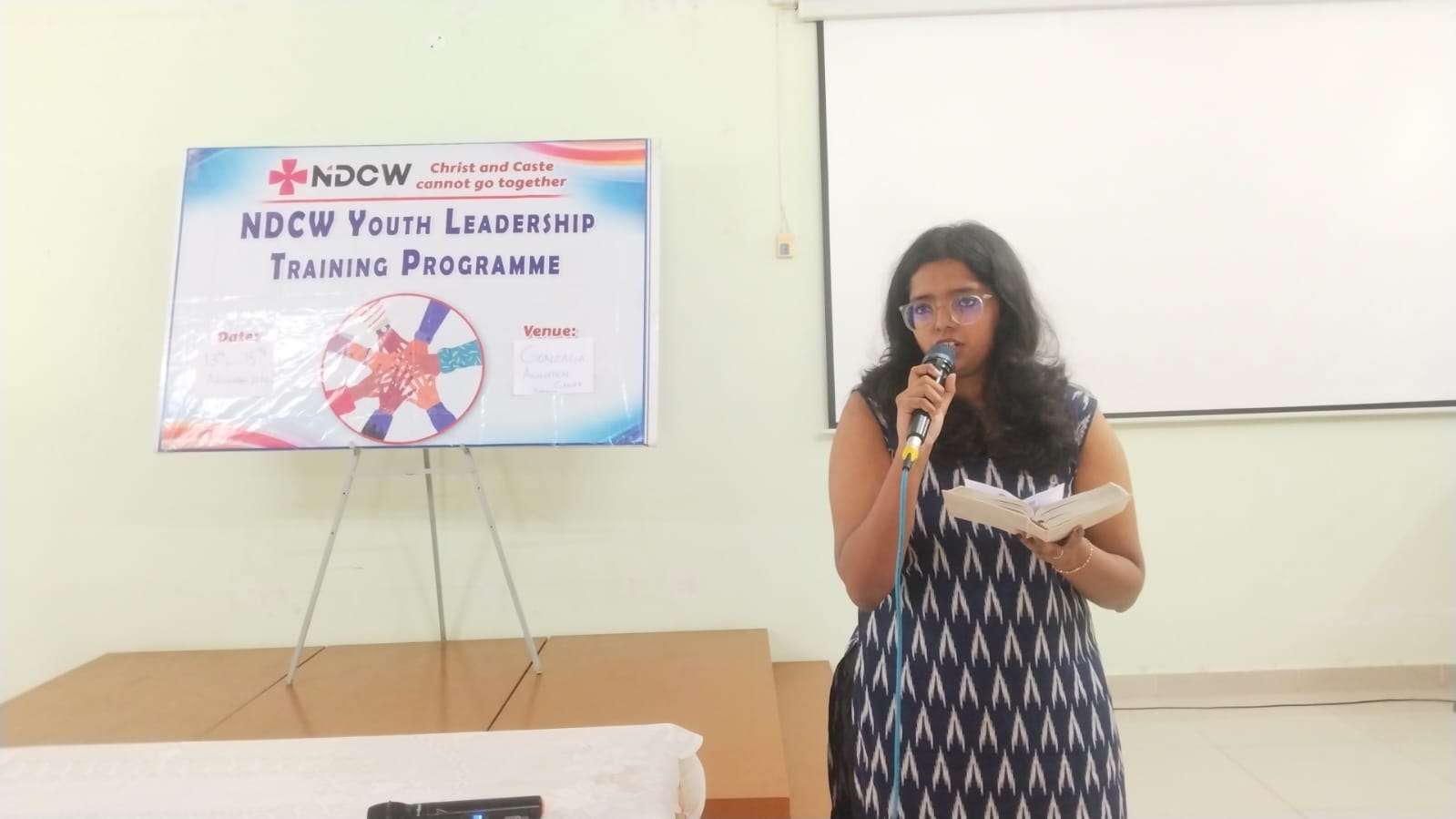
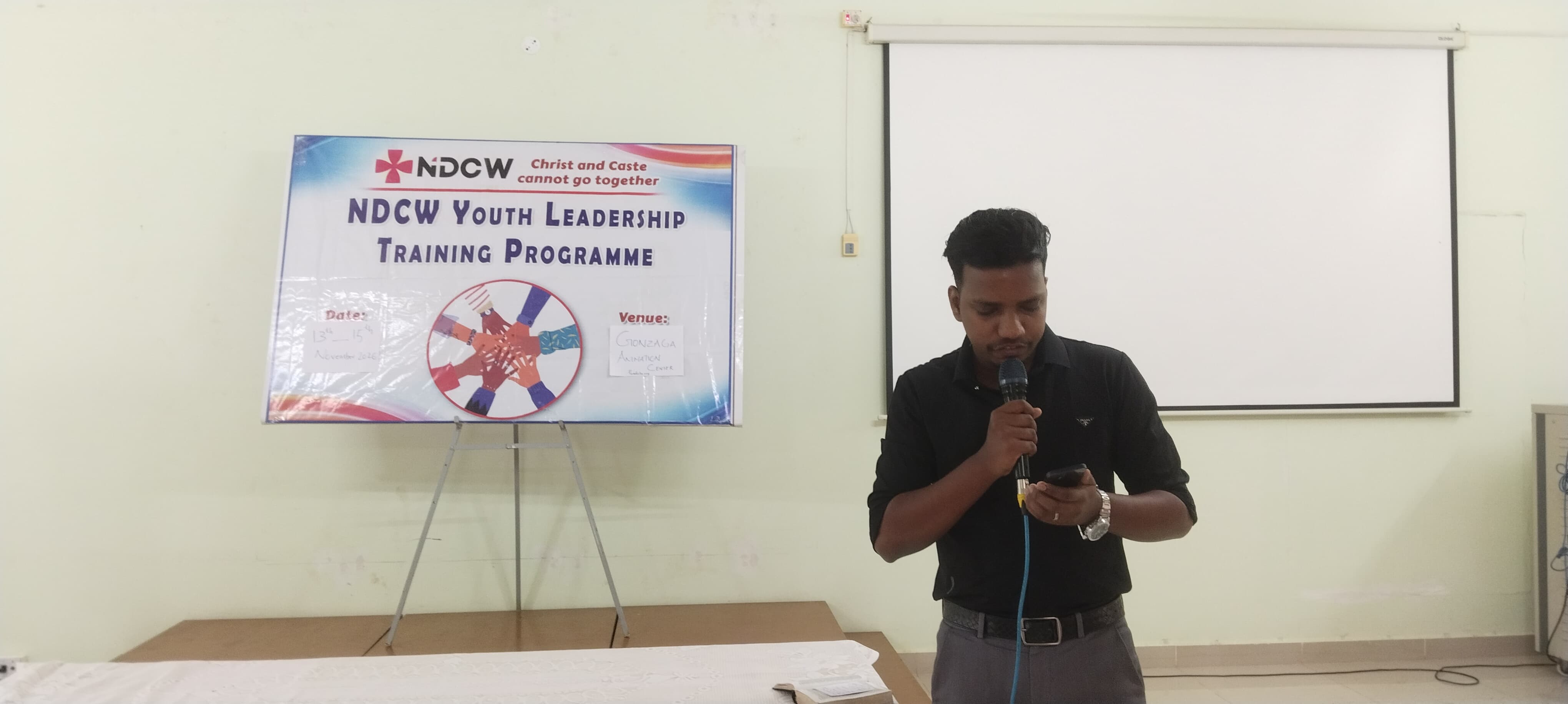
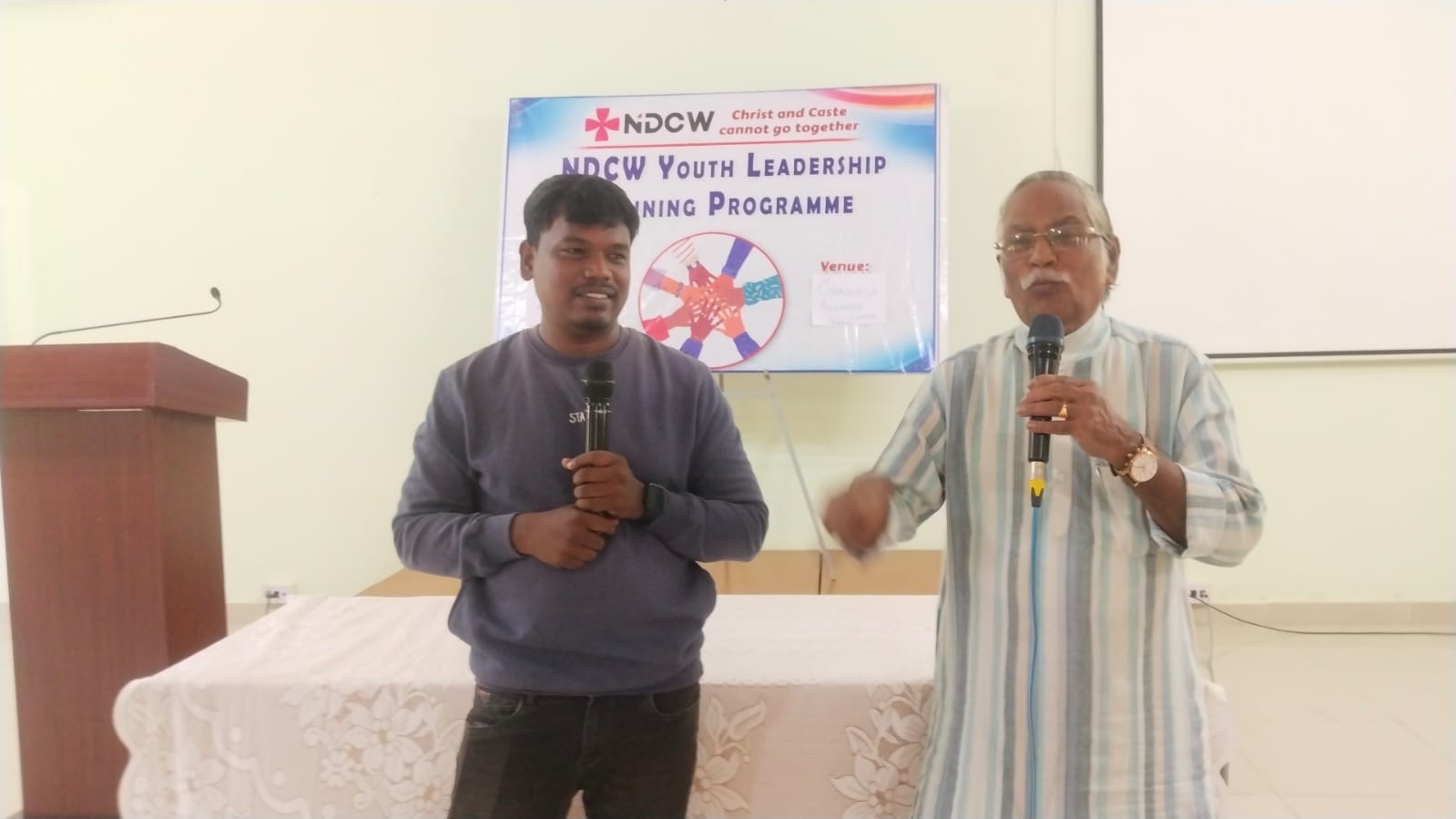
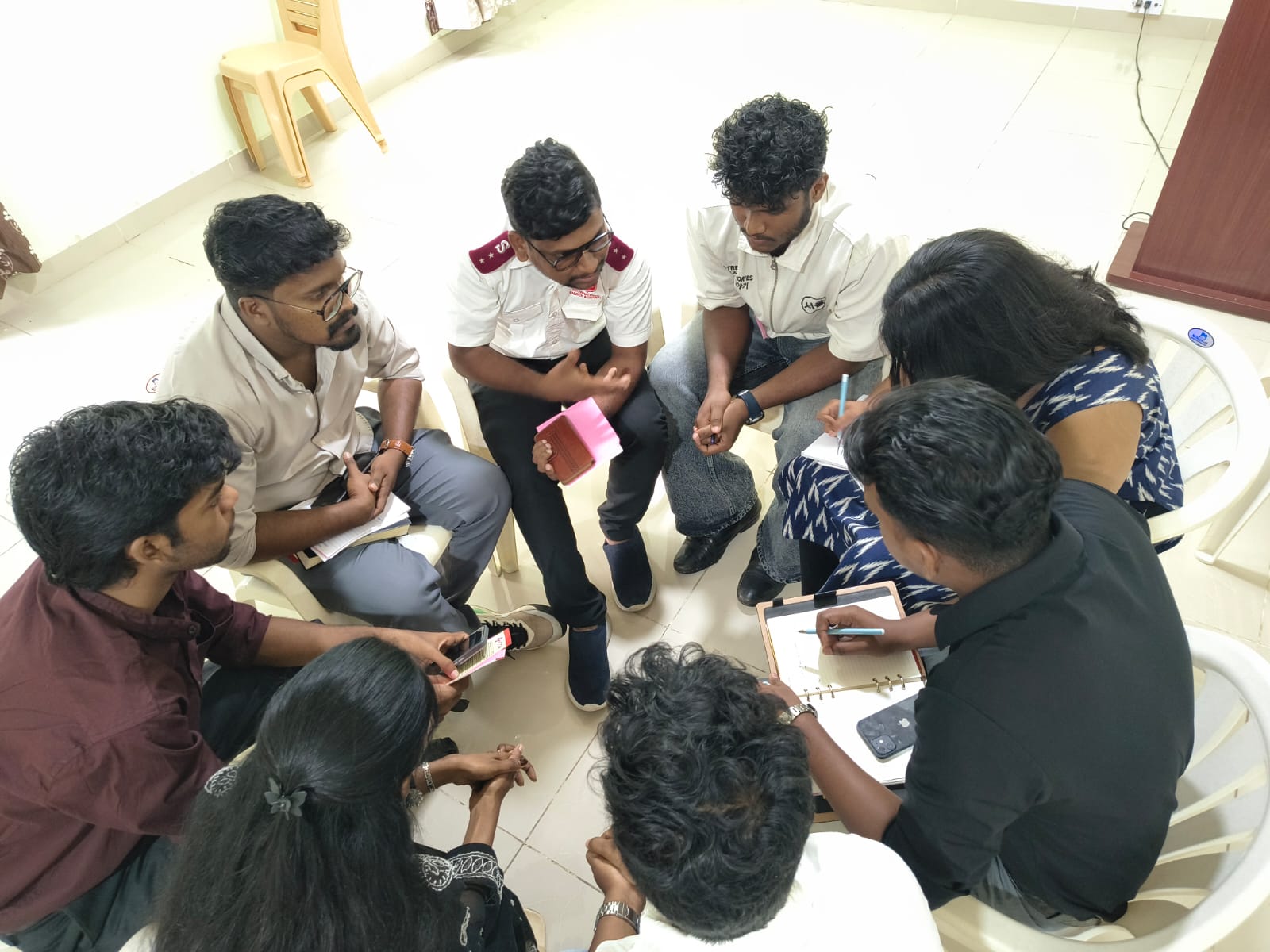
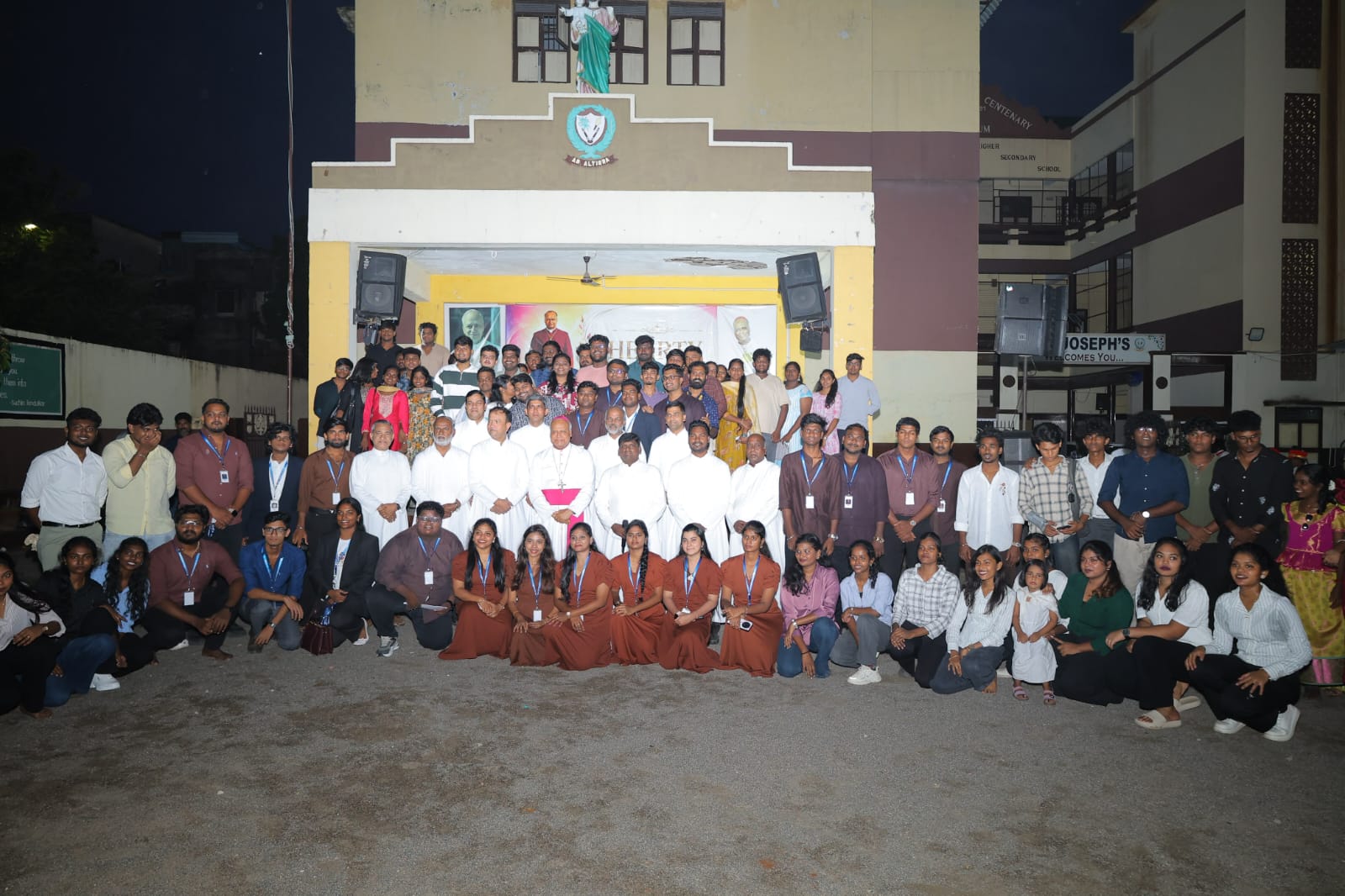
PONDICHERRY, November 16, 2026: Thirty-five young Dalit Christians from four southern states have pledged to challenge caste discrimination within churches and their communities, drawing up regional action plans to promote equality and representation.

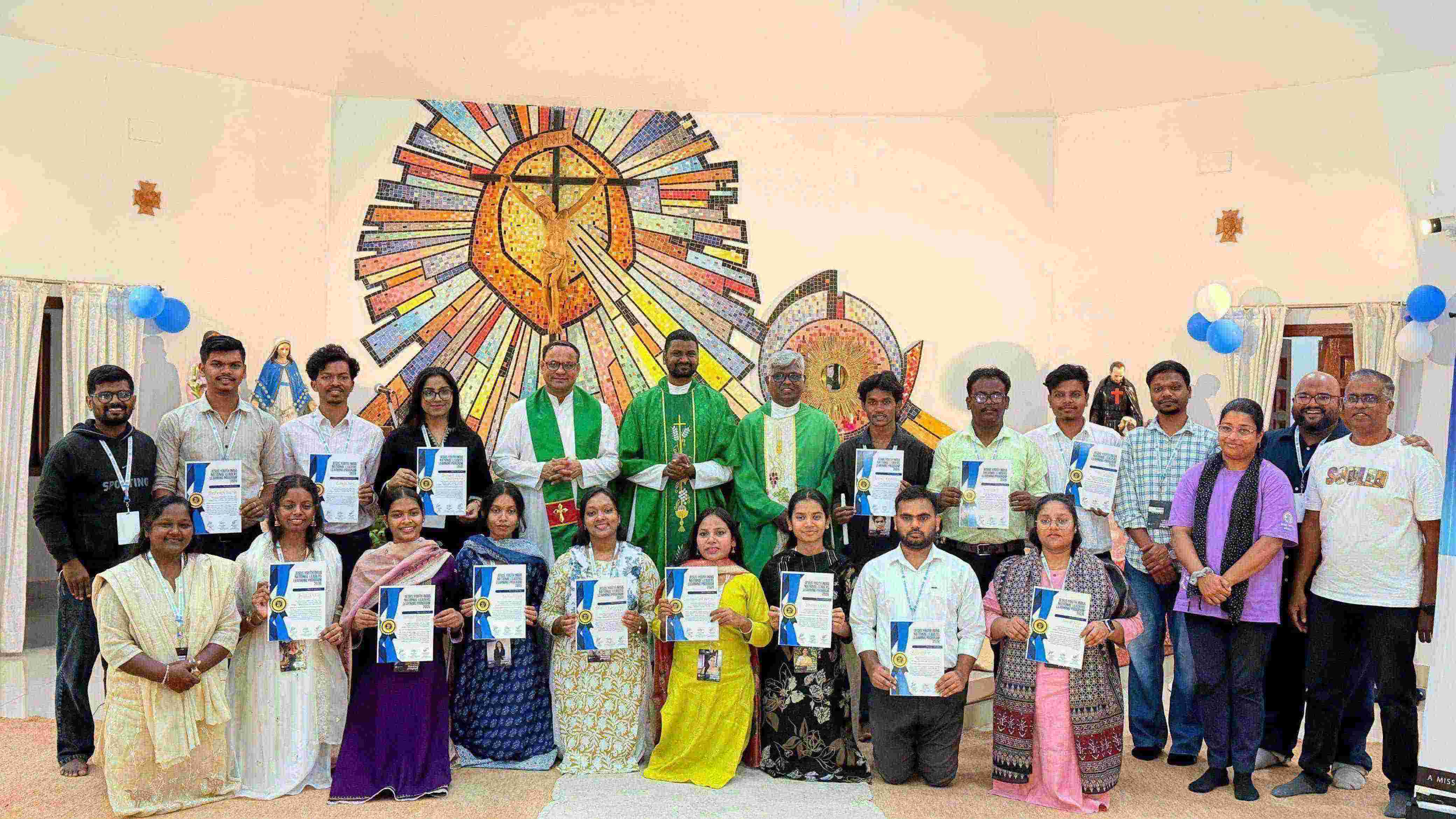
The commitments came at the conclusion of a three-day Youth Leadership Development Programme organised by the National Dalit Christian Watch (NDCW) at the Gonzaga Animation Centre in Pondicherry. Participants from Tamil Nadu, Kerala, Andhra Pradesh and Telangana, representing Catholic, Methodist, Baptist, Salvation Army and independent churches, presented action plans to be implemented by June 2027.
The proposed initiatives include forming diocesan-level youth units, establishing helplines, conducting awareness campaigns, strengthening online networks and advocating greater Dalit representation in Church bodies.
The Kerala group proposed engaging Salvation Army territorial leaders, surveying around 260 young people and building a network of more than 100 members. It also plans a state-level leadership programme and an All Kerala Salvation Army NDCW gathering at Kothamangalam.
Participants from Tamil Nadu pledged to approach the directors of youth and SC/ST commissions within three months, seek better educational opportunities for marginalised students and advocate at least two Dalit representatives on the core committees of diocesan commissions. They also proposed forming five-member NDCW units in every diocese and setting up a helpline.
The Andhra Pradesh group plans to conduct awareness programmes in educational institutions, villages and churches, promote inter-caste marriages and organise discussions on Dalit and constitutional rights. The Telangana participants proposed engaging pastors and youth leaders, promoting constitutional awareness among preachers and building a multilingual online network.
Addressing the participants, NDCW Chair Dr Richard Devadoss said caste discrimination continued in Catholic, CSI, CNI, Lutheran and independent churches. He identified four areas where discrimination persists: parish practices, institutional structures, Church governance and personal attitudes.
He cited practices such as separate cemeteries and seating arrangements, exclusion from religious processions and social gatherings, unequal access to scholarships and inadequate Dalit representation in Church decision-making bodies. Caste-based and patriarchal attitudes within families and communities also perpetuate discrimination, he said.
Dr Devadoss outlined NDCW's engagement with Church authorities through dialogue with bishops and committees, fact-finding initiatives, legal assistance and youth leadership development. He also highlighted the organisation's campaign for Scheduled Caste status for Dalit Christians.
Urging the young leaders to pursue achievable reforms, he stressed the need for increased educational scholarships and greater representation of Dalits, particularly women, in diocesan committees. He also called on parents to challenge gender stereotypes through their attitudes and upbringing of children.
Participants recounted experiences of caste discrimination within Church structures, including objections to a young woman's election to a diocesan body after her caste identity became known and the reported early termination of a young man's membership in a commission.
As a common commitment, participants agreed to ensure that every family had a copy of the Constitution in its local language. They also proposed publishing constitutional rights posters in multiple languages on NDCW's Instagram page and developing an online form to document cases of discrimination.
A booklet explaining constitutional rights, canon law and statements by the Pope and the World Council of Churches was distributed during the programme and will also be made available online.
NDCW announced plans for another leadership training programme, possibly in Kerala, with participation from Karnataka. Participants were also encouraged to contribute articles in different languages to the organisation's digital newsletter, Dalit Christian Digest.
The programme began on November 13 with sessions on NDCW's vision and the Church's Dalit Policy, led by Fr Dr Z. Devasagayaraj. He advocated legal action, public mobilisation and peaceful protests in the campaign for Scheduled Caste status for Dalit Christians.
On November 14, Advocate Selvi conducted a session on gender sensitivity, while Kavitha Gajendran addressed constitutional rights and the rights of minorities, women and Dalits.
During the closing session, Sonima thanked the organisers, resource persons and participants, including Dr Devadoss, General Secretary Sr Manju C. M., coordinator Sonima Jacob and the Gonzaga Animation Centre. Women representing the participating states led the closing prayer.
Dr Devadoss concluded the programme by reiterating NDCW's motto: "Christ and caste cannot go together."
Robert D. from Tamil Nadu said the programme helped participants understand the Constitution and the contribution of B. R. Ambedkar to securing the rights of oppressed communities. He said it had encouraged young people to work collectively for equality and dignity while examining their own attitudes and those prevalent in society.
By Abhishek Raja

© 2026 CATHOLIC CONNECT POWERED BY ATCONLINE LLP