- 31 October, 2026
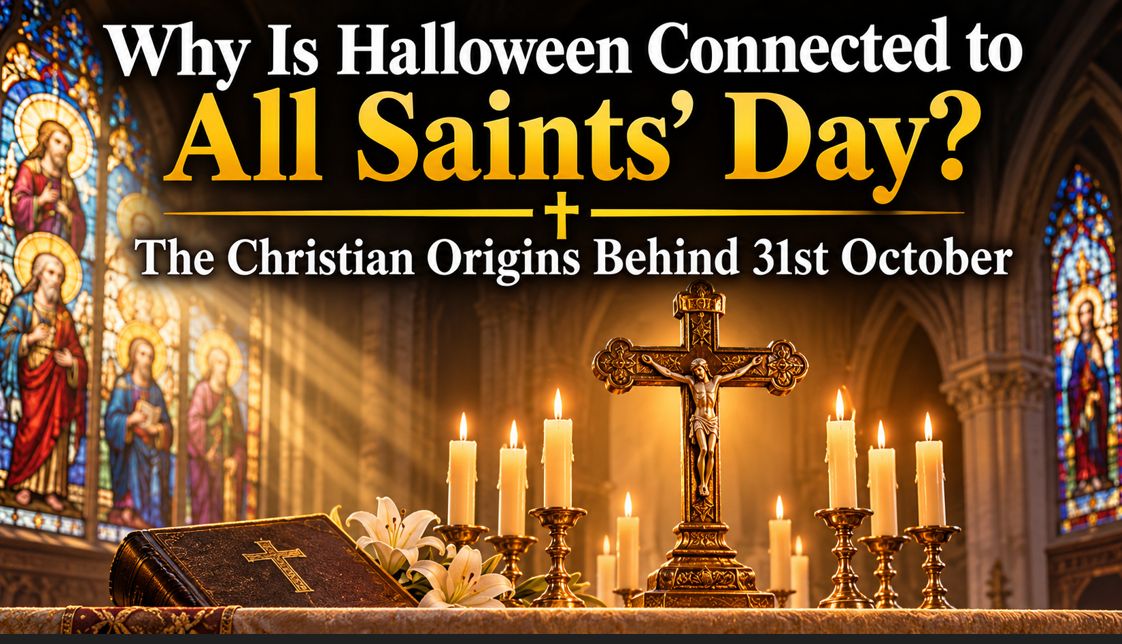
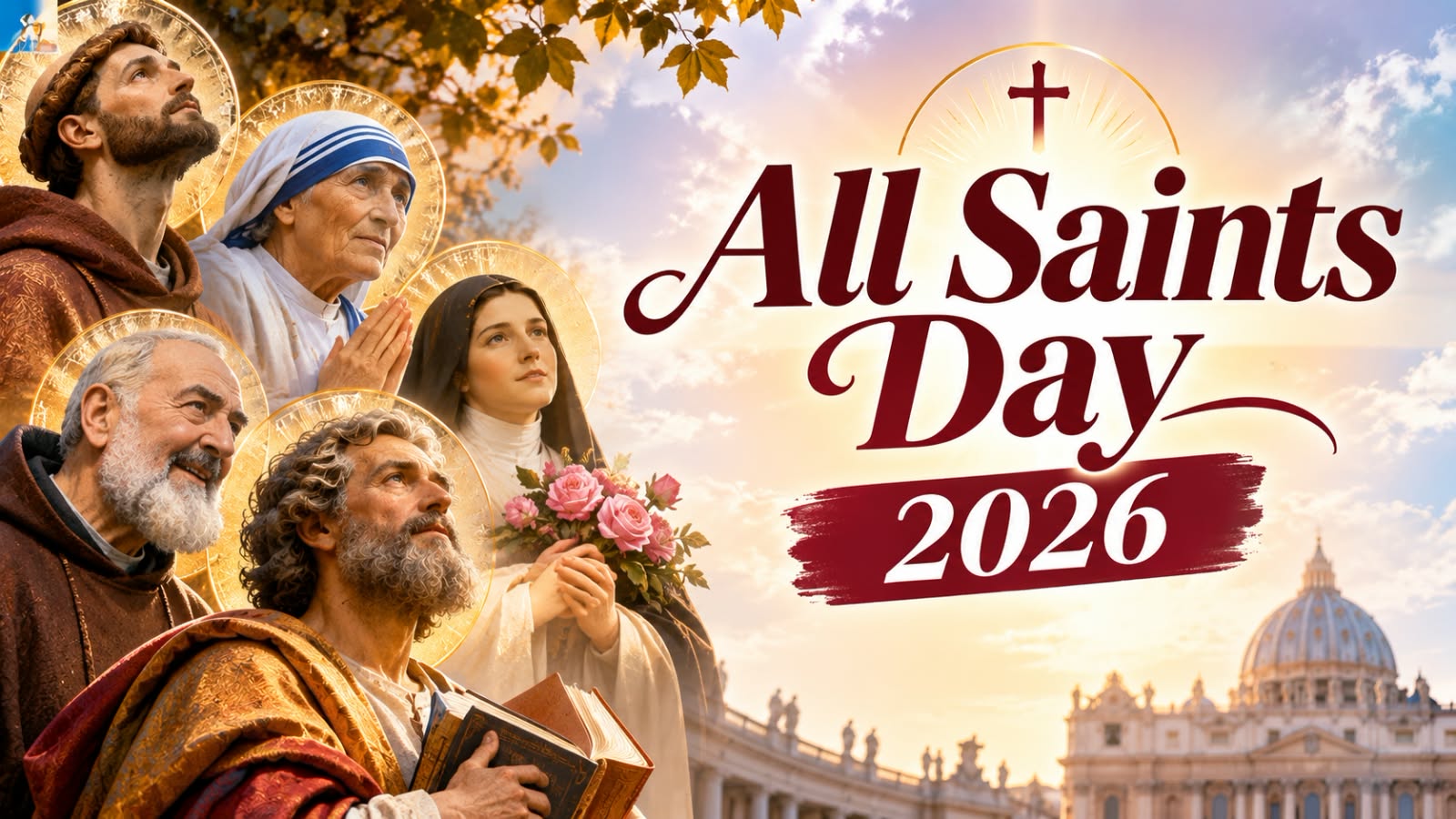
October 31, 2026: Every year on 31 October, people celebrate Halloween with costumes, carved pumpkins and trick-or-treating. Today, it is largely a secular cultural festival. Yet its name has Christian roots: Halloween derives from All Hallows’ Eve, the evening before All Saints’ Day, celebrated on 1 November in the Western Church.


The word hallow means a holy person or saint, while eve refers to the evening before a feast. All Saints’ Day honours all the saints in heaven, including those whose names are known only to God.
Although Halloween is now celebrated in many different ways, its name and date retain a historical connection to the Christian calendar. Understanding this connection also sheds light on the significance of All Saints’ Day and All Souls’ Day, two important observances in the Catholic Church.
The Christian practice of honouring saints developed over several centuries. Early Christians commemorated martyrs and other saints, and these observances gradually developed into broader celebrations honouring all the saints.
In 609 or 610, Pope Boniface IV dedicated the Pantheon in Rome to the Blessed Virgin Mary and all the martyrs, establishing an annual commemoration associated with the dedication. Later, Pope Gregory III fixed a celebration of all saints on 1 November at Rome in the eighth century. Pope Gregory IV subsequently extended the observance to the whole Church.
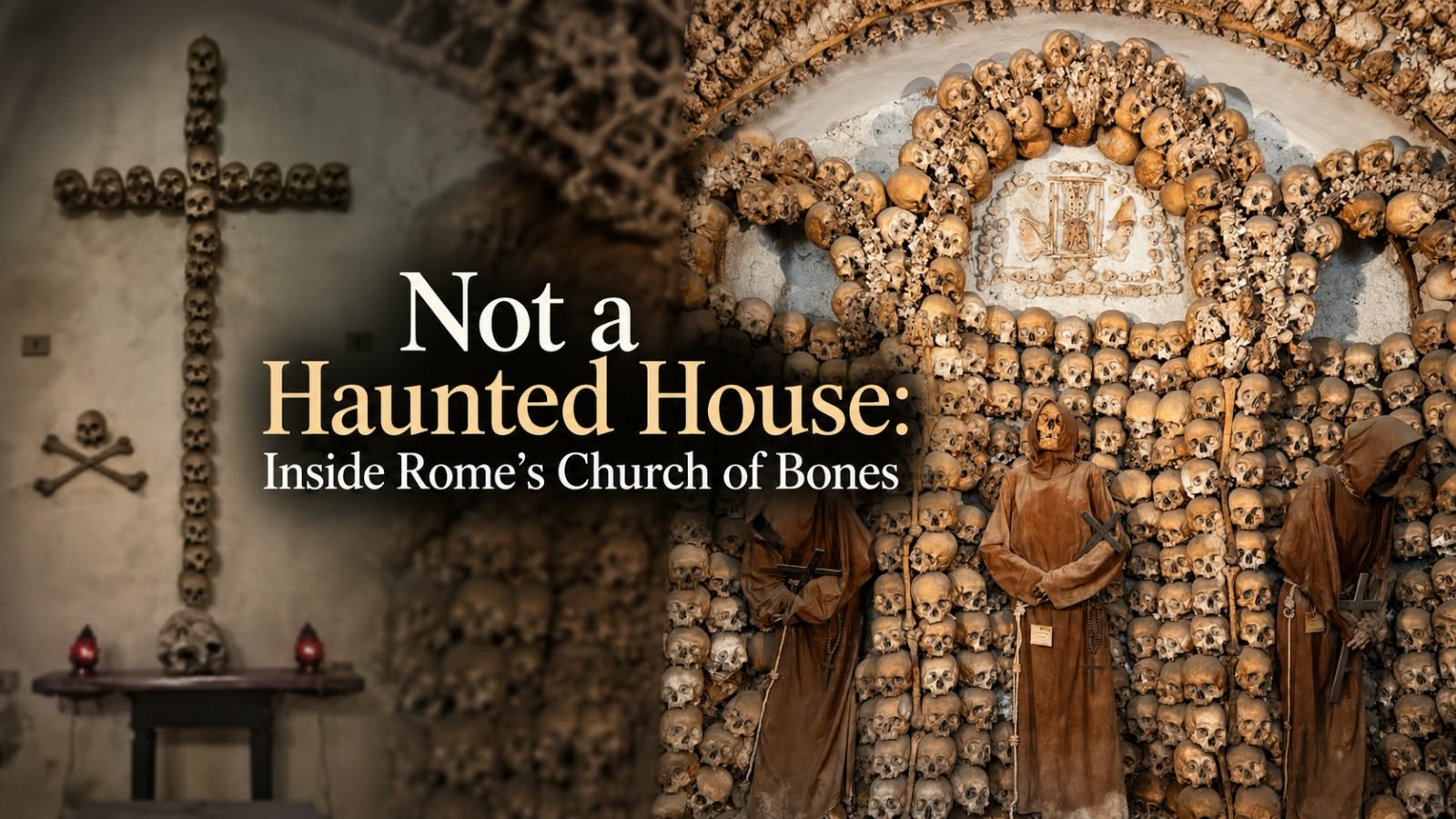
The following day, All Souls’ Day, on 2 November, is dedicated to remembering and praying for the faithful departed.
In Catholic teaching, death does not end the spiritual bond between the faithful. The Church teaches that those who die in God's grace but are not yet fully purified undergo purification after death, known as Purgatory, before entering the fullness of heaven. This purification is not a second chance at salvation but the final purification of those who die in God's friendship.
The Catholic Church also teaches that the prayers and other spiritual offerings of the faithful can assist those undergoing this purification. All Souls’ Day therefore provides a particular opportunity to pray for the departed, without assuming that every deceased person is in Purgatory.
All Saints’ Day, All Souls’ Day and All Hallows’ Eve are often collectively described as Allhallowtide. The term refers to these closely associated observances; it does not mean that Halloween itself is a Catholic solemnity or that Allhallowtide constitutes a separate official liturgical season.
Together, these observances express the Catholic belief in the communion of saints: the spiritual unity of the faithful on earth, those undergoing purification after death and the saints in heaven. United in Christ, they remain part of the one Church, and death does not destroy this communion.
For Catholics, these days are not celebrations of death for its own sake. They point towards Christ’s victory over sin and death and the Christian hope of resurrection and eternal life.
Halloween’s history is also associated with Samhain, an ancient Gaelic seasonal festival marking the transition from harvest to winter. Historical accounts and folklore connect Samhain with seasonal celebrations, bonfires and beliefs about the supernatural.
However, the relationship between Samhain and Halloween is complex. Although older seasonal customs may have influenced Halloween’s development, the precise origins of individual traditions remain a subject of historical discussion.
It would therefore be misleading to claim that every modern Halloween custom originated in Samhain or that the Church simply created All Saints’ Day to replace a pagan festival. The Christian observance of all saints developed through earlier commemorations of martyrs and other saints, and its history cannot be reduced to a straightforward attempt to replace a single seasonal celebration.
Over the centuries, Christian observances, regional folklore and seasonal customs interacted in different ways, helping shape the traditions associated with 31 October.
It is important, therefore, to distinguish Halloween’s Christian name and association with All Saints’ Day from the more complicated history of its customs. A connection in name or date does not mean that every modern Halloween tradition originated in Christian worship.
Halloween developed into its modern form through a mixture of regional customs, migration and popular culture.
During the nineteenth century, Irish and Scottish immigrants brought traditions associated with the season to North America. There, these practices interacted with local customs and popular festivities, contributing to the development of Halloween as it is celebrated today.
Historical customs associated with the season included guising, in which people dressed up and visited homes, sometimes performing in exchange for food or treats. Another practice, known as souling, involved people going from house to house in connection with prayers for the dead. Both are often discussed in accounts of the background to modern trick-or-treating, although the precise relationships between these customs and contemporary Halloween traditions are complex.
Carved lanterns also became associated with Halloween. In parts of Europe, people carved turnips and other root vegetables, while pumpkins became increasingly popular in North America because they were widely available and easier to carve.
During the twentieth century, Halloween increasingly developed into a family-centred cultural event, shaped by costumes, sweets, neighbourhood activities, entertainment and popular horror stories.
As these traditions evolved, Halloween acquired meanings that extended well beyond its historical association with All Hallows’ Eve. Today, many people participate for entertainment, community celebrations and family activities without attaching religious significance to the occasion.
Its development illustrates how cultural traditions can change over time as different communities adapt and reinterpret them.
Today, many people celebrate Halloween without religious intentions, while some Christians use 31 October as an opportunity to prepare for All Saints’ Day.
Halloween remains connected to All Saints’ Day through its name, date and historical background, even though its modern customs have developed in diverse ways. Its journey from All Hallows’ Eve to a largely secular cultural festival illustrates how traditions can acquire new meanings over time.
For Catholics, however, the approaching observances retain their spiritual significance. All Saints’ Day invites the faithful to honour the saints and reflect on the universal call to holiness. All Souls’ Day encourages prayer for the faithful departed and reminds Catholics of the communion that unites the Church in Christ.
Together, these observances offer an opportunity to reflect on the meaning of holiness, the reality of death and the hope of eternal life. Amid Halloween’s costumes, festivities and popular traditions, the Christian message remains one of faith, prayer and trust in Jesus Christ, whose resurrection offers the promise of victory over sin and death.
By Catholic Connect Reporter

© 2026 CATHOLIC CONNECT POWERED BY ATCONLINE LLP