- 30 October, 2026
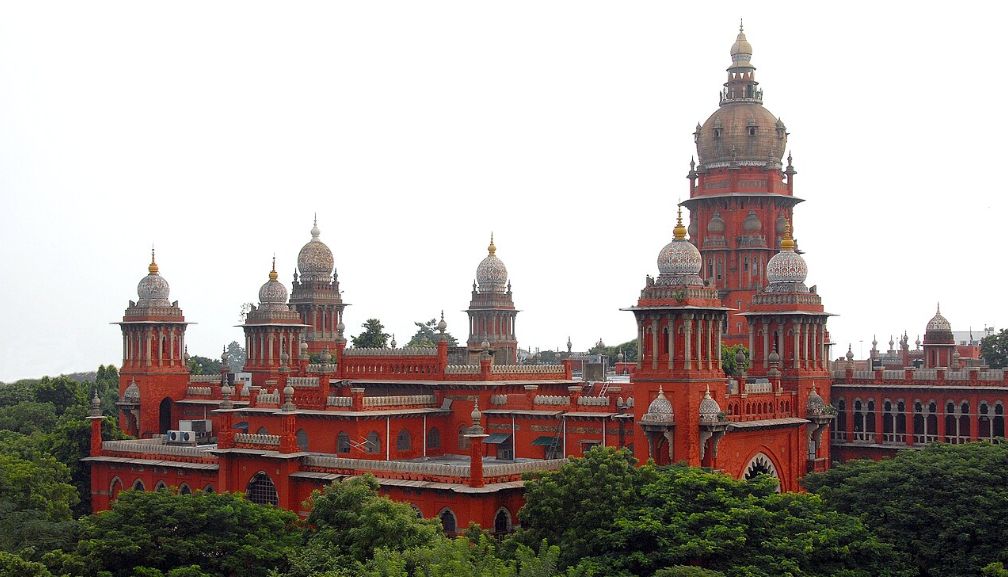
CHENNAI, October 30, 2026: The Madras High Court has upheld the cancellation of a United States citizen’s Overseas Citizen of India (OCI) registration over missionary activities allegedly conducted in India without prior permission, ruling that the requirement applies even when religious conversion is not established.


Justice D. Bharatha Chakravarthy dismissed a writ petition filed by John Daniel challenging the cancellation under Section 7D of the Citizenship Act, 1955, in the case of John Daniel v. Union of India.
The Court held that preaching religion and undertaking activities to spread the word of God could fall within the meaning of missionary activity, for which OCI cardholders must obtain special permission.
Prior Permission Required for Missionary Work
The Court referred to notification S.O. 1050(E), issued on 4 March 2021 under Section 7B of the Citizenship Act. The notification requires OCI cardholders to obtain special permission before undertaking specified activities, including missionary work.
Justice Chakravarthy clarified that the requirement was not restricted to activities involving religious conversion. Even if a person claimed only to be preaching religious teachings, prior permission was necessary where the activity fell within the category of missionary work.
The Court observed that undertaking such activities without the required permission could make an OCI registration liable to cancellation under Section 7D(da) of the Act.
Authorities Present Material on Religious Meetings
Daniel, who received OCI registration on 6 February 2015, was issued a show-cause notice in September 2025. The notice alleged that he had misused his OCI status by conducting missionary activities without special permission.
According to the allegations, Daniel preached in villages across Tamil Nadu and Andhra Pradesh, organised prayer meetings and engaged in evangelical activities that allegedly encouraged Christian conversions. The authorities also alleged that he led the Laymen’s Evangelical Fellowship International (LEFI), which they described as functioning like a cult.
Daniel denied engaging in missionary activities or promoting conversions. He maintained that his visits to India were solely to meet his ailing mother, relatives and friends.
The Union government produced online material concerning his participation in religious meetings, including a poster advertising his speeches at LEF Church in Tenali, Andhra Pradesh, in January 2017, along with material relating to subsequent meetings.
The Court found that the material indicated repeated participation in religious congregations and was not fabricated or concocted.
Natural Justice Argument Rejected
Daniel also argued that the authorities had not provided the material relied upon against him, preventing him from responding effectively to the allegations. He cited the Delhi High Court’s judgment in Ashok Swain v. Union of India in support of his argument.
While acknowledging that natural justice may require disclosure of relevant documents and a meaningful opportunity to respond, the Court held that the circumstances of each case must be considered. It found Daniel’s categorical denial inconsistent with the material placed on record and rejected his request for a further detailed opportunity.
The writ petition was consequently dismissed.
The Court clarified that Daniel remained free to apply for a regular visa to visit his mother. He could undertake religious activities in India after obtaining the necessary official permission.
The ruling underscores the distinction between OCI status and unrestricted permission to engage in missionary activities in India.
Courtesy : Law Beat


© 2026 CATHOLIC CONNECT POWERED BY ATCONLINE LLP