- 10 October, 2026
August 19, 2026:

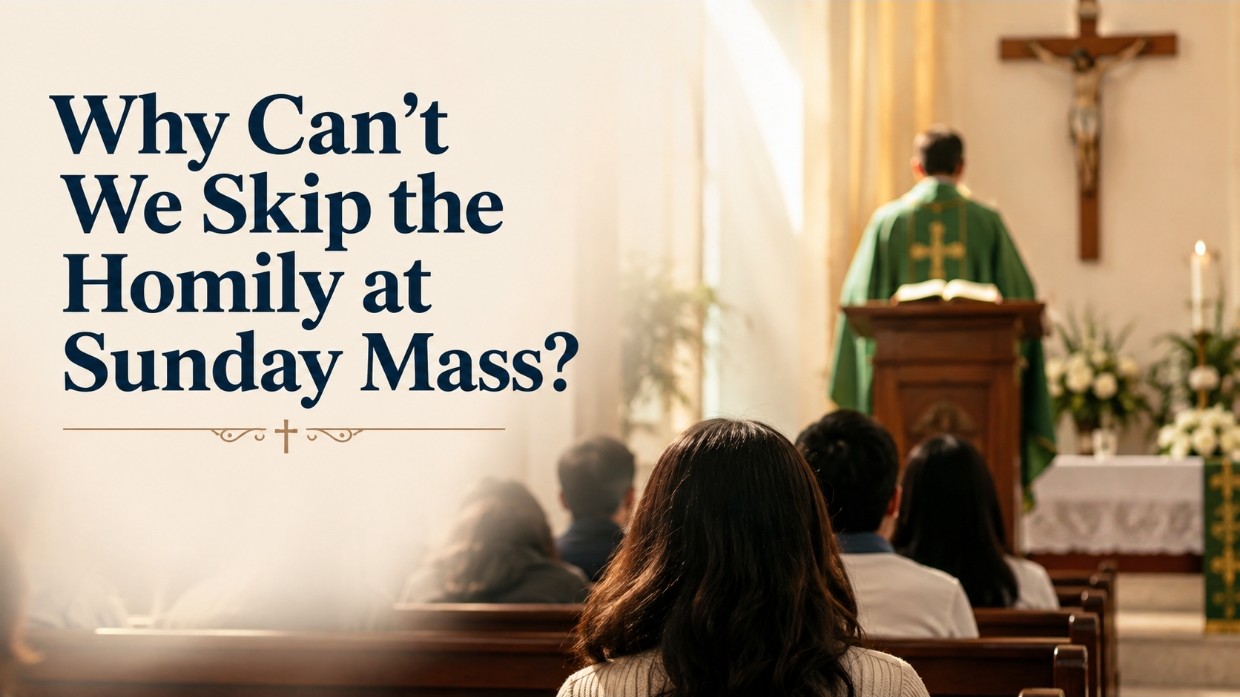
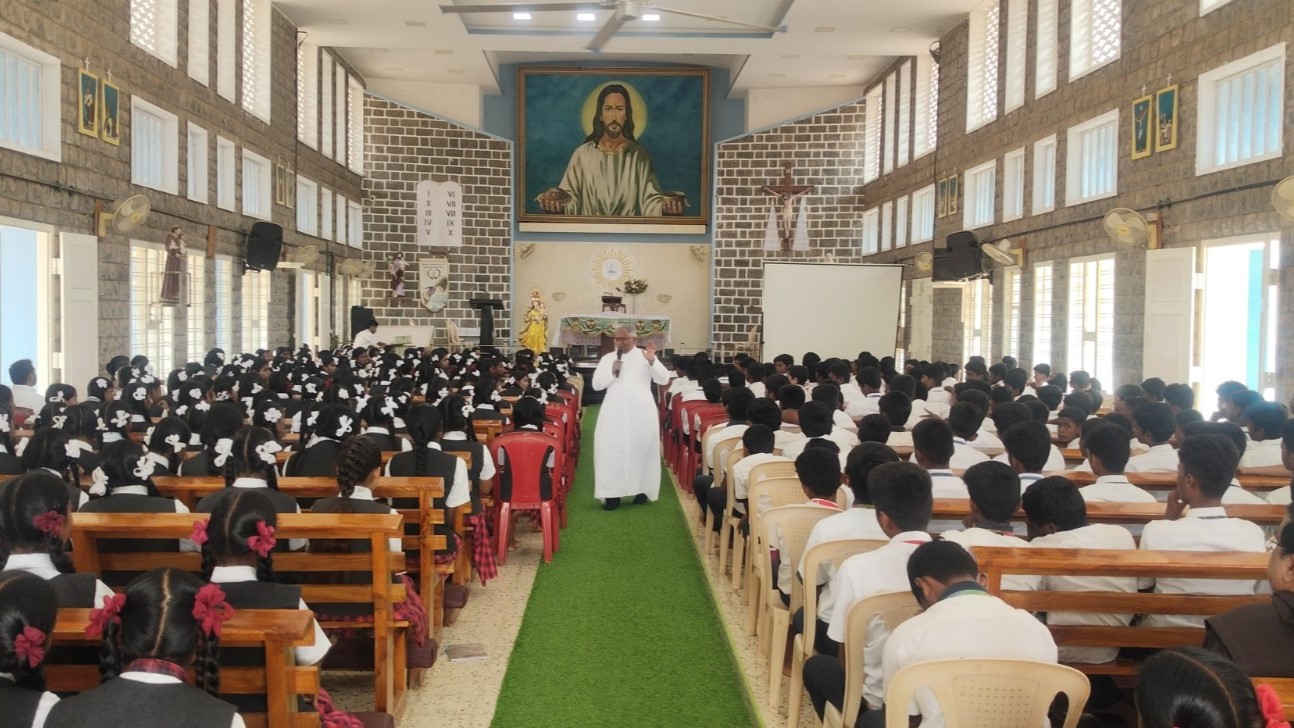
For some people, the homily can feel like a break between the readings and the Eucharist. We may see people checking their phones, looking at the time or even walking out, while others treat it as something to get through before the “important part” of Mass. But the Church understands the homily differently. It is not an interruption or an optional reflection. It is a liturgical act, an integral part of the Liturgy of the Word, and deserves to be received with respect and attention.
Through the biblical readings and the homily, Christ’s Paschal Mystery—His Passion, Death and Resurrection—is proclaimed; through the Eucharistic sacrifice, that mystery becomes sacramentally present.
The homily is part of the liturgy
The General Instruction of the Roman Missal describes the homily as part of the Liturgy and teaches that it is necessary for nurturing Christian life. It should explain some aspect of the Scripture readings or another text from the Ordinary or Proper of the Mass, while taking into account the mystery being celebrated and the particular needs of the congregation.
(Click here to follow Catholic Connect for regular News and Content)
The homily is therefore not simply a speech, lecture or personal reflection. It helps the faithful enter more deeply into the mystery being celebrated.
Why is the homily important on Sunday?
Sunday is the Lord’s Day, when the Church gathers especially to hear God’s Word and celebrate the Eucharist. The homily helps the faithful understand how the readings and prayers of the Mass reveal Christ and His work of salvation.
The Homiletic Directory explains that the homily unites the proclamation of God’s Word with the celebration of the Eucharist, helping the faithful hold firmly in their lives to what they have received through faith.
It helps the congregation understand Scripture, see how it is fulfilled in Christ, recognise the connection between the Liturgy of the Word and the Liturgy of the Eucharist, receive guidance in Christian doctrine and moral living, and participate more consciously and fruitfully in the Eucharistic celebration.
More than a Bible explanation
The homily should be based on Sacred Scripture and the prayers of the particular celebration, but it is not simply an academic commentary or biblical lecture.
The Homiletic Directory emphasises that the homily should proclaim how God’s Word is being fulfilled in the lives of the faithful here and now. It may include doctrinal or moral teaching, but must remain connected to the readings, prayers and mystery celebrated that day.
A homily focused on an unrelated topic, centred on the preacher’s personal opinions or reduced to moral advice does not adequately fulfil its nature. It should express the faith of the Church and lead the faithful towards an encounter with Christ.
The homily prepares us for the Eucharist
The Liturgy of the Word and the Liturgy of the Eucharist are not unrelated parts of Mass. Together, they proclaim God’s work of salvation in Christ.
The homily helps the faithful move from hearing the Word to celebrating the Eucharistic mystery. It prepares them to recognise that Christ’s sacrifice is not merely remembered as an event of the past. Through the Eucharistic sacrifice, the Paschal Mystery becomes sacramentally present, and the faithful are invited to participate in it.
The homily should therefore lead naturally towards the altar. It does not replace the Eucharist or become its centre; rather, it serves the Word of God and prepares the faithful to participate more fully in the Eucharistic celebration.
Must the homily be long?
No. The Church does not require a lengthy homily. It should be carefully prepared, appropriate to the celebration and suited to the people present—neither too long nor too short.
A brief homily may be entirely appropriate when it clearly explains the central message of the readings and connects it with the Eucharistic mystery. Length alone does not determine whether a homily is effective.
The important question is whether it faithfully proclaims Christ, illuminates the Word of God and helps the congregation live the Christian faith.
What about weekday Masses?
The Church distinguishes between Sunday and weekday celebrations.
At Sunday Mass, and at Masses on holy days of obligation, the homily ordinarily belongs to the celebration and should not be omitted without a serious reason. On weekdays, a homily is strongly recommended, especially during Advent, Lent and Easter Time, but it is not required in exactly the same way as at Sunday Mass.
The homily is also appropriate in other liturgical celebrations, including baptisms, penitential celebrations, marriages and funerals, according to the nature of each celebration.
The faithful also have a responsibility
The responsibility does not belong only to the preacher. The faithful should listen attentively and with an interior disposition of faith. The homily should not be judged only by its entertainment value, eloquence or length, while recognising that preachers have different gifts and limitations.
The preacher, in turn, has the serious responsibility to prepare carefully, pray with the Scripture readings and proclaim the faith of the Church faithfully. The homily should be clear, focused and accessible to the congregation, including children and those with limited religious formation.
The homily leads to Christian life
The purpose of the homily does not end when the congregation leaves the church. The Word of God is proclaimed so that it may shape the lives of the faithful.
A good homily leads to conversion, deeper faith, worship and practical charity. It helps Christians see how the mystery celebrated at Mass must affect their decisions, relationships and responsibilities throughout the week.
The homily is not the centre of the Mass—the Eucharistic sacrifice is—but it is an essential liturgical ministry that connects the readings with Christ’s Paschal Mystery and helps the faithful participate in the Eucharist with greater understanding and faith.
The homily is given so that the Word proclaimed may lead the Church to the altar and, from the altar, into a life transformed by Christ.
By Catholic Connect Reporter
Read More:
Three Little Crosses Before the Gospel — But What Do They Mean?
Why Do Catholics Sit for the Readings but Stand for the Gospel?
Why Is There a Psalm Between the Readings?
Why Are There Usually Three Readings at Sunday Mass?
Why Does the Priest Say “The Lord Be with You” So Often at Mass?
Why Do We Keep Saying “Amen” at Mass? What Are We Really Saying?
The Prayer After “Let Us Pray” Changes at Mass—Do You Know Why?
Why Do Catholics Sing the Gloria—but Not at Every Mass?
Why Do We Confess Our Sins at the Start of Mass? The Deeper Meaning Explained
Continue Reading on Catholic Connect App
Get access to exclusive news articles & more.
© 2026 CATHOLIC CONNECT POWERED BY ATCONLINE LLP