- 18 November, 2026
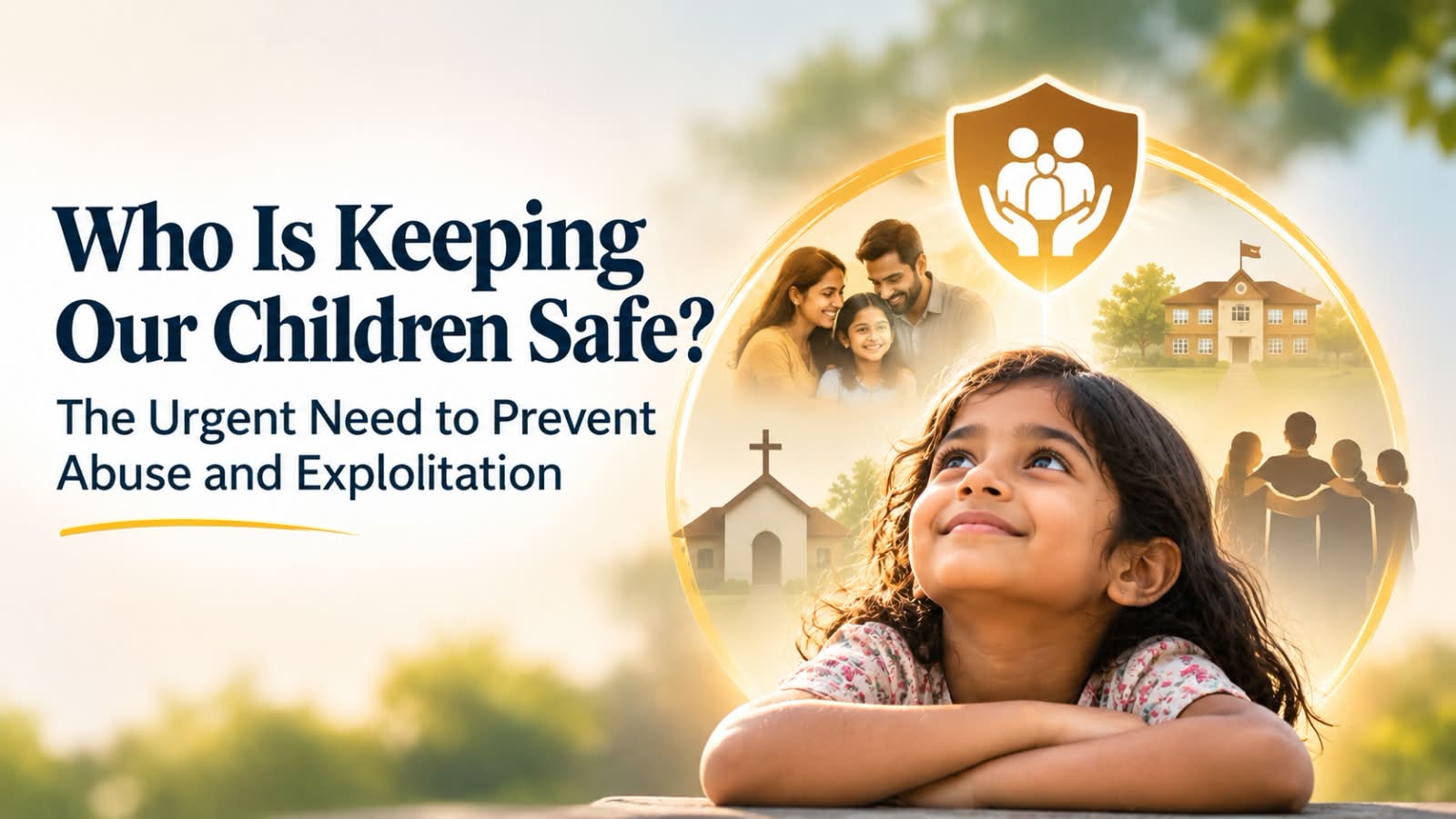
November 18, 2026: What makes a child feel safe? Is it the care of their family, the protection offered by their school or the support of the community around them? A safe childhood depends on all these. Protecting children from sexual exploitation, abuse and violence is not the responsibility of parents or teachers alone. Everyone has a role to play in making sure children are safe, heard and protected.


Observed every year on November 18, the World Day for the Prevention of and Healing from Child Sexual Exploitation, Abuse and Violence draws attention to the need to protect children and support those who have experienced abuse. The United Nations General Assembly adopted Resolution A/RES/77/8 on November 7, 2022, to establish this day. The resolution was sponsored by Sierra Leone and Nigeria and supported by more than 120 countries. It raised concern about the growing risk of sexual exploitation, abuse and violence faced by children, particularly girls.
Child sexual abuse and exploitation often go unreported because of fear, shame and social stigma. According to the World Health Organization (WHO), only a small number of children who experience maltreatment receive help from official services. WHO also reports that one in five women and one in seven men experienced sexual abuse during childhood.
Families: Where Protection Begins
A child's safety begins at home. Parents and family members have an important role in helping children understand their rights, speak about their concerns and feel comfortable asking for help.
According to WHO, preventing child abuse requires programmes that support parents and help them develop positive parenting skills. Families also need support to build safe, non-violent homes and improve their financial security.
Schools: Helping Children Recognise Abuse
Schools are important places for teaching children how to protect themselves. Programmes to prevent child sexual abuse help children understand that their bodies belong to them. They also teach children to recognise good and bad touch, identify situations that may be unsafe and learn how to say no.
WHO also highlights the importance of preventing bullying in schools and providing life-skills education. These programmes help children recognise harmful behaviour and understand when they need to seek help.
Communities: Everyone Has a Role
Keeping children safe cannot stop at home or school. The wider community also has a responsibility to protect them.
WHO identifies gender and social inequality, unemployment, poverty and the easy availability of alcohol and drugs as factors that can increase the risk of child maltreatment.
Communities also need safe spaces for children, proper support services for victims and survivors, and strong enforcement of laws against child maltreatment. Preventing abuse requires people and institutions to work together rather than leaving the responsibility to a few.
How Is the Catholic Church Strengthening Child Protection?
The Catholic Church has taken steps to improve its safeguarding practices. The Pontifical Commission for the Protection of Minors was established in 2014, with Cardinal Seán O'Malley leading the Commission from its beginning.
In October 2024, the Commission presented its first pilot annual report, prepared at the request of Pope Francis to examine and document the Church's progress in protecting minors. The report covered more than 20 Church-based entities and highlighted the progress made, the gaps that remain and areas that need improvement. It also called for better training in safeguarding through formal academic programmes.
In October 2025, the Commission published its second annual report, prepared with the involvement of a group of abuse survivors. It included guidelines on how to listen to survivors and stressed the importance of providing them with financial, psychological and spiritual support.
Child Protection in the Church in India
In India, the Catholic Bishops' Conference of India (CBCI) issued procedural norms in 2015 to address cases of sexual abuse of minors. These guidelines cover the protection of children in churches, educational institutions, religious institutions and Catholic organisations.
Sister Arina Gonsalves, a member of the Pontifical Commission for the Protection of Minors, told the bishops that every diocese and Catholic institution must have a child protection policy. She also called for these policies to be reviewed every two years and recommended setting up Survivor Advisory Panels at the diocesan level.
Caritas India has also developed its own safeguarding policy.
Protecting Children Is Everyone's Responsibility
The World Day for the Prevention of and Healing from Child Sexual Exploitation, Abuse and Violence is not a celebration. It is a reminder of the children who have suffered abuse and the need to ensure that their voices are heard. It also reminds survivors that they are not alone.
Protecting children cannot be limited to one day of awareness. It requires families to listen, schools to educate, communities to act and institutions to take responsibility. Every child deserves to grow up without fear of abuse or exploitation. Making that possible is a responsibility we all share.
By Catholic Connect Reporter

© 2026 CATHOLIC CONNECT POWERED BY ATCONLINE LLP