- 16 March, 2026

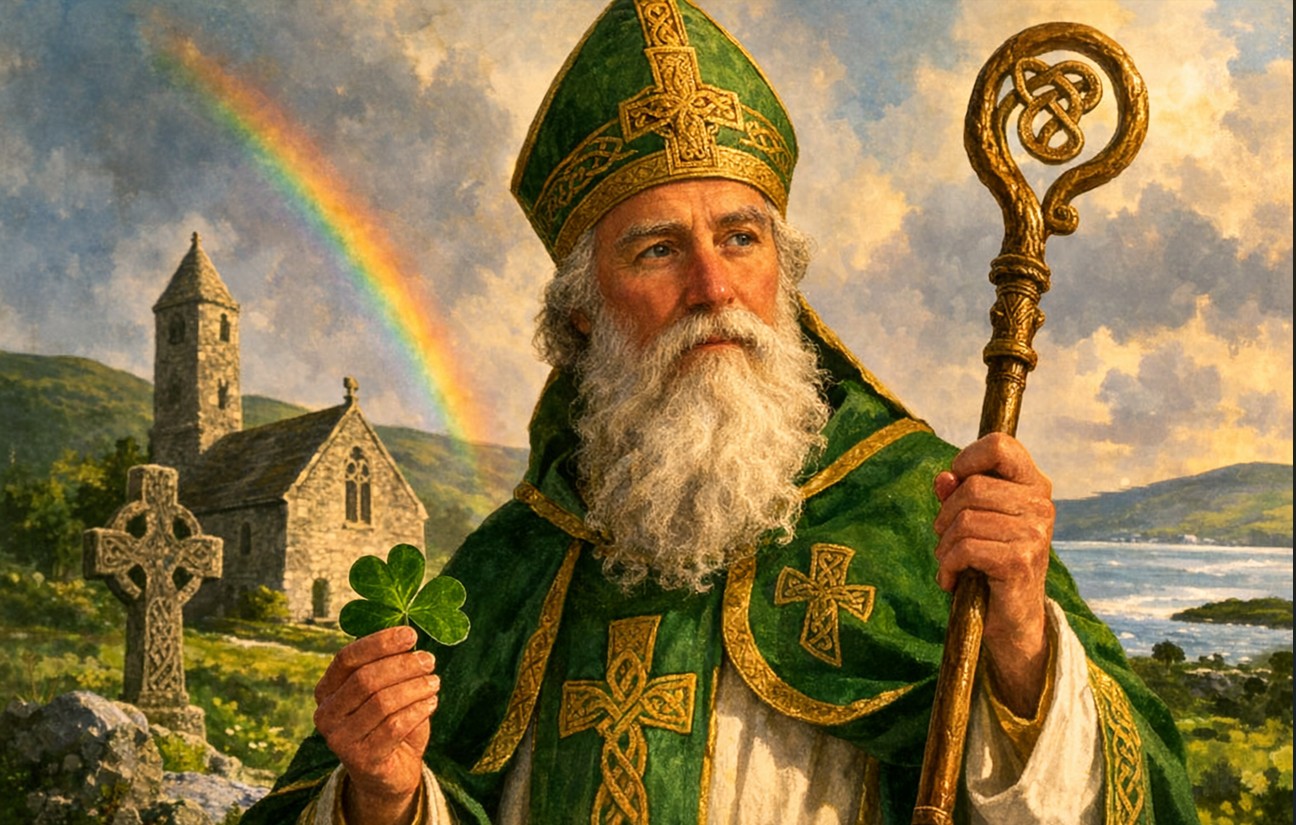
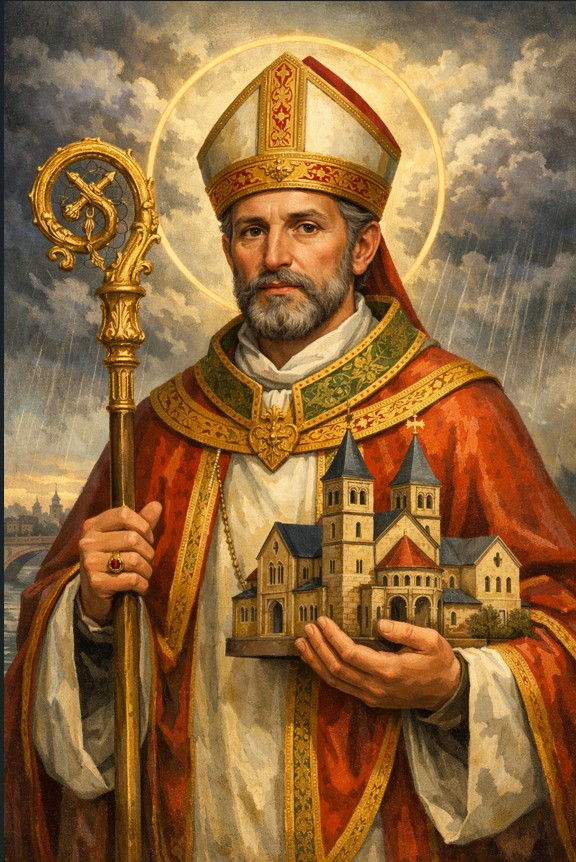
Ireland, March 17, 2026: The Catholic Church celebrates Saint Patrick on March 17, honoring one of the most beloved missionary saints in Christian history. Known as the Patron Saint of Ireland, his life is a powerful story of faith, forgiveness, and courage.


He was born around 385 AD in Roman Britain, into a Christian family. However, his early life took a dramatic turn when he was captured by Irish raiders at the age of sixteen and taken to Ireland as a slave.
For nearly six years he worked as a shepherd, living in isolation and hardship. During this time, he turned deeply to prayer and developed a strong personal relationship with God. According to his own writings, he eventually received a vision telling him to escape. He fled captivity and returned home to Britain.
After returning home, he studied the Christian faith more deeply and eventually became a priest and missionary.
Later, he experienced another vision in which he believed God was calling him to return to Ireland — the very land where he had once been enslaved. Around 432 AD, he went back as a missionary bishop to preach the Gospel.



Traveling across Ireland, he shared the Christian message with local chiefs and communities. Through patience and perseverance, he baptized converts and helped spread Christianity throughout the island.
Because of this extraordinary mission, he is often called the “Apostle of Ireland.”
Saint Patrick’s work helped establish the foundations of the Church in Ireland.
Evangelizing the Irish People
Patrick preached the Gospel throughout the country, bringing many clans and leaders into the Christian faith.
Establishing Christian Communities
He founded churches, monasteries, and schools that later became centers of learning and spirituality in medieval Europe.
Teaching Through Simple Symbols
According to tradition, Patrick used the Shamrock to explain the mystery of the Holy Trinity — showing how three leaves could represent the Father, Son, and Holy Spirit as one God.
Pastoral Leadership
Patrick ordained priests and organized communities that would help sustain and grow the Church in Ireland.
Saint Patrick is venerated across the world, but especially in Ireland.
Important places connected with his life include:
• Armagh – the traditional ecclesiastical center he established
• Downpatrick – believed to be the place where he was buried
• Croagh Patrick – where tradition says he fasted for forty days in prayer
Pilgrims still climb Croagh Patrick every year, especially during the famous “Reek Sunday” pilgrimage.
Saint Patrick died on March 17 around 461 AD, and the Church honors his life each year on that date.
His feast day, celebrated worldwide as Saint Patrick's Day, includes church liturgies, Mass celebrations, and cultural traditions such as wearing green or displaying the shamrock.
Patrick is also known for several legendary stories, including the symbolic tale of driving snakes out of Ireland, often interpreted as representing the defeat of pagan beliefs.
Today, he is honored as patron saint of Ireland, Nigeria, engineers, and as a protector against snake bites.
More than fifteen centuries later, Saint Patrick remains one of the most influential missionaries of the early Church. Through courage, faith, and perseverance, he helped transform Ireland into one of the great centers of Christian spirituality in the medieval world.
And whenever Irish eyes keep smiling, the legacy of Saint Patrick continues to shine — reminding believers that faith can transform even the most difficult journeys into a mission of hope.
To know about more saints please visit the spiritual section.
By Catholic Connect Reporter
© 2026 CATHOLIC CONNECT POWERED BY ATCONLINE LLP