- 01 August, 2026

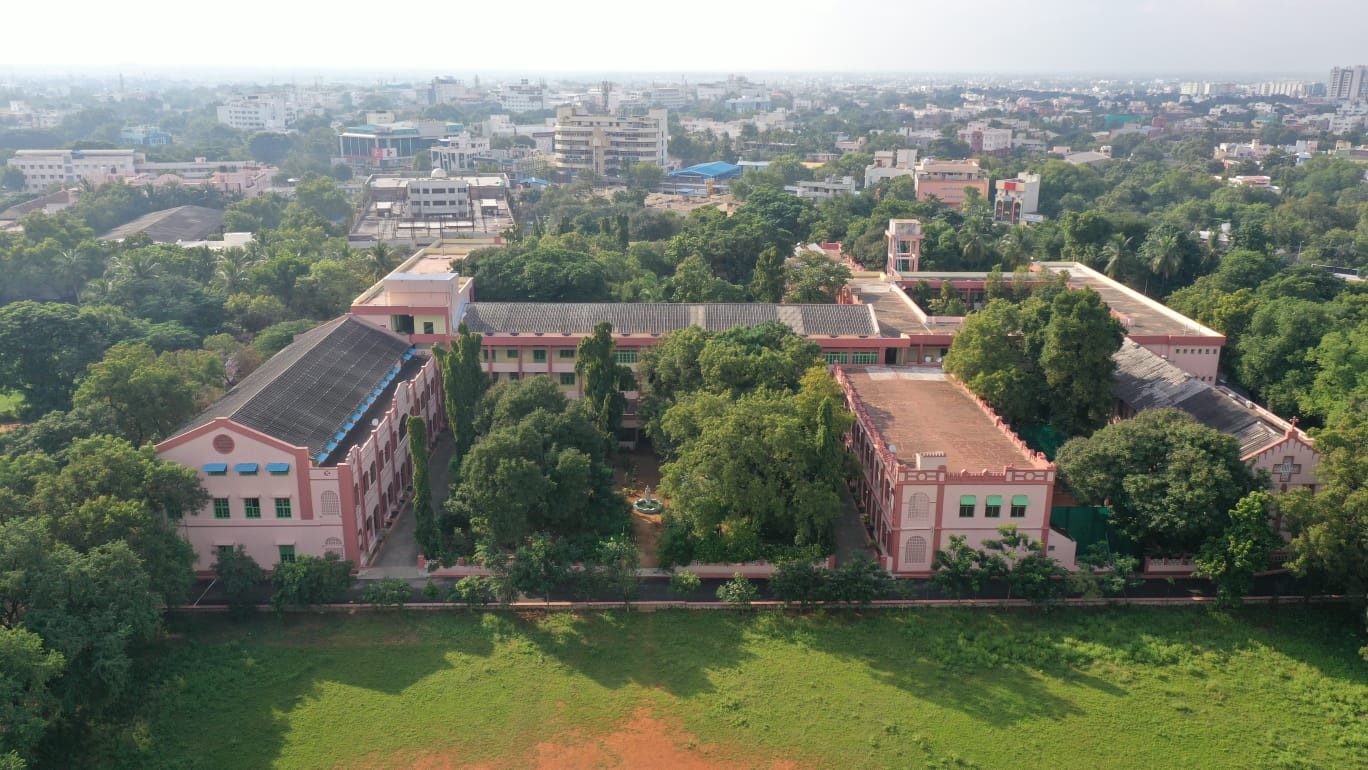
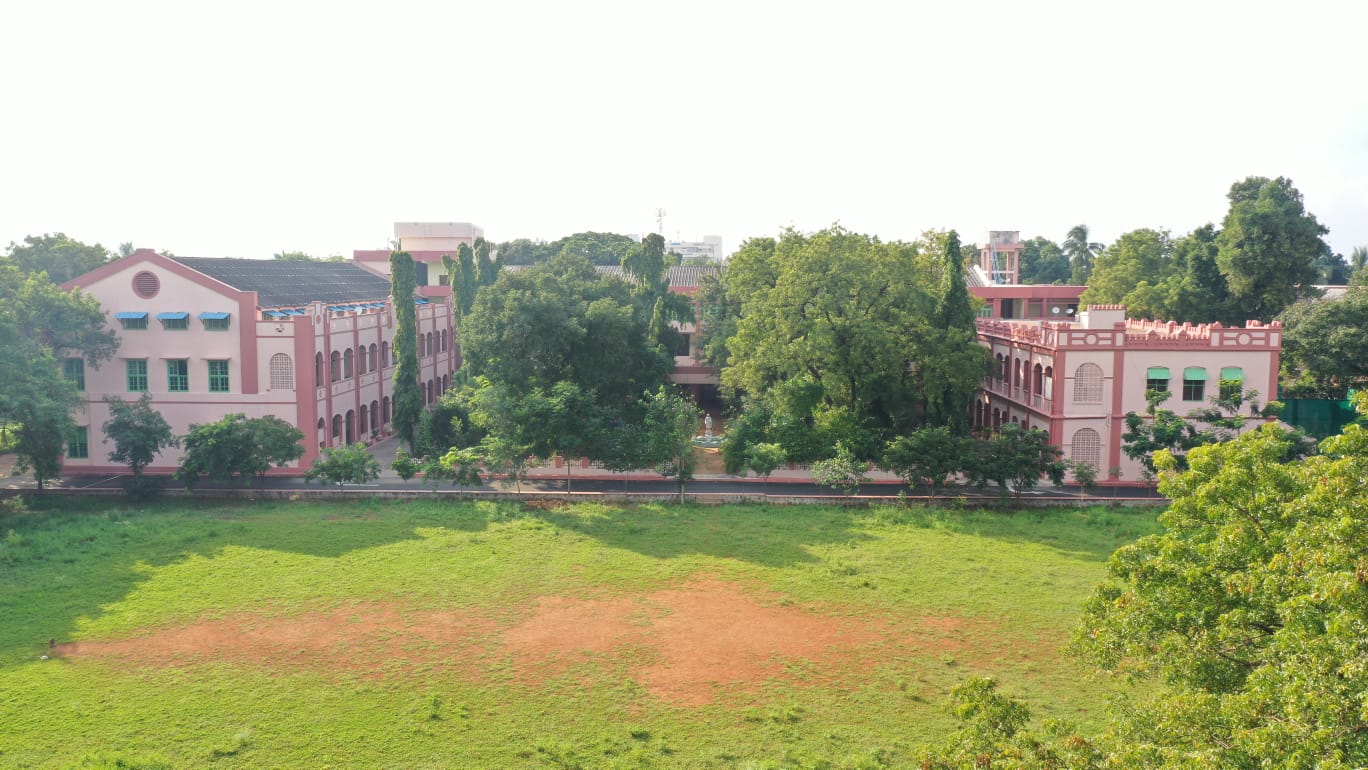
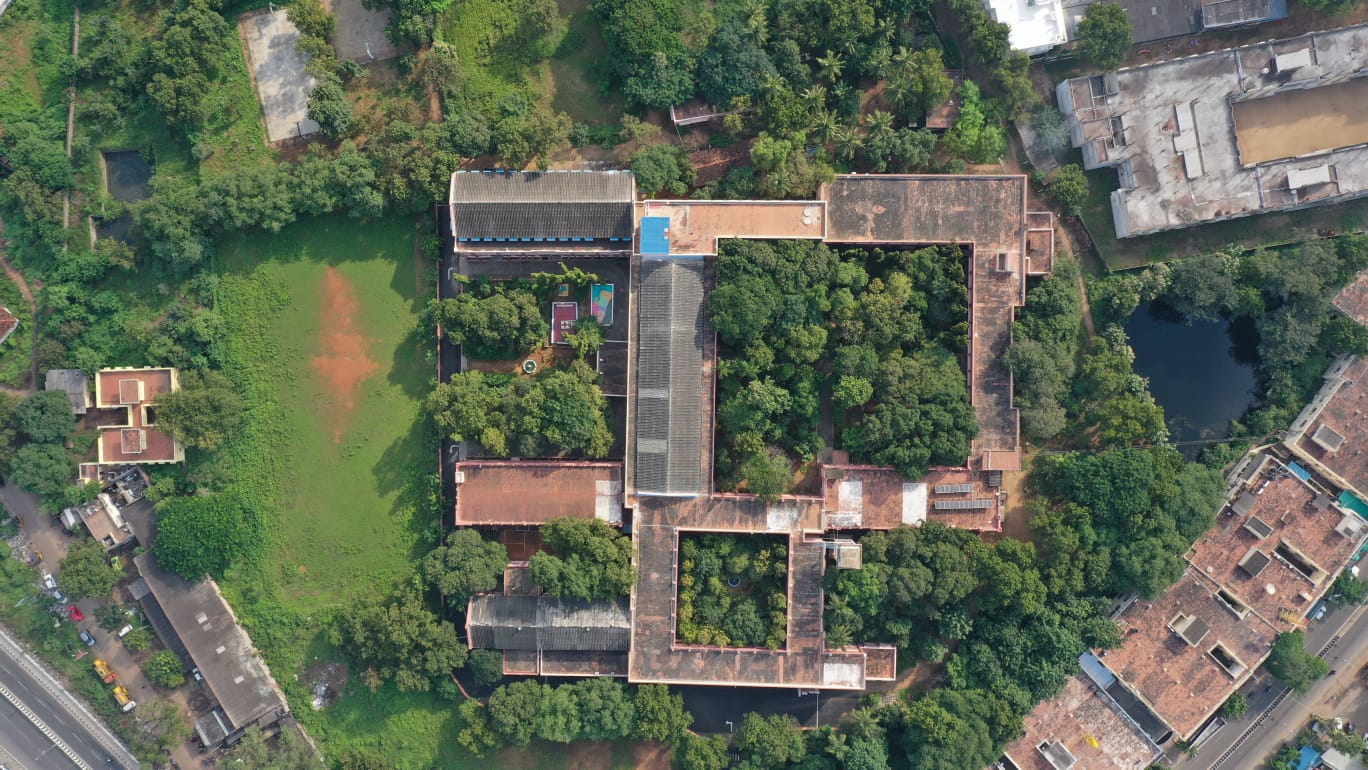
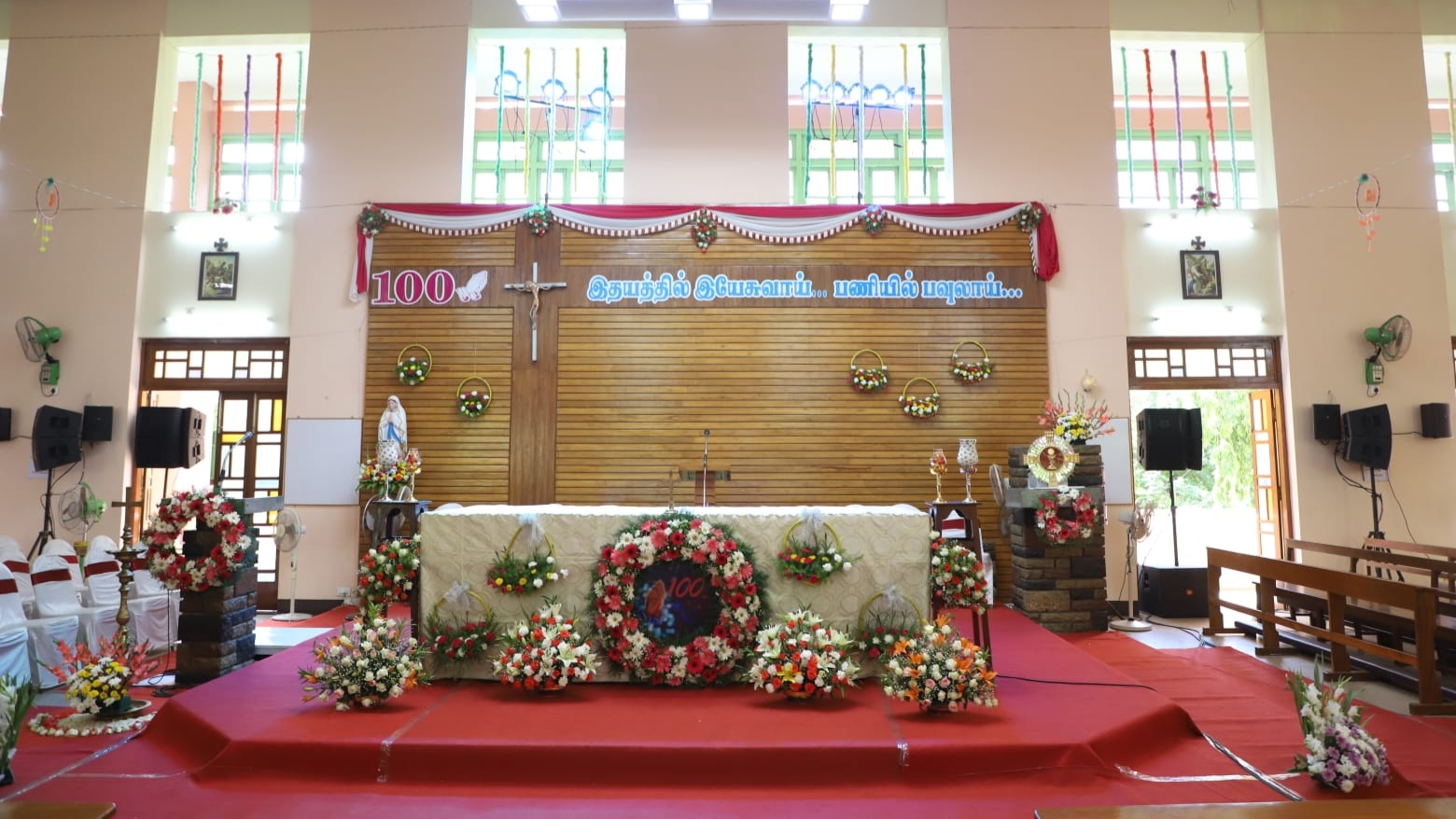
TIRUCHIRAPPALLI, Tamil Nadu, August 1, 2026: St. Paul’s Institute of Theology, Tiruchirappalli, has entered a new chapter in its century-long history of priestly and theological formation after the Dicastery for Culture and Education granted it the status of an autonomous ecclesiastical Faculty of Theology.


The decree, dated June 29, 2026, detaches the institution from St. Peter’s Pontifical Institute, Bengaluru, and establishes it as St. Paul’s Faculty of Theology, with authority to confer the ecclesiastical degrees of Bachelor’s, Licentiate and Doctorate in Theology. The new faculty is also empowered to affiliate Institutes of Theology and oversee their academic formation.
The Vatican decision marks a significant milestone in the institution’s academic journey and strengthens its contribution to theological education in the Church.


The history of St. Paul’s dates back to June 8, 1921, when Bishop Augustine Faisandier of Tiruchirappalli established St Paul’s Seminary at Pandamangalam with 24 seminarians under the care of the Jesuits of the Madurai Mission. The seminary was moved to its present campus in Tiruchirappalli later that year and received canonical status in 1922.
The institution gradually expanded its role in the formation of clergy. In 1938, it became the Provincial Seminary for the Ecclesiastical Province of Madurai and its suffragan dioceses. Over the years, it opened its doors to seminarians from dioceses throughout India, as well as from Sri Lanka and several religious congregations.
Since 1991, the seminary has also admitted religious sisters and lay students as full-time students, reflecting its broader commitment to theological formation.
The institution’s academic development progressed through several stages of ecclesiastical recognition. In 1975, its Theology Section was affiliated with the Pontifical Urban University in Rome, enabling students to obtain the Bachelor of Theology degree. The administration of the seminary was entrusted to the bishops of the Ecclesiastical Province of Madurai in 1978.
As part of its Platinum Jubilee celebrations, the institution introduced a Licentiate in Theology specialising in Systematic Theology in 1995. In 1997, the then Congregation for Catholic Education elevated its academic section to an Institute of Theology with its own statutes and granted it aggregation to the Pontifical Urban University.
In 2009, the institute was aggregated to St. Peter’s Pontifical Institute, Bengaluru. The latest decree now gives St Paul’s an autonomous status as an ecclesiastical faculty, marking a further step in its academic and ecclesial development.
Archbishop Antonysamy Savarimuthu of Madurai has been appointed the first Chancellor of the newly established faculty.
The institution said that, by the conclusion of the 2025–2026 academic year, St Paul’s Seminary and Institute had contributed to the formation of 2,101 priests, including 28 who subsequently became bishops. Its Licentiate programme in Systematic Theology has also formed 91 candidates.
The new faculty comes five years after St Paul’s completed its centenary in 2021. Having reached its centenary, St Paul’s Faculty of Theology now enters a new era, strengthening its role in theological research, academic excellence and ecclesial service while continuing its mission of preparing priests, religious and lay faithful for service to the Church in India and beyond.
With its elevation as an autonomous Faculty of Theology, St Paul’s now begins a new phase in its century-long mission of theological formation and service to the Church.
By Catholic Connect Reporter
© 2026 CATHOLIC CONNECT POWERED BY ATCONLINE LLP