- 30 May, 2026
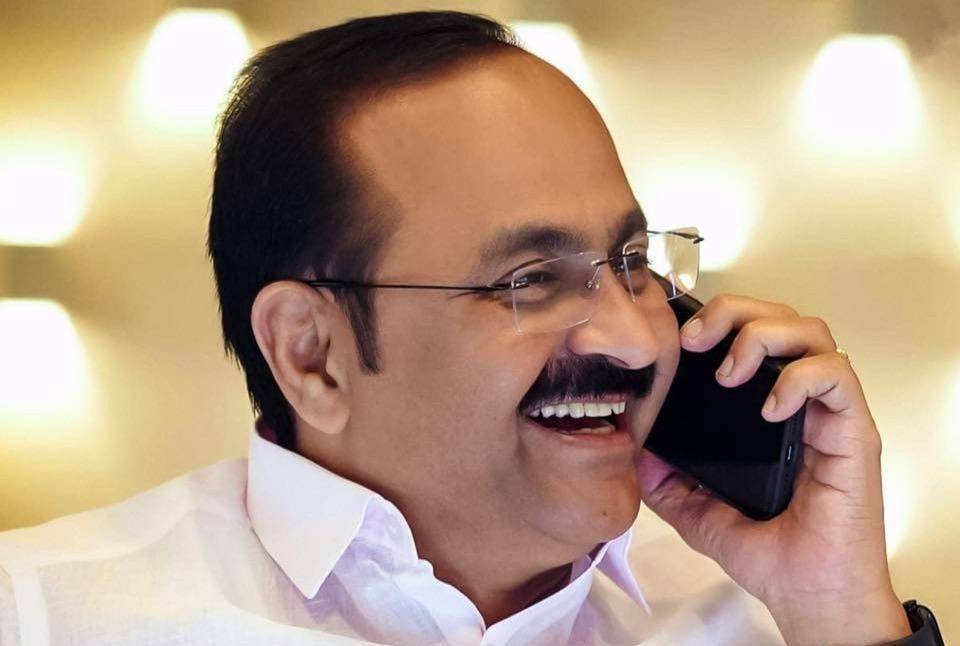
It begins with a question that refuses to fade: Aadam Nee Evideyakunnu? — “Adam, where are you?” In his recently released book, Aadam Nee Evideyakunnu, V. D. Satheesan, the Opposition leader of Kerala, does not offer a conventional political memoir or a dense theological treatise. Instead, he gathers together a series of speeches delivered across Christian platforms—reflections that are personal, searching, and rooted in Scripture.


Published by DC Books with a foreword by Dr Cyriac Thomas, the volume brings together 22 chapters drawn from years of public addresses on the life and message of Christ.
The origins of the book lie in a deeply personal journey. In his introductory note, Satheesan explains that his engagement with the Bible grew gradually, becoming a daily discipline—reading at least a chapter each day. Though he remains a Hindu, he writes with candour about his desire to understand other religions and absorb their essence. The teachings of Jesus Christ, he admits, have had a profound influence on his thinking, shaping both his inner life and his public convictions.


In the often charged world of Kerala politics, Satheesan’s voice has long stood apart. While political discourse frequently revolves around strategy and numbers, he reaches for something deeper—the language of Scripture, the example of Christ, and the moral weight of the Cross. His addresses at church gatherings carry a pastoral quality. He does not merely quote the Gospels; he reflects on them. When speaking of the healing of the ten lepers, for instance, he lingers on the one who returned in gratitude, drawing out lessons on dignity, thankfulness, and grace in a world that too easily overlooks them.
A turning point in this journey came, when, soon after becoming Leader of the Opposition, he was invited to speak at the renowned Kumbanad Convention of the Pentecostal Church of God in India. He recalls accepting the invitation with some hesitation, uncertain how he would speak about the Word of God before a large gathering of believers. Yet, addressing the theme “Thy Kingdom Come,” he found clarity and conviction—later describing it as a privilege to speak about Christ’s vision of the Kingdom of God without hesitation.
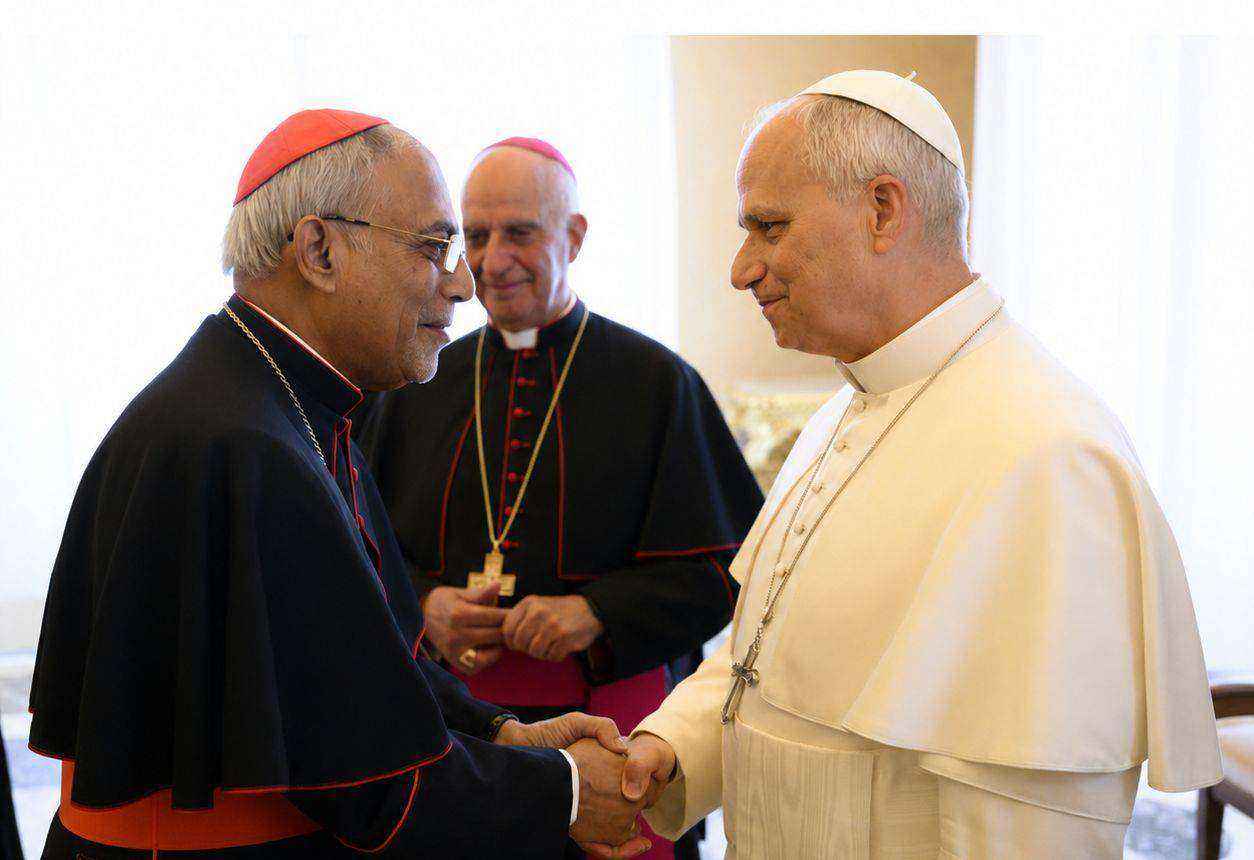
That moment opened the door to many others. Since then, Satheesan has spoken at nearly 250 church gatherings across denominations, often alongside respected theologians and church leaders. Among the most notable was his address at the 111th anniversary of Abraham Mar Thoma in Thiruvalla in Kerala. Another speech, delivered at a reception for Cardinal George Jacob Koovakkad, would later lend its title to the book itself. His reflections in Changanassery and elsewhere have been widely viewed, especially on Christian devotional platforms.
At times, his words move into the deeply personal. “Jesus stands with me,” he once said from a church dais—without qualification or hesitation. It was a simple statement, yet it resonated widely for its sincerity in a public space where expressions of faith are often measured and guarded.
The image of the Cross runs consistently through his reflections—not as a symbol of display, but as a call to courage and sacrifice. He speaks of standing for truth even when it demands a cost, a theme that echoes in his positions on justice, minority rights, and human dignity. It lends his politics a moral grounding that appears to draw from conviction rather than convenience. In his own words, it is Christ who has given him the strength “to stand firm without falling back,” guided by the assurance that the one who promises is faithful.
The foreword by Cyriac Thomas adds another layer to this portrait. He describes Satheesan as a man of quiet but firm faith—someone who does not wear religiosity for display. Even political opponents, he notes, have seldom accused him of communalism or religious posturing. Instead, he is seen as one who respects spiritual leaders while maintaining a certain independence from community pressures. Thomas also points to the enduring influence of Mahatma Gandhi on Satheesan’s worldview, describing Gandhi almost as his “political ideal,” with his commitment to simplicity and moral clarity shaping the leader’s outlook.
This collection of speeches presents Satheesan not as someone with all the answers, but as a seeker—one still grappling with questions of conscience, responsibility, and the realities of public life. The story of Adam becomes, a metaphor for the present: humanity’s tendency to hide, to deflect, and yet remain within reach of a God who continues to call.
The blending of faith and politics inevitably raises questions. Can such expressions remain genuine, or do they risk becoming rhetorical tools? Those who have followed Satheesan’s journey point to a consistency in his public life—his advocacy for the vulnerable, his engagement with Christian communities, and his emphasis on justice that goes beyond political slogans. To many listeners, what stands out is not performance, but a sense of personal conviction.
His recent political journey has further brought him into focus. As Leader of the Opposition, he played a significant role in revitalizing the Congress-led United Democratic Front, helping to unify a fragmented alliance and reframe its message. The outcome—a decisive victory in the 2026 Assembly elections—marked a turning point, with Satheesan widely seen as one of the key architects of that success.
Yet, beyond electoral achievements, the central question of his book continues to echo: Adam, where are you? It is not presented as a conclusion, but as an ongoing challenge—directed as much to himself as to others. In raising it, Satheesan invites a rare pause in public life: a moment to reflect on conscience, responsibility, and the purpose of leadership.
In that sense, he emerges not only as a political figure, but as a seeker—one who suggests, through both word and example, that public life need not be detached from moral reflection, and that leadership, at its best, is rooted in truth, compassion, and the dignity of every person.
By Fr Suresh Mathew


© 2026 CATHOLIC CONNECT POWERED BY ATCONLINE LLP