- 05 May, 2026
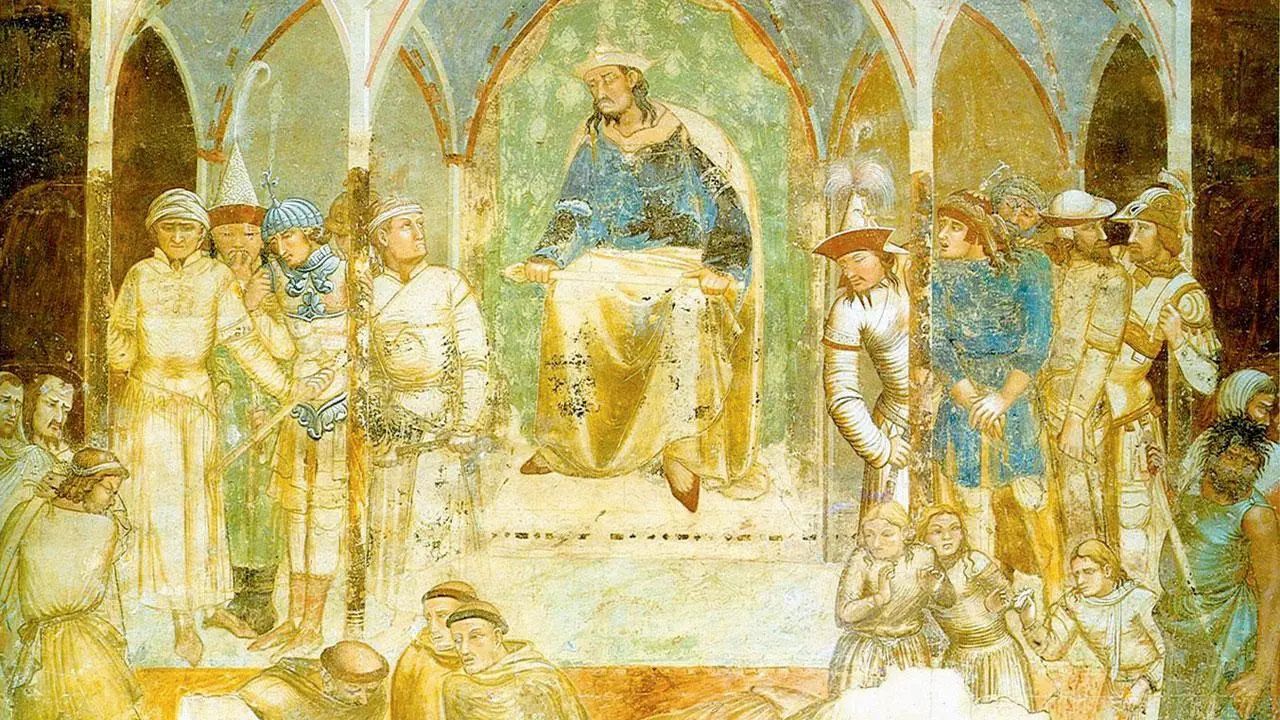
Thane, April 14, 2026: In April 1321, four Franciscan friars—Thomas of Tolentino, James of Padua, Peter of Siena, and Demetrius of Tiflis—set out on a mission that was meant to take them across continents to China. They were driven by faith, purpose, and a willingness to travel into the unknown.


But their journey would never reach its destination.
Traveling from Persia toward China, their ship made an unexpected stop at Thane, near present-day Mumbai. Whether by circumstance or necessity, this diversion altered the course of their lives forever.
Thane in the 14th century was a thriving port town, shaped by trade, political authority, and religious diversity. The friars arrived as outsiders, carrying their beliefs into a region governed by unfamiliar systems and sensitivities.


The four missionaries continued their work even during this unintended halt. Their presence and preaching soon brought them into direct engagement with local authorities.
What followed was not a personal dispute, nor a quarrel within a Christian household. Historical accounts make it clear: there was no internal conflict among Christians. Instead, the tension arose from a religious debate between the Franciscan missionaries and the local administration.
They were brought before a local governor or judge and questioned about their beliefs.
During this exchange, Thomas of Tolentino reportedly made a deeply provocative statement about the Prophet. In the charged atmosphere of the time, such words were not merely offensive—they were considered blasphemous.
The consequences were immediate and severe.
The friars were arrested, formally charged with blasphemy, and put on trial. They were given an opportunity to retract their statements or renounce their beliefs.
They refused.
In early April 1321—widely recorded as April 9, 1321—all four were condemned and executed by local authorities.
Their deaths marked a tragic end to a mission that had begun with hope and conviction. Far from home and far from their intended destination, they died for the very faith that had set them on their journey.
Their story did not end with their execution.
Their remains were later collected by Odoric of Pordenone, ensuring that their memory would endure beyond the place where they fell.
The Catholic Church would come to recognize them as the Martyrs of Thane, a group whose sacrifice stands as one of the earliest recorded encounters between European missionaries and the Indian west coast—more than 200 years before the arrival of the Portuguese.
Centuries later, Thomas of Tolentino was declared Blessed in 1894, affirming the significance of their witness.
Today, their relics are preserved at the Church of St. John the Baptist, a historic church older than the renowned Taj Mahal. It stands quietly, holding within its walls the memory of a story that unfolded over seven centuries ago.
The story of the Martyrs of Thane is not one of accident alone—it is a story of conviction meeting consequence.
It reflects a moment in history where cultures, beliefs, and words collided with irreversible force. A journey meant for China became a chapter in India’s past. A mission of faith became a legacy of sacrifice.
And even today, their story raises a lasting question:
Was it chance that brought them to Thane—or was it a moment in history waiting to happen?
By Catholic Connect Reporter



© 2026 CATHOLIC CONNECT POWERED BY ATCONLINE LLP