- 21 May, 2026

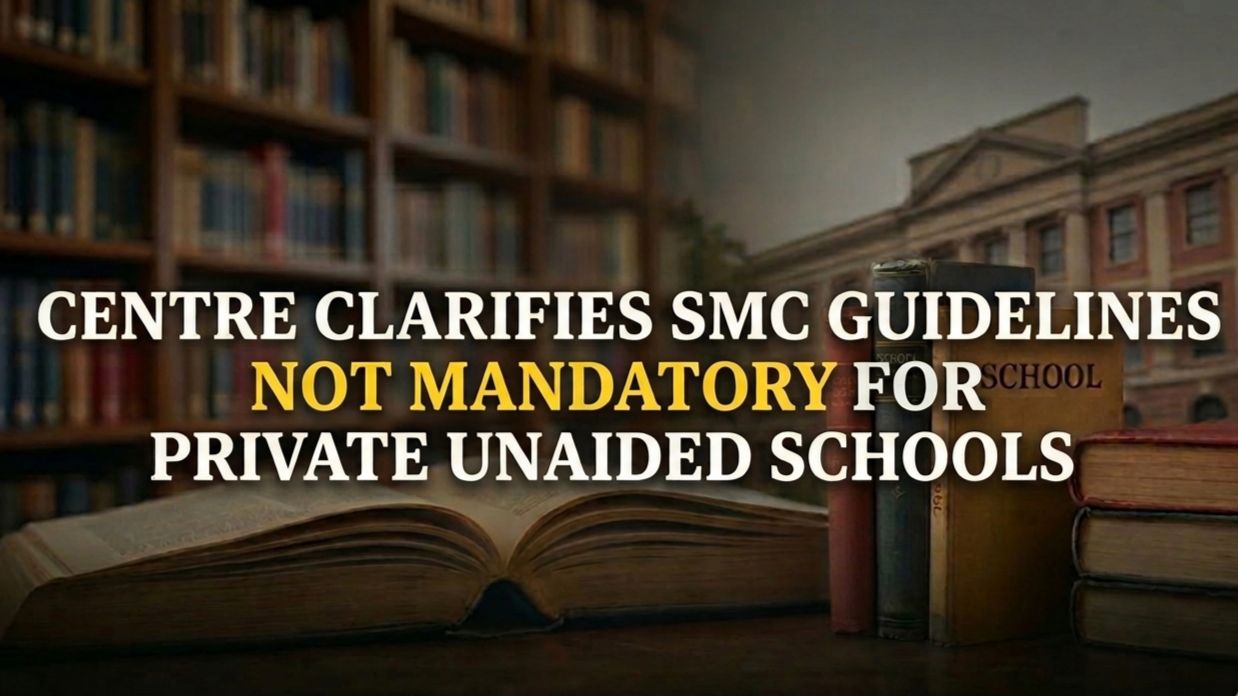
New Delhi, March 11, 2026: The Supreme Court on Wednesday (March 11, 2026) applied the principles of passive euthanasia in practice for the first time, permitting the withdrawal of clinically-assisted nutrition and hydration (CANH) for 32-year-old Harish Rana.


A Bench of Justices J.B. Pardiwala and K.V. Viswanathan ruled that the withdrawal of life support must not be treated as a “single act” or an “act of abandonment” of patients in a persistent vegetative state (PVS). Instead, the court directed that such decisions must serve the “best interests” of the patient.
The judges outlined key considerations: whether life support qualifies as medical treatment; whether medicines offer any therapeutic benefit or merely prolong life, pain and suffering; and whether artificially extending life serves the patient’s best interests.


The court emphasised that withdrawing CANH must form part of a “well-structured, tailored, robust and articulated” palliative care plan during the patient’s most vulnerable phase. Linking withdrawal firmly to palliative care, the Bench stressed that patients must receive sensitive care with their dignity placed foremost.
The judgment followed extensive consultations with Mr. Rana’s family, medical boards and counsel representing both the family and the Centre. A team led by Additional Solicitor General Aishwarya Bhati visited the Rana residence and submitted an eyewitness report. The Bench also personally met Mr. Rana’s parents and siblings, who expressed that they did not want him to suffer further.
Medical boards concluded that treatment should be discontinued and that “nature should be allowed to take its own course”.
Mr. Rana sustained severe head injuries and 100% quadriplegic disability after falling from the fourth floor of his paying guest accommodation as a Panjab University student in 2013. He has remained bedridden for over 13 years. In a January 15 order, the court recorded: “The doctors are of the opinion that Harish would remain in this permanent vegetative state (PVS) for years to come... He would never be able to recover and live a normal life.”
During hearings, advocate Rashmi Nandakumar, representing the family, urged the court to avoid the term ‘passive euthanasia’ and instead use ‘withdrawing/withholding life-sustaining treatment’. Justice Pardiwala noted that the thought had been in the judges’ minds from the outset.
The Bench examined the emotional complexity of such decisions. Justice Viswanathan asked what would occur if a distressed family later changed its mind against medical advice. Justice Pardiwala observed that medical boards would not intervene unless the family’s written consent was provided. The court underscored the need for a “consistent and well-considered” family decision.
The ruling builds upon earlier landmark decisions. In 2018, a Constitution Bench recognised passive euthanasia and ‘Living Wills’ as part of the fundamental right to live with dignity under Article 21, including the “right to die with dignity”. However, active euthanasia remains illegal in India due to concerns over misuse.
The judgment now decisively defines when natural death may be allowed to take its course, reinforcing dignity as central to end-of-life care.
Source : The Hindu
Download Catholic Connect App for Daily News Updates:
Android: Click here to download
Continue Reading on Catholic Connect App
Get access to exclusive news articles & more.
© 2026 CATHOLIC CONNECT POWERED BY ATCONLINE LLP