- 27 October, 2026

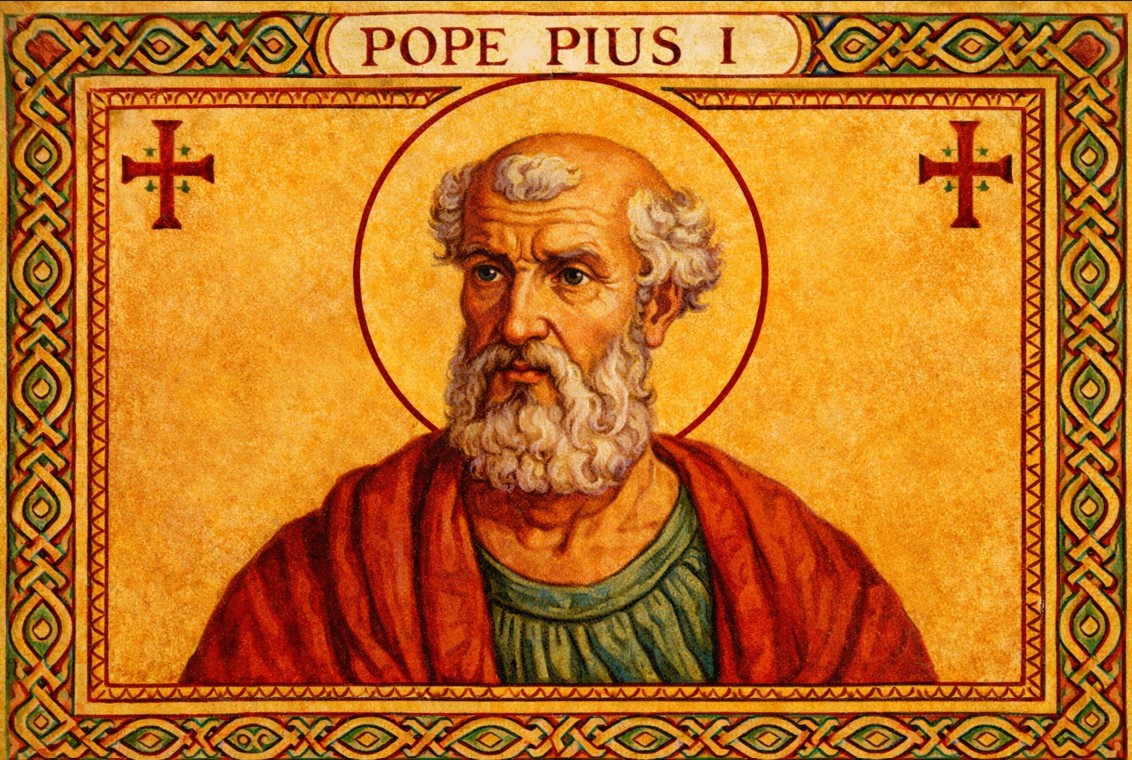
Pope Pius I, the tenth successor of Saint Peter, led the Church during a time when false teachings threatened to divide Christian communities. His leadership helped preserve truth and unity when the foundations of belief were being challenged.


What happens when truth itself is questioned?
During the second century, Christianity was spreading rapidly—but so were conflicting ideas about what Christians should believe. Into this moment stepped Pius I, a pope who would quietly but firmly defend the core teachings of the Church.
Pope Pius I was the tenth pope of the Catholic Church, serving from around 140 AD to 154 AD. He is best known for defending orthodox Christian teaching during a time when early heresies—especially Gnosticism—were gaining influence.
Pius I is believed to have been born in Aquileia, an important Roman city. According to tradition, he was the brother of Hermas, a well-known early Christian writer.
This connection suggests that Pius grew up in a household deeply engaged with Christian teaching and spiritual reflection.
After the leadership of Pope Hyginus, Pius I was chosen as Bishop of Rome. His election came at a critical moment, as the Church faced increasing internal confusion about doctrine.
Pius I led the Church during the mid-second century under the Roman Empire.
One of the most significant challenges during his papacy was the influence of Marcion of Sinope, whose teachings rejected parts of Scripture and proposed a distorted understanding of Christianity.
Pius I played a crucial role in preserving the integrity of Christian belief:
These contributions were vital because they protected the Church from division and confusion, ensuring that authentic teachings were passed on.
Pius I is remembered for:
His spirituality reflects a shepherd who protects his flock—not just from external threats, but from internal error.
Pius I faced serious challenges:
Addressing these required clarity, courage, and strong leadership.
Though no direct writings of Pius I survive, his life offers a lasting message: Truth must be preserved, even when it is challenged from within.
Tradition holds that Pius I died in Rome, though it is uncertain whether he was martyred.
He is honored for safeguarding the faith during a critical period in Church history.
St. Pius I represents:
His efforts helped preserve the foundations of Christian belief for future generations.
Why does St. Pius I matter today?
His legacy continues through the life of the Church today, carried forward by his successors.
To know more about the previous Popes, click here
By Catholic Connect Reporter
St. Pius I, Pope Pius I biography, tenth pope Catholic Church, early Catholic popes, Catholic Church history, Marcion heresy, Gnosticism early Church, Shepherd of Hermas, apostolic succession, history of papacy



© 2026 CATHOLIC CONNECT POWERED BY ATCONLINE LLP