- 25 May, 2026

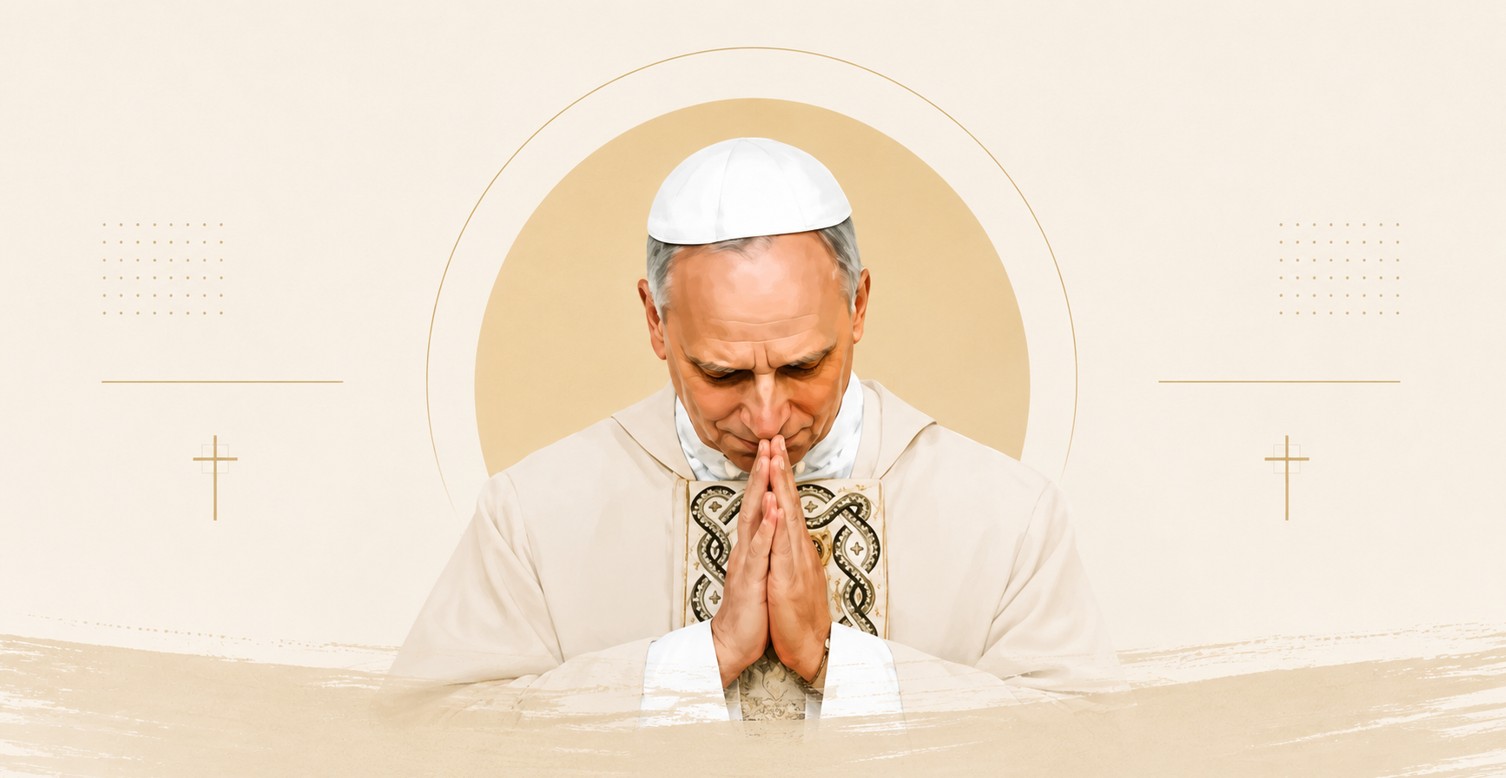
Vatican City, May 25, 2026: For centuries, one of the darkest chapters in human history carried not only the weight of empires and colonial powers, but also the silence — and at times the approval — of religious authorities. Now, in a historic moment for the Catholic Church, Pope Leo XIV has publicly apologised for the Holy See’s own role in legitimising slavery, calling it “a wound in Christian memory”.


The apology came through his first encyclical, Magnifica Humanitas (“Magnificent Humanity”), released on Monday. While focused largely on the ethical dangers of artificial intelligence and modern exploitation, the document also confronted the Church’s painful historical involvement in slavery and colonial expansion.
The Origins of Papal-Approved Slavery


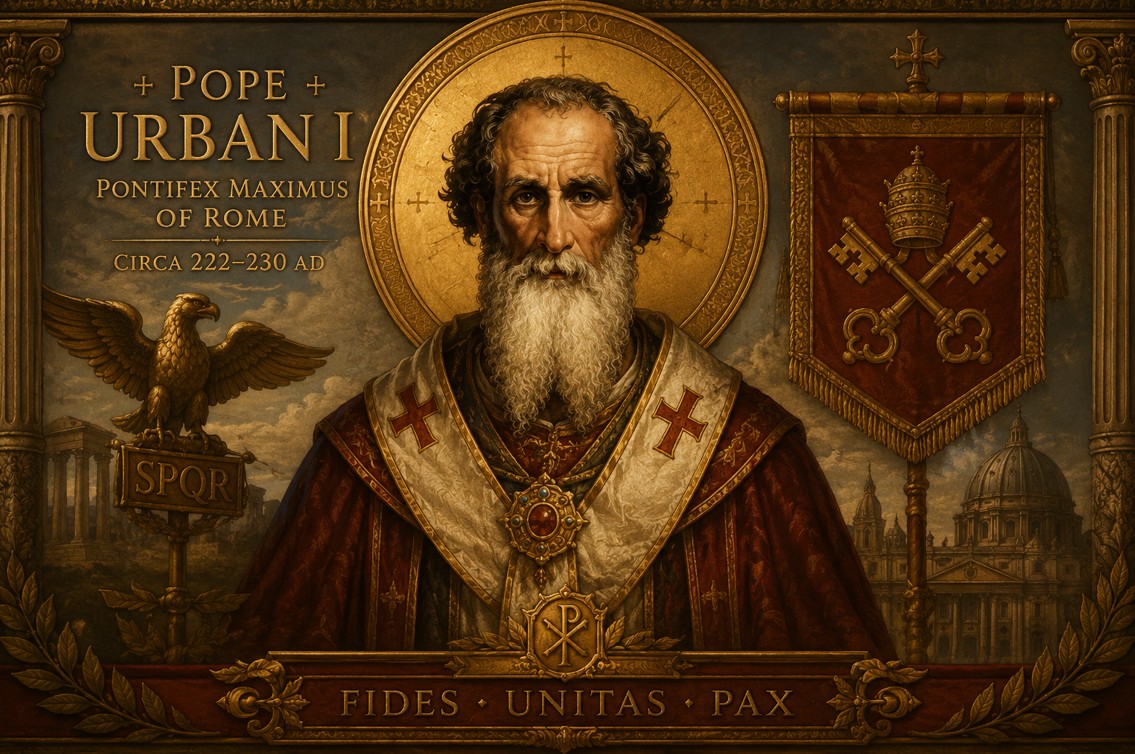
The history dates back to the 15th century, when several papal decrees granted European rulers authority to conquer lands and enslave non-Christians. In 1452, Pope Nicholas V issued the papal bull Dum Diversas, permitting the Portuguese crown “to invade, conquer, fight and subjugate” non-Christian peoples and “to reduce their persons to perpetual slavery”.
A second decree, Romanus Pontifex (1455), further strengthened these permissions and later became part of what is now known as the “Doctrine of Discovery” — the theological and political framework used to justify colonial occupation in Africa and the Americas.
Successive popes, including Pope Callixtus III, Pope Sixtus IV and Pope Leo X, reaffirmed or renewed these permissions over the following decades. Although the Vatican formally repudiated the Doctrine of Discovery in 2023, the original papal bulls themselves were never officially revoked.
Pope Leo XIV’s Historic Words
In Magnifica Humanitas, Pope Leo XIV directly acknowledged this painful legacy in language no pope has previously used so openly.
“It is impossible not to feel deep sorrow when contemplating the immense suffering and humiliation endured by so many in stark contrast to their immeasurable dignity as persons infinitely loved by the Lord,” the pope wrote. “For this, in the name of the Church, I sincerely ask for pardon.”
The pope also admitted that the Church took far too long to explicitly condemn slavery.
“Yet neither can we deny or diminish the delay with which both society and the church came to denounce the scourge of slavery,” he stated.
Calling slavery “a wound in Christian memory,” He added that Catholics today “cannot consider ourselves detached” from this history.
Linking Past Slavery to Modern Exploitation
The encyclical did not only look backwards. Pope Leo XIV connected the trans-Atlantic slave trade to what he described as new forms of slavery emerging in the digital age.
He warned that unchecked technological expansion, especially surrounding artificial intelligence and the mining of rare minerals used in AI production, risks creating systems of exploitation that once again ignore human dignity.
“If we want to avoid the need to ask for pardon again in the future,” the pope wrote, the Church and society must defend “the treasure of human dignity that is required by our faith.”
A Moment of Reflection and Hope
The apology marks a major turning point in the Church’s historical reckoning with slavery. Previous popes, including Pope John Paul II, apologised for Christians’ participation in the slave trade, but never directly acknowledged the role of the papacy itself in legitimising it.
For many historians, theologians and Black Catholic communities who have long called for such recognition, Pope Leo XIV’s words represent an overdue but important step towards truth and healing.
While the wounds of history cannot be erased, the pope’s apology signals a willingness to confront the past honestly — and a reminder that faith must always stand on the side of human dignity, freedom and justice.
Sources:
The article references the papal bulls:


© 2026 CATHOLIC CONNECT POWERED BY ATCONLINE LLP