- 30 September, 2026
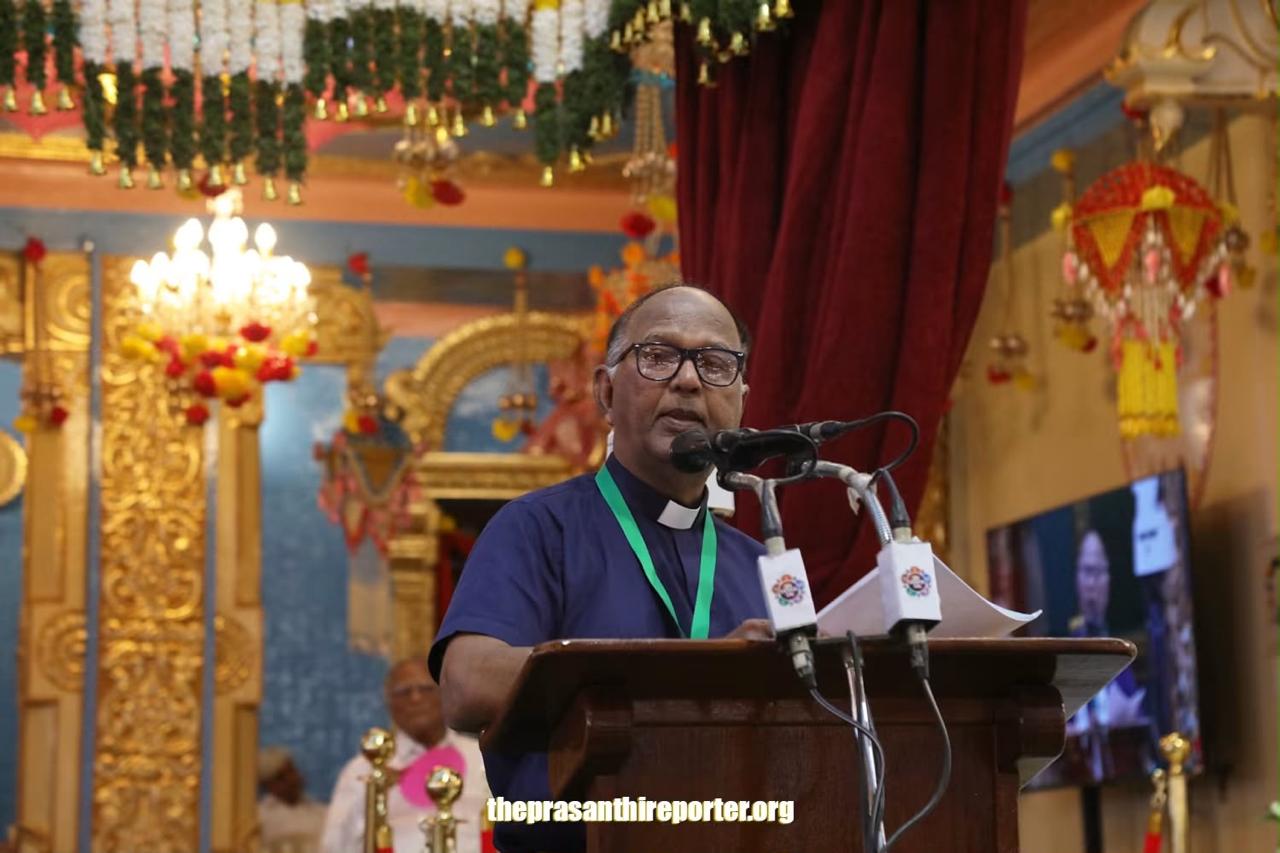
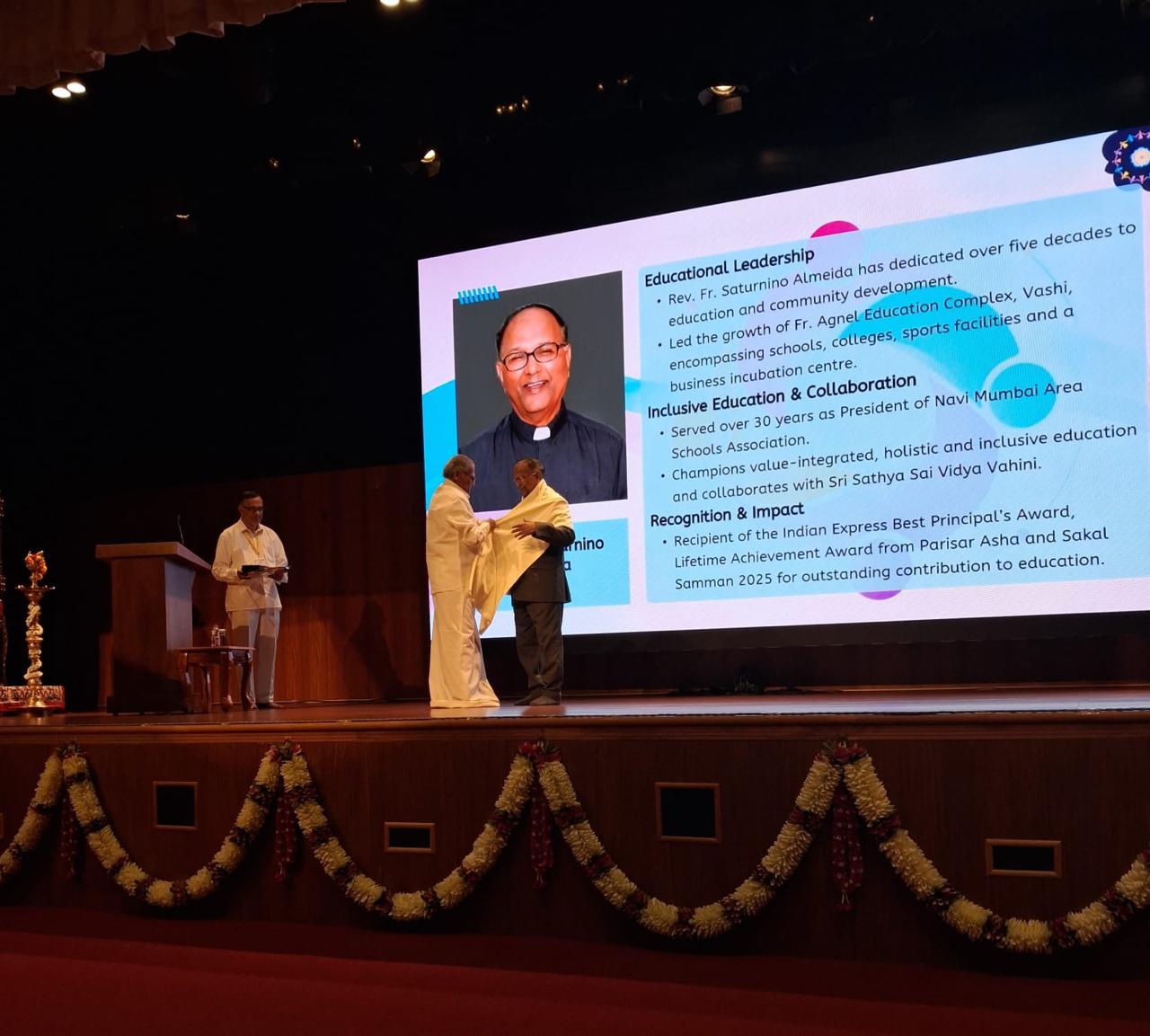
Puttaparthi, September 30, 2026: Schools need to move beyond treating inclusive education as a policy requirement and build classrooms where children with diverse abilities can participate, learn and contribute alongside their peers, said Fr Saturnino Almeida of Fr Agnel Institutions, Navi Mumbai.


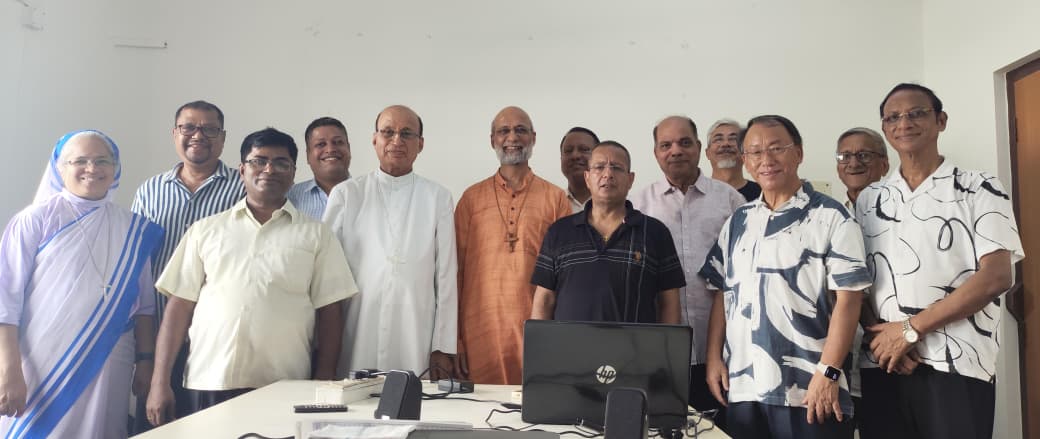
Addressing educators at the Sri Sathya Sai Vidya Vahini (SSSVV) Collaborators Conference 2026, Fr Almeida said meaningful inclusion required trained teachers, practical resources and sustained cooperation among educational institutions.
“Inclusion means belonging. Inclusion means participation. Inclusion means recognising strengths rather than defining children by their limitations,” he said.
Drawing on the experience of Fr Agnel School, Fr Almeida said inclusion involved more than admitting children with disabilities into mainstream classrooms. Students from different linguistic, cultural, social and religious backgrounds, including those requiring academic, social or behavioural support, need an environment in which their differences are recognised without separating them from the wider school community.
An Inclusion Support team at the school works with teachers and school leaders to identify students' needs and develop ways to support their participation in regular classroom life.
Such an approach, Fr Almeida said, benefits the entire school community. Children requiring additional support gain confidence and opportunities to recognise their abilities, while their classmates learn empathy, patience and respect for differences.
The success of inclusion, however, depends heavily on teachers, he said. Good intentions cannot substitute for professional preparation.
“A teacher needs knowledge. A teacher needs practical strategies. A teacher needs resources. And a teacher needs the confidence to say, ‘I can support this child,’” he said.
Fr Almeida called for schools to document and share successful classroom practices so that they can be adapted elsewhere. Teaching aids, case studies and practical strategies developed in individual institutions could become freely accessible resources for teachers in schools with fewer resources.
Digital platforms, he said, could extend this knowledge to schools in rural areas and government institutions that may not have access to specialist expertise.
He described collaboration as a way of turning individual institutional experience into a wider educational resource.
“We are not simply giving our content to SSSVV. We are giving our experience. SSSVV, in turn, helps transform that experience into resources that can be shared,” he said.
Fr Almeida, who is president of the Navi Mumbai Area Schools Association, said school leaders also have a responsibility to make inclusion part of institutional culture rather than treating it as the responsibility of special educators alone.
He later urged young people to carry the principle of inclusion beyond the classroom and contribute to a society in which differences are met with acceptance and respect.
“Creating an inclusive world is the need of the hour,” he said.
By Catholic Connect Reporter


© 2026 CATHOLIC CONNECT POWERED BY ATCONLINE LLP