- 29 April, 2026

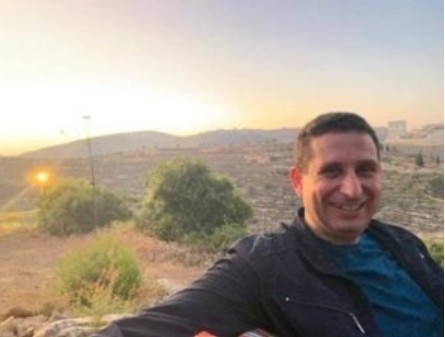
Ramallah / Negev Desert, 29 April 2026: In a case that has drawn concern from Christian leaders and human rights advocates, a Palestinian Christian detainee has finally been granted access to the Bible after more than two years of requests—but continues to be denied a visit from a priest, raising questions about religious freedom in detention.

The prisoner, Rami Rizq Fadayel from Ramallah in West Bank, has been held in administrative detention at Nafha Prison since December 2023. Administrative detention allows authorities to hold individuals without formal charges or trial, often for extended and renewable periods.
For over two years, Fadayel repeatedly requested two basic elements of his faith: access to Scripture and the opportunity to meet a priest. According to Jerusalem Legal Aid and Human Rights Center, which intervened in the case, both requests were initially denied.
“We began our legal intervention back in December 2025, making two requests: access to the Holy Bible and access to a priest,” said Rami Saleh, director of the organization. “According to the Catholic faith, a Christian is to be administered sacraments by an ordained priest and should be allowed confession at least once a year.”


After months of legal efforts, Israeli prison authorities agreed to allow Fadayel access to the Bible. However, the request for a priest’s visit was rejected, a decision that legal advocates are now preparing to challenge.
Fadayel’s mother, Mona Fadayel, described the emotional toll of her son’s prolonged detention and isolation. She has not been permitted to visit or speak with him since his arrest.
“He is sitting with nothing to do; the Bible would help him feel closer to God,” she said. “He is completely alone. No one is allowed to visit except his lawyer once every 40 days.”
She added that her son has now been held for over two years without charge or trial, far exceeding the typical six-month administrative detention period. The detention has been renewed multiple times, with no clear explanation.
The situation has been further compounded by personal tragedy. Fadayel was unable to attend or even be informed in time about his father’s death, learning of it only weeks later through a lawyer.
The case has raised broader concerns about access to religious materials and clergy for detainees. According to advocates, religious books belonging to prisoners were confiscated following the escalation of conflict after October 2023. While copies of the Quran were later returned to Muslim inmates, access to the Bible remained restricted for Christian prisoners.
Legal representatives say the process of securing even basic religious rights involved complex bureaucratic requirements, including obtaining special authorization and signatures from the detainee.
It remains unclear whether the recent approval for Fadayel will extend to other Christian prisoners. At least two other detainees have reportedly submitted similar requests for access to the Bible.
Christian leaders emphasize that access to Scripture alone does not fulfill the spiritual needs of believers. The presence of clergy and participation in sacraments are central to Christian life.
William Shomali, auxiliary bishop of the Latin Patriarchate of Jerusalem, underscored this point by referring to the teachings of the Gospel of Matthew.
“The Lord Jesus specifically spoke about visiting prisoners,” he said. “Helping those in prison is a direct act of service to Him.”
For many Christians, confession, communion, and pastoral care are not optional practices but essential expressions of faith—especially in times of suffering and isolation.
Fadayel’s case highlights broader concerns about the use of administrative detention and the conditions faced by detainees. Human rights groups have long criticized the practice for allowing indefinite imprisonment without due process.
Reports from former detainees and legal observers point to harsh living conditions, limited access to healthcare, and severe restrictions on family contact. In some cases, detainees are held in solitary confinement or face punitive measures for minor infractions.
The denial of clergy visits adds another dimension to these concerns, particularly for religious minorities whose spiritual practices depend on ordained ministers.
Despite the hardships, Fadayel’s persistence in requesting a Bible reflects the enduring importance of faith even in the most difficult circumstances. For many prisoners, Scripture serves as a source of hope, strength, and inner peace.
The words of the Psalms resonate deeply in such moments: “The Lord is close to the brokenhearted…”
For Fadayel and others in similar situations, access to faith is not merely symbolic—it is a lifeline.
Legal advocates and Church leaders are now calling for greater respect for religious freedom within detention systems. The Jerusalem Legal Aid and Human Rights Center has indicated it will continue legal efforts to secure clergy access for Fadayel and potentially for other detainees.
There are also growing appeals to international organizations and faith communities to raise awareness about the situation and advocate for the rights of prisoners.
The case serves as a reminder that beyond political and legal debates, there are deeply human stories—of isolation, longing, and faith.
While the approval of a Bible marks a small step forward, the denial of a priest’s visit underscores the ongoing challenges faced by Christian detainees in the region.
For Fadayel’s family, the hope remains simple: that he will not only receive spiritual comfort but also justice and freedom.
Until then, his story stands as a powerful testament to the resilience of faith—and a call to uphold the dignity and rights of every human being, regardless of circumstance.
Courtesy Christian Daily
Photo Courtesy : Rami Rizq Fadayel's family
© 2026 CATHOLIC CONNECT POWERED BY ATCONLINE LLP