- 26 November, 2026
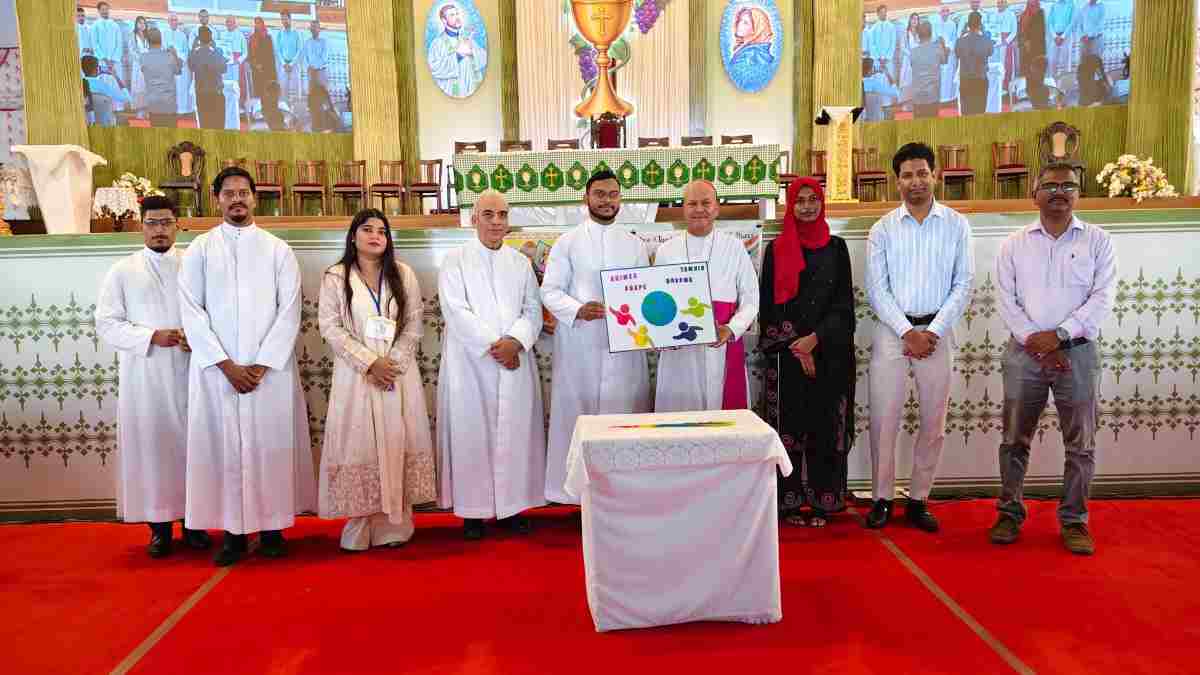
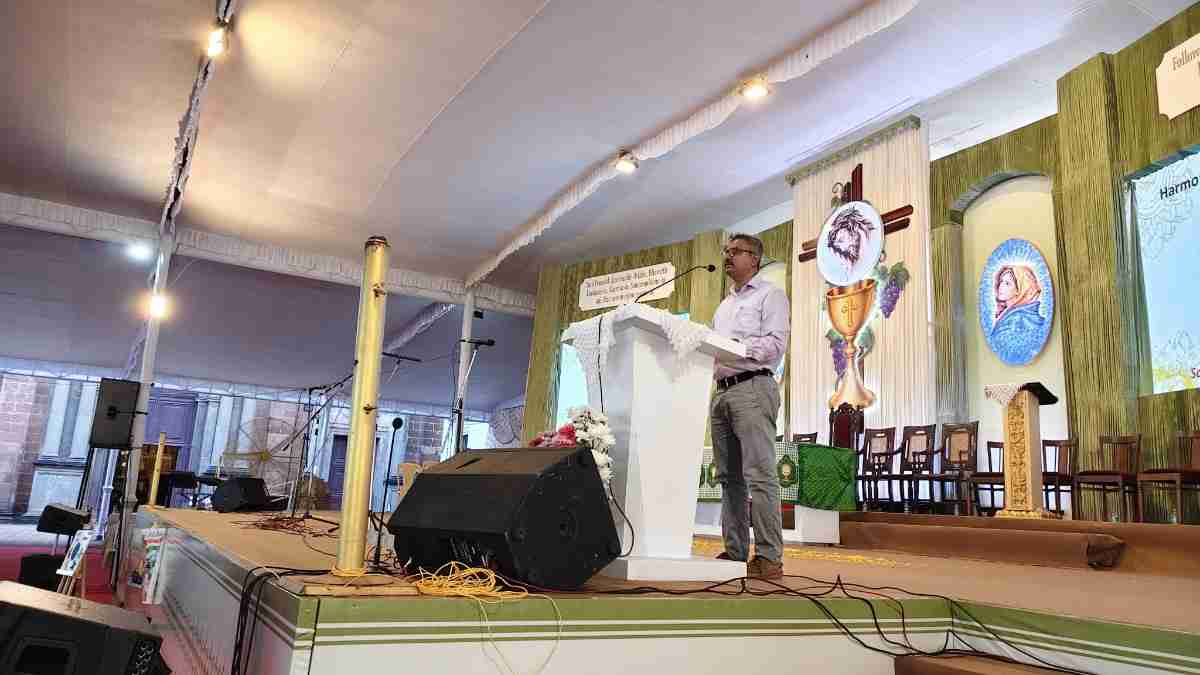
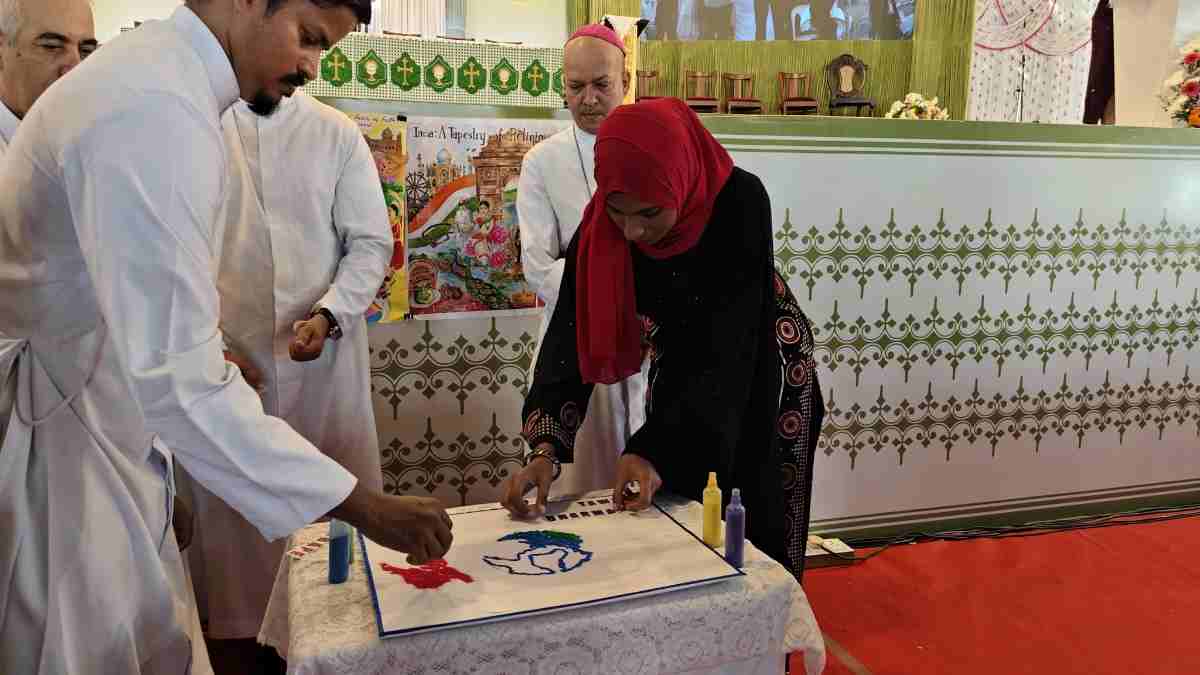
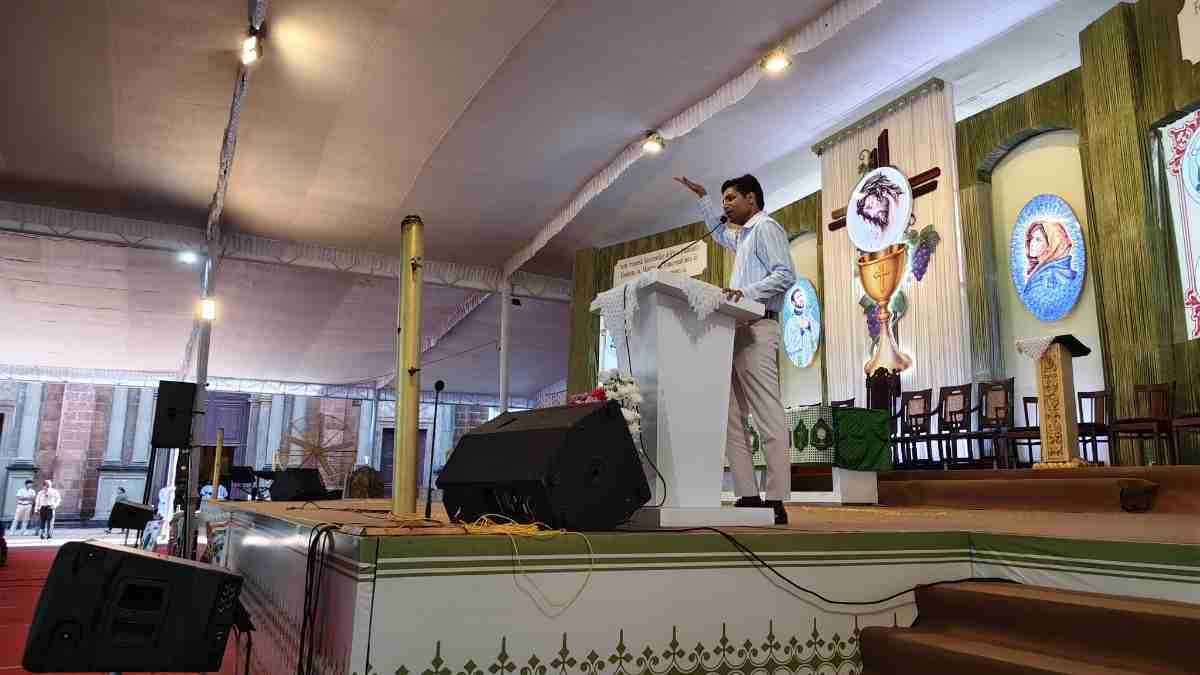
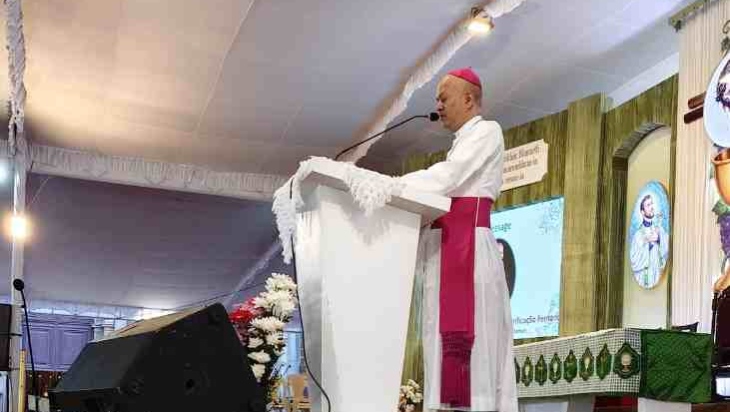
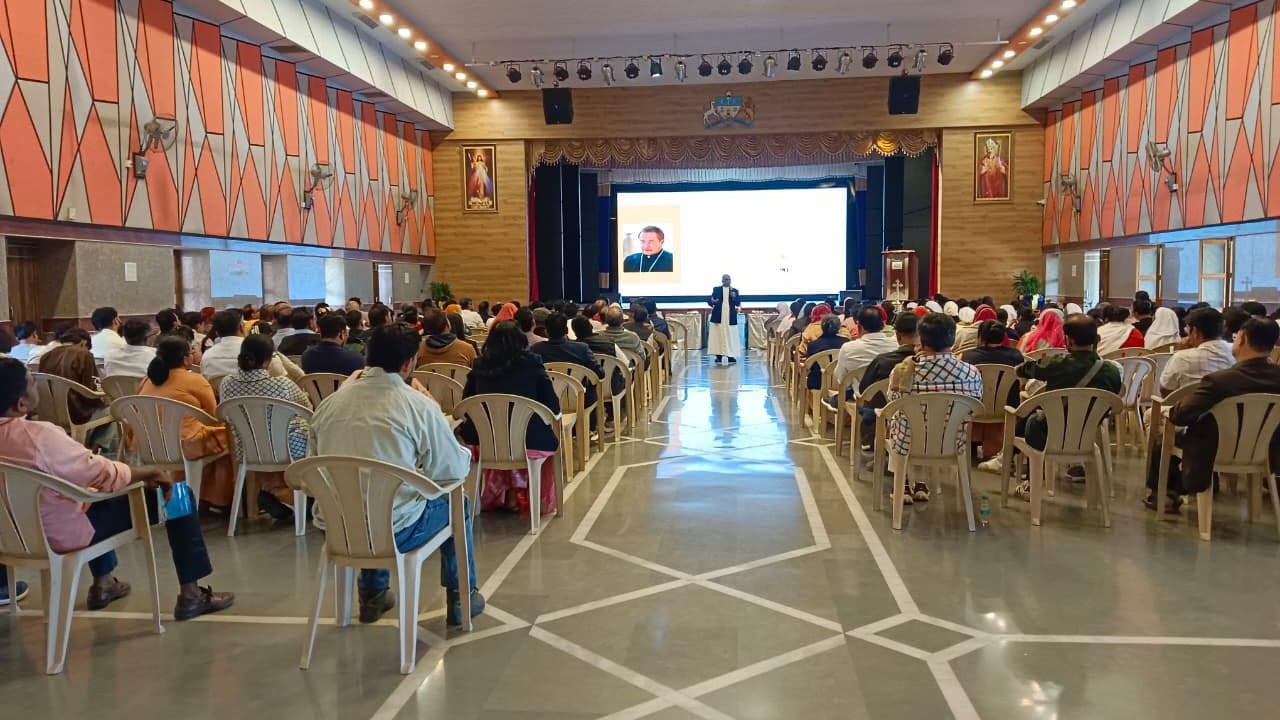
OLD GOA, November 26, 2026: Representatives of Hindu, Muslim and Christian communities have called for greater mutual respect, dialogue and cooperation to preserve Goa's tradition of religious harmony and strengthen national unity.
The call came at an interreligious gathering held in Old Goa under the theme “Harmony Today, A Stronger Nation Tomorrow”. Organised by the Apostolate of Inter-Religious Dialogue of the Archdiocese of Goa and Daman, in collaboration with Sadbhav of the Society of Pilar, the Diocesan Society of Education and the Archdiocesan Board of Education, the programme brought together religious leaders, educators, social activists and students.
Mediha Shah, representing the Muslim community, described harmony as a way of life founded on justice, mercy, kindness and respect for others without compromising one's religious identity.
Drawing on her experience as a medical student visiting old-age homes, she spoke about elderly residents who longed for the presence and affection of their children, emphasising that care and human relationships were more important than material assistance.
Referring to Islamic teachings on kindness towards neighbours and people of other faiths, she recalled an incident in which Prophet Muhammad stood in respect during the funeral procession of a Jewish man, affirming human dignity beyond religious boundaries.
Quoting the Quran's Surah Al-Hujurat, verse 13, she said diversity was meant to help people understand one another. “Unity does not mean uniformity,” she said, urging young people to reject hatred and discrimination and build relationships based on trust and respect.
Swapnesh Sherlekar, a social activist, researcher and trainer representing the Hindu community, highlighted Goa's traditions of coexistence between Hindus and Christians. Recalling how members of both communities traditionally came together to sell flowers during religious festivals and zatras, he said such practices were an integral part of Goa's cultural identity.
“These traditions are our culture,” he said, adding, “We cannot hate each other.” Describing religious harmony as central to Goa's identity, he called for preserving its longstanding traditions of coexistence.
Representing the Christian community, Tyson D'Costa urged young people to build a future founded on justice, equality and meaningful human relationships rather than divisive narratives.
Referring to the growing involvement of Generation Z in movements for rights and justice, he expressed optimism about the future while encouraging young people to look beyond external achievements and discover their deeper purpose.
“We are social beings and not social doings,” he said, cautioning against measuring human worth solely through productivity and accomplishments. He also encouraged young people to reconnect with nature and cultivate a life rooted in love and compassion.
Drawing on Pope John Paul II's encyclical Fides et Ratio, D'Costa stressed the importance of reason alongside faith, cautioning against blind faith and highlighting the need for philosophical formation before theological studies.
Teachers Jenifa Dias of Mount Mary High School, Chinchinim, and Mesha Kamat of St Francis Xavier Higher Secondary School, Siolim, shared experiences of interreligious harmony in their educational communities.
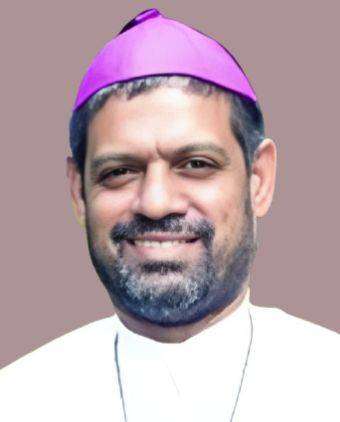
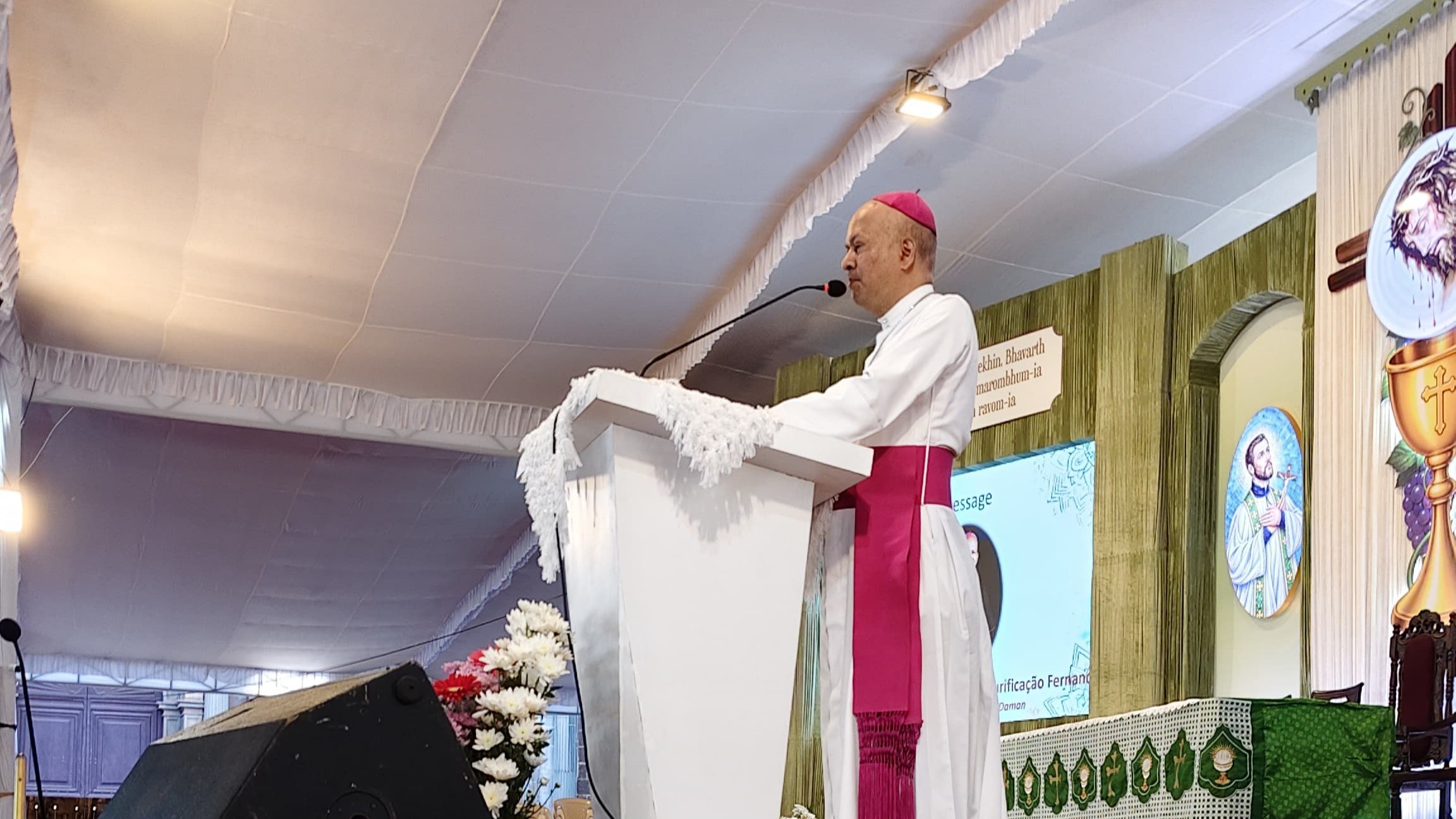
In his address, Auxiliary Bishop Simião Fernandes of Goa and Daman called on citizens to contribute to nation-building through noble hearts, acceptance of differences, togetherness, integrity, oneness and national spirit.
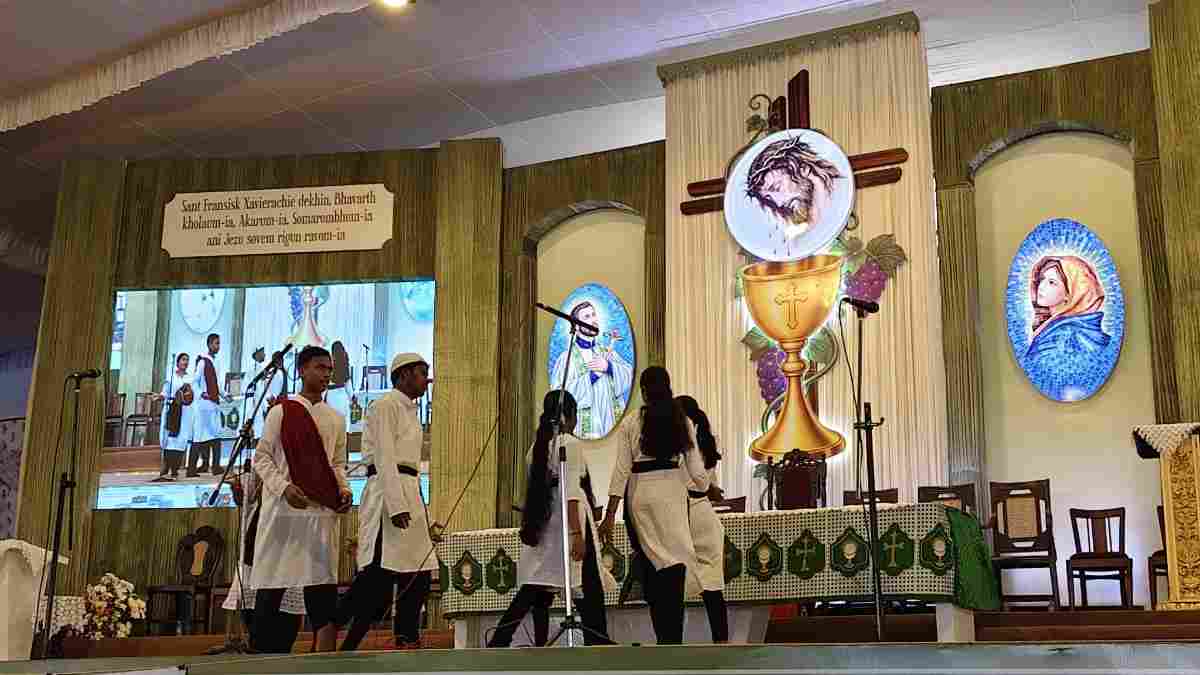
Students promote harmony through art and performance
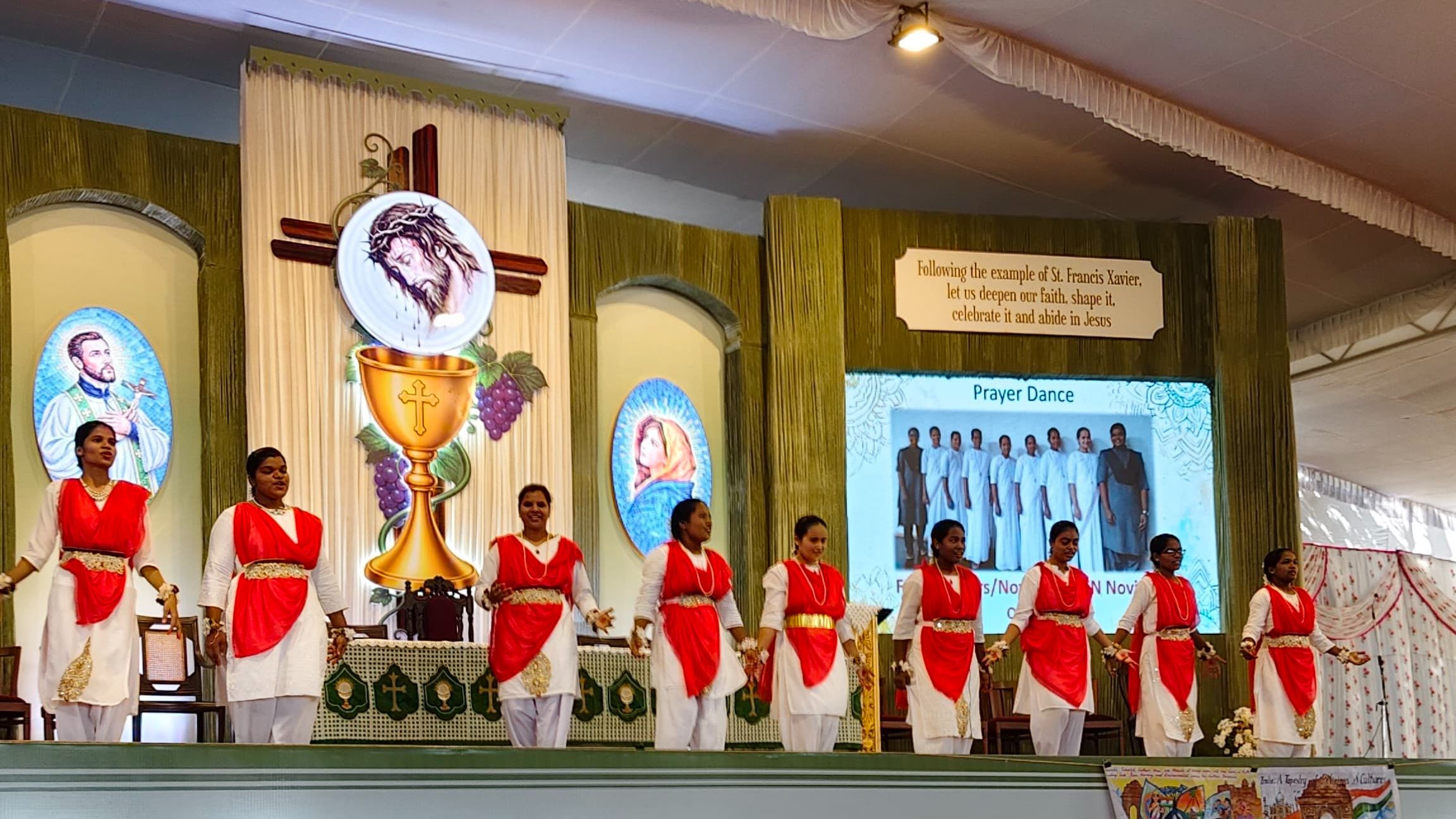
Students from several educational institutions reinforced the theme through music, theatre, dance and other creative presentations.
St Xavier's Academy, Old Goa, presented a mime, while Our Lady of Miracles High School, Sanguem, staged a street play. Students of St Francis Xavier Higher Secondary School, Siolim, and Our Lady of Rosary High School, Dona Paula, presented interfaith talent performances.
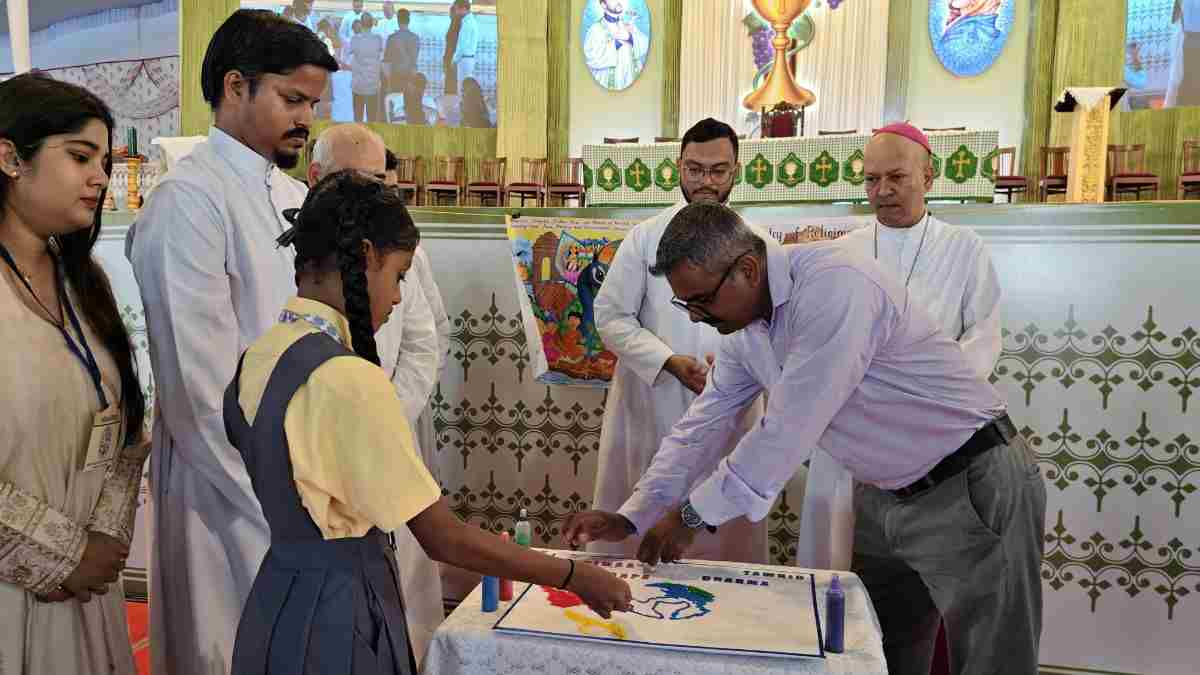
The FMCK Sisters and novices and the SFN novices of Old Goa performed a prayer dance, while parishioners of Sao Jose de Areal presented a dance. A hymn on unity and a painting competition titled “Hues of Harmony” further highlighted the message that diversity can strengthen rather than divide society.
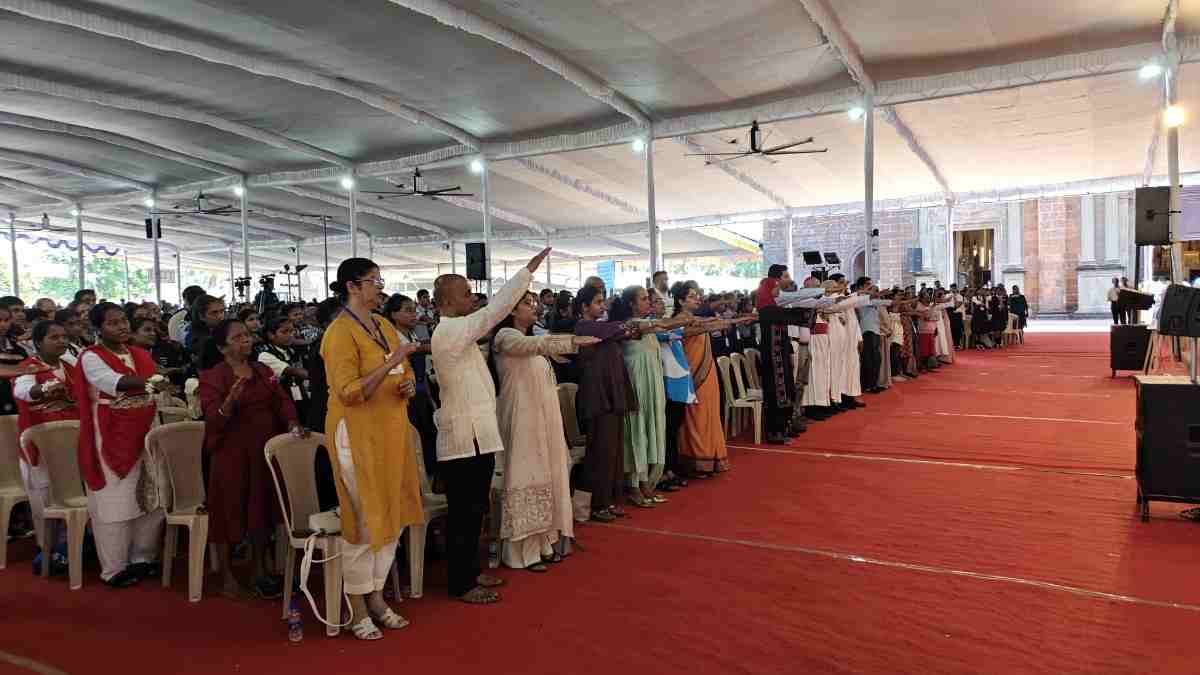
Fr Heston Ferrão, convenor of the Apostolate for Inter-Religious Dialogue, addressed the gathering. Sr Godwina Pereira led the interfaith pledge, while Alisha D'Cunha proposed the vote of thanks. The choir, led by Fr John Albano Fernandes, presented the concluding hymn. Conrida Pereira compered the programme.
The gathering brought together religious perspectives and experiences from educational and social settings, emphasising that lasting national unity depends on respect for differences, meaningful relationships and a shared commitment to the common good.
By Br. Malvino Alfonso OCD
© 2026 CATHOLIC CONNECT POWERED BY ATCONLINE LLP