- 26 November, 2026
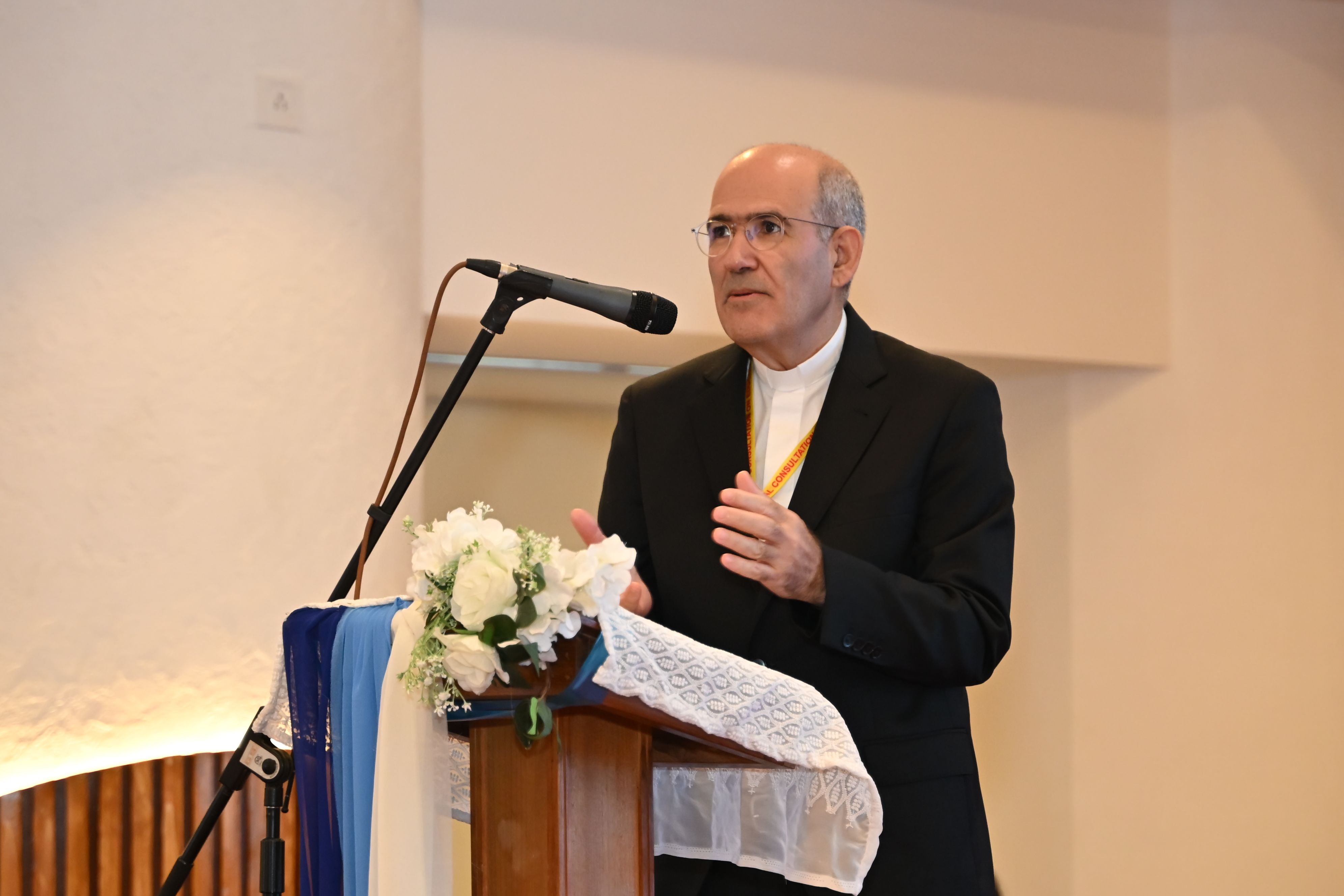
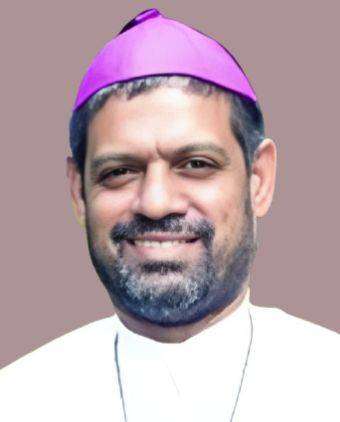
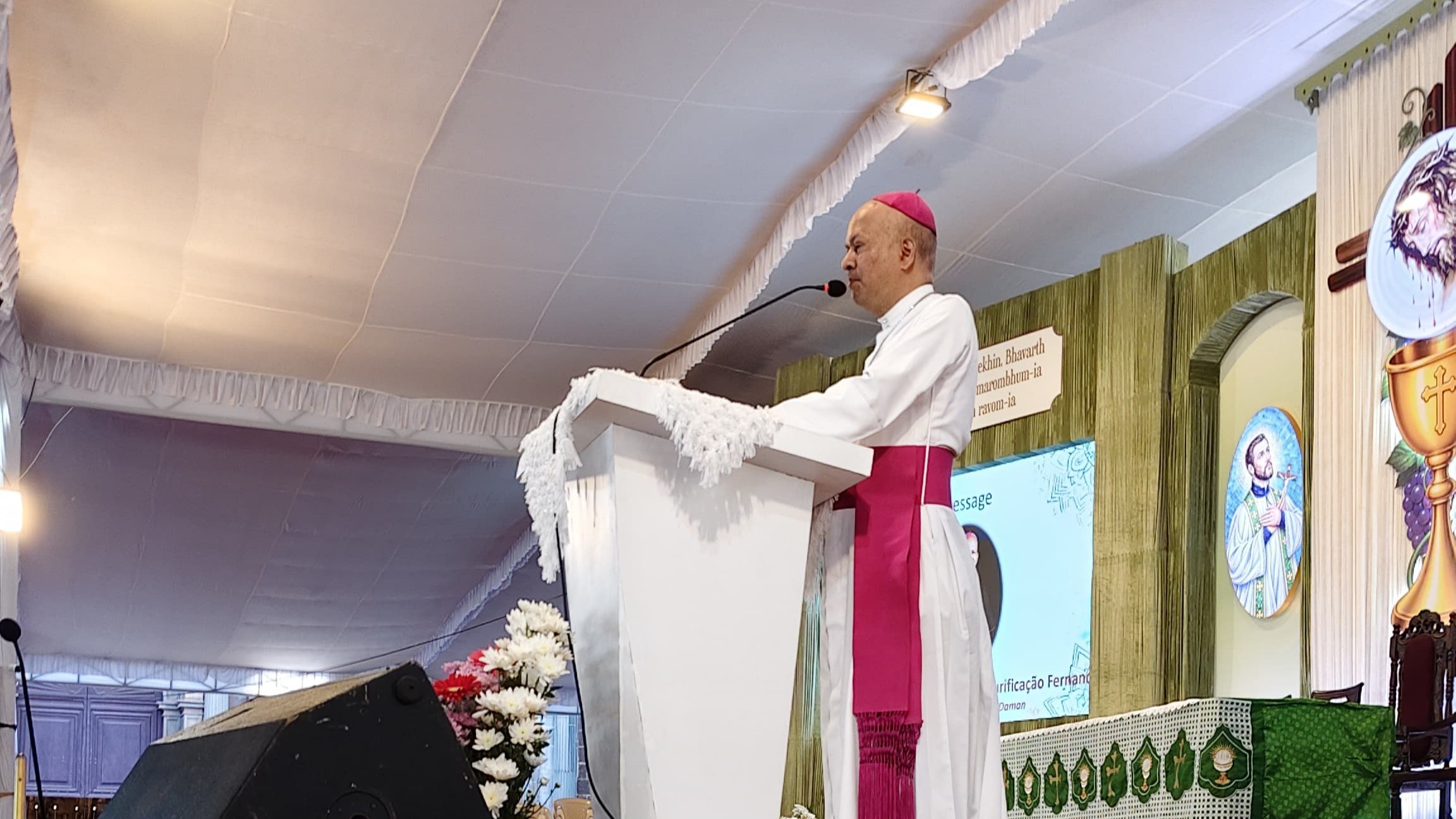
GOA, November 26, 2026: Catholic education must go beyond academic achievement and employability to help young people discover their vocation, uphold their dignity and assume responsibility towards society, Cardinal José Tolentino de Mendonça, Prefect of the Vatican Dicastery for Culture and Education, has said.


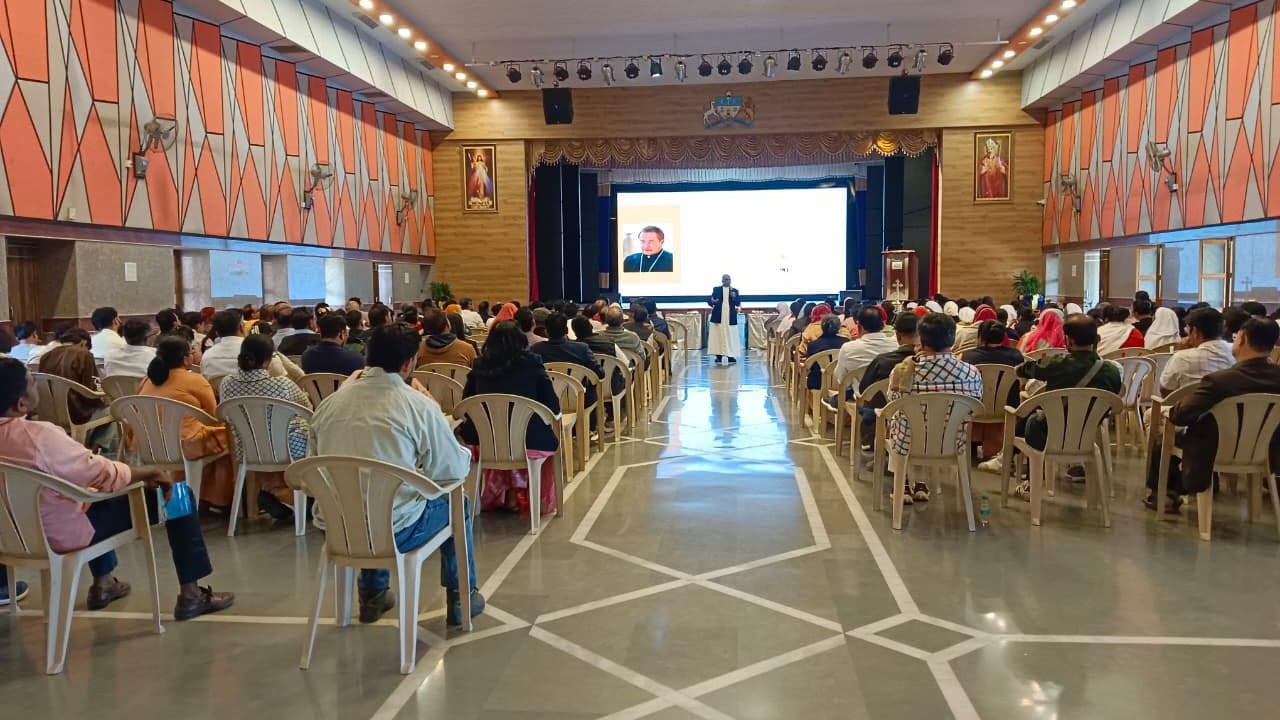
Delivering the keynote address at the CBCI National Consultation on Education 2026 in Old Goa, the cardinal called for a renewed vision of education that places the human person at its centre, particularly amid rapid technological change, artificial intelligence and evolving social needs.
The three-day consultation, held from November 25 to 27 at St Joseph Vaz Spiritual Renewal Centre, is organised by the CBCI Office for Education and Culture, co-hosted by Academica and coordinated by the Archdiocesan Board of Education, Goa. Its theme is “Rebuilding the Soul of Education: Identity, Integrity and Influence.”
Describing education as a “craft of promises”, Cardinal Tolentino said teaching involves a commitment to another person and to a future whose possibilities are not yet fully known.
He acknowledged the contribution of the Catholic Church to education in India, which includes approximately 14,000 schools, more than 600 colleges, 11 universities and hundreds of technical and vocational institutions. He described this network as a service not only to the Church but also to the wellbeing of the nation.
Recalling the educational work of St Kuriakose Elias Chavara, the cardinal highlighted the saint’s efforts to ensure that poverty did not deprive children of education. Chavara supported disadvantaged students by providing food, clothing and books.
He also cited St Teresa of Calcutta’s early efforts to educate street children in Motijhil in 1948. With the muddy ground serving as a blackboard and a stick as her teaching aid, she began teaching children their letters. Within weeks, more than 40 children had joined her.
“That simple gesture carried an immense promise. It said to each of those children: you matter, someone believes in you, someone will come back tomorrow,” he said.
Cardinal Tolentino cautioned against judging educational institutions solely by examination results, rankings and placement records. Education, he said, must form the whole person by nurturing moral values, discernment, compassion and responsibility towards the common good.
Addressing Catholic identity, he said it must be rooted in an encounter with Jesus Christ and reflected throughout the educational experience. “Educational communities guided by the word of Christ do not build walls; they build bridges,” he said, describing cultural and religious diversity as an opportunity for dialogue and mutual enrichment.
On artificial intelligence, the cardinal warned that excessive dependence on technology could weaken independent thinking. He stressed that access to information does not automatically lead to wisdom and that machines cannot take on human moral responsibility.
He also called for greater attention to students’ interior lives, urging educational institutions to make room for silence, reflection, prayer and the search for meaning instead of overwhelming them with activities.
Looking towards India's future in 2040, Cardinal Tolentino outlined three educational priorities highlighted by Pope Leo XIV: nurturing the inner life, building a human-centred digital world, and promoting disarmed and disarming peace.
“The Church is not called simply to adapt to the future, but to help shape it,” he said, urging Catholic educational institutions to form individuals capable of contributing to a more humane future.
By Br. Malvino Alfonso OCD
© 2026 CATHOLIC CONNECT POWERED BY ATCONLINE LLP