- 24 October, 2026
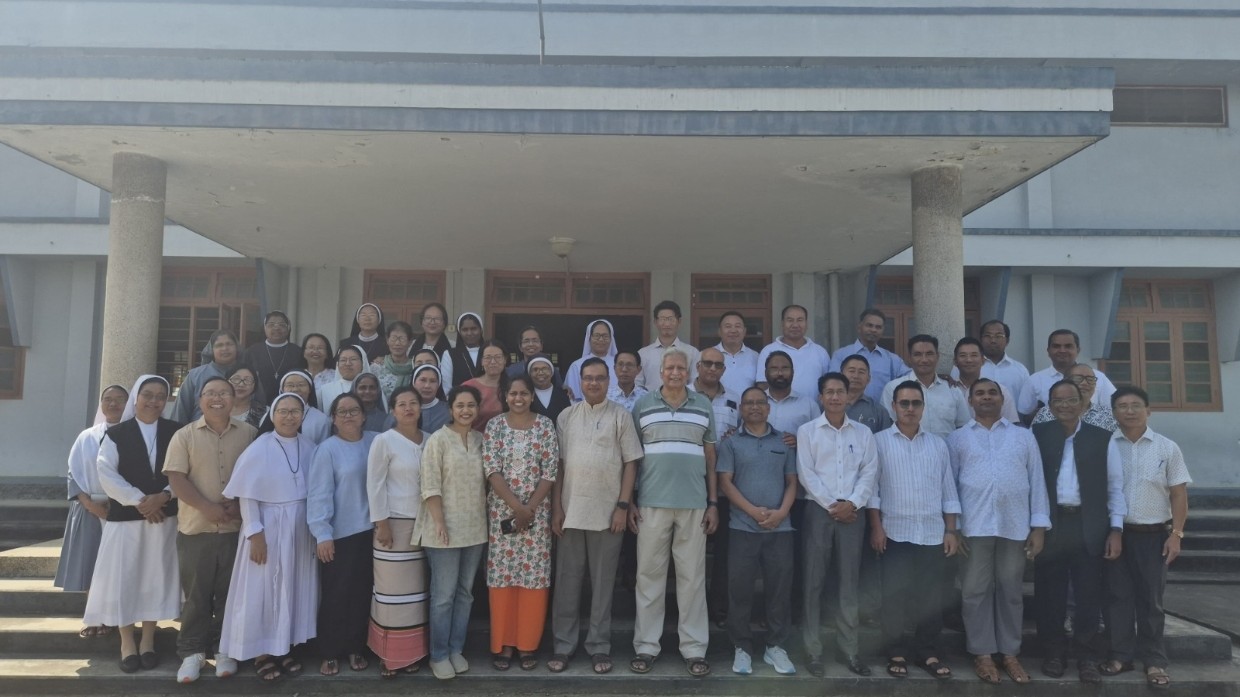
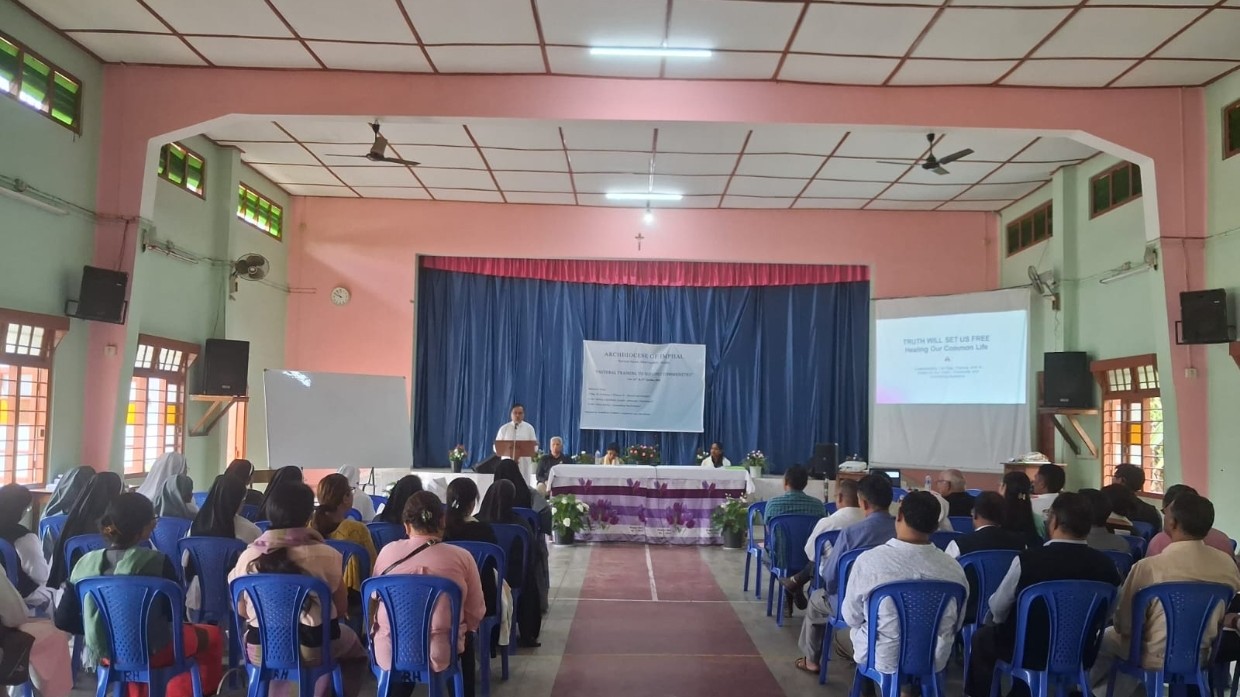
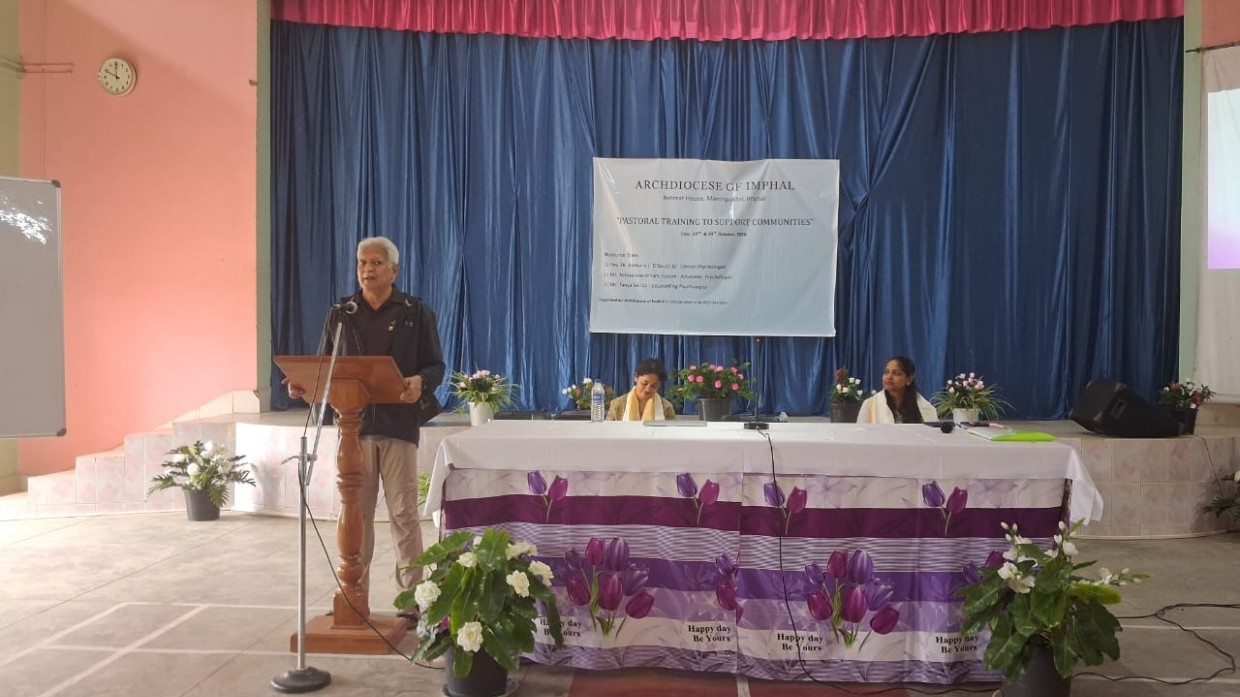
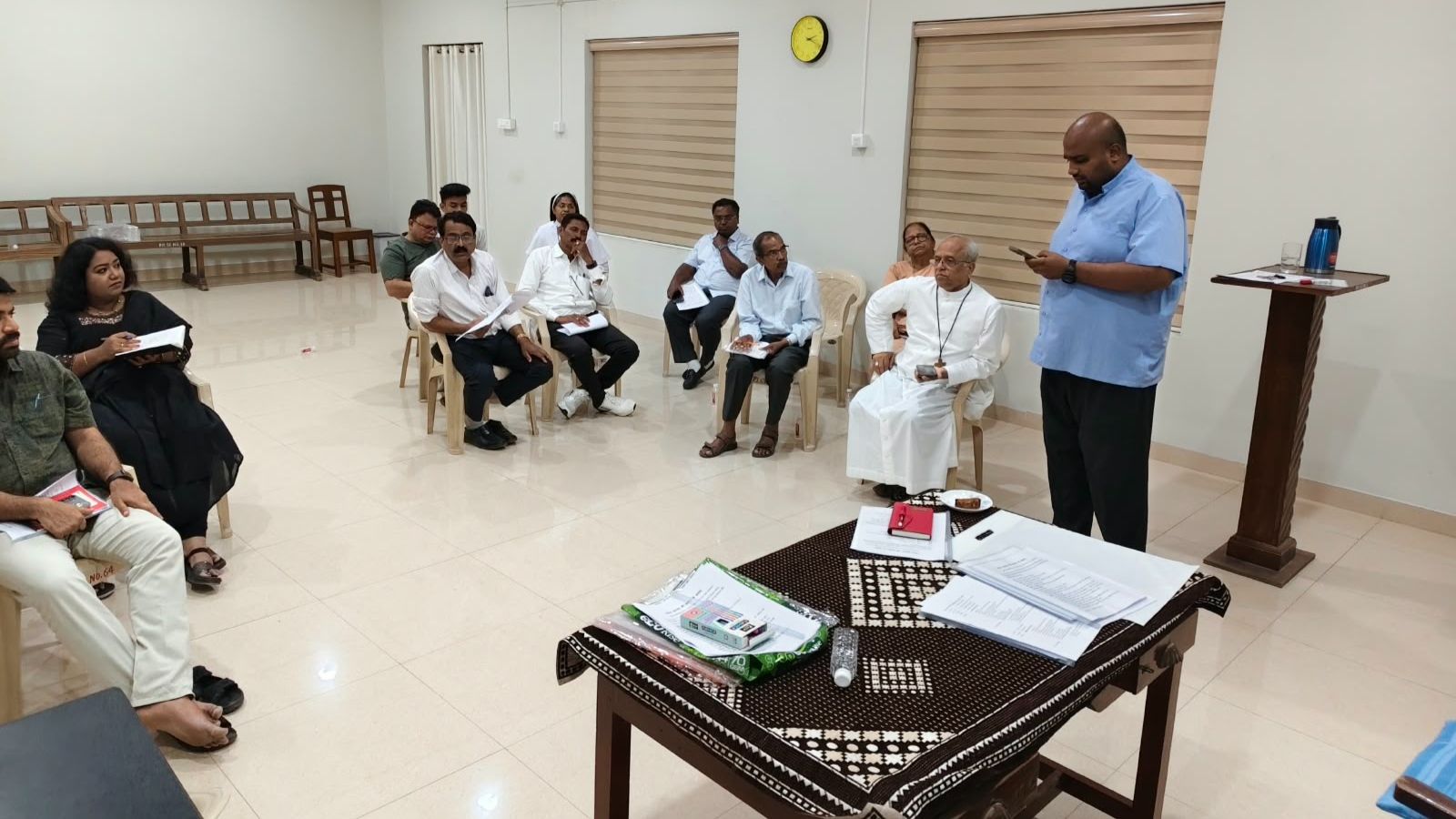
Imphal, October 24, 2026: The Archdiocese of Imphal, in collaboration with the Diocesan Social Service Society (DSSS), Imphal, organised a two-day pastoral training programme on 22 and 23 October to equip Church leaders with tools to support trauma-affected communities and promote peace.


The programme, held at St. Paul’s Retreat House, Imphal, brought together 60 pastoral ministers, including Catholic priests, religious sisters and lay leaders from across the region. It combined clinical psychology, somatic practices and pastoral care to address emotional and psychological trauma in conflict-affected communities.
In his welcome address, Fr. Varghese, Vicar General of the Archdiocese of Imphal, stressed the responsibility of Church personnel and lay leaders to guide communities with compassion and hope. He emphasised that pastoral care must address emotional, mental and spiritual needs to support healing.
The sessions were facilitated by Fr. Tony Anthony D’Souza SJ, a clinical psychologist from Mumbai; Nithya Lourmary Joseph, an advocate and psychologist; and Tanya Serrao, a counselling psychologist.
The first day, themed “Restoring the Broken Mirror”, focused on self-awareness and understanding the neurobiology of stress. Participants explored body-scanning and breathing techniques, the Triune Brain Model, the autonomic nervous system and stress responses, including fight, flight and freeze. Reflective exercises also helped them examine personal triggers, perceptions, active listening and forgiveness.
The next day themed “Rehumanising Self and Reversing Violence”, examined how fear fuels polarisation and mutual dehumanisation. Through interactive exercises and group discussions, participants explored ways to restore human dignity and break cycles of violence.
The training also introduced practical coping techniques, including box breathing, the 5-4-3-2-1 grounding technique and demonstrations of neuro-linguistic programming (NLP). Participants learned to distinguish a person’s intrinsic worth from their behaviour, roles, titles and labels.
The programme equipped the 60 pastoral leaders with trauma-informed care tools, de-escalation skills and strategies to manage emotional distress and foster dialogue and reconciliation.
It ended with a focus on moving from emotional reactivity to rational empathy, with the aim of supporting long-term emotional recovery and sustainable peace in the region.
By Catholic Connect Reporter
Continue Reading on Catholic Connect App
Get access to exclusive news articles & more.

© 2026 CATHOLIC CONNECT POWERED BY ATCONLINE LLP