- 15 November, 2026
November 15, 2026
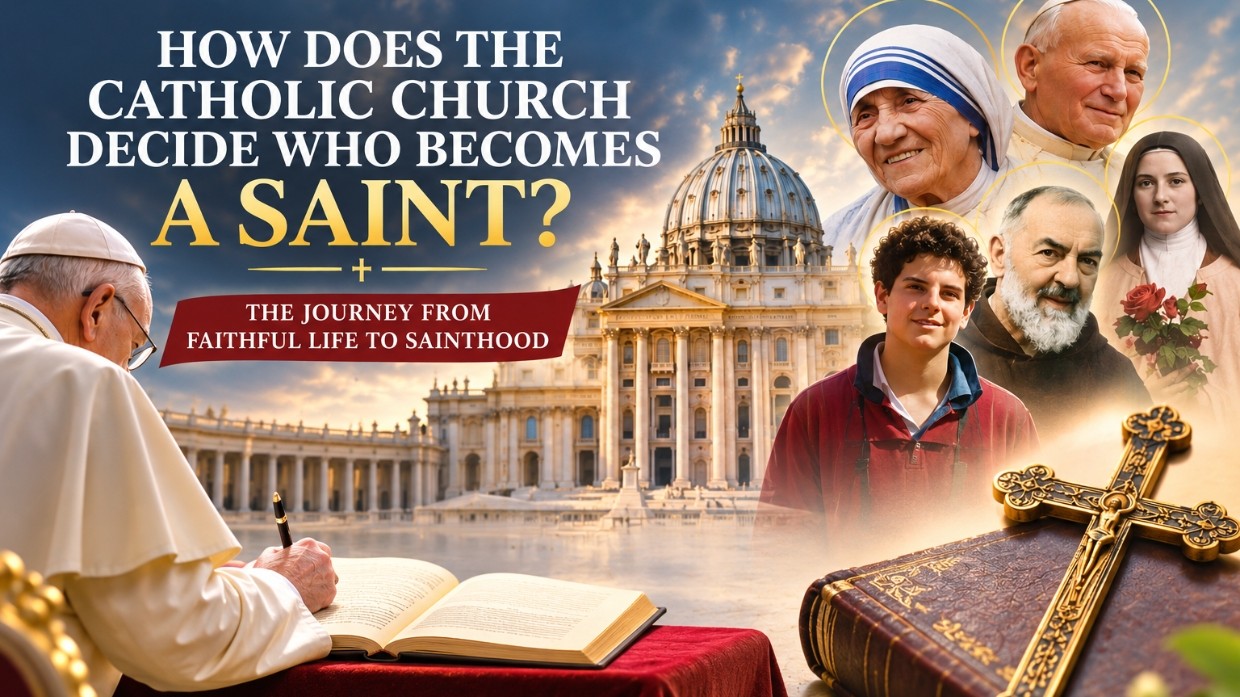
: What makes someone a saint? Is it a life filled with miracles, extraordinary sacrifices or unwavering faith? In the Catholic Church, sainthood is not simply a title given to people admired for their goodness. It follows a detailed process of investigation, prayer and discernment that examines how a person lived, died and inspired others through faith.
The Catholic Church follows a formal process known as canonisation to recognise individuals as saints. Through this process, the Church examines whether a person lived a life of heroic virtue, remained faithful to Christian values and can be presented as an example for Catholics around the world.
The journey usually begins at least five years after a person's death, although the Pope can waive this waiting period, as happened in the case of St. John Paul II.
From Servant of God to Venerable
The process begins when a bishop investigates whether a deceased person deserves recognition for their holiness. The candidate is known as a Servant of God once the formal cause for canonisation opens.
Church authorities collect testimonies from people who knew the individual, examine their writings and investigate their reputation for holiness. Historians and theologians also assess the person's life and teachings to ensure they remained consistent with Catholic doctrine.
If the Vatican confirms that the person demonstrated heroic Christian virtues, the Pope may declare them Venerable. This recognition marks an important step, but it does not yet permit public veneration throughout the universal Church.
The Role of Miracles
One of the most fascinating aspects of canonisation is the investigation of miracles, particularly unexplained medical healings attributed to the candidate's intercession.
Medical experts first examine the scientific evidence to determine whether a recovery has a natural medical explanation. Theological experts then assess whether the healing can reasonably be attributed to the candidate's intercession.
For beatification, the Church generally requires one recognised miracle after the person's death. Martyrs, however, can be beatified without one because the Church recognises their sacrifice for the faith.
Beatification and Canonisation
Once the Church recognises the required miracle, the Pope may declare the person Blessed through beatification. A second miracle, generally occurring after beatification, is normally required for canonisation.
Finally, the Pope formally declares the individual a Saint, allowing the universal Church to recognise and honour them.
Interestingly, canonisation does not mean the Church has made someone a saint through a ceremony. Rather, it officially recognises that the person is with God and can serve as an example of holiness.
Ultimately, the process reminds Catholics that sainthood is not reserved for extraordinary people. It is about ordinary individuals who lived extraordinary lives of faith, compassion, courage and love.
By Catholic Connect Reporter
Continue Reading on Catholic Connect App
Get access to exclusive news articles & more.
© 2026 CATHOLIC CONNECT POWERED BY ATCONLINE LLP