- 15 November, 2026
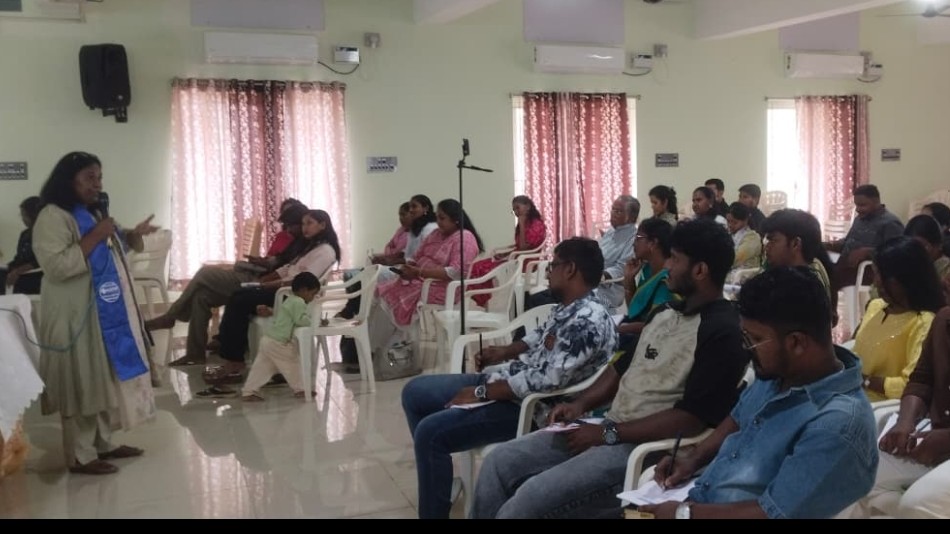
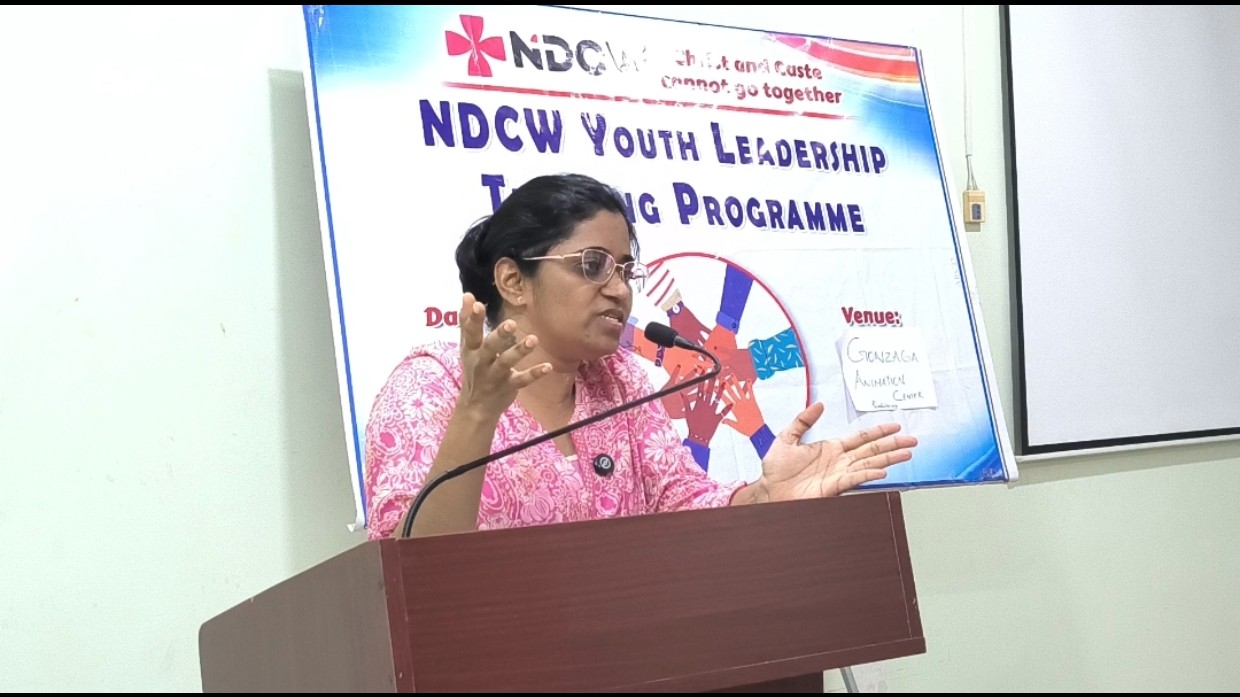
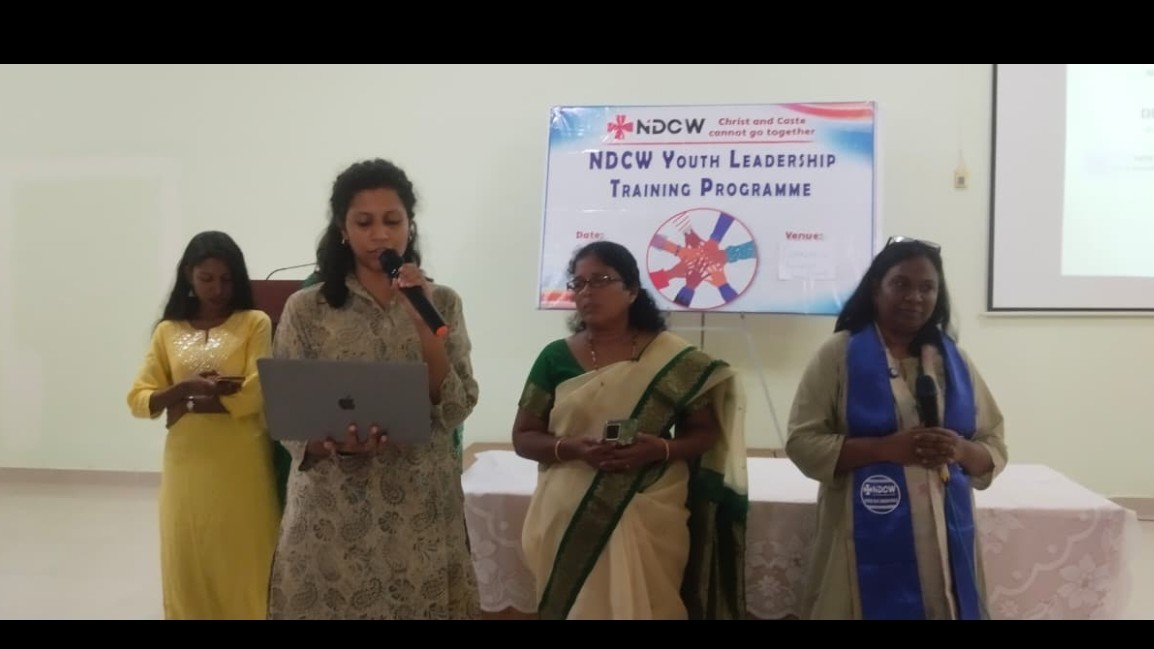
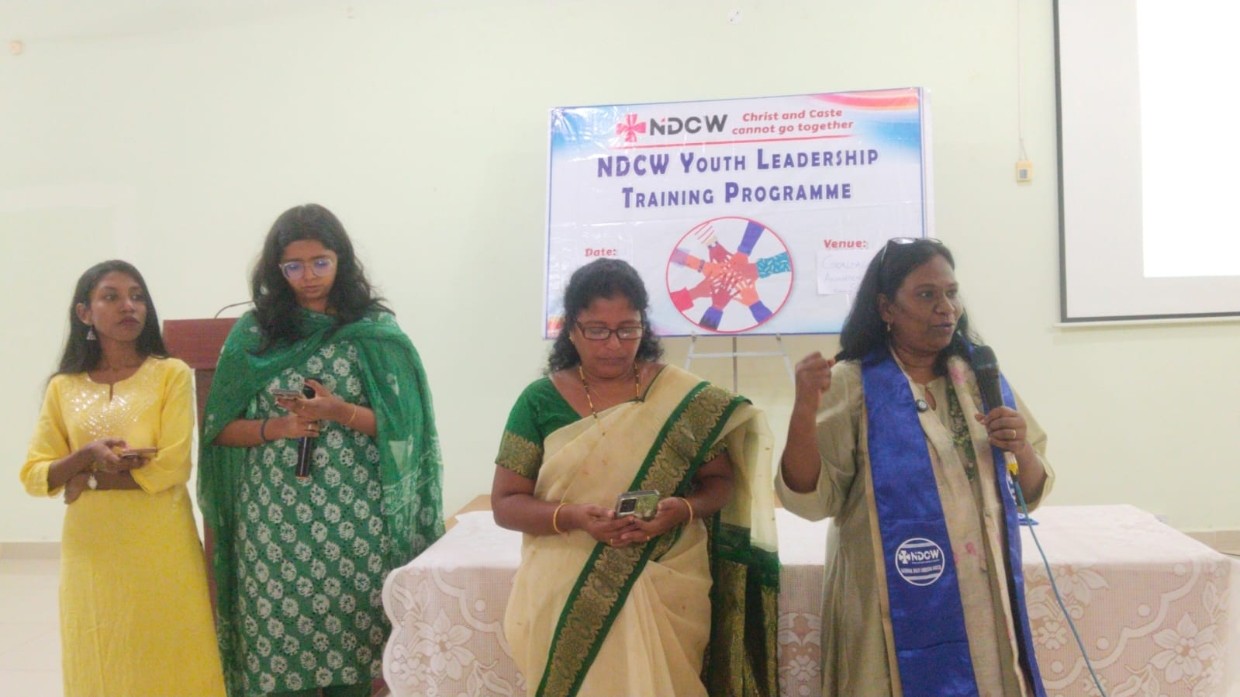
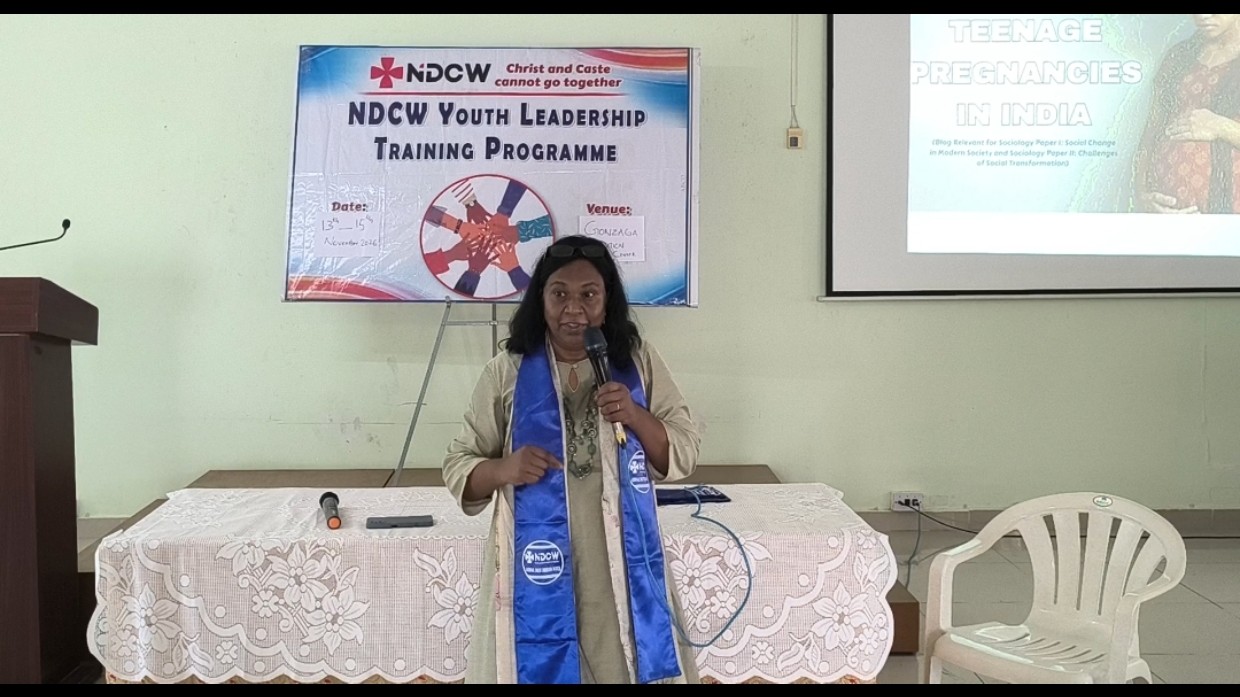
Pondicherry, November 15, 2026: Gender discrimination, women's rights and constitutional safeguards were the focus of the second day of the National Dalit Christian Watch (NDCW) Youth Leadership Development Programme at Gonzaga Animation Centre on Saturday.


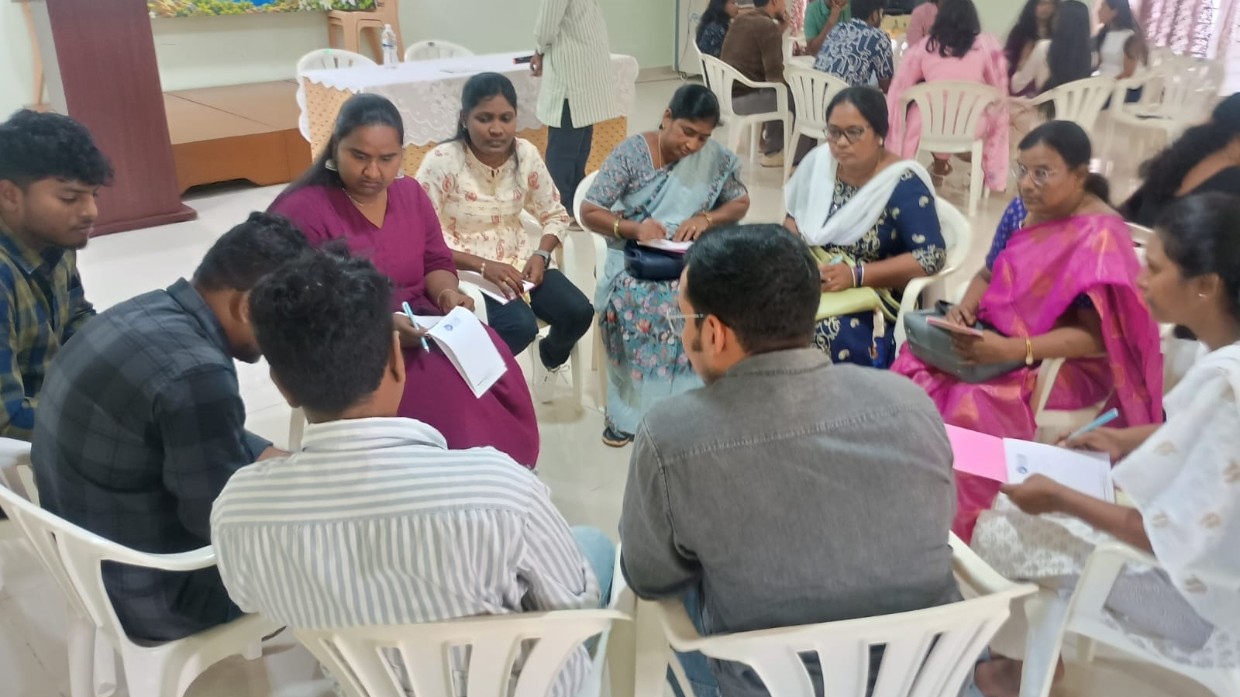
Young participants from Andhra Pradesh, Telangana, Kerala and Tamil Nadu took part in sessions examining gender inequality, social discrimination and the role of constitutional rights in building an inclusive society.
Advocate Selvi, who led the morning sessions on gender sensitivity, traced discrimination against women from before birth through different stages of their lives. Questioning the contradiction between worshipping women as goddesses and denying them equal rights, she called for a change in social attitudes towards women.
She addressed taboos surrounding menstruation, urging parents to educate boys about it and create space for young people to express their emotions. Speaking about teenage pregnancy, she criticised the tendency to blame girls while allowing men responsible for the pregnancies to evade accountability.
Calling on Christians to practise repentance and compassion, Selvi urged participants to support pregnant girls, protect their dignity and promote women's representation in decision-making bodies. She also highlighted workplace harassment, caste-based discrimination and the exclusion of transgender persons from families, churches and employment.
She challenged first-generation Christians to examine their own attitudes towards caste and marriage, emphasising that social transformation must begin within families and communities. She encouraged young people to understand their legal rights and stand in solidarity with vulnerable women and marginalised groups.
The afternoon session, led by Kavitha Gajendran, focused on the Constitution and the rights of minorities, women and Dalits. She outlined the historical significance of the Constitution, adopted on November 26, 1949, and brought into force on January 26, 1950.
Explaining the Preamble as the philosophical foundation of the Constitution, she highlighted B. R. Ambedkar's vision of using constitutional democracy to transform a society marked by caste discrimination, patriarchy and feudal structures.
She stressed that justice, liberty, equality and fraternity are interconnected principles essential to a democratic society. Using the example of a Dalit Christian woman, she illustrated how caste, gender and religious identity can combine to deepen discrimination.
Recalling Ambedkar's warning that political democracy cannot endure without social democracy, Gajendran urged participants to recognise and challenge discrimination not only in public life but also within their own families and communities.
The day concluded with interactive discussions, an open-floor session and a review of the participants' key learnings.
The three-day programme, which concludes on November 15, includes sessions on social media, youth leadership, advocacy and action planning.
By Abishek Raja
Continue Reading on Catholic Connect App
Get access to exclusive news articles & more.

© 2026 CATHOLIC CONNECT POWERED BY ATCONLINE LLP