- 11 November, 2026
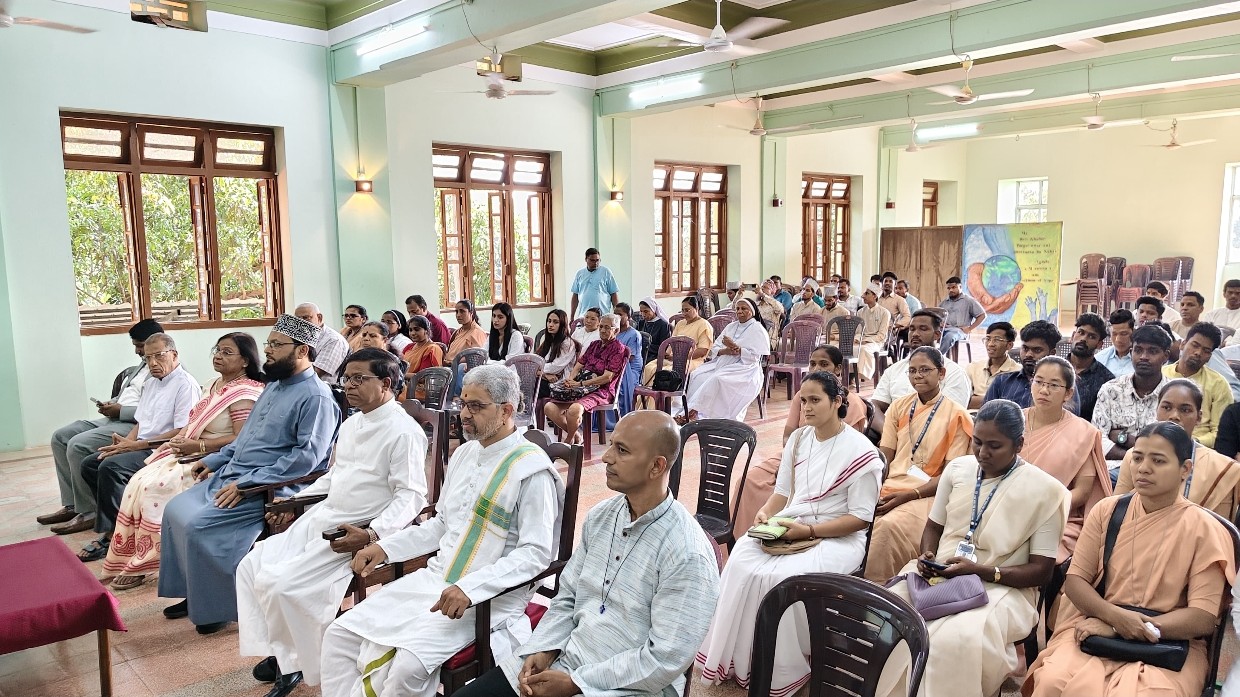
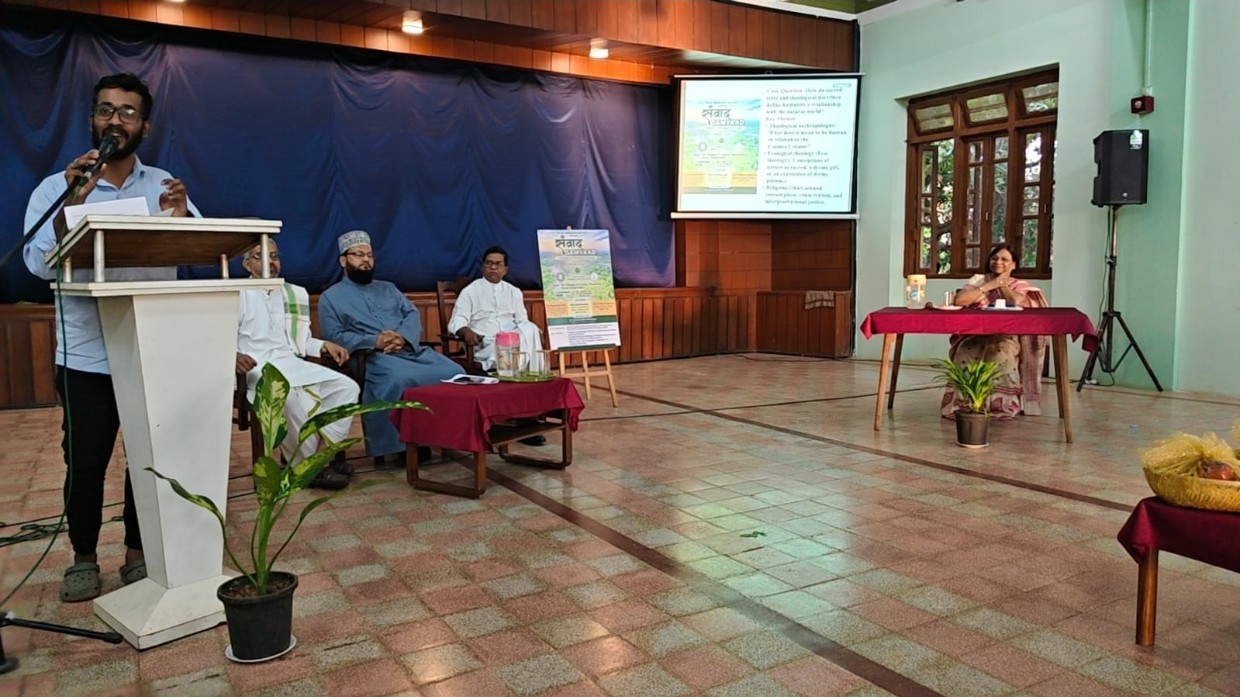
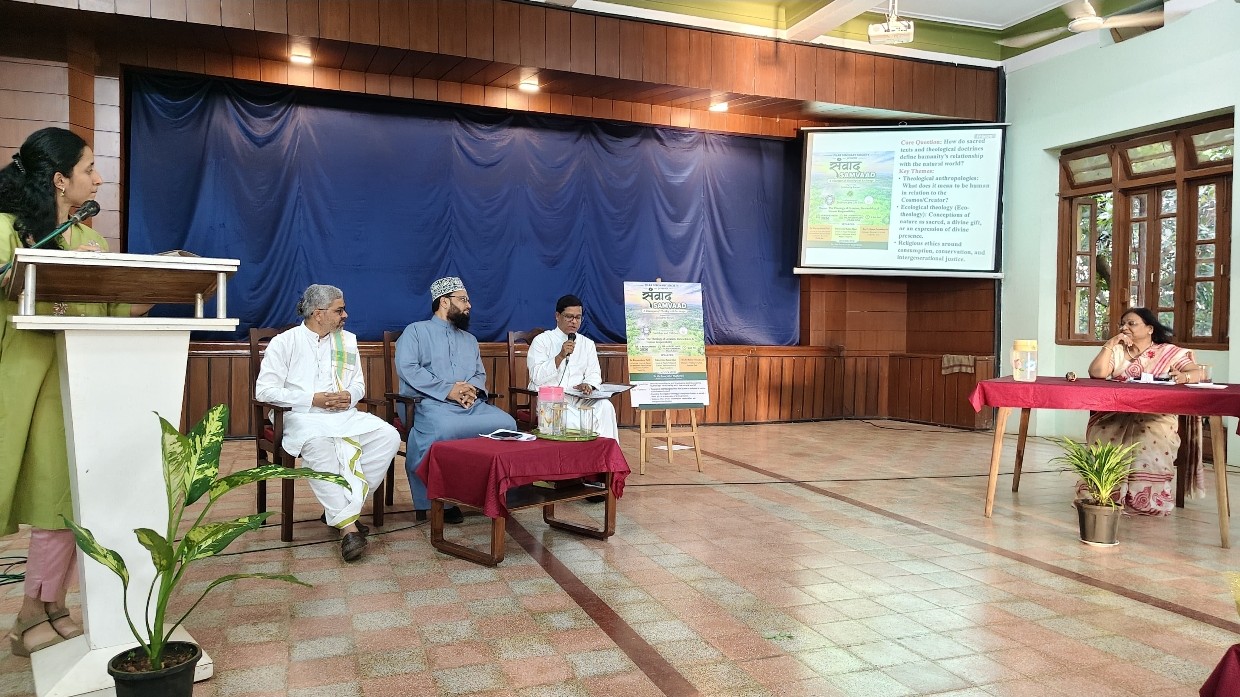
Goa, November 11, 2026: Religious representatives from Hindu, Muslim and Christian traditions called for greater collective responsibility in protecting the environment during an interreligious dialogue organised by the Society of Pilar in Goa on November 11.

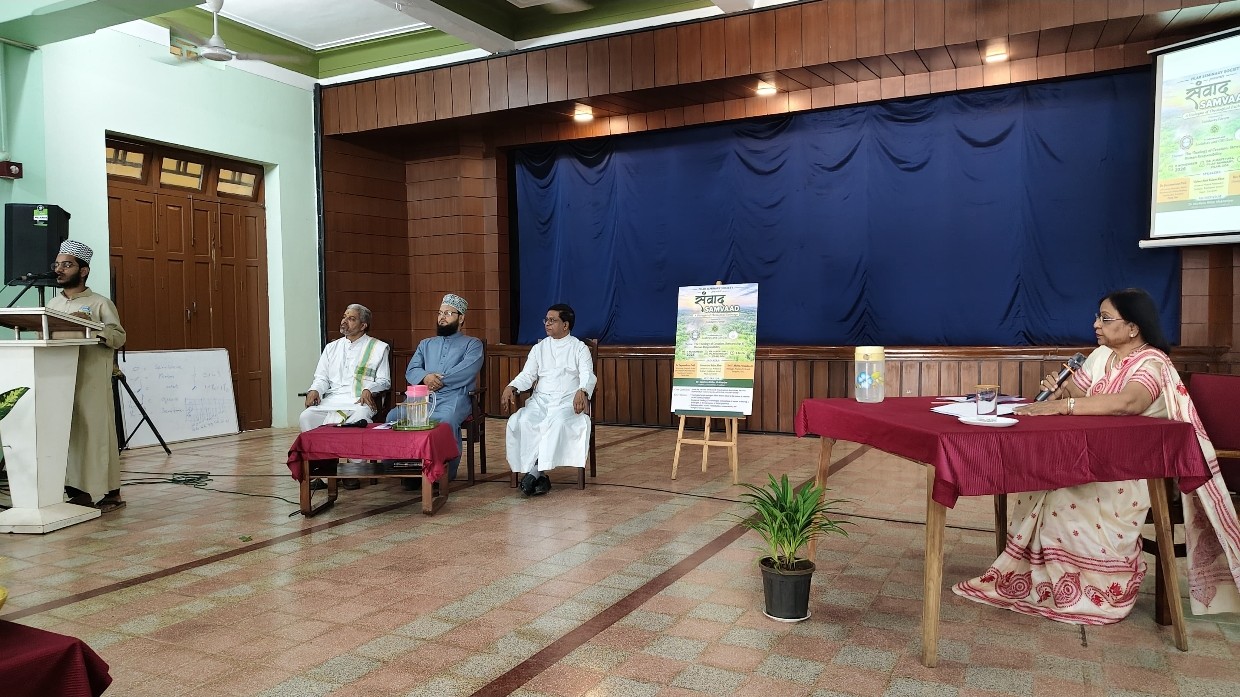
The programme, titled Samvaad – A Dialogue of Theological Exchange, was organised by the Solidarity Forum of the Society of Pilar in collaboration with Sadbhav and the Conference of Religious India (CRI), Goa and Daman, at Br. Albert Hall, Pilar Seminary.
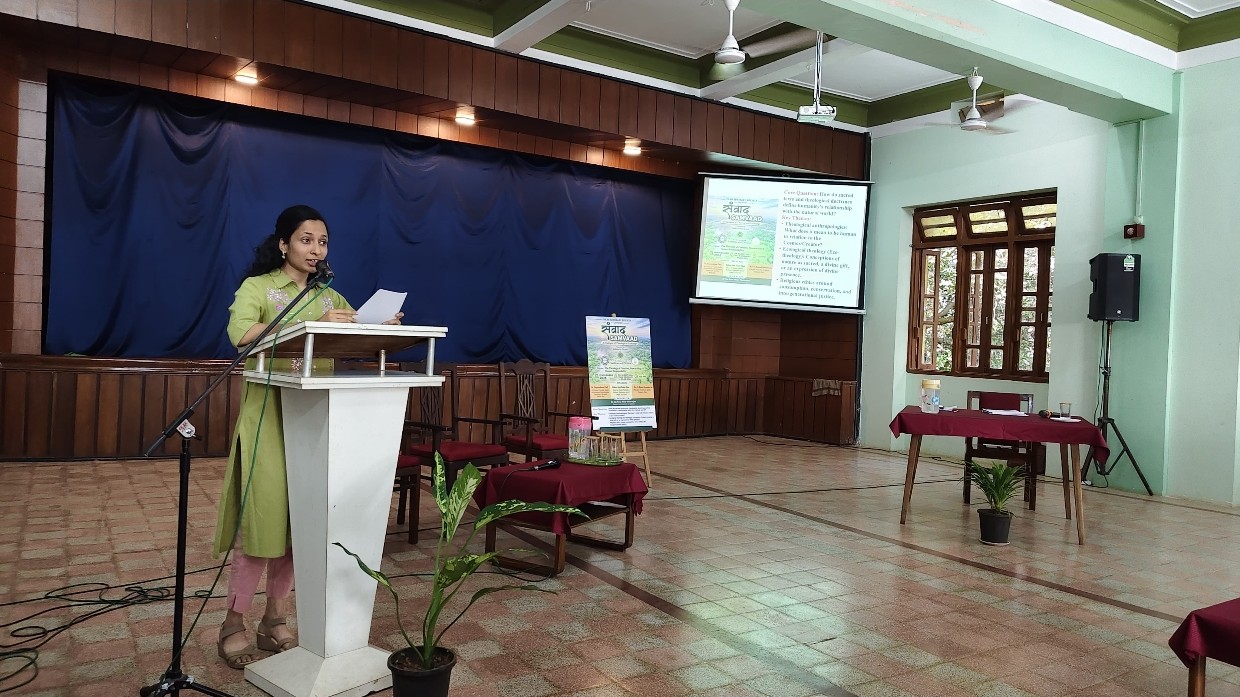
The discussion centred on the theme, “The Theology of Creation, Stewardship, and Human Responsibility”, examining how different religious traditions understand humanity’s relationship with nature and the responsibility to safeguard the environment.
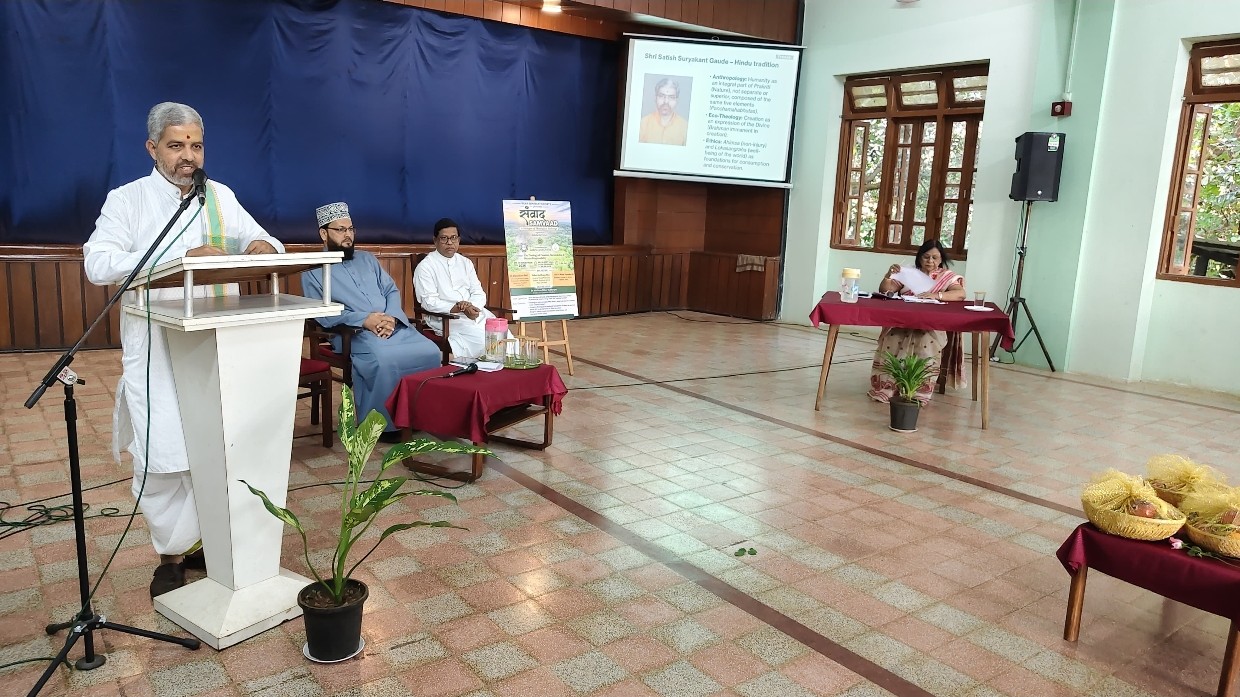
The speakers were Satish Suryakant Gaude, Assistant Professor of Sanskrit at Swami Brahmanand Mahavidyalaya, Tapobhoomi, Kundaim; Hafeez Abul Kalam Khan, Imam of Masjid Mehboob E Subhani, Cortalim; and Fr. Mateus Fernandes SFX, Manager of Miracles High School, Sanguem. Dr. Ida Rose Miller Mukherjee, a member of Sadbhav’s Core Committee, moderated the discussion.
Presenting the Hindu perspective, Gaude explained the significance of the five elements that constitute the universe and sustain life. Referring to the concept of Vasudhaiva Kutumbakam (the world is one family), he emphasised the need for collective responsibility to preserve nature and maintain ecological balance.
Khan said environmental protection transcends religious and community boundaries. Drawing on Islamic teachings, he described human beings as stewards rather than owners of the Earth, entrusted with the responsibility of protecting its resources.
From the Christian perspective, Fr. Mateus Fernandes described creation as God's gift, calling on humanity to protect rather than exploit it. Referring to Pope Francis' encyclical Laudato Si', he highlighted the interconnectedness of human beings and the natural world.
He warned that consumerism and excessive consumption contribute to ecological destruction, with the poorest and most vulnerable bearing a disproportionate share of the consequences.
Fr. Fernandes urged individuals and communities to adopt practical measures, including conserving water, reducing plastic use, protecting trees and preventing food wastage. He also called on schools, parishes and religious communities to demonstrate ecological responsibility through their daily practices.
In her concluding observations, Mukherjee highlighted the complementary roles of science, politics and theology in responding to the ecological crisis. While science explains environmental challenges and politics provides regulatory frameworks, theology offers a deeper moral and spiritual basis for caring for creation.
She called for a change in human attitudes, urging society to move from consumerism to care and from greed to gratitude.
The programme also featured scriptural readings from the Prithvi Sukta (Atharva Veda 12:11:12), Surah Al-Rahman (55:7-9) and Psalm 104:10-14, 24, presented by representatives of the respective religious traditions.
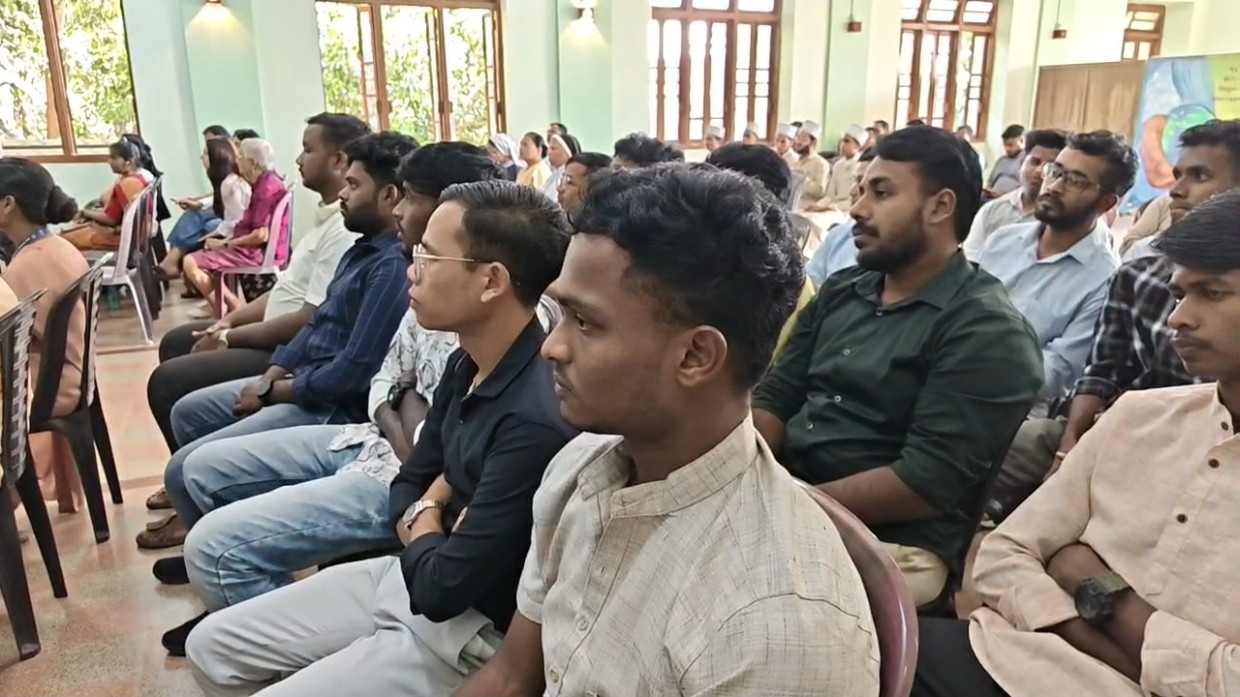
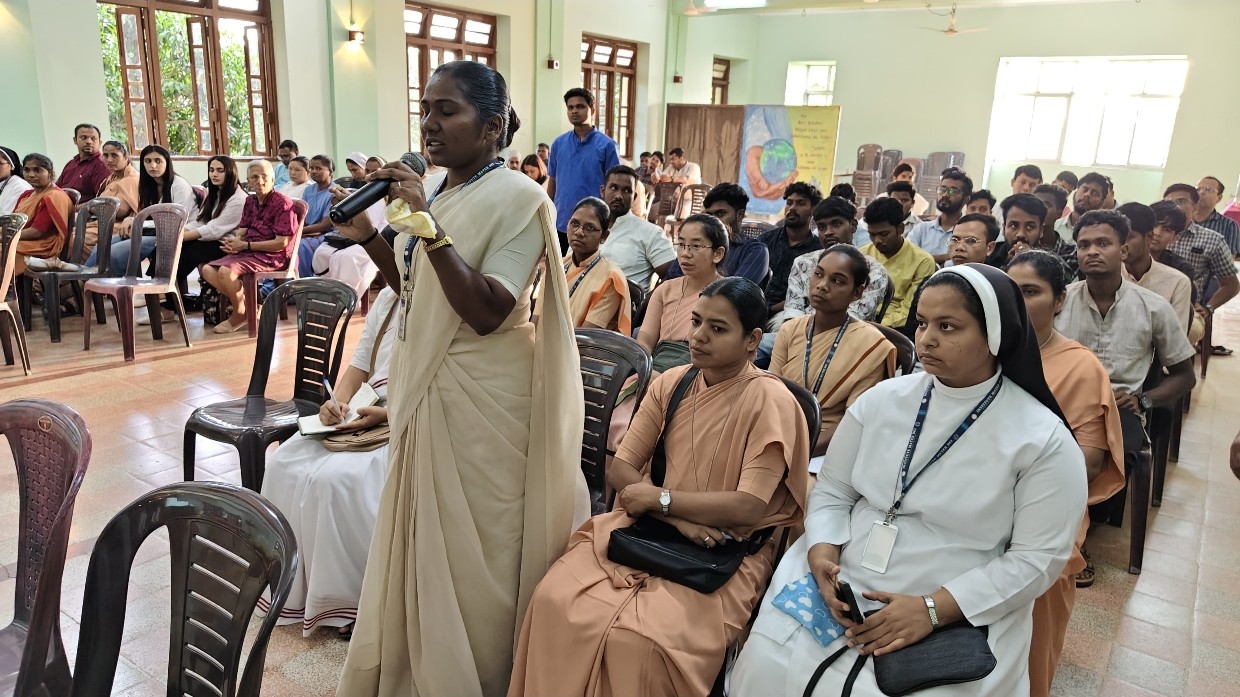
Participants engaged with the speakers during an interactive session. Fr. Elvis Fernandes SFX, Convenor of Sadbhav, welcomed the gathering and explained the significance and different dimensions of interreligious dialogue. Scholastic Augustine Coelho SFX proposed the vote of thanks, while Jisha Ponnachan anchored the programme, which concluded with a prayer.
By Catholic Connect Reporter
Continue Reading on Catholic Connect App
Get access to exclusive news articles & more.
© 2026 CATHOLIC CONNECT POWERED BY ATCONLINE LLP