- 11 November, 2026
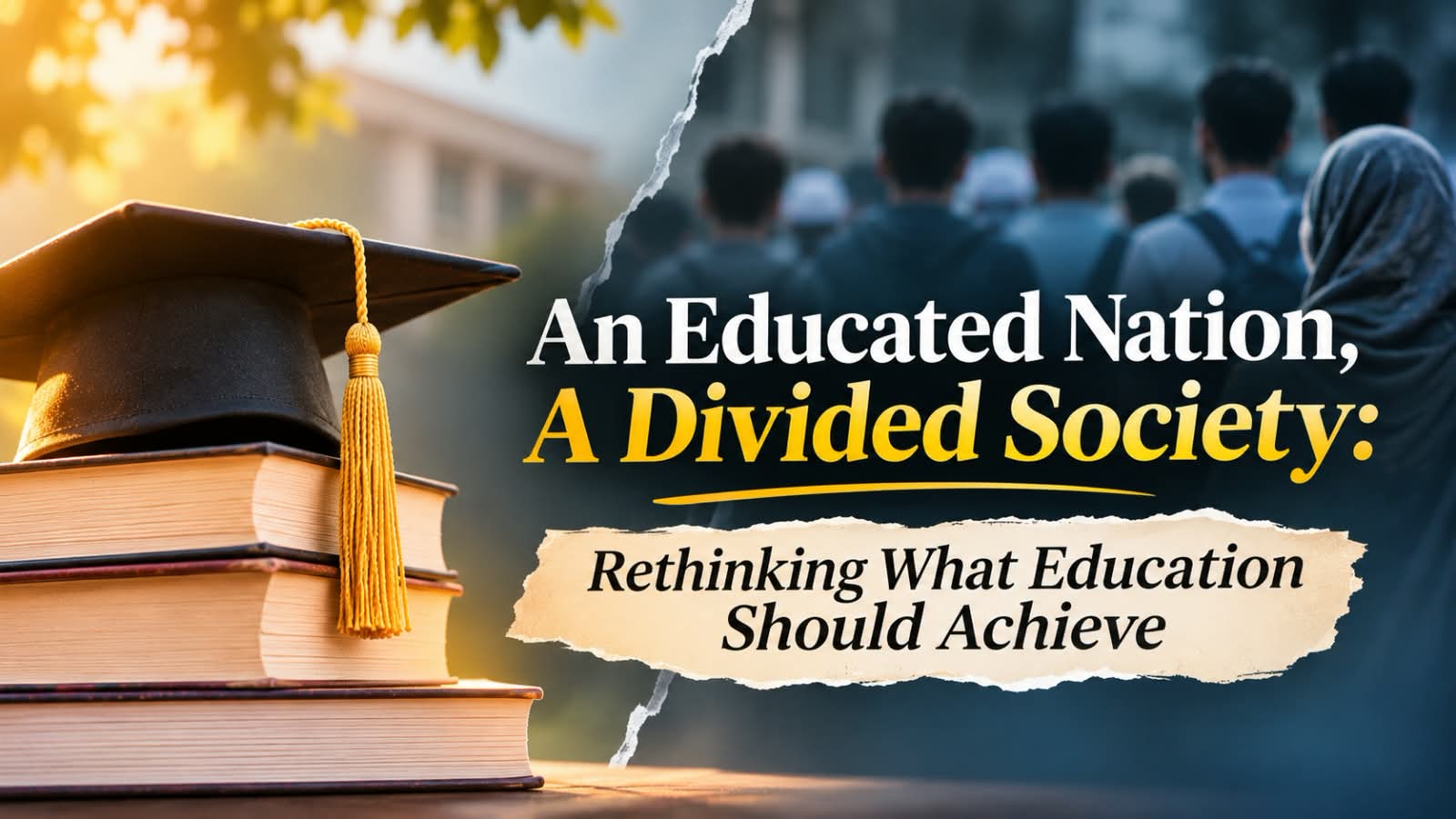
November 11, 2026: A person may graduate with distinction, earn several academic qualifications and secure a prestigious career, yet struggle to respect someone with a different belief, show compassion towards the disadvantaged or acknowledge another person's dignity. If education does not help develop these qualities, what exactly are we educating people for?


Education is often measured through examination results, academic qualifications and professional achievements. However, its purpose extends far beyond preparing individuals for employment. It carries the responsibility of shaping people who demonstrate empathy, integrity, respect and a sense of responsibility towards society.
India observes National Education Day on November 11 to commemorate the birth anniversary of Maulana Abul Kalam Azad, the country's first Education Minister after Independence. The occasion highlights the importance of education in nation-building and social development.
Yet, access to education remains a challenge. According to the Periodic Labour Force Survey (PLFS) 2023–24, India's literacy rate among people aged seven and above stands at 80.9 per cent. Significant regional differences persist, with Bihar recording 74.3 per cent, Madhya Pradesh 75.2 per cent, Rajasthan 75.8 per cent and Uttar Pradesh 78.2 per cent. These figures underline the continuing need to strengthen educational access across the country.
Beyond Academic Achievement
While ensuring access to education is essential, another question deserves equal attention: What kind of individuals is our education system shaping?
A society may produce academically qualified individuals and still struggle with intolerance, discrimination and a lack of civic responsibility. At a time when India continues to grapple with religious intolerance, caste discrimination and divisions over language, education must encourage people to look beyond identities and recognise the dignity of every individual.
Similarly, the growing challenges of pollution and environmental neglect raise questions about whether awareness is translating into responsible action. Learning about environmental protection means little if it does not inspire people to care for their surroundings.
What is the value of learning about equality if discrimination continues? What does education achieve if people cannot respect differences in faith, language or background? These questions invite us to reconsider whether academic success alone is an adequate measure of an educated society.
Education must cultivate critical thinking, ethical judgement and social awareness. Values such as compassion, honesty, equality and responsibility become meaningful only when reflected in everyday choices and actions. Teachers, parents and educational institutions share the responsibility of ensuring that these values are practised rather than remaining lessons confined to textbooks.
The Catholic Church's Vision of Education
The Catholic Church has long considered education an essential part of its mission. The Second Vatican Council's declaration Gravissimum Educationis (1965) emphasises the holistic development of individuals, including their intellectual, moral and social formation.
In India, the Catholic Bishops' Conference of India (CBCI), through its Commission for Education and Culture, works towards strengthening Catholic education, promoting social justice and reaching out to poor and marginalised communities.
The Conference of Catholic Bishops of India (CCBI), through its Education Apostolate, also emphasises integrity, moral values and inclusive education, particularly for economically disadvantaged students.
The Vatican's 2022 instruction, The Identity of the Catholic School for a Culture of Dialogue, highlights mutual understanding, respect for diversity and dialogue. It envisions Catholic schools as communities where students develop their humanity and build relationships rooted in understanding and solidarity.
This vision reminds educational institutions that formation must go beyond intellectual development. It must also help individuals become sensitive to the needs of others and willing to contribute to the common good.
Educating for a Better Tomorrow
As India observes National Education Day, perhaps the success of education should be measured not only by the qualifications people acquire or the careers they build, but also by the kind of people they become.
An educated society should be one where differences do not become reasons for discrimination, where knowledge encourages responsibility rather than arrogance, and where progress does not come at the cost of human dignity or the environment.
Ultimately, education must prepare people not only to earn a living but also to live with compassion, respect and responsibility. For if education teaches us how to succeed but not how to coexist, we must ask ourselves: What are we truly being educated for?
By Catholic Connect Reporter


© 2026 CATHOLIC CONNECT POWERED BY ATCONLINE LLP