- 02 September, 2026

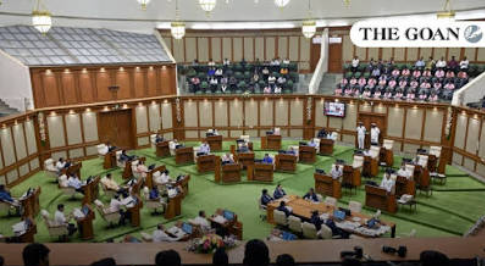
PANAJI, September 2, 2026 :The Goa government has withdrawn its plan to introduce the proposed Goa Prohibition of Unlawful Conversion of Religion Bill, 2026, following objections from within the ruling camp and concerns raised by political leaders and civil society groups.


The Bill was scheduled to be introduced by Chief Minister Pramod Sawant on the opening day of the ongoing monsoon session of the Goa Legislative Assembly. However, just before the House commenced proceedings, the government decided not to move the legislation and removed it from the Assembly's Business List.
The decision followed a meeting between the Chief Minister and Catholic MLAs from the ruling side, after several legislators reportedly raised objections to the proposed legislation.
BJP MLA Michael Lobo said the government had acted too quickly in clearing the Bill in the Cabinet and stressed the need for a careful examination of its provisions.


He called for wider consultation before introducing legislation concerning religious beliefs and practices.
“We need to study the Bill, and everyone’s views need to be taken into account,” Lobo said, emphasising the importance of respecting every person's religious beliefs.
He added that any decision should be taken only after proper study and consideration of what would be in the best interests of Goa.
Independent MLA Aleixo Lourenço, who supports the BJP-led government, also confirmed that the proposed legislation had been dropped following objections from ruling MLAs. He questioned the necessity of such a law, noting that there was no data establishing a significant number of religious conversions in the state.
The Cabinet had approved the proposed Bill the previous week, prompting criticism from political parties and civil society organisations. Opponents expressed concern that the legislation could create divisions and contribute to communal tensions in Goa's traditionally diverse society.
The Bill sought to prohibit religious conversions allegedly carried out through force, coercion, undue influence, allurement, fraudulent means or marriage.
It proposed stringent penalties, including imprisonment of up to life in certain cases, a minimum fine of ₹50,000 and compensation of up to ₹5 lakh for alleged victims.
The proposed legislation also contained provisions relating to marriages connected with religious conversion. A marriage could have been declared void if it was found to have been entered into solely for the purpose of an unlawful conversion or where conversion had allegedly been carried out through marriage.
Those accused of facilitating unlawful conversions, including priests and other religious figures, could have faced prison sentences ranging from three to ten years.
The penalties were proposed to be more severe in cases involving minors, women, persons with disabilities or mental illness, and members of Scheduled Castes and Scheduled Tribes.
The government's decision represents a significant pause in the proposed legislation, particularly following concerns expressed by members of its own political camp.
Whether the Bill will return in a revised form after wider consultation remains unclear. For now, its removal from the Assembly agenda has brought temporary relief to those who feared that the legislation could affect religious freedom and disturb Goa's long-standing tradition of communal coexistence.
Courtesy : The Goan



© 2026 CATHOLIC CONNECT POWERED BY ATCONLINE LLP