- 16 June, 2026


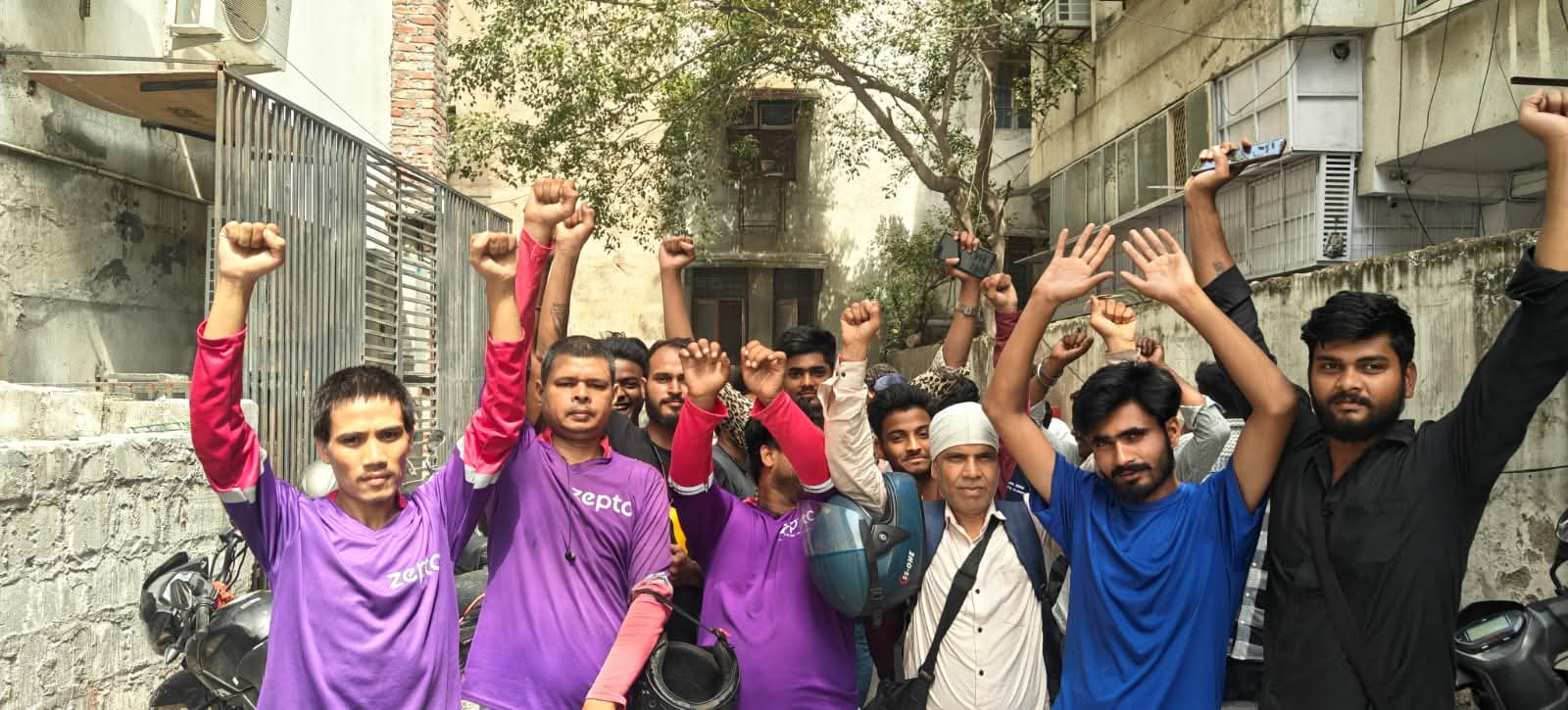
Kanker, Chhattisgarh, December 18, 2025 — An elected village head and members of the Christian tribal community were targeted in mob violence in Kanker district after the burial of a deceased Christian man, raising serious concerns about the rule of law, misuse of legal provisions, and the protection of minority rights. The incident occurred in Gram Panchayat Bade Tevda (Amabeda) in Kanker district on December 15, when the father of Rajman Salam, the elected Sarpanch, was buried according to Christian rites. The violence, allegedly led by a local figure and involving a large mob, unfolded over objections to the burial and claims over land rights, highlighting a breakdown of law and order and broader anxieties around religious freedom and constitutional guarantees.


Burial Dispute and Escalation of Violence
On December 15, 2025, following the burial of Rajman Salam’s father in accordance with Christian customs, a large mob led by Sukdu Ram reportedly began inciting villagers. The mob allegedly claimed that under the Panchayats (Extension to Scheduled Areas) Act (PESA), they had the authority to exhume the body. They further asserted that the burial land belonged to a local deity and that permitting a Christian burial amounted to an insult to that deity.
Reports indicate that RSS-affiliated groups threatened to return on December 18 in larger numbers. The incident took place within the Kanker Lok Sabha constituency, represented by Member of Parliament Bhojraj Nag, raising questions about local administrative response and the broader climate of impunity.


Selective Misuse of Supreme Court Verdict
The situation has reportedly been exacerbated by the selective citation of the Supreme Court’s January 2025 split verdict in the Ramesh Baghel burial case from Bastar, Chhattisgarh. Locally, this verdict is being misquoted to justify assault, enforce religious conformity, and intimidate Christian communities. The law is being weaponised by majoritarian actors to assert dominance rather than to protect rights.
This constitutes a violation of Article 21 of the Constitution, which guarantees the right to dignity even after death. The Supreme Court’s ruling in Parmanand Katara v. Union of India affirmed that the State has a duty to ensure deceased individuals are treated with dignity and accorded burial in accordance with their faith. The Kanker incident demonstrates a systemic failure of the State to uphold these constitutional guarantees.
Domestic Majoritarianism and Conditional Citizenship
The assault on the Sarpanch and his family is part of a broader pattern of growing majoritarianism, where constitutional guarantees are applied selectively and rights become conditional on religious identity. Tribal Christians and Muslims increasingly face harassment, threats, and violence, often accompanied by state inaction or complicity.
Laws such as the Citizenship Amendment Act (CAA) and the selective application of the National Register of Citizens (NRC) create hierarchies of belonging. This has divided citizens into those aligned with majority ideology and those whose very existence is subject to scrutiny. Majoritarianism has become legal, institutional, and political.
Preventive detention, sedition laws, and the Unlawful Activities (Prevention) Act (UAPA) are used to suppress dissent, with activists, journalists, and elected representatives among those targeted.
Anti-Christian Persecution in Context
The Kanker incident falls within a wider pattern of harassment faced by Christian communities in central and northeastern India. This has included churches being vandalized, clergy assaulted, accusations of forced conversions under misapplied laws, and obstruction of religious rites such as burials, weddings, and education. The threat of recurring mob violence, reinforced by ideological organisations, has created a climate of fear that suppresses rights and undermines democracy.
Human Rights and International Law
The failure to protect minorities has both domestic and international implications. The incident involves alleged violations of Articles 21, 14–15, 19, and 25 of the Constitution, covering dignity, equality, non-discrimination, and freedoms of expression, assembly, and religion.
India is a party to international treaties, including the International Covenant on Civil and Political Rights (ICCPR), which obliges the State to protect minority rights. Selective enforcement of law and tolerance of mob violence erode India’s global credibility and weaken the moral authority of its democratic institutions.
Legal, Moral Responsibility, and Call for Action
The incident raises concerns about India’s domestic and international policy choices. Domestically, the State has failed to protect minority communities and enforce constitutional rights. Internationally, it risks complicity in human-rights violations through its strategic alignments.
Law cannot be selectively applied, citizenship and legal protection cannot be conditional, and economic pragmatism cannot replace moral responsibility. Immediate and decisive action is required to protect minority communities, ensure impartial enforcement of constitutional guarantees, and hold organisations accountable for inciting violence.
The assault on Sarpanch Rajman Salam and his community is not an isolated incident but part of a broader trajectory. Silence or inaction will embolden majoritarian actors, weaken constitutional democracy, and accelerate the erosion of rights. The Kanker incident stands as an urgent and actionable warning that democracy, law, and human rights cannot wait.
By Catholic Connect Reporter
© 2026 CATHOLIC CONNECT POWERED BY ATCONLINE LLP