- 21 October, 2026

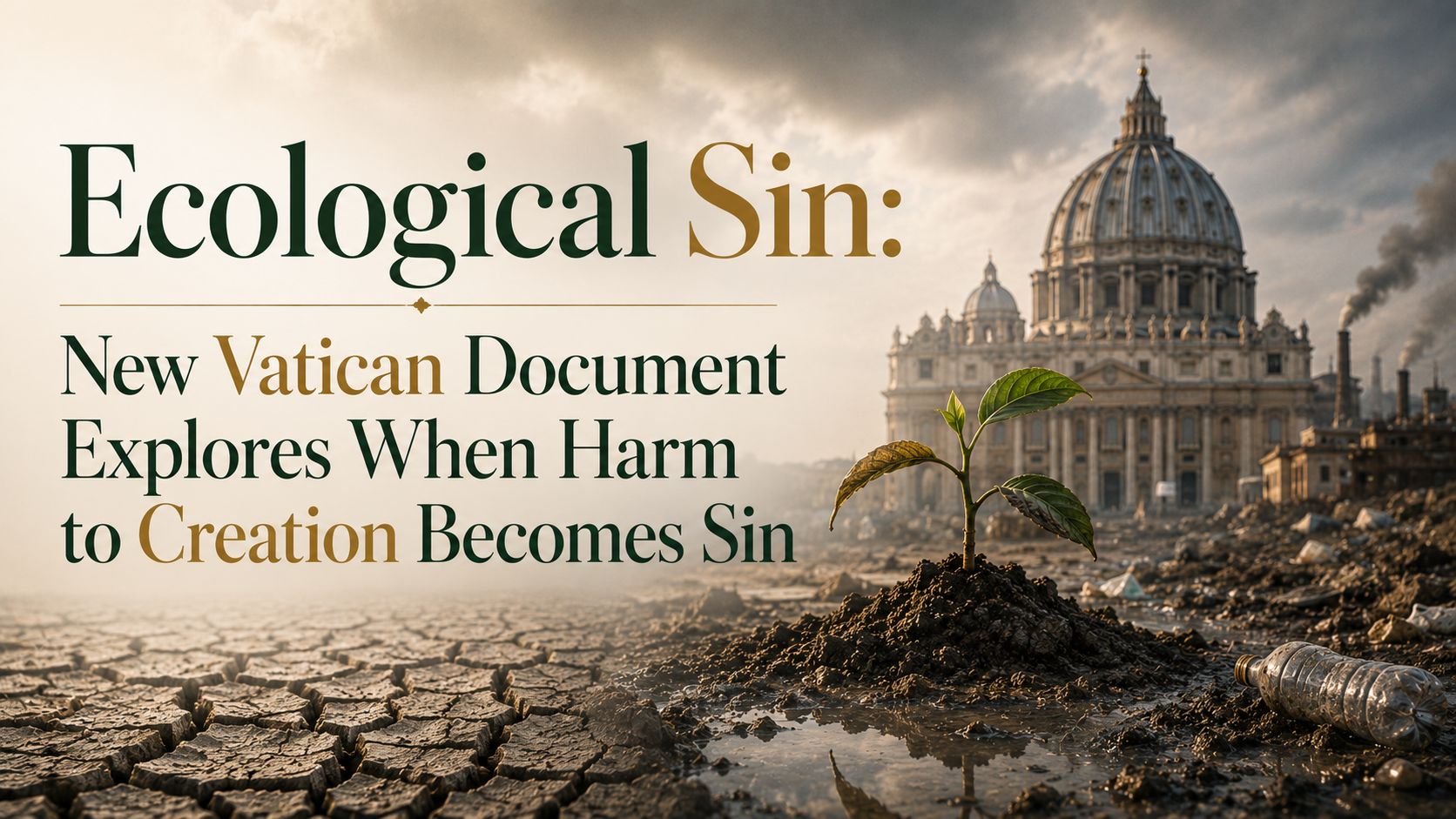
Vatican, September 3, 2026: Caring for the environment is not merely an ecological or social responsibility but also a matter of humanity’s relationship with God, according to a new document of the International Theological Commission (ITC).


Titled 'Caring for Our Common Home: A Responsible and Fraternal Response to the Trinitarian God', the document examines the Christian theological foundations of care for creation and calls for an ecological conversion rooted in the relationship between God, humanity and the created world. The text was approved by the Commission in July 2026 and authorised for publication on August 21.
At the heart of its reflection is a direct question: why is humanity inflicting such serious harm on its common home? The document devotes a section to “sin against creation”, linking the ecological crisis to a failure to understand and fulfil the responsibility entrusted to human beings by God.
When care for creation becomes a matter of sin
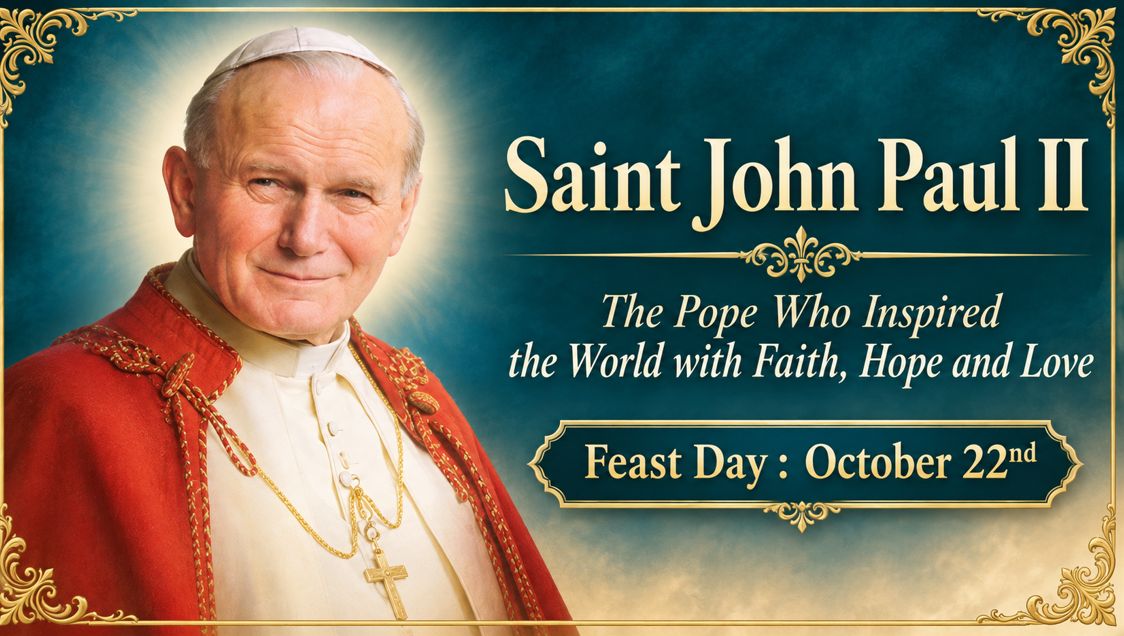
The document notes that awareness within the Church has increasingly grown around the existence of a form of sin connected with humanity’s treatment of creation. It recalls how Pope Francis spoke of “ecological sin” and points to earlier teaching, including that of St John Paul II, who referred to a serious sin against the natural environment carrying responsibility before God the Creator.
The ITC also recalls the 2019 Synod for the Amazon, which described ecological sin as an action or omission against God, one's neighbour, the community and the environment. It further connected such sin with future generations, pollution, destruction of environmental harmony, violations of interdependence and the breakdown of solidarity among creatures.
The new document takes the theological question further. Rather than focusing only on the term “ecological sin”, it proposes speaking of “sin against creation and the Creator.” The reason, it explains, is that the problem involves two realities at once: the harm done to nature and the rejection or disregard of the Creator’s design for creation.
This means that environmental destruction cannot be viewed simply as damage to a physical resource. According to the document, when human beings fail to care for creation, they also fail to respect the purpose for which God entrusted the common home to humanity.
A distorted understanding of human dominion
The document traces part of the problem to a distorted interpretation of humanity’s role in creation.
Reflecting on Genesis, it explains that the human being has been given a particular responsibility within creation. This involves exercising authority, but also caring for and cultivating the created world. An exaggerated interpretation of the biblical mandate to “dominate” creation, however, has contributed to the idea that human beings possess an unlimited and despotic power over nature. The document acknowledges the harmful consequences of this distortion in the exploitation and mistreatment of creation.
Instead, human authority is to reflect the way God exercises power: not through domination for its own sake, but through sustaining and promoting the life of creatures. The human being is therefore presented as a 'custodian', called to help creation flourish rather than simply use it for personal ends.
The responsibility is described as one that remains even after sin entered human existence. Humanity continues to bear a significant responsibility in the exercise of its freedom and is called to act according to God’s plan.
The ecological crisis is also a crisis of relationships
The ITC places the ecological question within a wider understanding of human relationships. It identifies three essential relationships: humanity’s relationship with God, with other human beings and with creation.
The document argues that these relationships cannot be separated. How people understand themselves affects how they relate to others, to nature and to God. The ecological crisis therefore cannot be addressed simply through environmental measures while ignoring the deeper understanding of what it means to be human.
This is why the document connects ecological damage with harm to other people, particularly the poor and future generations. Failure to care adequately for the common home does not affect only the natural world; it also damages human relationships and undermines justice.
From ecological sin to ecological conversion
Recognising sin against the Creator and creation, the document says, opens the way to an urgent call for 'ecological conversion'. Because the sin affects the three essential relationships, conversion must likewise embrace all three.
The proposed Christian response begins with an encounter with Jesus Christ. From that relationship, Christians are called to learn how to relate rightly to God, to other human beings as neighbours and to creation as God’s work.
The document ultimately presents care for the common home not as an optional concern added to Christian life, but as part of humanity’s responsibility before the Creator. Creation is described as a gift of the Trinity to be cared for and perfected, while the human person is called to occupy a distinct place within it without attempting to take the place of God.
By Catholic Connect Reporter
© 2026 CATHOLIC CONNECT POWERED BY ATCONLINE LLP