- 13 November, 2026
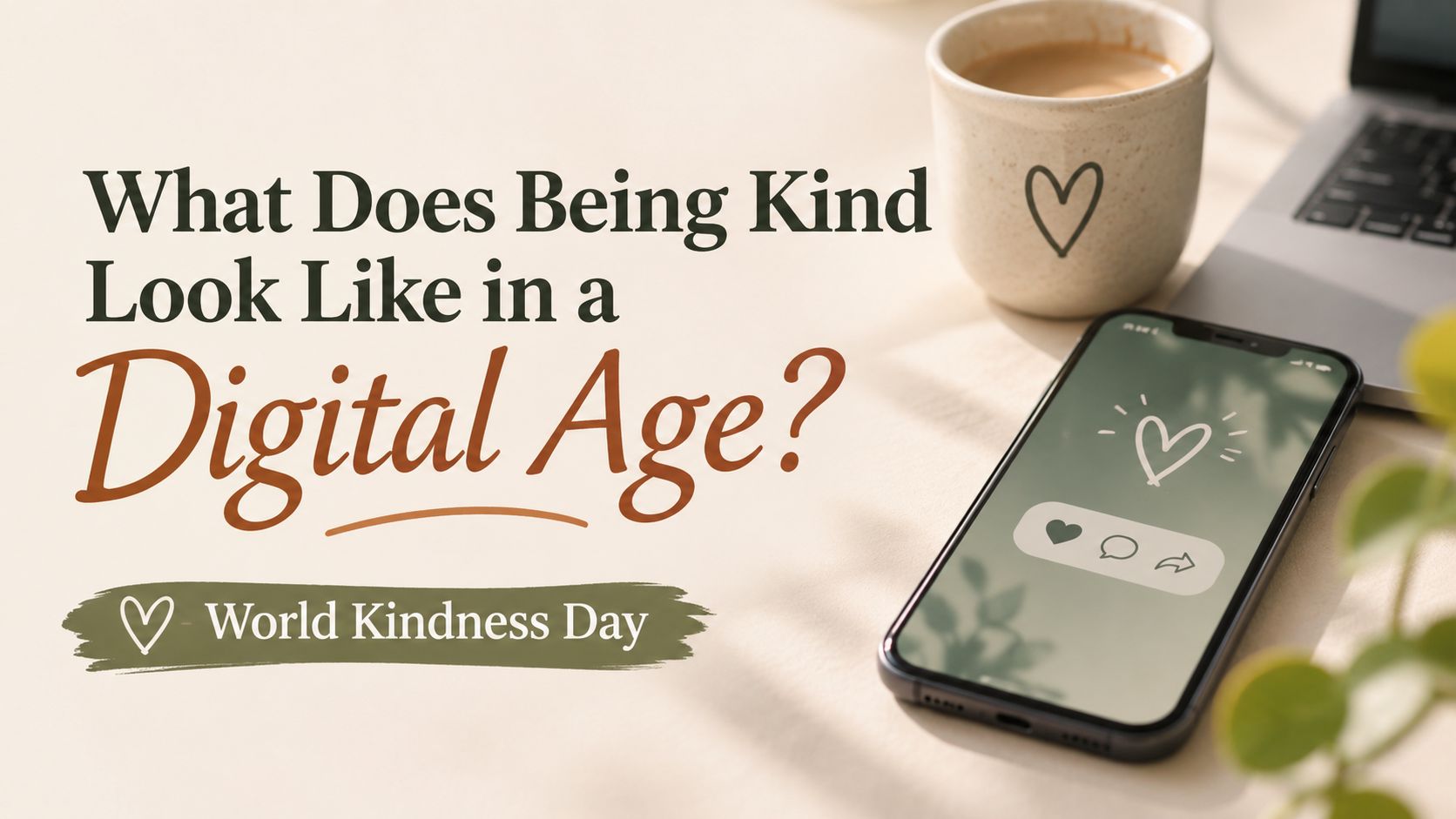
13 November 2026: What if being kind in today means more than helping someone in need? What if it also means refusing to laugh at someone else's humiliation, not overlooking the person who cleans our streets, giving our family the patience we readily offer strangers, and thinking twice before consuming or sharing something unnecessarily? As we celebrate World Kindness Day, let us challenge ourselves to look at kindness differently. It is not just about what we do for others, but also about the everyday choices we make, the behaviour we encourage and the impact we leave on people and the planet.


Perhaps the real question is not whether we consider ourselves kind, but whether others experience that kindness through us.
1. Are We Kind Even Without an Audience?
Do we speak respectfully to domestic workers, delivery personnel, sanitation workers and garbage collectors? Do we acknowledge those who clean our streets, collect our waste and deliver our food, or overlook them because of the work they do?
In a world where we readily share posts about kindness, do we practise the same values when nobody is watching? Not every good deed needs to be photographed, posted or acknowledged. Some of the most meaningful acts happen quietly, without an audience.
For Christians, this calls for a deeper reflection: Do we recognise Christ in the people society often overlooks?
Kindness must also begin at home. We may be polite to colleagues but impatient with our parents, or spend hours on our phones while giving our family members little attention.
Ask yourself: Am I as kind in my everyday interactions when no one is watching?
2. Are We Contributing to Online Negativity Without Realising It?
Not everyone writes harsh comments or participates in online arguments. But does that mean we are innocent bystanders?
Think about the times we have liked a mocking comment, laughed at a humiliating meme or shared a post ridiculing someone. Even without writing hurtful words ourselves, our reactions can encourage negativity and give it a wider audience.
Being kind online means more than avoiding offensive comments. It means refusing to reward cruelty with attention, correcting misinformation without humiliating others and thinking before sharing something that could hurt someone.
Ask yourself: Am I simply watching online negativity, or are my reactions helping it spread?
3. Can We Disagree Without Disrespecting?
Whether at the dinner table, in the workplace or on social media, disagreements are inevitable. Kindness does not mean agreeing with everyone or remaining silent when something is wrong. It means challenging ideas without attacking people, listening before responding and respecting those who think differently.
Sometimes, the kindest response is not the sharpest comeback but a thoughtful conversation.
Ask yourself: Am I trying to understand the other person, or simply prove that I am right?
4. Can We Be Kind to Nature Too?
Kindness is not limited to how we treat people. It also extends to the environment and the resources we share.
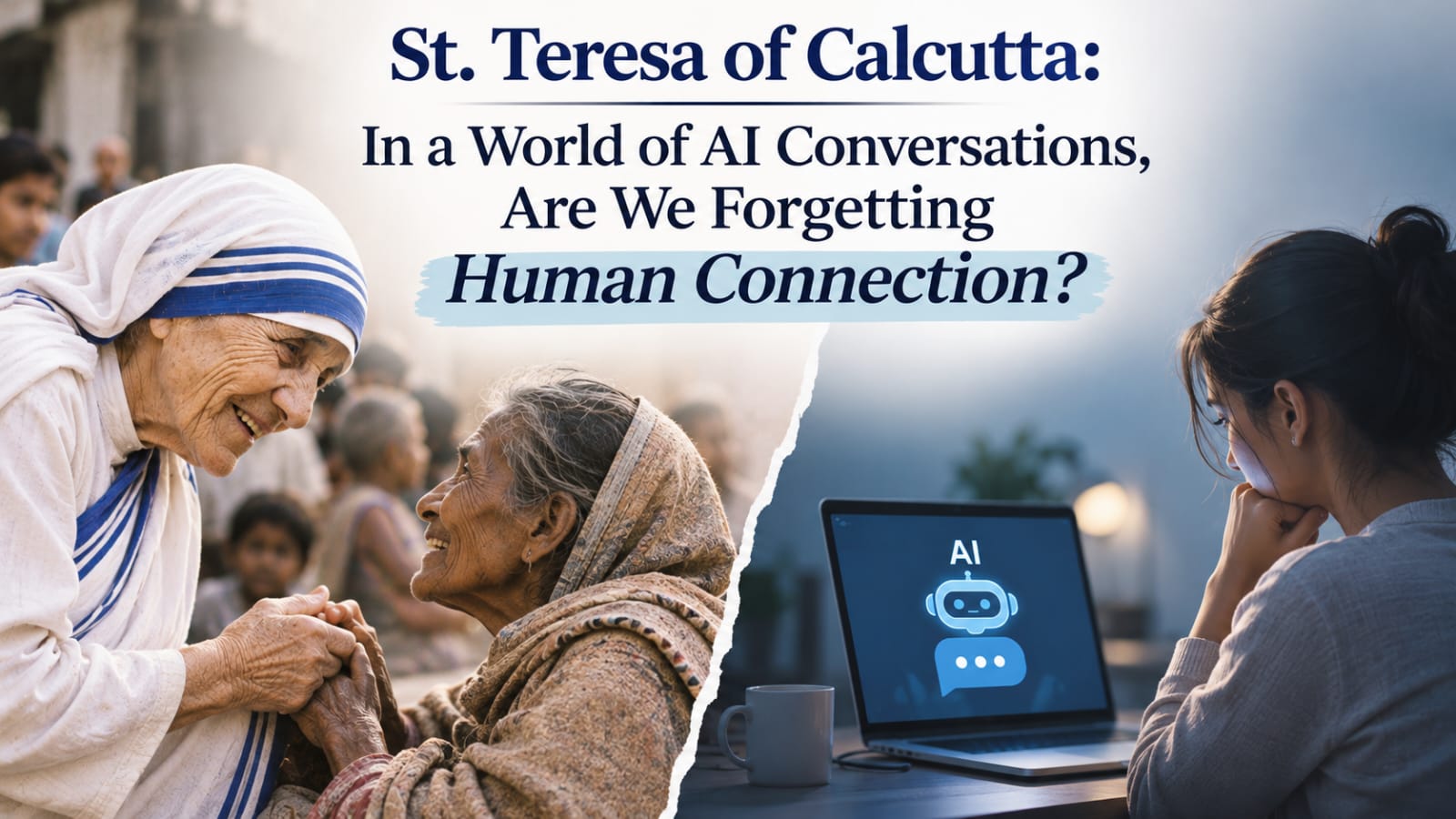
In an increasingly digital world, even our technology choices have an environmental footprint. AI tools, for instance, depend on data centres that consume electricity and require resources, including water for cooling. While AI can be useful, do we need to use it for every small task, generate endless images or repeatedly ask questions simply because we can?
Using technology thoughtfully, avoiding unnecessary consumption, reducing waste and caring for our surroundings are also expressions of responsibility towards creation.
Ask yourself: Am I using the resources around me thoughtfully, or consuming more than I need?
5. What If We Paused Before We Reacted?
A little pause can prevent a lot of hurt. Before responding impatiently, forwarding an unverified message or making a joke at someone's expense, take a moment to consider its impact.
For Christians, kindness is an expression of faith. In the parable of the Good Samaritan (Luke 10:25–37), Jesus reminds us that loving our neighbour requires more than good intentions. The Samaritan noticed someone in need, stopped and took action.
We are called to practise that same compassion in our everyday encounters.
Ask yourself: What is one habit I could change to make life a little easier for someone else?
A Different Kind of Challenge
This World Kindness Day, give someone your undivided attention, appreciate a person whose efforts often go unnoticed, refrain from encouraging a hurtful post, use technology responsibly and choose patience when you feel frustrated.
Kindness does not always require extraordinary gestures. Sometimes, it is about what we choose not to do: not to humiliate, not to gossip, not to encourage cruelty and not to take more than we need.
Perhaps, in 2026, being kind is not just about the good we do. It is also about the hurt we choose not to cause, the negativity we refuse to encourage and the world we choose to care for – both online and offline.
By Catholic Connect Reporter




© 2026 CATHOLIC CONNECT POWERED BY ATCONLINE LLP