- 23 October, 2026
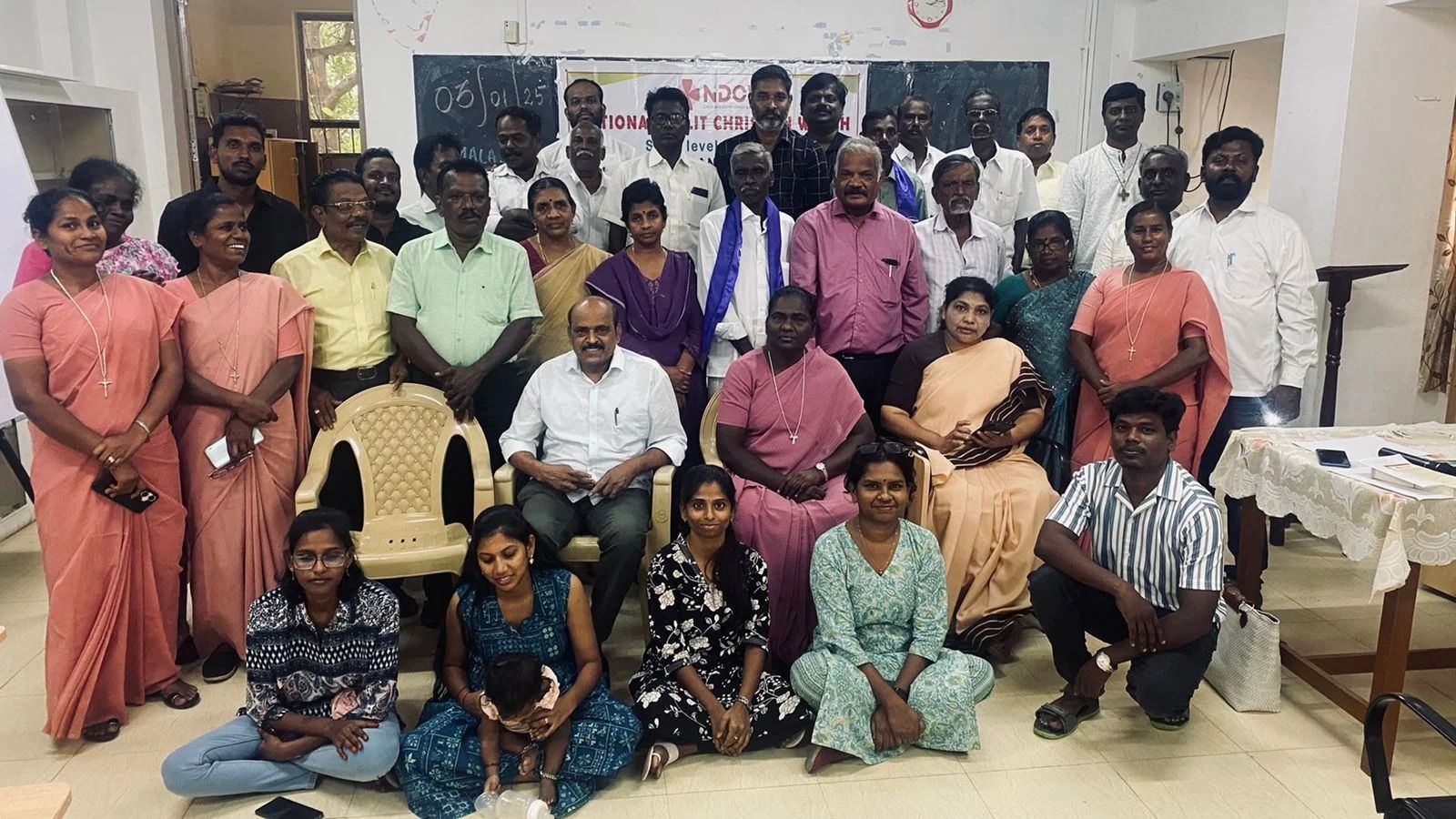
March 11, 2026: The National Dalit Christian Watch (NDCW) marked its 10th anniversary on March 11, reflecting on a decade of advocacy to address caste-based discrimination experienced by Dalit Christians within the Church and in the wider society.


Founded on March 11, 2016, the national platform was established by a group of theologians, human rights defenders, lawyers and development consultants concerned about the persistence of caste discrimination affecting Dalit Christians. The organisation works toward promoting a caste-free Church where Dalit Christians can enjoy equal dignity, rights and participation in ecclesial and social life.
NDCW promotes Dalit empowerment through education, economic development and social harmony, while encouraging communities to live out Gospel values of love, truth, justice, fraternity and equality.
Building Awareness and Leadership
Over the past decade, the organisation has expanded its outreach by establishing chapters in 15 states across India and conducting programmes aimed at leadership formation and social awareness.
According to NDCW, more than 1,100 young people from northern and southern India have taken part in its capacity-building initiatives, with women accounting for nearly 40 percent of the participants. The organisation has also trained youth in social reporting, resulting in the publication of 274 articles on the Dalit Christian Dialogue portal addressing issues related to caste, rights and social justice.
In addition to training programmes, NDCW has organised seminars, conventions and public hearings to bring greater attention to the concerns and rights of Dalit Christians.
Fact-Finding and Advocacy
Fact-finding missions have become a significant aspect of the organisation’s work. NDCW has carried out five investigations into alleged incidents of caste discrimination, producing reports that have contributed to advocacy efforts and legal processes. One such report was used as supporting evidence in the Kevin Joseph case in Kerala.
In Tamil Nadu, the organisation’s intervention in Ayyampatti parish helped draw attention to longstanding discrimination faced by Dalit Christians. Following the fact-finding initiative, parish authorities recognised Dalit Catholics with equal identity, granted them access to altar space and allowed them to contribute church tax after decades of exclusion.
Continuing Challenges
Despite these developments, NDCW acknowledges that significant challenges remain. Limited financial resources, the absence of a permanent office and insufficient data on Dalit Christians continue to affect the organisation’s capacity to expand its work.
The group also notes that some Dalit Christians remain hesitant to speak openly about discrimination for fear of retaliation or punitive action. In certain instances, cooperation from Church leaders and other stakeholders has also been limited.
Church Teaching on Human Dignity
NDCW emphasises that caste discrimination contradicts Christian teaching on human dignity. The organisation points to Christ’s ministry among the poor and marginalised as a call to overcome social divisions and build communities rooted in equality and fraternity.
Several Church leaders have spoken against caste discrimination. In 2003, Pope John Paul II criticised caste discrimination as a threat to spiritual life and urged Christian communities to reform practices that perpetuate divisions. Pope Benedict XVI later encouraged bishops in Tamil Nadu to ensure that pastoral ministry reflects the love of God rather than caste or ethnic distinctions.
More recently, Pope Francis has also addressed the issue of discrimination faced by Dalit Christians. In 2022, he appointed Anthony Cardinal Poola—widely recognised as the first Dalit cardinal—an appointment viewed by many as a sign of the Church’s commitment to strengthening the voice and presence of marginalised communities.
As it completes a decade of work, the National Dalit Christian Watch says the call to eliminate caste discrimination remains central to the Church’s mission of justice and human dignity, emphasising that continued dialogue, advocacy and community participation are essential for building a Church and society where equality becomes a lived reality.
© 2026 CATHOLIC CONNECT POWERED BY ATCONLINE LLP