
- 08 November, 2026
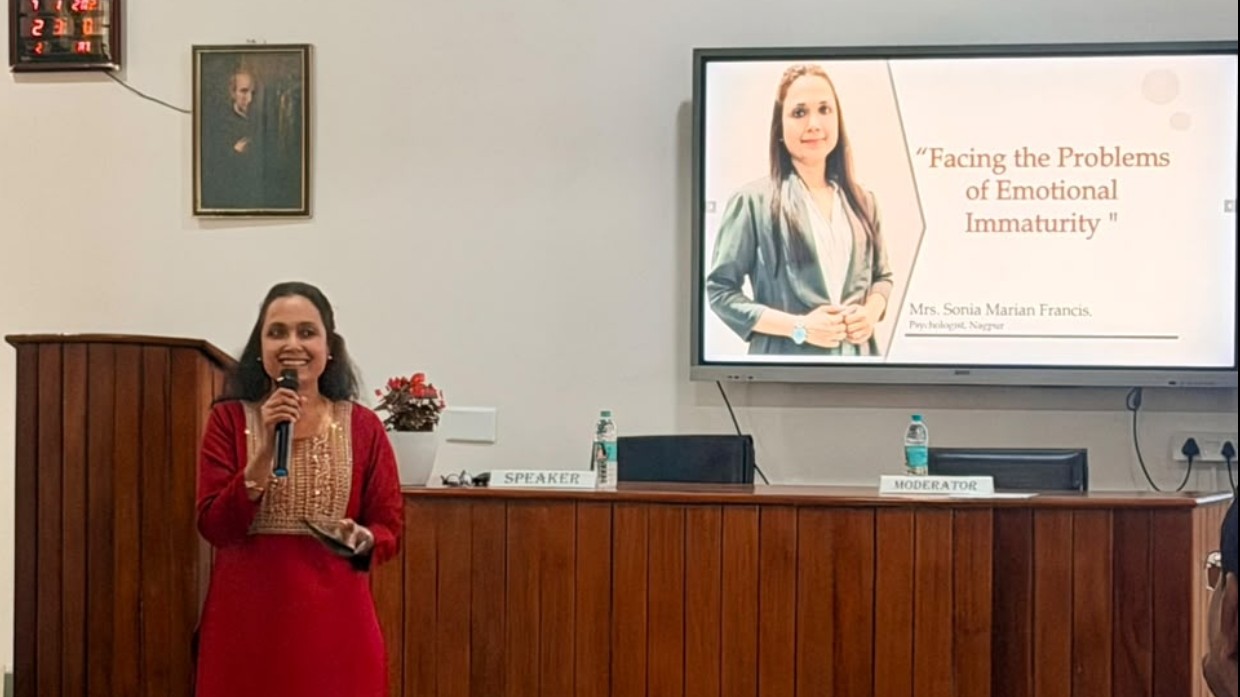
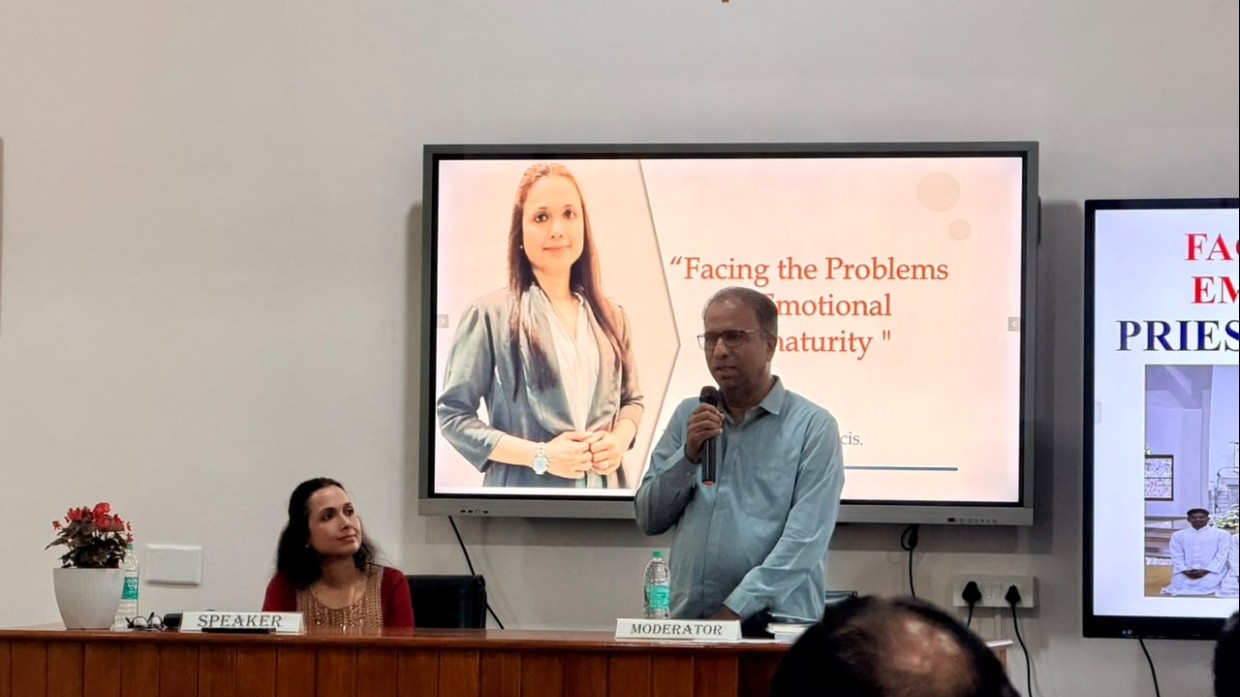
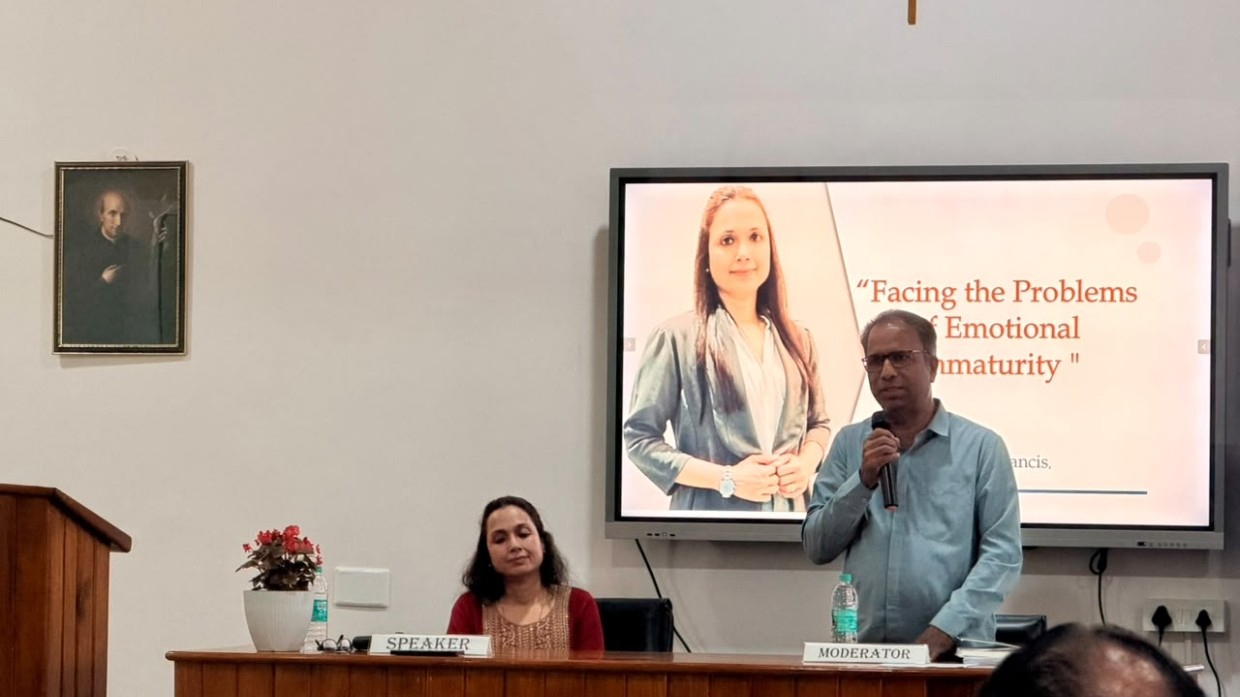
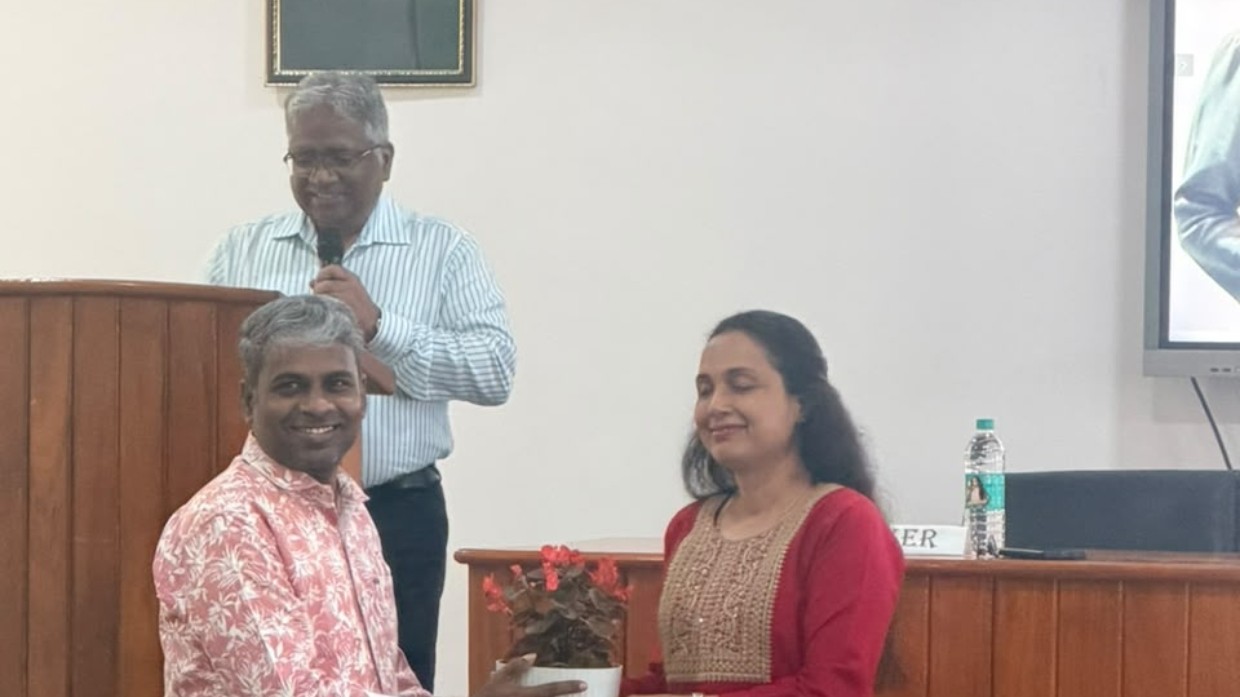
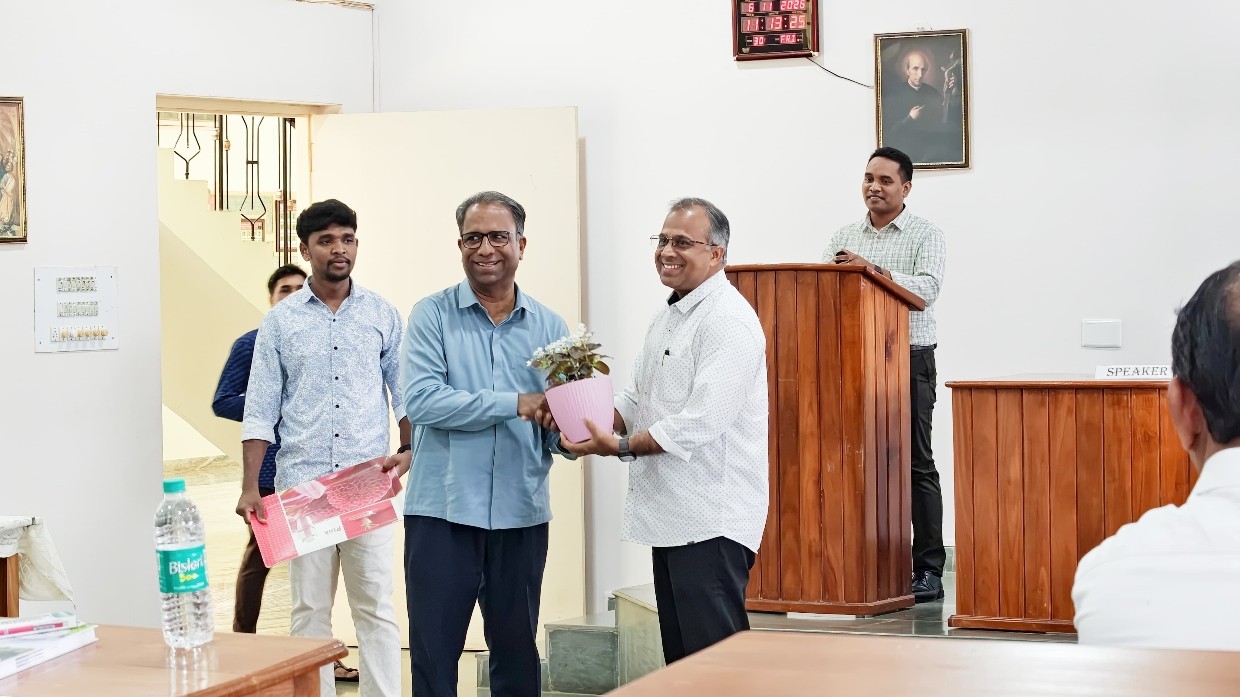
Mysore, November 8, 2026: Emotional maturity must receive greater attention in priestly formation, alongside intellectual and spiritual development, said psycho-spiritual counsellor Sonia M. Francis during the Pallottine Jubilee deliberations.


She stressed that seminarians bring their family backgrounds, personal relationships, emotional wounds, temperaments and individual experiences into formation, making it essential for seminaries to address their psychological and emotional well-being.
"A man does not enter a seminary alone," Francis said, warning that unresolved emotional issues could manifest in emotional dependence, loneliness, anger, compulsive behaviour, rigid attitudes and difficulty accepting correction.
Emphasising the need for emotional healing, she said, "A healed priest is not a priest without wounds; he is a priest whose wounds no longer secretly govern his ministry."
Drawing on the Catechism of the Catholic Church and the apostolic exhortation Pastores Dabo Vobis, she explained that emotional maturity does not mean suppressing anger or sexual feelings but recognising, understanding and managing emotions responsibly.
Addressing the Indian context, Francis cautioned against idealised notions of family life, noting that the quality of affection, care, security and communication matters more than conformity to conventional family structures. Controlling family environments, she said, could also affect a seminarian's ability to develop independence and personal responsibility.
She further pointed to digital compulsions, including pornography, secret messaging and excessive gaming, observing that such behaviour could be rooted in loneliness, emotional isolation and shame.
To integrate emotional development into priestly formation, Francis proposed the HEARTS model, comprising History, Emotional literacy, Attachment and relationships, Responsibility and freedom, Transcendent integration, and Safeguarding and service.
Among her recommendations were comprehensive psychological assessments at admission, compulsory emotional-literacy programmes, confidential access to qualified therapists and structured mentoring during the first five years of priesthood. She also called for formators to be selected on the basis of emotional maturity and relational competence, alongside academic qualifications.
Referring to Pope Francis' emphasis on emotional maturity, she warned that neglecting this dimension could leave seminarians vulnerable to losing their way in priestly life.
Concluding her address, Francis described a priest's first homily as "the way he inhabits his own humanity" and his first parish as "the truth of his own heart". She reiterated that a healed priest is not one without scars, but one whose experiences become a source of compassion in ministry.
By Catholic Connect Reporter
Continue Reading on Catholic Connect App
Get access to exclusive news articles & more.

© 2026 CATHOLIC CONNECT POWERED BY ATCONLINE LLP