- 17 June, 2026

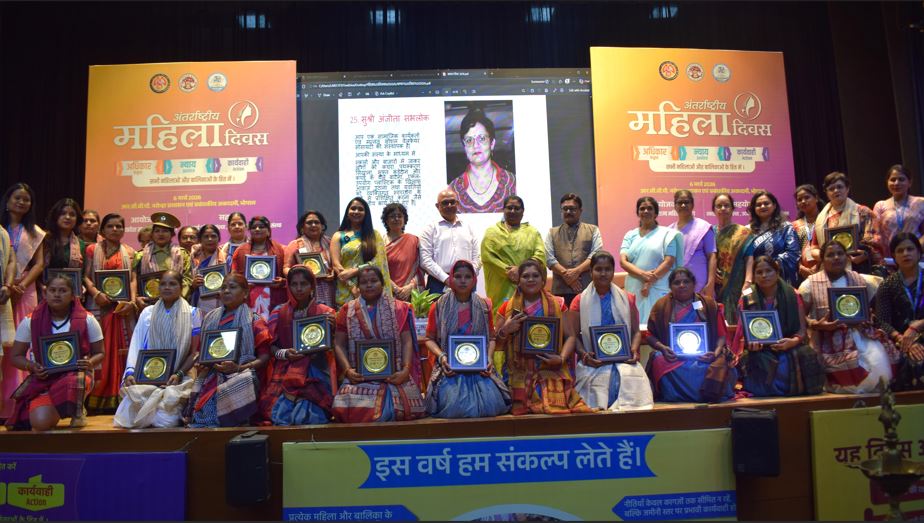
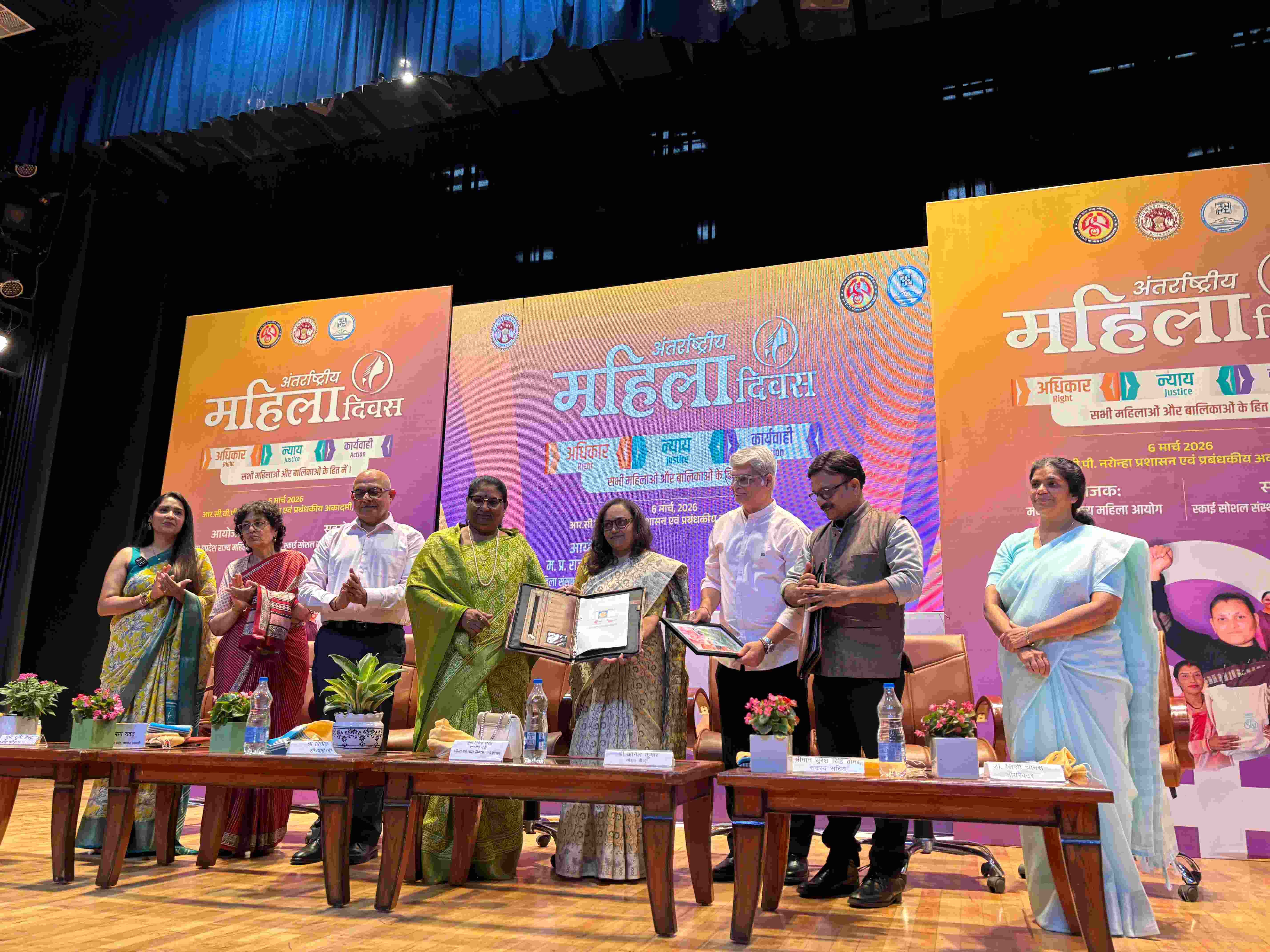
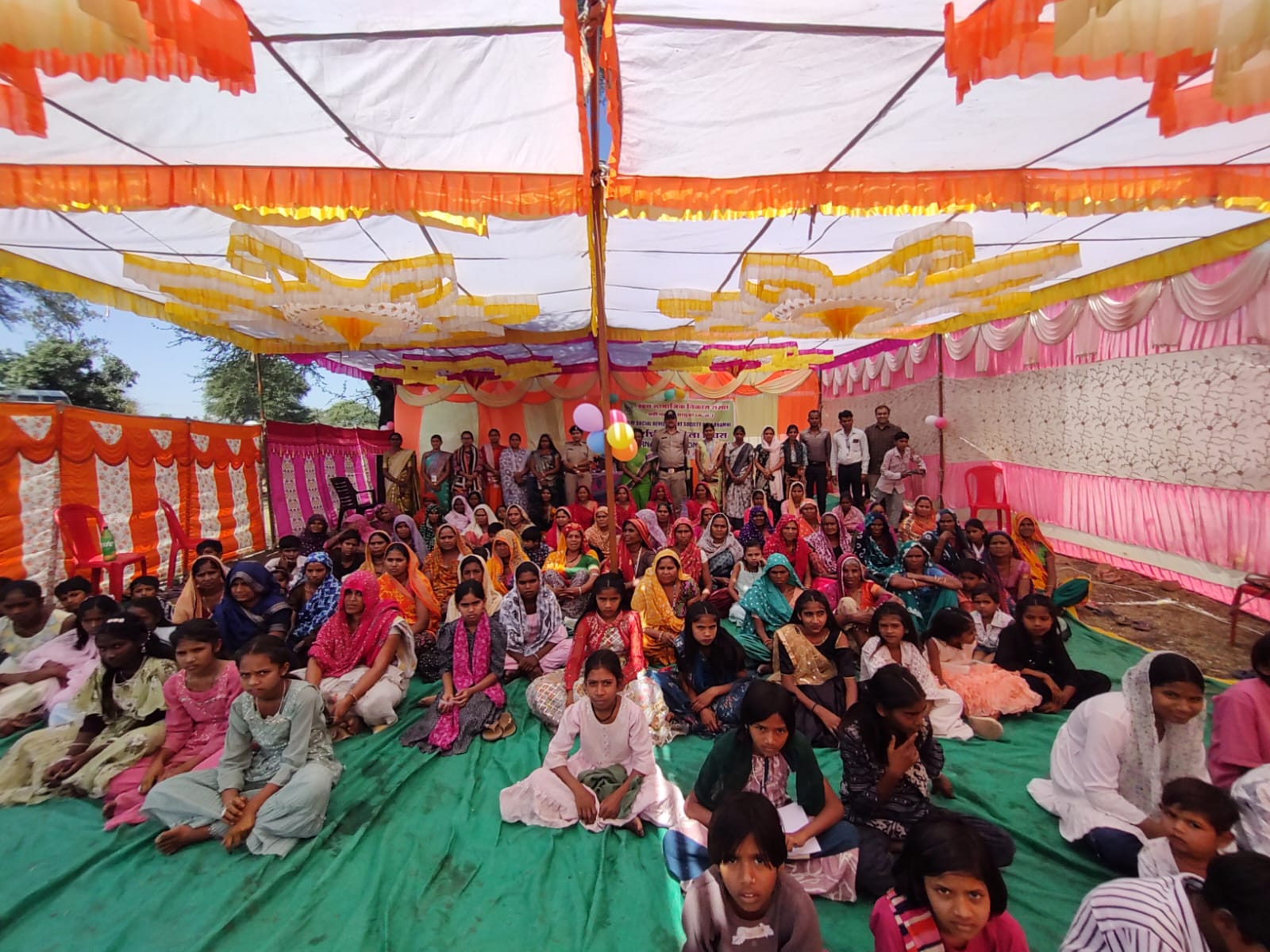
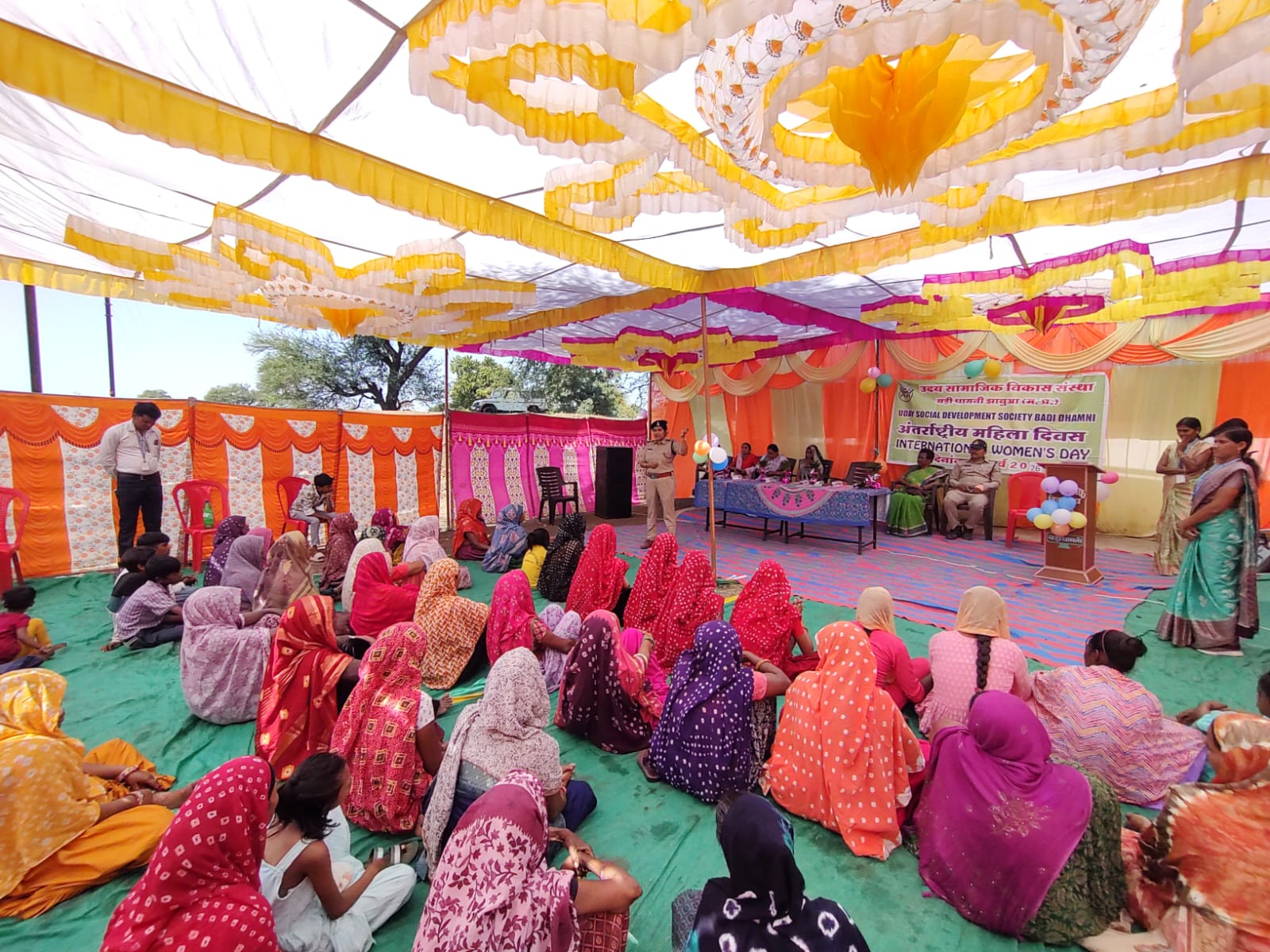
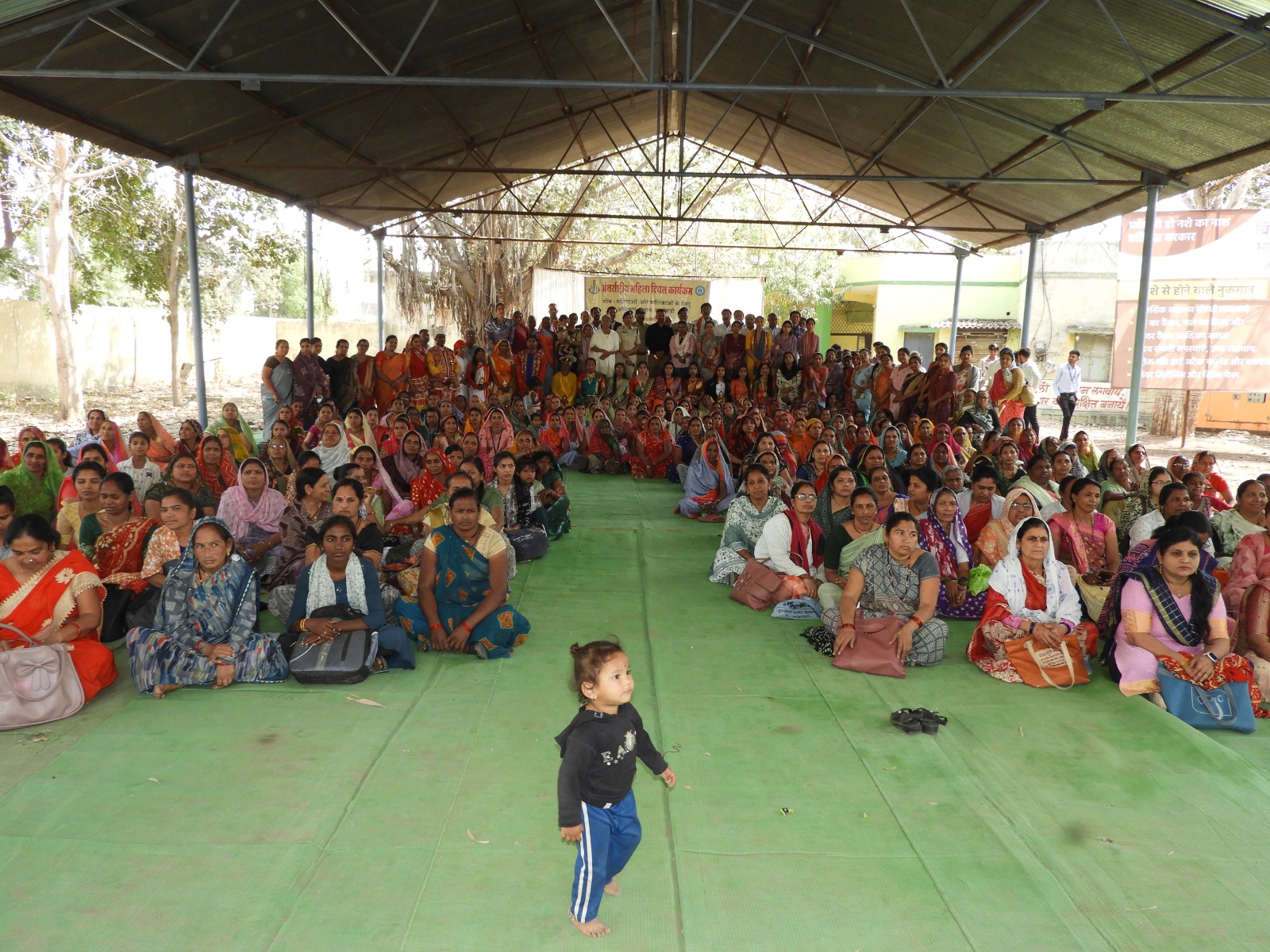
Bhopal, March 2026: Government departments and civil society organizations in Madhya Pradesh came together to observe International Women’s Day with a series of large-scale awareness and empowerment programmes aimed at advancing gender equality and justice in society.
The initiatives were organized across the districts of Jhabua, Khandwa, and Bhopal by Uday Social Development Society, the Access to Justice and Social Action wing run by the Holy Spirit Sisters (SSpS). The programmes were conducted in collaboration with the Madhya Pradesh State Women Commission, the Department of Women and Child Development, the State Police Department, the Sports Department, the National Rural Livelihoods Mission (NRLM), local Panchayats, and several civil society organizations.
These collaborative efforts reflected the growing importance of partnerships between government institutions and civil society in advancing the United Nations Sustainable Development Goals (SDGs), particularly Goal 5 on Gender Equality, through a convergence model developed in the state.


The state-level events, held during the first and second weeks of March 2026, brought together more than 1,800 participants, including women, children, youth, community leaders from villages and urban slums, police officials, and representatives of various government departments.
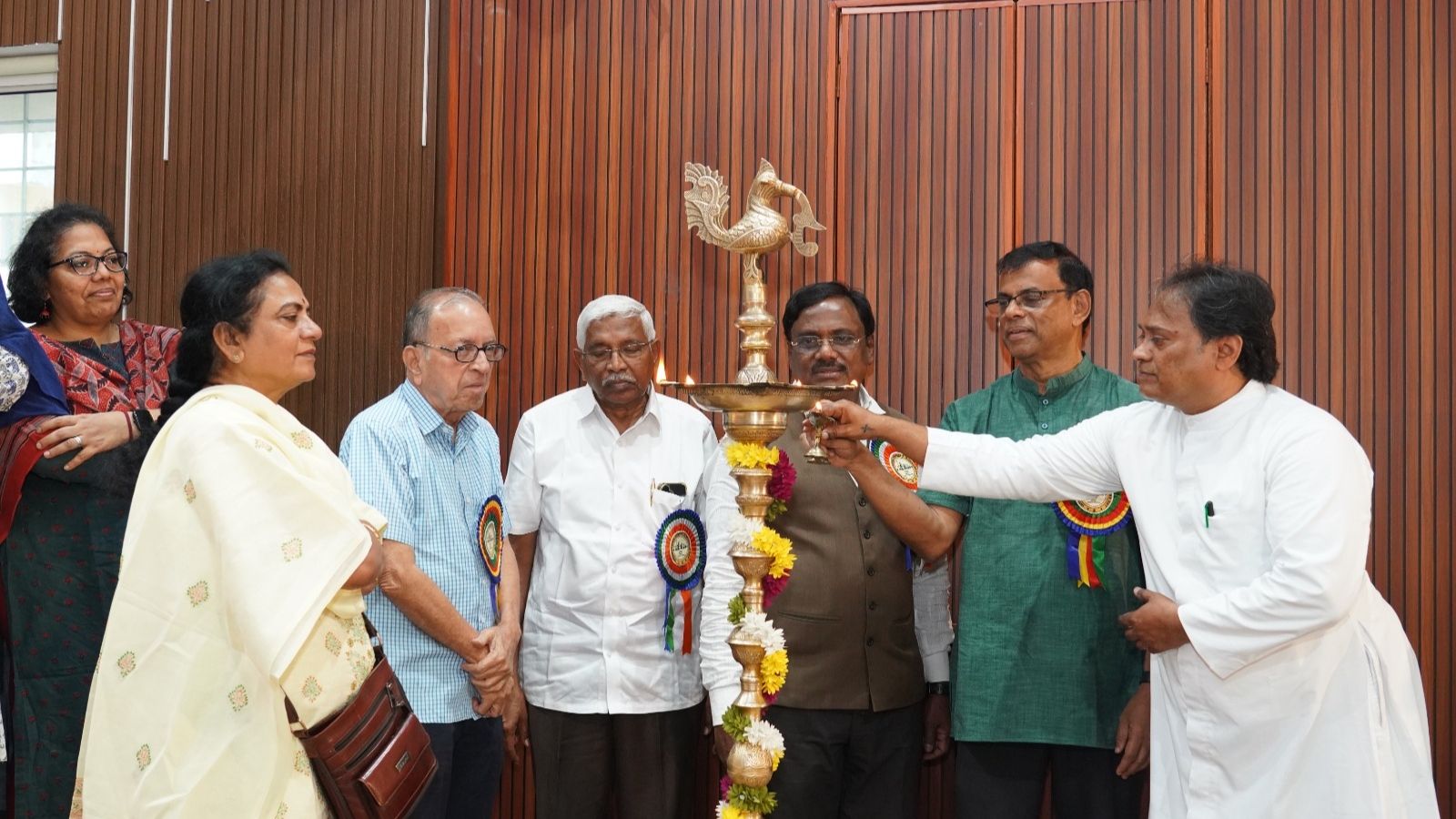
Addressing the gathering, the chief guest, Hon’ble Minister Smt. Nirmala Bhuria of the Women and Child Development Department, underlined that achieving gender justice requires the active participation of every section of society. She also assured continued support for initiatives implemented through the Nirbhaya Fund.
Dr. Suresh Tomar, Secretary of the State Women Commission, highlighted that ensuring equal opportunities for women and men remains a key objective of such initiatives and reaffirmed the Commission’s commitment to work closely with civil society organizations.
The programmes featured a variety of activities, including power walks, cultural performances, and the sharing of inspiring life stories by domestic violence survivors and domestic workers. Children and adolescent girls performed songs, dances, and street plays that highlighted women’s empowerment and raised awareness about social issues such as child marriage and gender discrimination.
Several awareness sessions addressed pressing challenges faced by women today. Experts spoke about mental and emotional well-being, cyber safety, and responsible digital behaviour. Participants were also informed about important legal protections, including the Protection of Children from Sexual Offences Act, 2012, and the Domestic Violence Act, 2005. Information was shared about support services provided by the District Legal Services Authority (DLSA), toll-free helplines, and the role of the National Lok Adalat in dispute resolution.
Community-level programmes further strengthened awareness of women’s rights, legal protections, and safe migration practices. Officials from the Department of Women and Child Development, the State Police, and NRLM encouraged women to access government schemes, report incidents of violence, and participate actively in community decision-making.
Members of Self-Help Groups shared testimonies of financial empowerment, while survivors of domestic violence spoke about regaining independence and confidence through community support.
A key highlight of the events was the presentation of the Nyay Chaupal model, a community-based legal aid platform developed by Uday Society to support survivors of domestic violence and address gender discrimination at the grassroots level. Officials from the Community Policing and Women Safety Wing of the State Police appreciated the initiative, noting that the model helps strengthen local justice systems and encourages survivors to work with law enforcement to prevent crime.
The programmes witnessed enthusiastic community participation, with local governance bodies and volunteers assisting with transportation, logistics, and event coordination. Cultural activities, including empowerment-themed dances and power walks with husbands, symbolized growing support within families and communities for gender equality.
During the events, several grassroots leaders, police officials, Self-Help Group members, youth volunteers, and community justice facilitators were honoured for their contributions to promoting justice and preventing violence against women.
One of the most significant aspects of the initiatives was the spirit of collaboration among government departments, civil society organizations, and community members. Government agencies in the three districts provided venues, refreshments, awards, and support for inviting dignitaries, while Uday Social Development Society coordinated community mobilization, transportation of participants, and programme management.
Dr. Sr. Lizy Thomas, SSpS, Director of Uday Society in Bhopal, emphasized that the convergence model proved highly effective due to careful planning and coordination. She noted that when government institutions, civil society organizations, and communities work together, programmes achieve greater impact and wider participation.
Similar reflections were shared by Sr. Rosily Pathiyotil, SSpS; Sr. Anna Tirkey, SSpS; Sr. Nirmala Marandi, SSpS; Sr. Roseline Pathiyoyil; and Deepa Thomas during the programmes in Jhabua and Khandwa. Along with dedicated teams and mission partners, they contributed significantly to the successful organization of the events.
The programmes concluded with a collective pledge by participants to continue promoting women’s rights and gender equality, reaffirming their commitment to building a society where every woman and girl can live with dignity, freedom, and equal opportunities.
By Catholic Connect Reporter
© 2026 CATHOLIC CONNECT POWERED BY ATCONLINE LLP