- 22 August, 2026
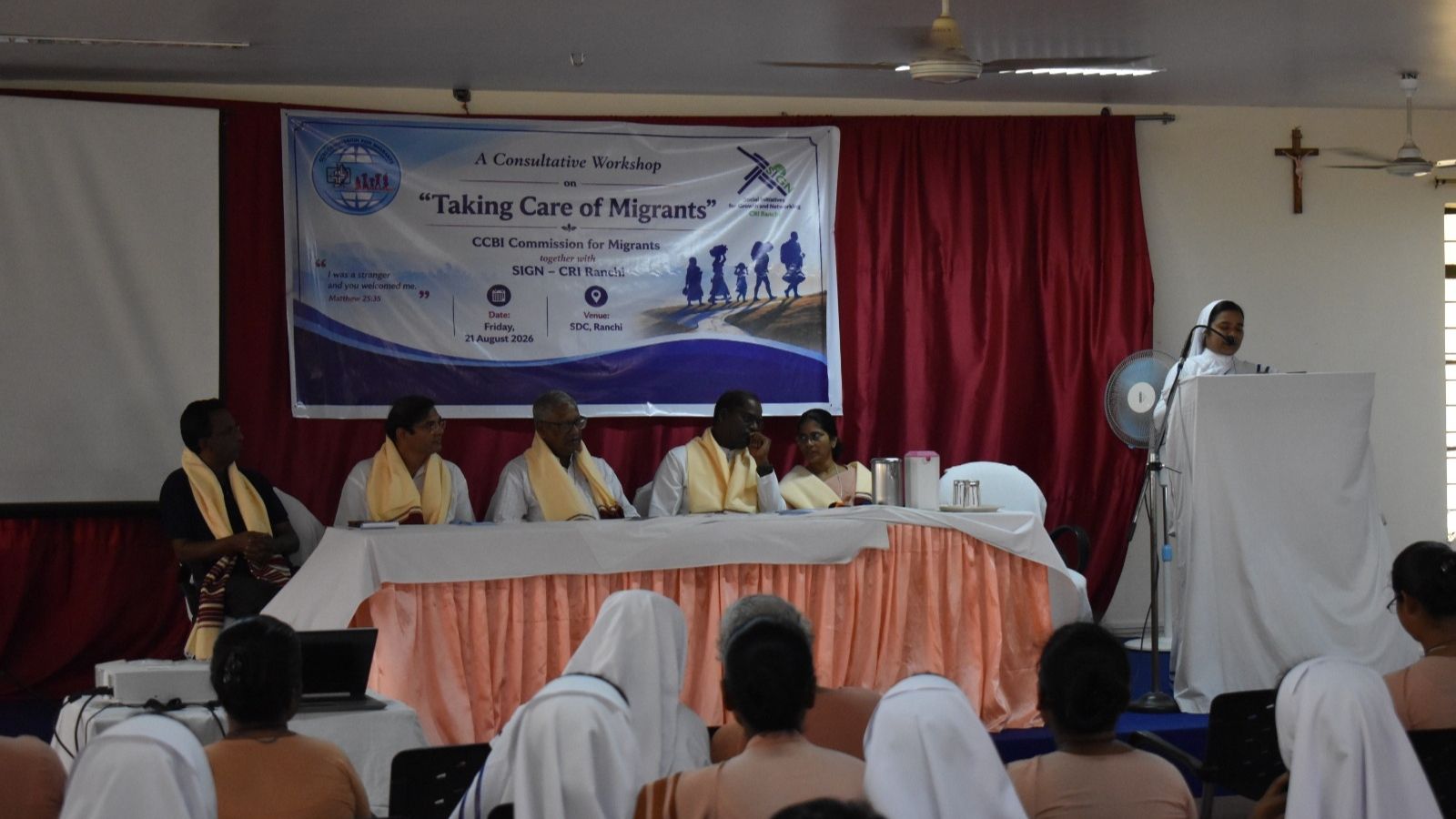
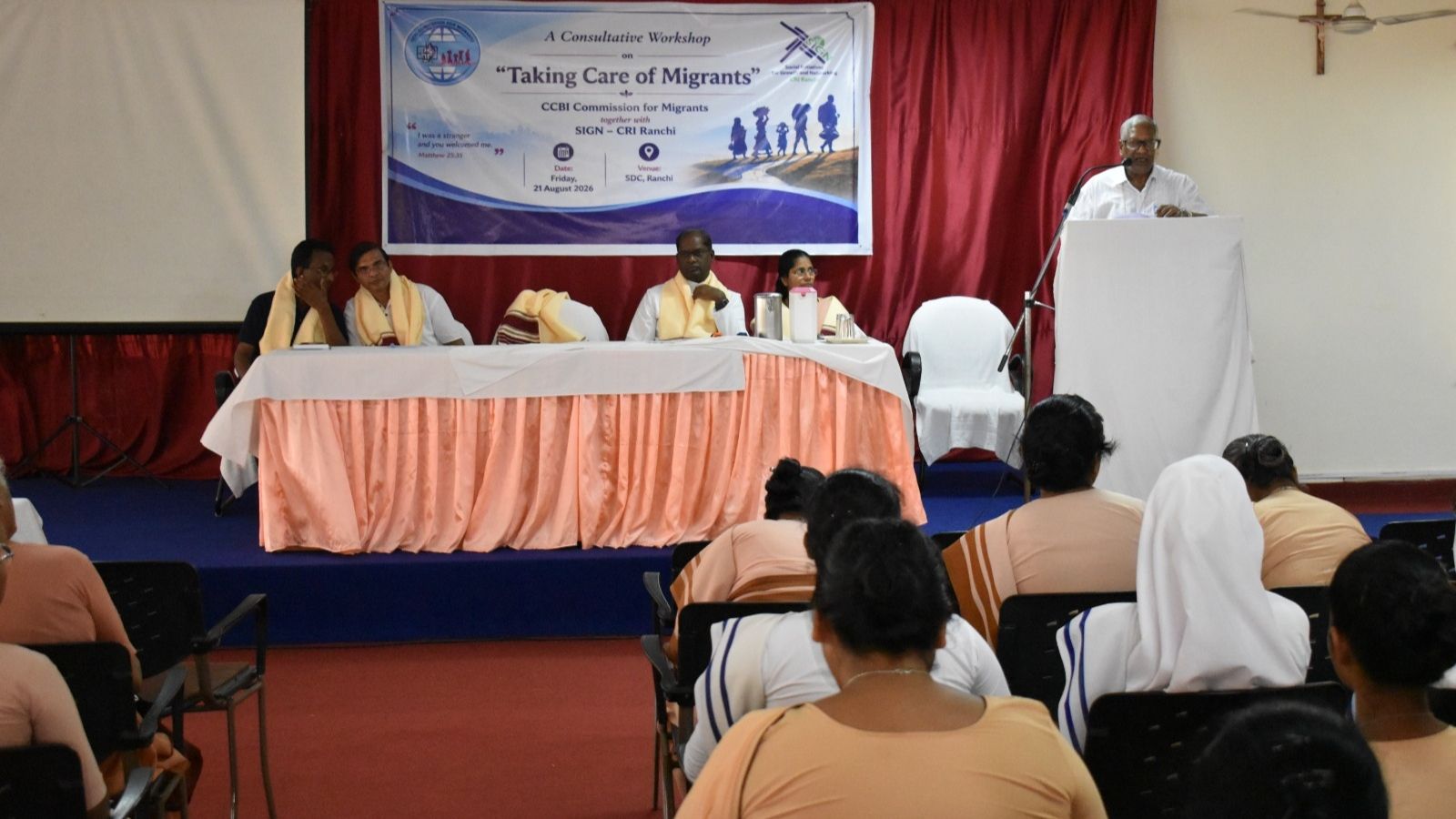
Ranchi, August 22, 2026: The Church in Jharkhand has called for stronger measures to ensure safe migration and protect people leaving their homes in search of work from exploitation, trafficking and bonded labour.


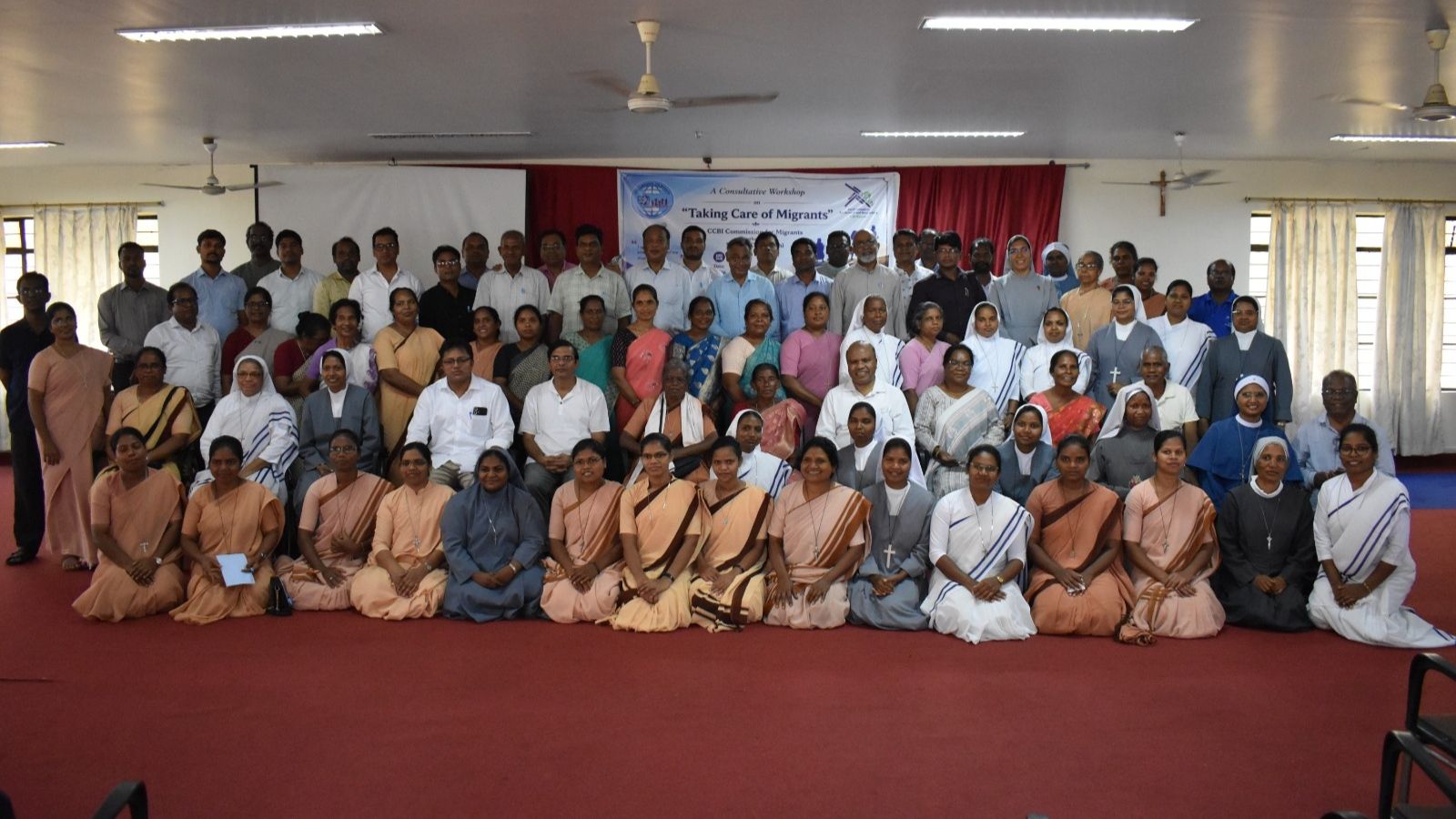
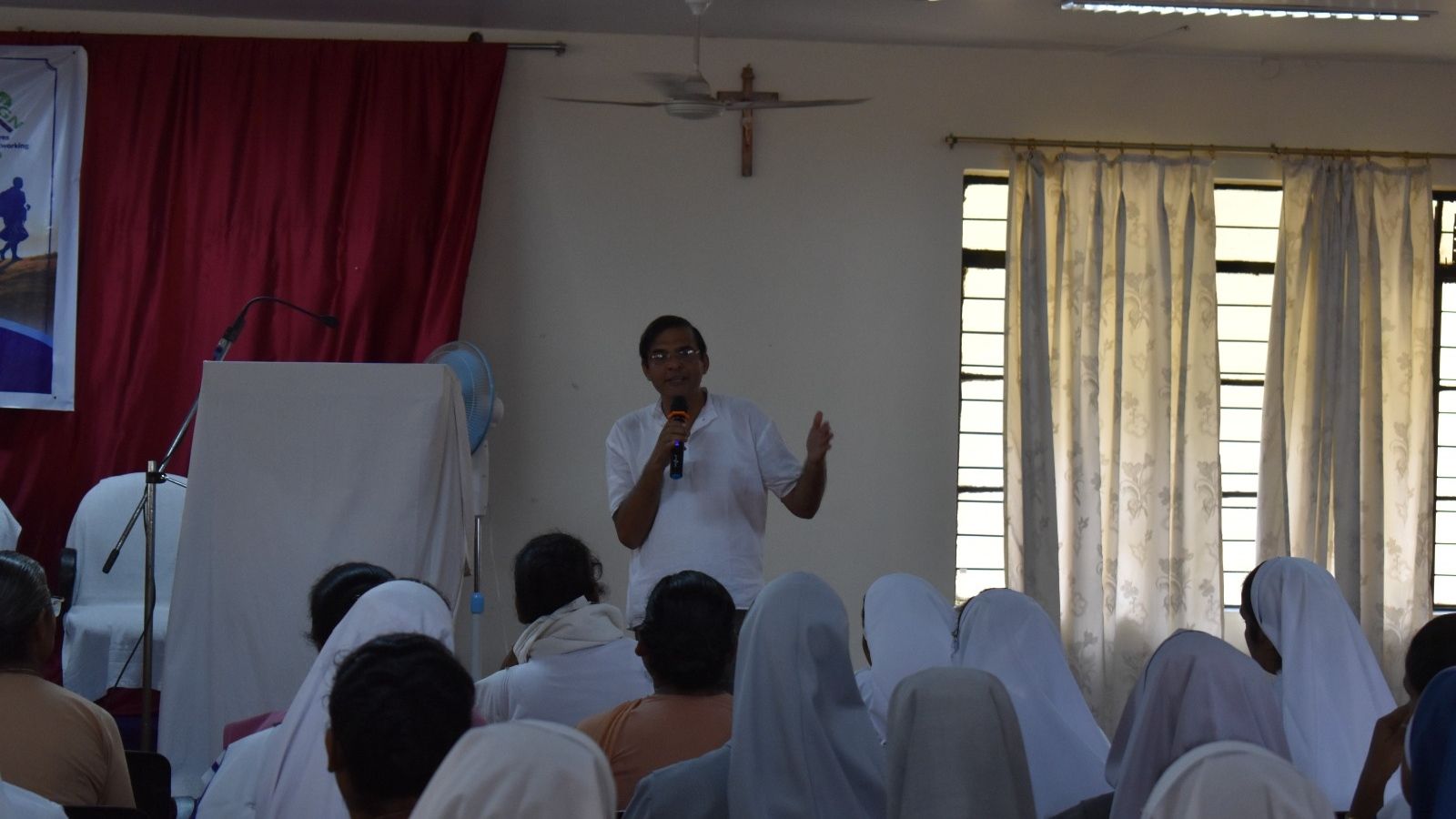
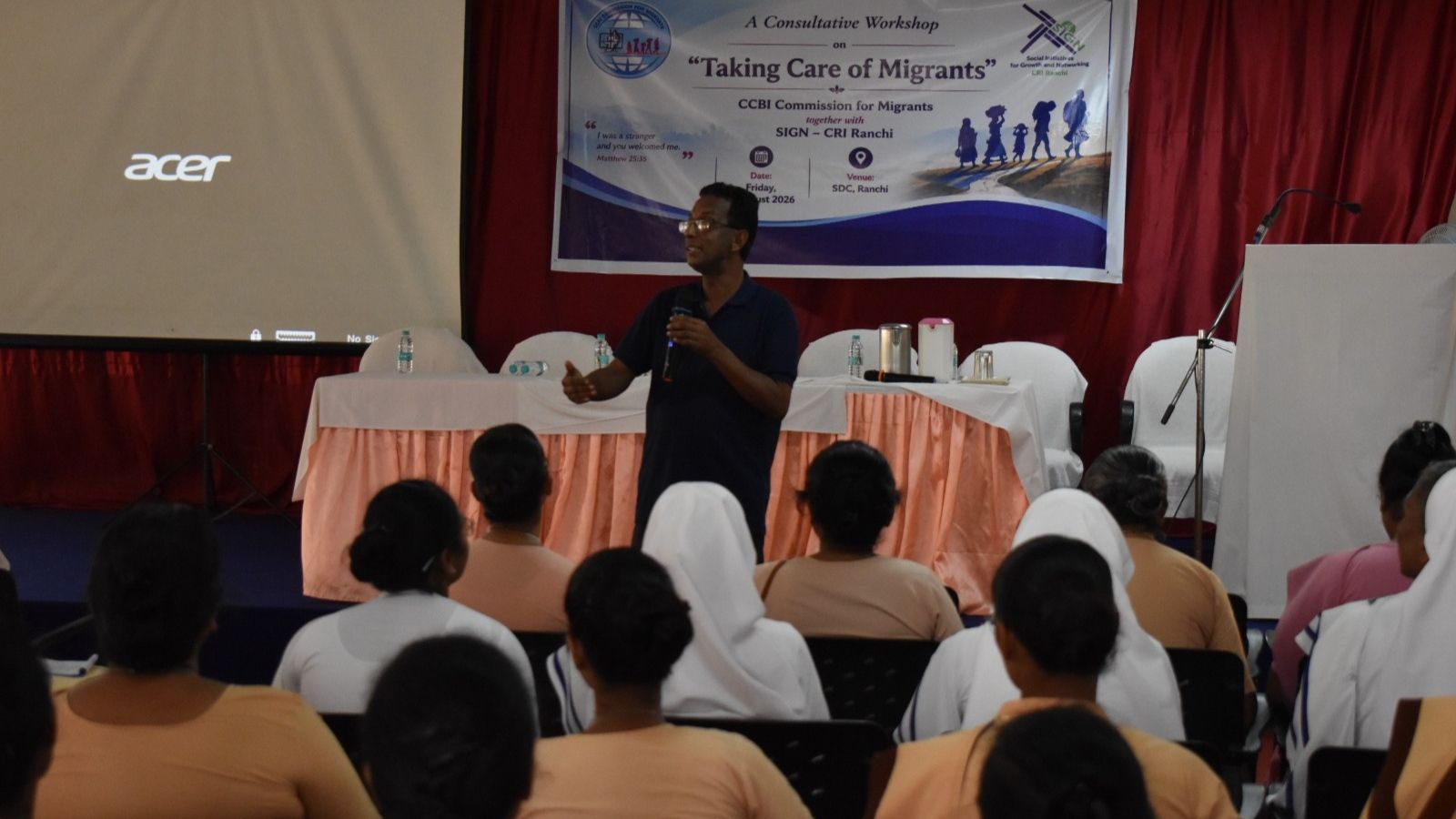
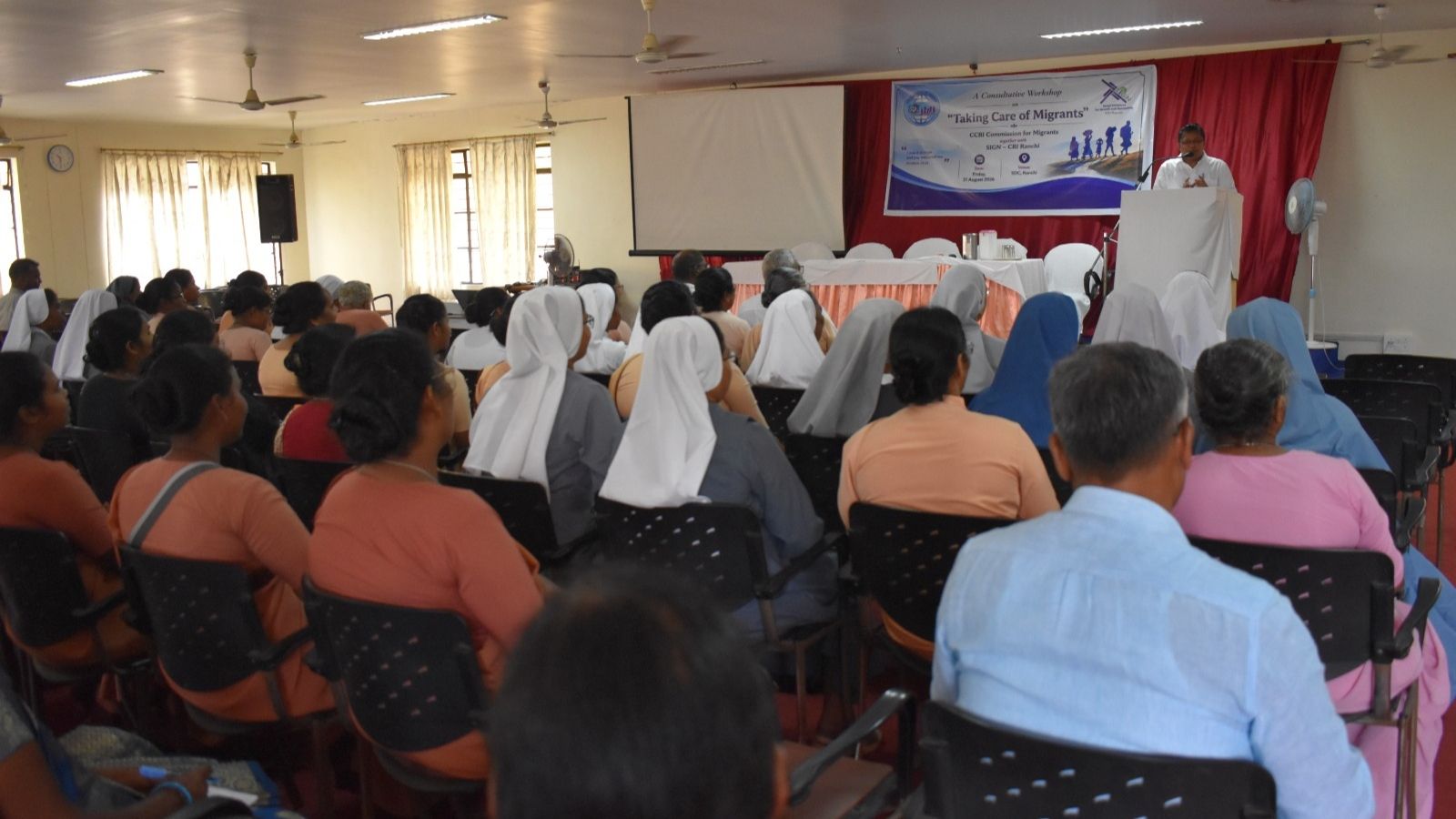
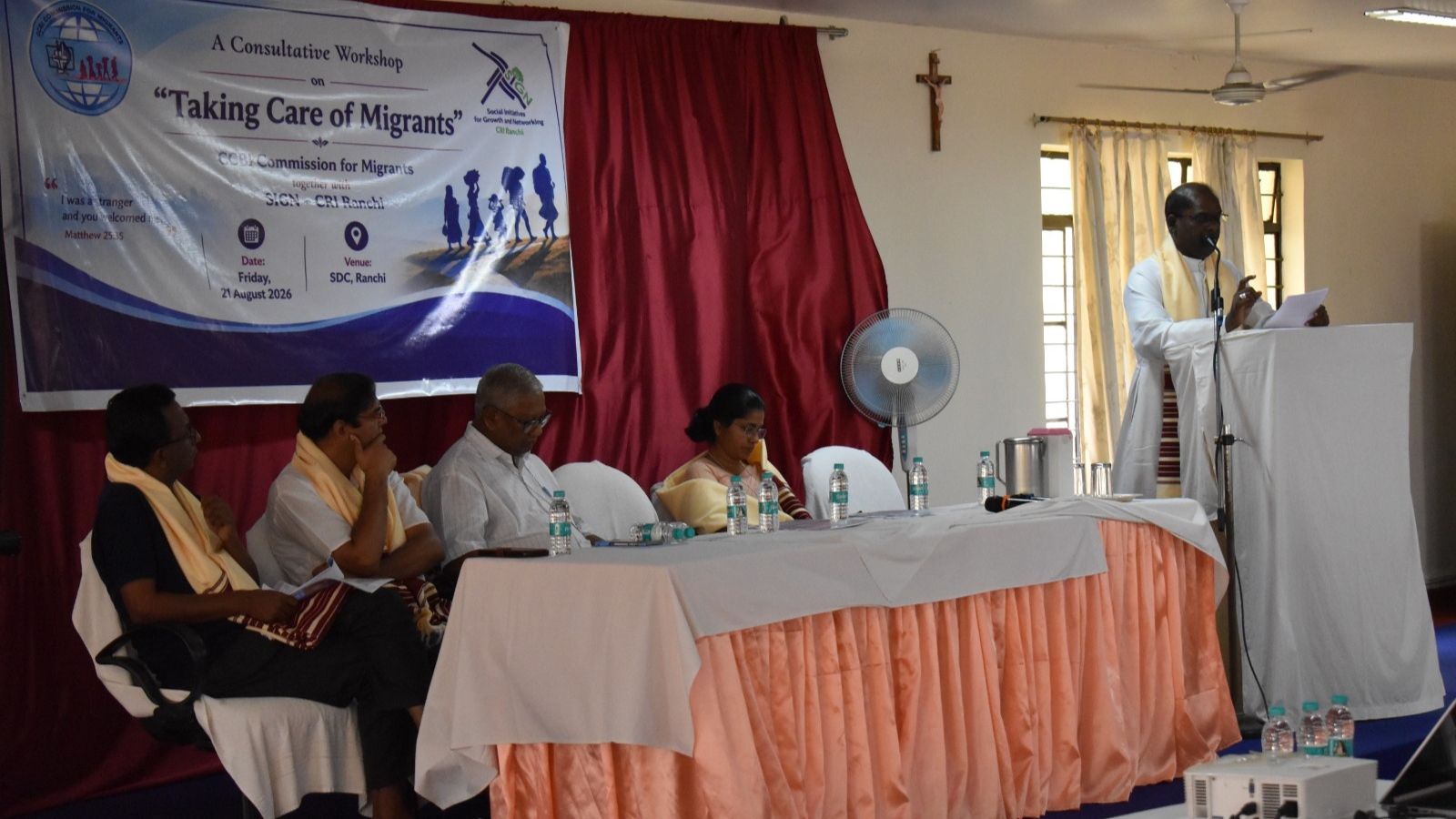
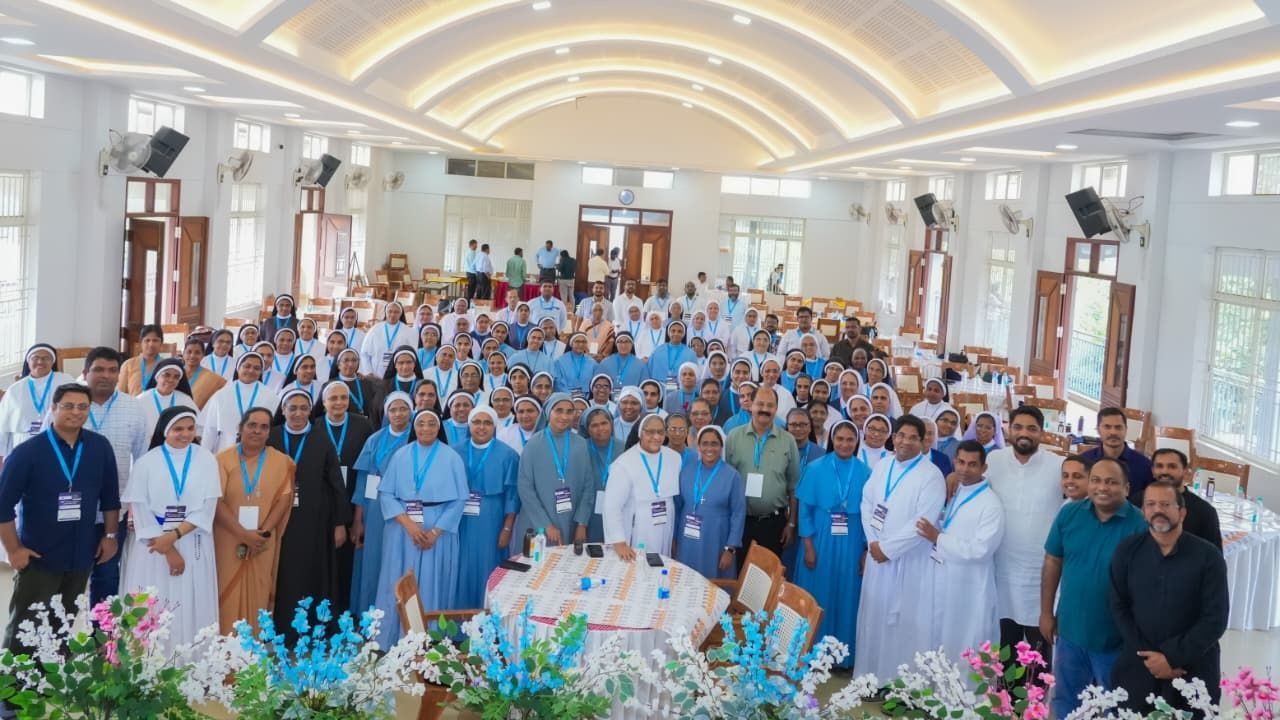
Around 95 priests, religious and lay leaders from different dioceses participated in a consultative workshop on “Taking Care of Migrants” held at SDC, Ranchi, on August 21. The programme was organised by the CCBI Commission for Migrants in collaboration with SIGN–CRI Ranchi.
The workshop brought together Church leaders, pastoral workers and social activists to examine the challenges faced by migrants and develop practical measures for their protection and pastoral accompaniment.


Bishop Vincent Barwa of Simdega highlighted the vulnerability of migrant communities, particularly tribal populations. He said poverty, limited access to education and healthcare, low wages and lack of employment opportunities often compel people to migrate for survival.
Many migrants, he noted, end up in vulnerable occupations such as domestic work and brick kilns, where they may face exploitation. He called for greater investment in education, skill development and livelihood opportunities for tribal youth, along with stronger pastoral care for those who migrate.
Auxiliary Bishop Anand of Ranchi pointed to the contrast between Jharkhand’s rich natural and tribal heritage and the poverty experienced by many of its people. He stressed the need to empower young people through education and create opportunities that enable them to build sustainable livelihoods while preserving their cultural heritage.
Fr. Alwin, director of SIGN, said migration in Jharkhand was largely driven by the search for livelihood. While some migrants experience safe working conditions, others face exploitation and insecurity. He said the workshop provided an opportunity to strengthen efforts towards safe migration and ensure greater care for those who leave their homes for employment.
Fr. Manoj TOR, Provincial and president of CRI Ranchi, facilitated the resource sessions and urged participants to translate the discussions into concrete action at parish and diocesan levels. He stressed the need for grassroots awareness, coordination and sustained accompaniment of migrants throughout their migration journey.
Sr. Rani Punnasseril HCM, national council member of the CCBI Commission for Migrants, presented the commission’s initiatives and pastoral vision. She called for a coordinated approach beginning at the source of migration and continuing through the migrant’s journey to the destination.
She identified safe migration, awareness, pastoral accompaniment, networking and protection as key areas of intervention and urged dioceses, parishes and religious congregations to work together so that migrants do not lose contact with the Church after leaving their homes.
Fr. Siby Eravimangalam CMF described migrant ministry as an important pastoral responsibility. He urged parishes to identify people who migrate, know their destinations and establish mechanisms to remain connected with them. He also called for village-level awareness programmes and stronger coordination between communities of origin and destination.
Human rights activist Nirmal Gorana, national coordinator of the Eradication of Bonded Labour Campaign Committee, sensitised participants on laws relating to bonded labour and human trafficking. He explained the forms of exploitation faced by vulnerable workers and highlighted the importance of recognising warning signs, creating awareness at the source of migration and informing migrants about their legal rights and protections.
Gorana also emphasised the Church’s role in preventing exploitation, identifying vulnerable migrants and referring cases to appropriate agencies, particularly in Jharkhand, a major source region for migrant labour.
Group discussions resulted in a practical action plan, including awareness programmes in schools and among Self-Help Groups, as well as certificate courses on safe migration, migrant rights and protection.
Participants also called for systematic data collection and documentation to identify migration-related concerns and strengthen advocacy with government authorities. Legal intervention and submission of memoranda to concerned authorities were proposed wherever necessary.
The CRI and dioceses agreed to collaborate in implementing and monitoring the initiatives. Participants also resolved to observe the World Day of Migrants and Refugees 2026 in parishes to raise awareness, welcome migrants and strengthen pastoral outreach.
Several religious congregations committed themselves to specific responsibilities in migrant ministry, while Fr. Justin SJ, vice-president of CRI Ranchi, stressed the importance of collaboration and networking for making the Church’s migrant ministry more effective and sustainable.
The workshop reaffirmed the Church’s commitment to know, accompany, protect and empower migrants, with the aim of ensuring that migration becomes a pathway to dignity, opportunity and hope rather than exploitation and vulnerability.
By Catholic Connect Reporter


© 2026 CATHOLIC CONNECT POWERED BY ATCONLINE LLP