- 03 May, 2026

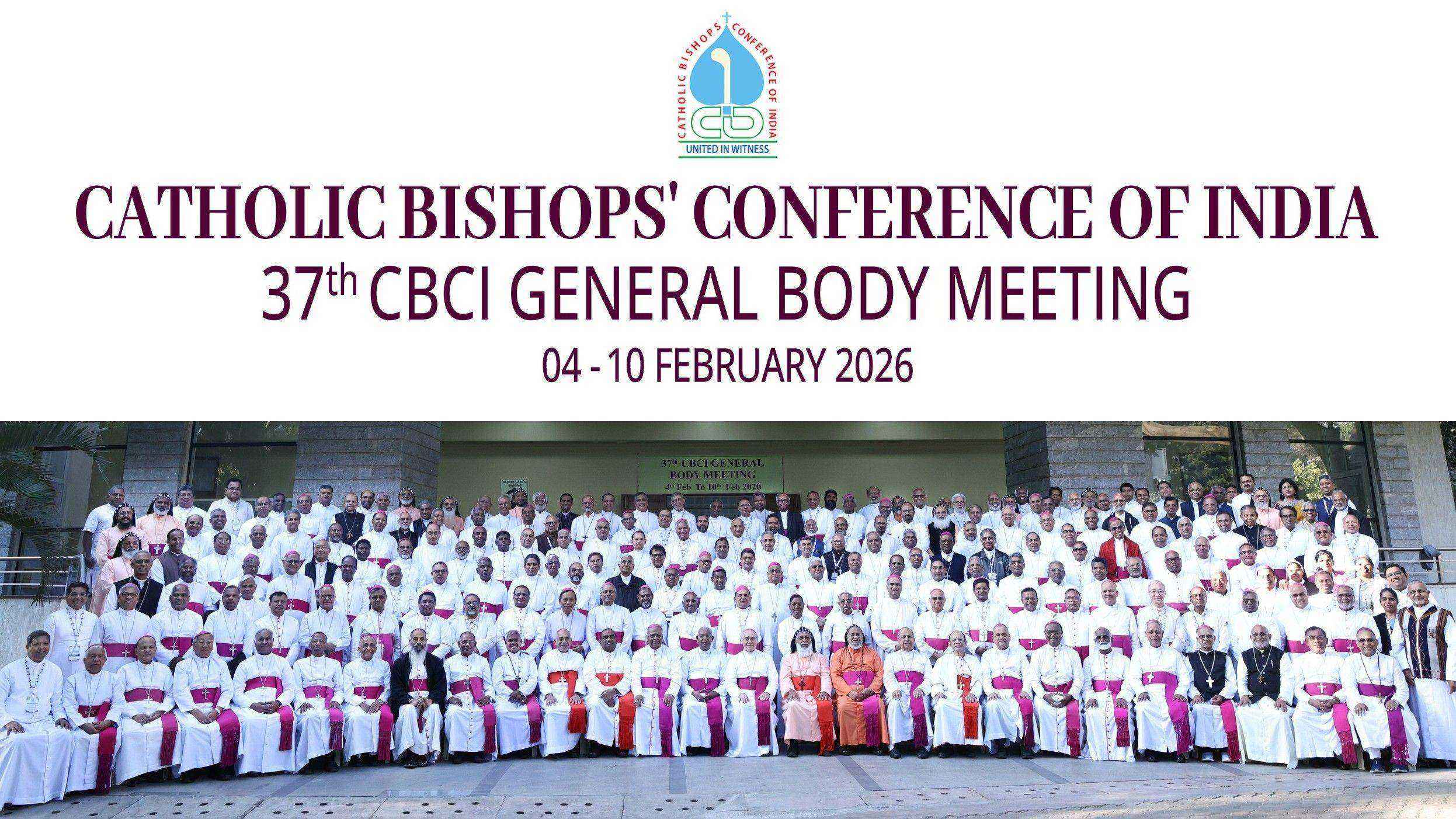
Bengaluru, Feb. 10, 2026: Urging Catholics to live as “authentic Christians and responsible citizens of India,” the Catholic Bishops’ Conference of India (CBCI) has reaffirmed the Church’s commitment to the Gospel and the constitutional values of the nation, calling for a renewed public witness marked by faith, justice, and service to the common good.

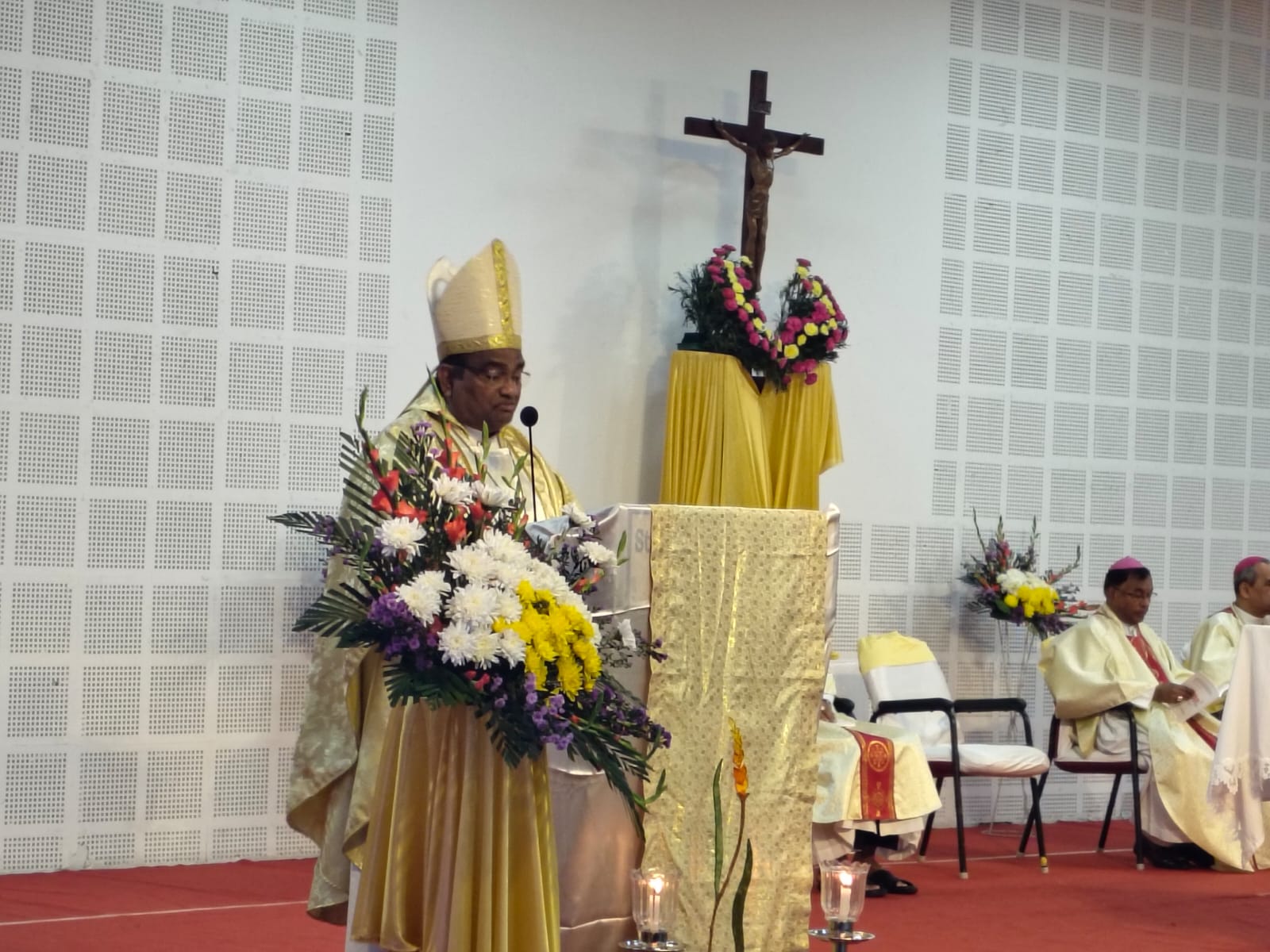
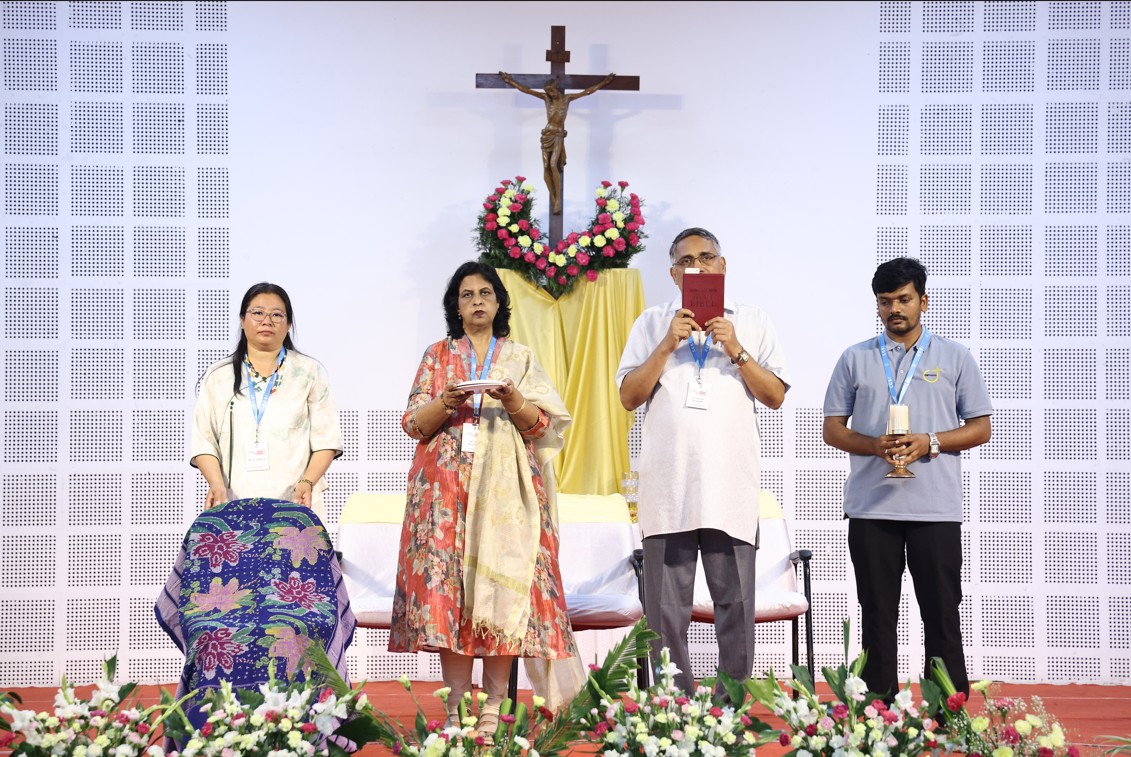
The call came at the conclusion of the CBCI’s 37th General Body Meeting, held from February 4 to 10 at St. John’s Academy of Health Sciences, Bengaluru, which brought together 202 bishops from across the country under the theme “Faith and the Nation: The Church’s Witness to India’s Constitutional Vision.”
In a comprehensive statement issued at the end of the meeting, the bishops reflected on the Church’s mission in India’s present socio-cultural and political context. Expressing gratitude for the country’s rich cultural, linguistic, and religious diversity, they said the Christian community continues to contribute with hope and joy to national life while cherishing the freedom to practise its faith.


At the same time, the bishops acknowledged serious challenges facing the nation, including widening inequality, ecological degradation, misinformation, social polarisation, and growing anxieties around identity and belonging. In this context, they said the Church is called to offer a “mature, hopeful, and credible public witness,” recalling Jesus’ call to be “the salt of the earth” and “the light of the world.”
The statement encouraged Christians to remain steadfast in their identity, viewing moments of questioning or confrontation as opportunities to deepen their relationship with Christ. Rather than retreating from public life, the bishops called for living the Christian faith with courage and conviction so that it may inspire unity and hope in society.
Reaffirming fidelity to the Constitution of India, the bishops said authentic Christian living naturally promotes law-abiding citizenship, peace, and the defence of human rights. Commitment to the Constitution, they noted, flows from faith and from concern for the common good, human dignity, freedom of conscience, and the protection of India’s plural, secular, and democratic character.
The bishops expressed concern over increasing disregard for freedom and human rights, particularly affecting the poor, marginalised, Dalit, and tribal communities. They drew attention to the continued denial of constitutional rights to Dalit Christians, describing it as a long-standing form of discrimination, and warned that the erosion of minority rights weakens the foundations of democracy.
While reiterating the Church’s resolve to eliminate discrimination within its own communities, the bishops urged the government to ensure that no citizen is denied fundamental rights. They raised concern over the incarceration of individuals on unsubstantiated allegations of forced religious conversions and called for the repeal of laws that undermine religious freedom and the right to privacy, citing Article 25 of the Constitution.
Turning to the situation of young people, the statement highlighted challenges such as unemployment, migration, digital vulnerability, and social pressures. Emphasising that youth seek meaning as well as opportunity, the bishops reaffirmed their commitment to accompanying young people through leadership formation, civic education, ethical engagement, and active participation in democratic processes, including politics as a vocation of service.
The bishops also underscored the Church’s preferential option for the poor, stressing the role of Christian educational and social institutions in promoting inclusivity, justice, and ethical leadership. Acknowledging that poverty today includes multiple deprivations, including the absence of a voice, they pledged renewed efforts to uphold justice, transparency, accountability, and ethical governance within Church institutions.
In a climate of polarisation and mistrust, the bishops reaffirmed their commitment to dialogue, reconciliation, and fraternity, pledging to strengthen interreligious engagement and solidarity with all who face injustice or exclusion.
Concluding the statement, the bishops said that, rooted in Christ and faithful to the Constitution, they recommit themselves to serving the common good with humility, courage, and wisdom. Entrusting their mission to the Holy Spirit and invoking Mary, Queen of Peace, they expressed solidarity with all people of goodwill in working for a just, inclusive, and fraternal India, affirming their hope in the promise that “hope does not disappoint.”
By Catholic Connect Reporter


© 2026 CATHOLIC CONNECT POWERED BY ATCONLINE LLP