- 13 August, 2026

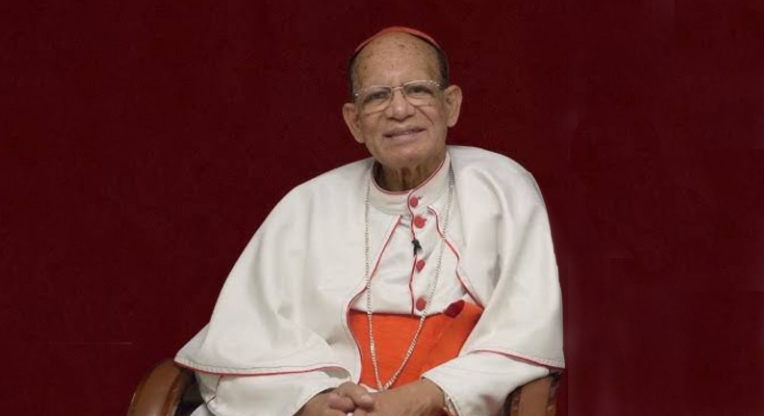
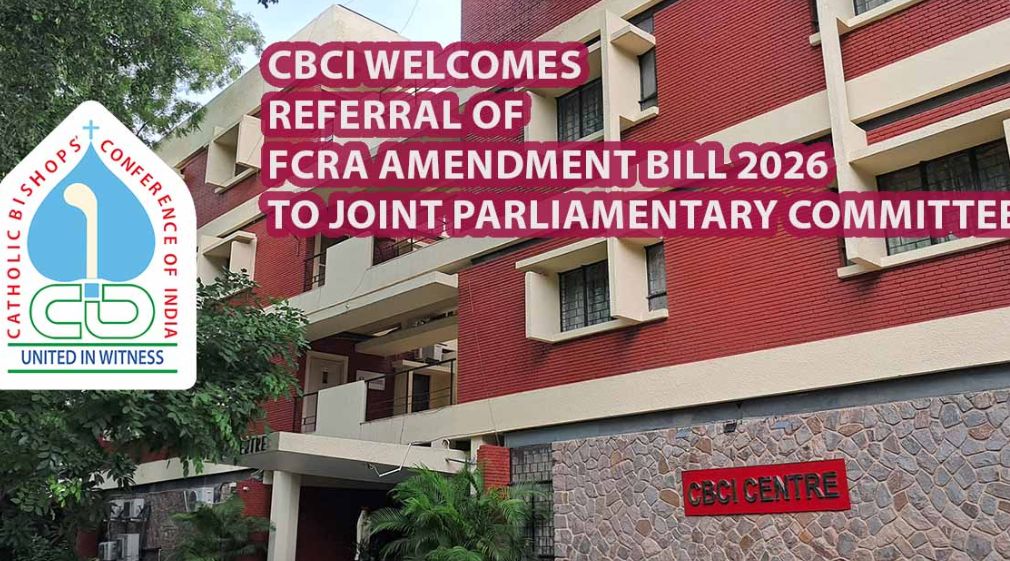
Mumbai, 12 August 2026:The debate over the proposed Foreign Contribution (Regulation) Amendment Bill, 2026, has entered a new phase, with the government referring the legislation to a 31-member Joint Parliamentary Committee (JPC) for further examination on August 12. The development comes days after Oswald Cardinal Gracias, Archbishop Emeritus of Bombay, wrote to Union Home Minister Amit Shah urging the government and Parliament not to rush the proposed changes.


A sharper intervention as debate moves forward
In a subsequent interview, Cardinal Gracias strongly criticised the proposed legislation, describing its strict provisions as “draconian.” His intervention has given renewed prominence to concerns within the Christian community about the possible consequences of tighter regulation of foreign contributions.
Concerns over charitable and humanitarian work


Cardinal Gracias’s August 8 letter to Shah focused particularly on the work of priests and nuns serving poor, sick and marginalised communities. He said he had met several religious personnel who were apprehensive that the proposed law could seriously affect their activities and, in some cases, potentially bring their work to a halt.
His concern is not framed as opposition to regulation itself. The Cardinal explicitly acknowledged the government’s responsibility to exercise proper control over money received from abroad. His argument is that regulation must be carefully designed and implemented so that legitimate oversight does not unintentionally disrupt charitable and social services.
The Bombay Catholic community has echoed these concerns, warning that the proposed framework could extend beyond financial regulation into excessive state control over charitable, educational and religious institutions.
A call for consultation, not haste
A central element of Cardinal Gracias’s intervention is his appeal for wider consultation. In his letter, he argued that the practical impact of legislation depends greatly on how its provisions are interpreted and implemented at the ground level.
He therefore urged Shah to ensure that affected communities, including representatives of the Christian community, are consulted before Parliament proceeds. He also recommended that the matter be referred to a parliamentary committee for detailed study.
That request has assumed greater relevance following the Centre’s decision to send the Bill to a JPC. The referral provides an opportunity for lawmakers to examine the proposed provisions in greater detail and hear from organisations that may be directly affected.
Balancing accountability with service
The controversy ultimately raises a broader question: how can the government strengthen accountability over foreign contributions without placing legitimate humanitarian work under excessive restrictions?
For Cardinal Gracias, the answer lies in careful scrutiny, consultation and implementation. His position recognises the state’s right to regulate foreign funding while warning against provisions that could unintentionally undermine institutions serving vulnerable communities.
With the Bill now before a parliamentary committee, the discussion is no longer simply about whether regulation is necessary. It is increasingly about what kind of regulation India needs—and whether the final framework can protect both financial accountability and the autonomy of organisations engaged in education, healthcare, charity and social service.
For the Christian community, the JPC process will therefore be closely watched as an opportunity to present its concerns and seek changes to provisions it considers overly restrictive or draconian.
Courtesy : Times of India

© 2026 CATHOLIC CONNECT POWERED BY ATCONLINE LLP