- 30 July, 2026

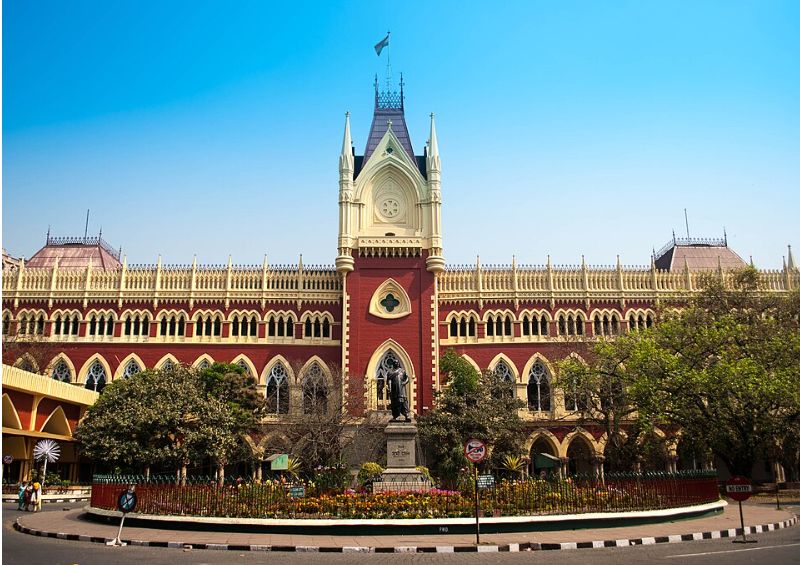
KOLKATA, July 30, 2026: The Calcutta High Court has ruled that Aadhaar cards, Permanent Account Number (PAN) cards, voter identity cards and bank accounts cannot, by themselves, be treated as conclusive proof of Indian citizenship.


The observation came while dismissing a habeas corpus petition seeking the release of a man detained after his name was removed from the electoral rolls during the 2026 Special Intensive Revision (SIR) exercise.
The ruling highlights the legal distinction between government-issued identity documents and documents capable of establishing citizenship under Indian law.


The petition was filed by Suman Molla, who sought the release of his nephew, Nasir, alleging that he had been unlawfully detained while an appeal against the deletion of his name from the electoral rolls was pending.
Molla produced several documents in support of Nasir's claim to Indian citizenship, including a voter identity card, Aadhaar card, PAN card issued by the Income Tax Department and a bank passbook.
A Division Bench comprising Justices Debangsu Basak and Ajay Kumar Gupta, however, held that the documents could not independently establish Indian citizenship.
The Bench observed that a voter identity card indicates that a person's name had been included in the electoral roll, but does not by itself conclusively establish nationality. Since Nasir's name had subsequently been removed during the SIR exercise, the voter card could not, in the circumstances of the case, be treated as definitive proof of citizenship.
The Court similarly held that Aadhaar and PAN cards are issued for specific identification and administrative purposes and do not, by themselves, confer or establish Indian citizenship. The Bench also said that the possession of a bank account could not be treated as proof of Indian nationality.
Referring to provisions of the Immigration and Foreigners Act, 2025, the Court said the responsibility of establishing citizenship rested with the person claiming it.
According to the Court, Nasir had been detained on June 18, 2026, under a Ministry of Home Affairs circular dated May 2, 2025. The circular provides detainees with 60 days to establish their Indian citizenship.
The Bench noted that, during the proceedings, neither Nasir nor the petitioner produced material that the Court considered sufficient to conclusively establish his citizenship.
During the hearing, the Court permitted the petitioner's advocate to speak with Nasir by telephone. Nasir reportedly said that his parents had died in India. However, neither he nor Molla was able to identify the location where the parents had allegedly been buried.
The judges noted that they had considered whether DNA testing using the remains of Nasir's parents could be pursued to verify the claim. Since the location of the graves could not be established, the Court drew an adverse inference concerning the claim about Nasir's parentage and citizenship.
The Bench also questioned the petitioner's credibility, pointing to inconsistencies in the descriptions of his relationship with Nasir. While Molla had identified himself as Nasir's cousin in a police complaint, he described himself as Nasir's uncle in the writ petition.
The Court further noted an apparent inconsistency in the claim that Molla had raised Nasir after the death of Nasir's father in 1980. According to the judgment, Molla is 38 years old while Nasir is 46, raising questions about the plausibility of the account.
Concluding that the material placed before it did not establish Nasir's Indian citizenship, the High Court declined to interfere with the authorities' decision and dismissed the habeas corpus petition.
The ruling reiterates that identity documents issued by the government for specific purposes, including Aadhaar, PAN and electoral identification, should not automatically be equated with conclusive proof of citizenship. It also underscores the importance of producing legally relevant evidence when citizenship is specifically disputed before authorities or courts.
Courtesy Bar and Bench



© 2026 CATHOLIC CONNECT POWERED BY ATCONLINE LLP