- 05 May, 2026

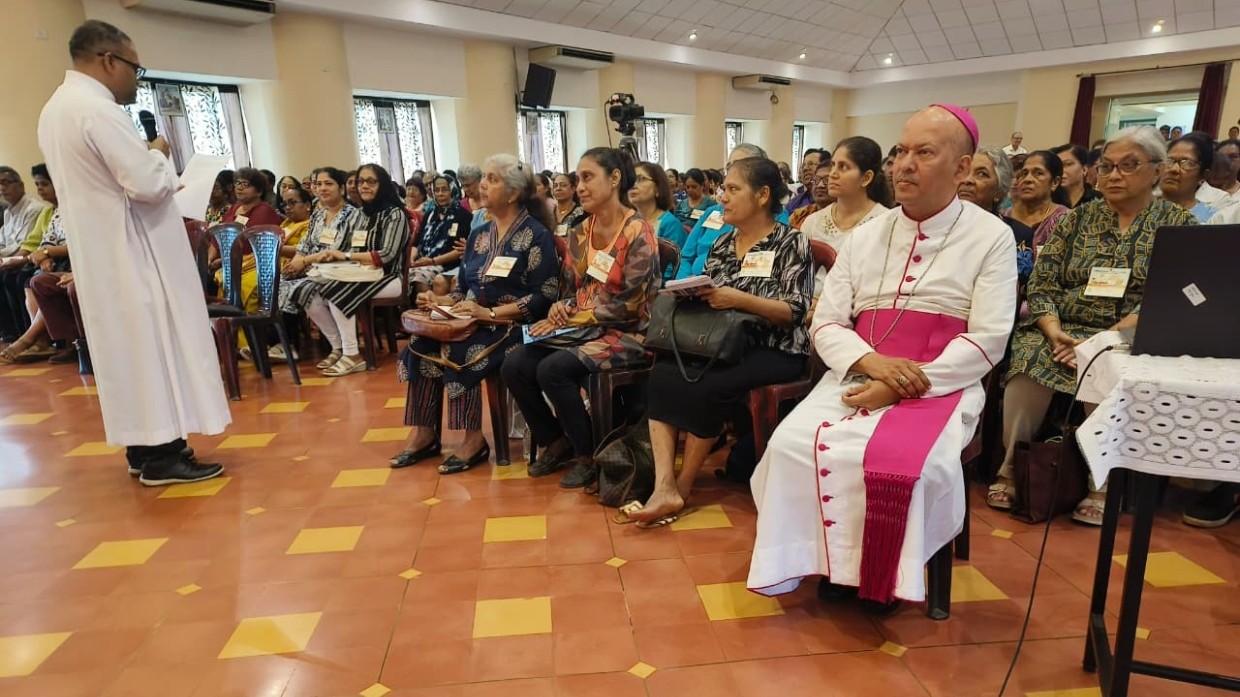
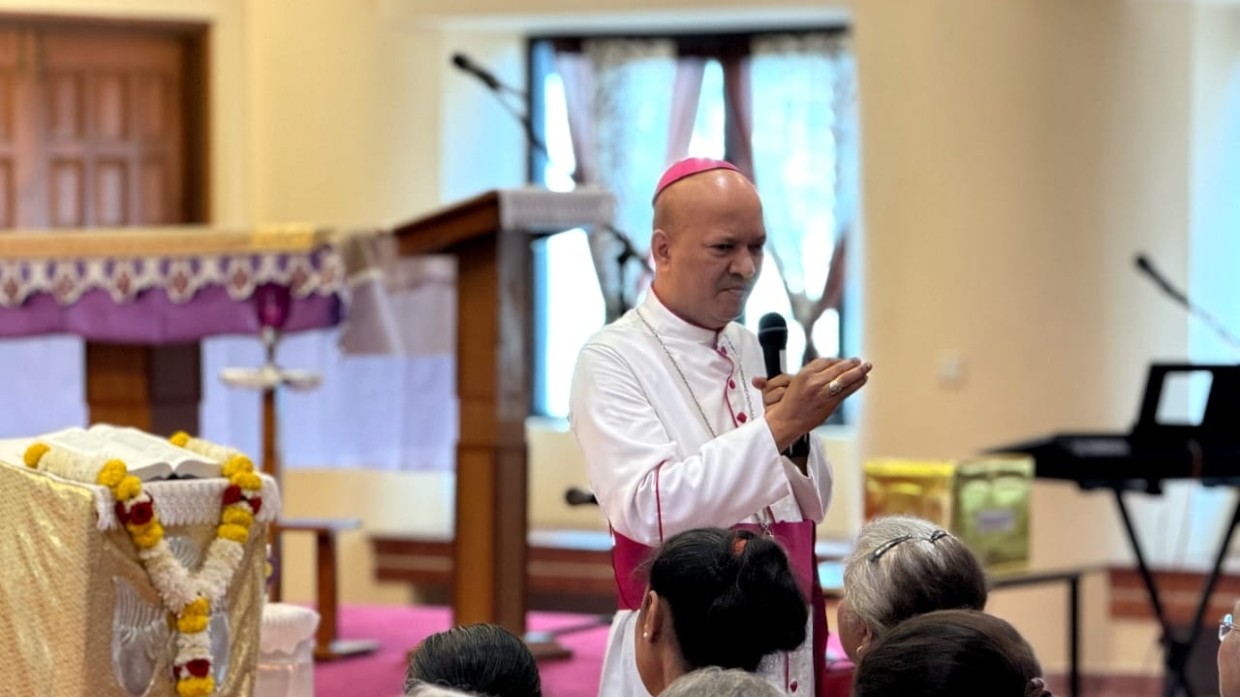
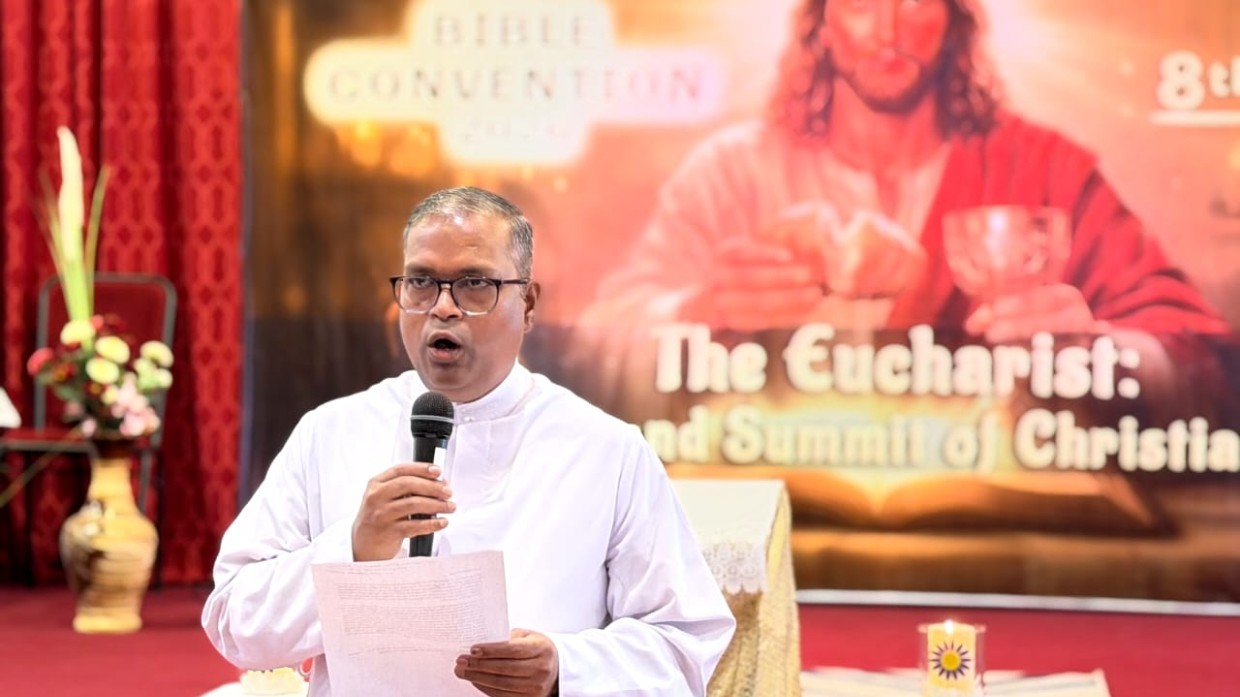
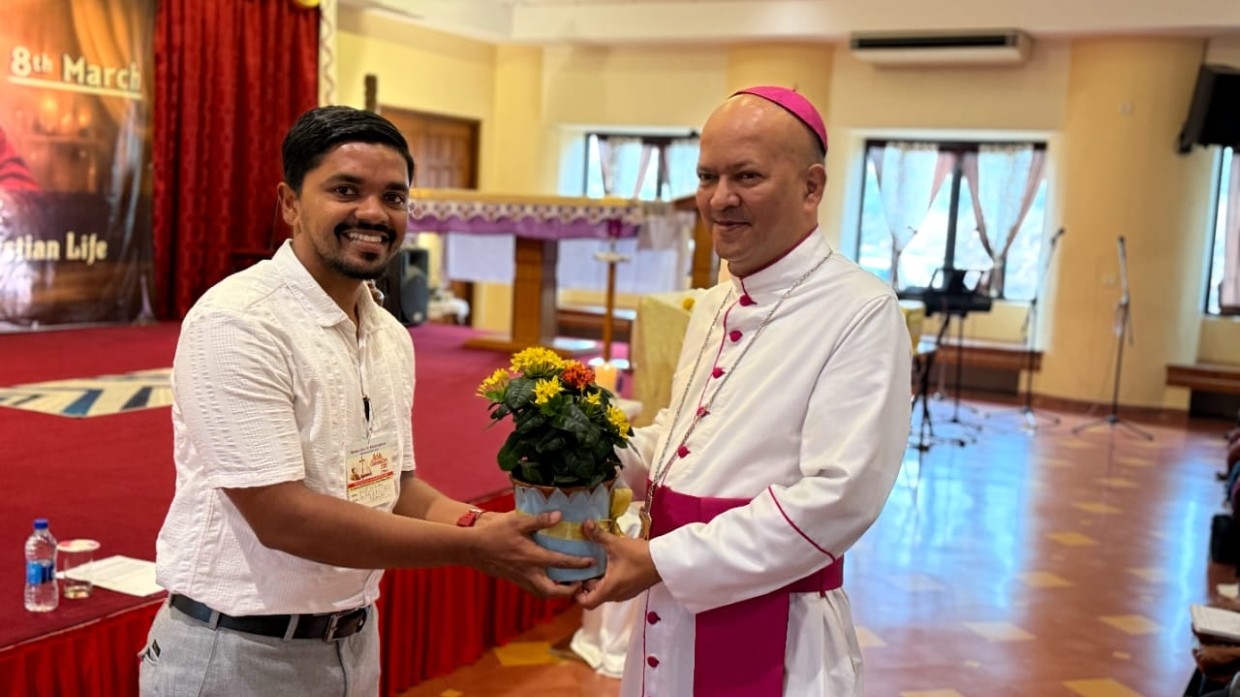
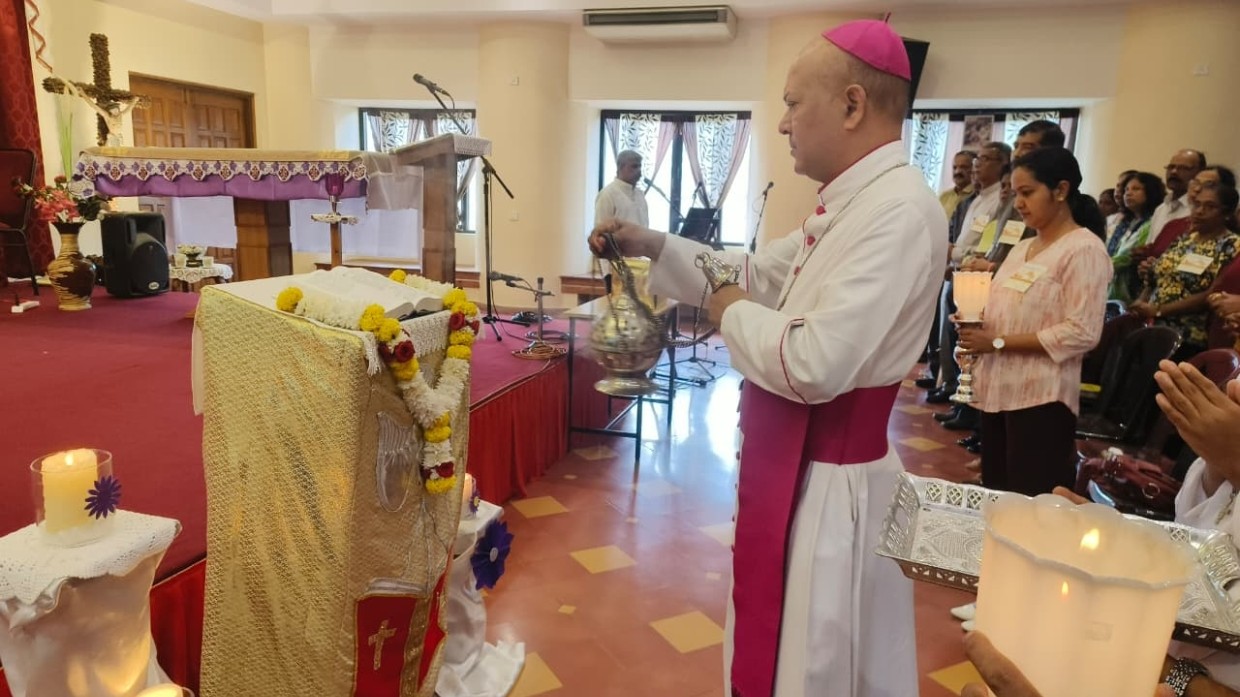
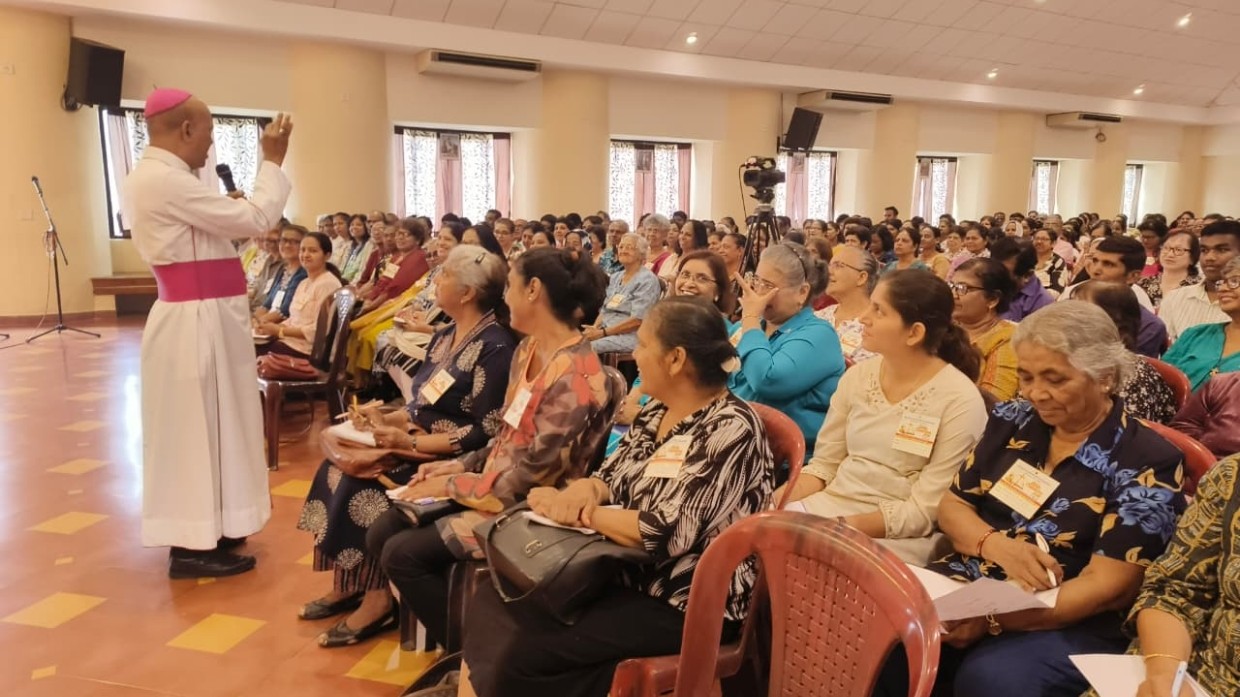
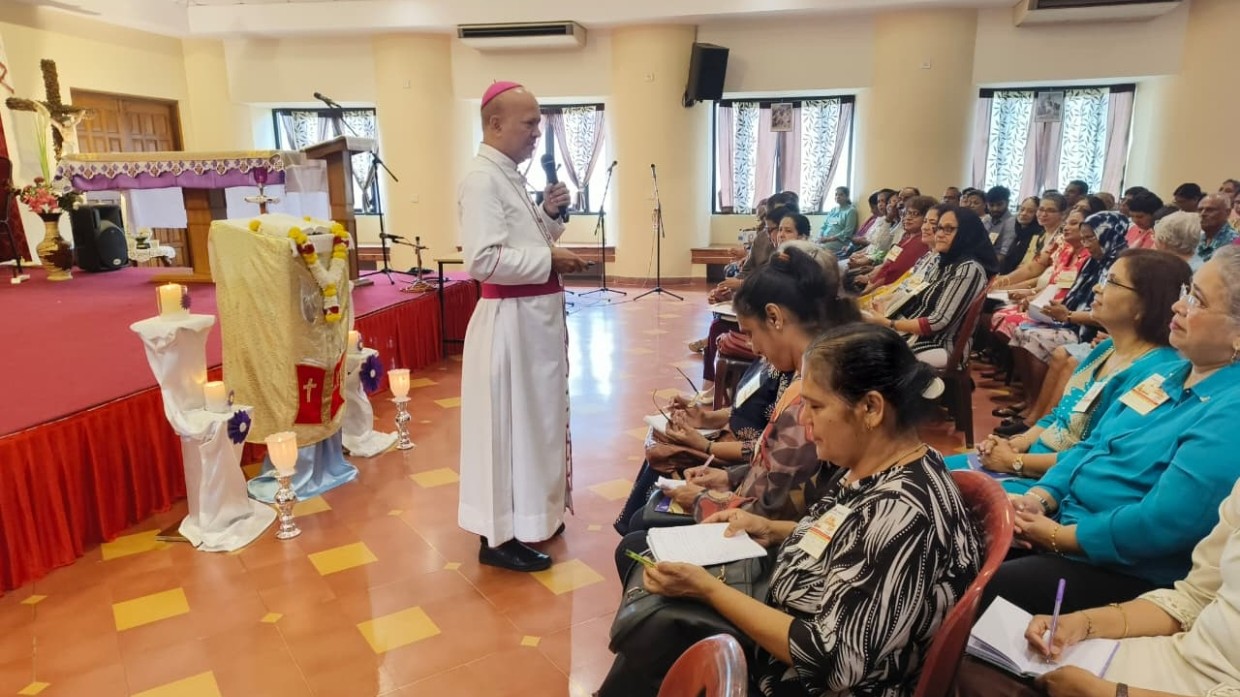
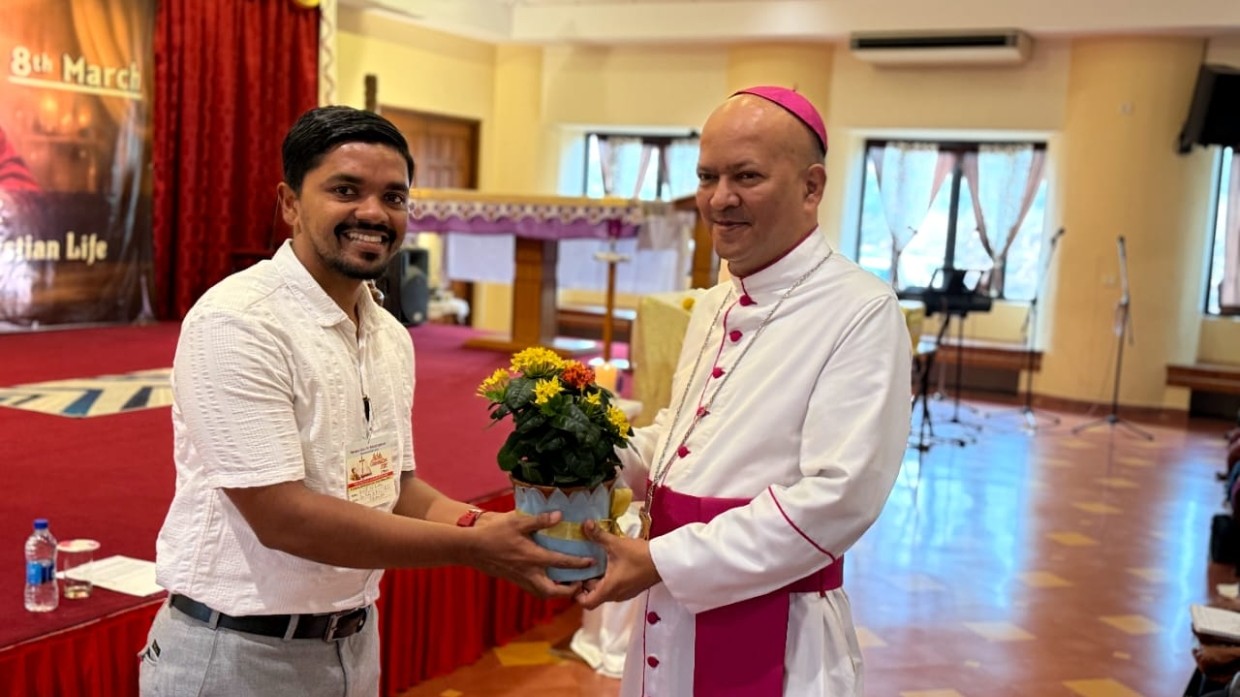
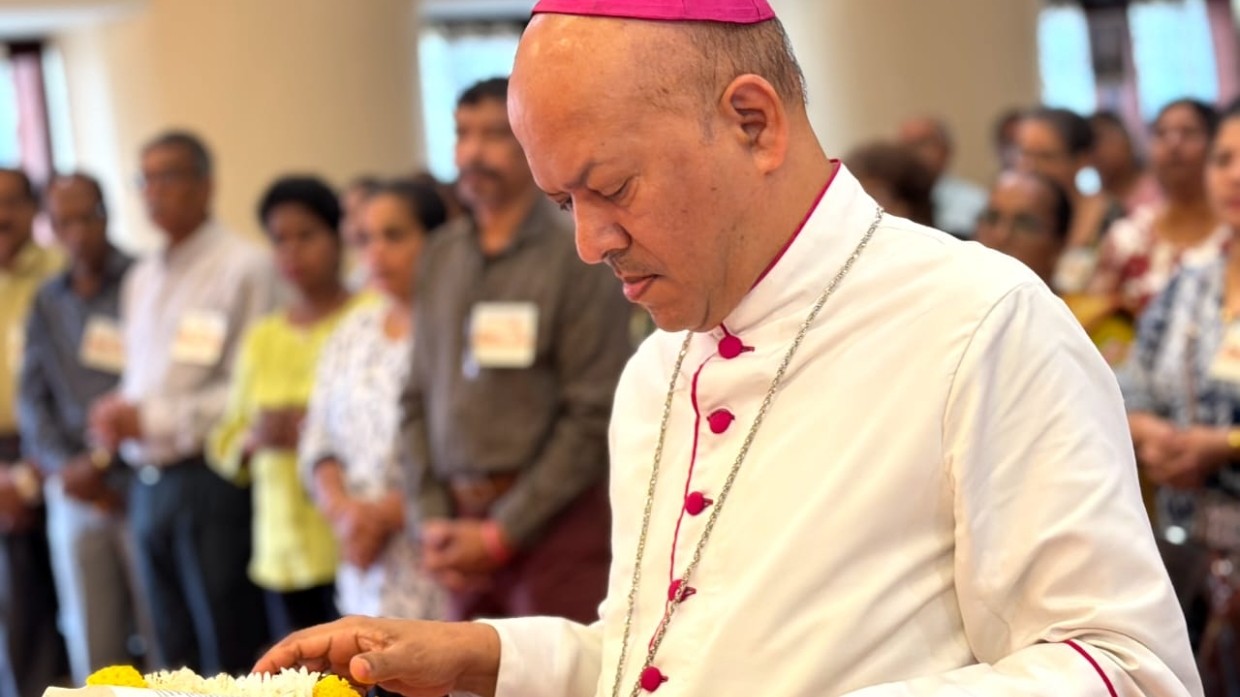
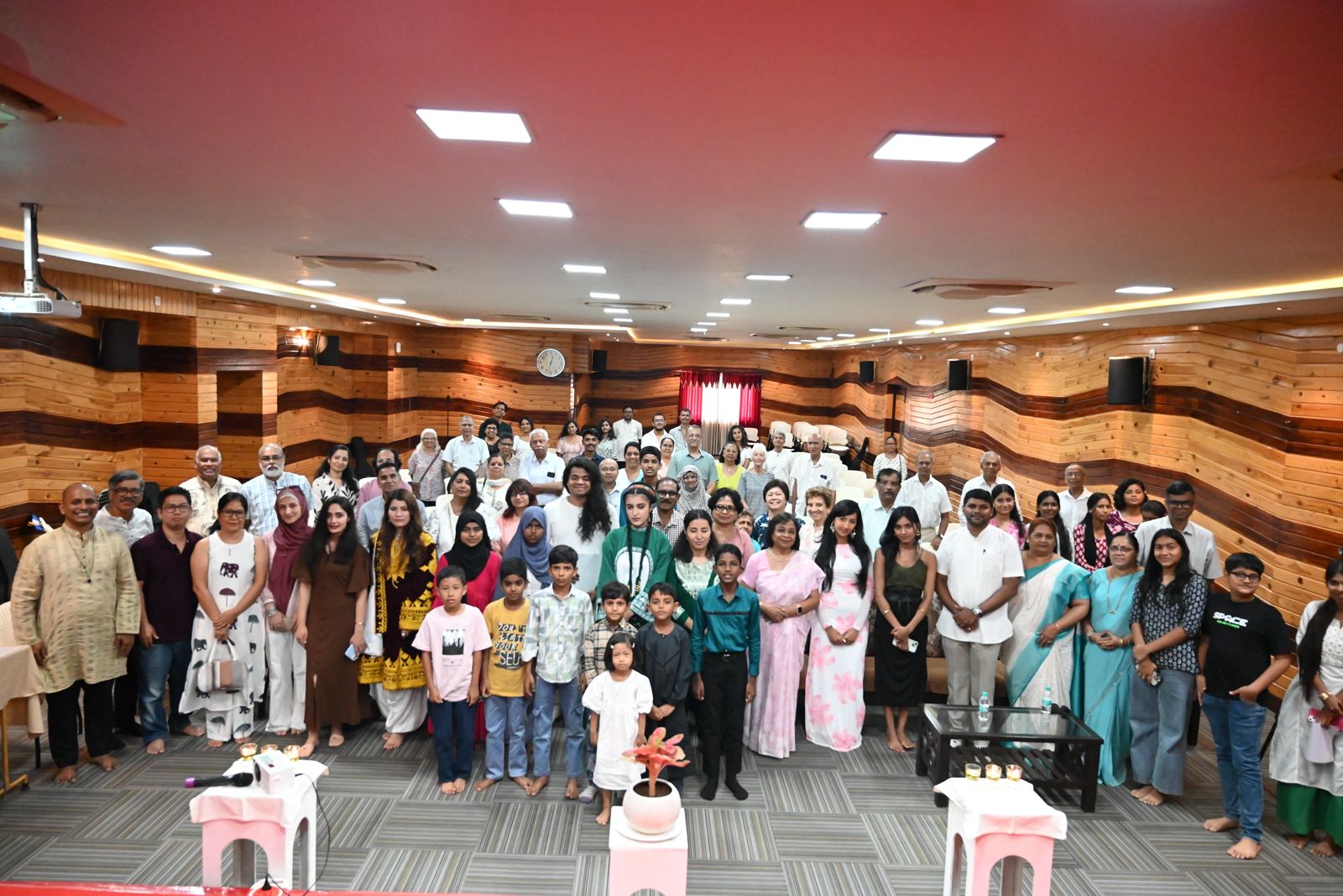
Old Goa, March 8, 2026 — The Diocesan Centre for Biblical Apostolate (DCBA) of the Archdiocese of Goa and Daman organised a day-long Bible Convention at the St. Joseph Vaz Spiritual Renewal Retreat Centre in Cruz Milagres, Old Goa, drawing clergy, religious and lay faithful for prayerful reflection on the theme, “The Eucharist: Source and Summit of Christian Life.”


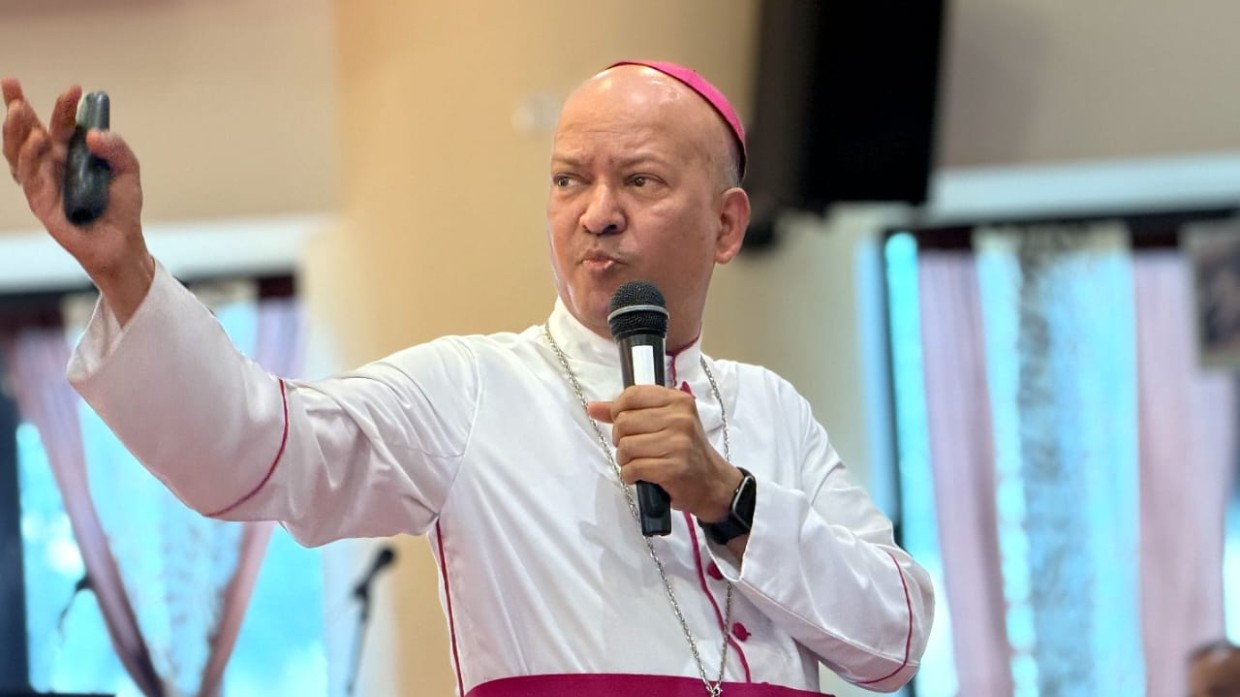
The highlight of the convention was the keynote address delivered by Bishop Simião Fernandes, Auxiliary Bishop of the Archdiocese of Goa and Daman, who spoke on “The Eucharist as Source and Summit: The Biblical Roots in the Old Testament.” Grounding his reflections in the teachings of the Second Vatican Council, the bishop reminded participants that the Eucharist stands at the very heart of the Church’s life and mission, serving as both the source from which Christian life flows and the summit toward which it is directed.
Bishop Fernandes emphasised that the Eucharist did not emerge suddenly at the Last Supper but was gradually prepared through the unfolding of salvation history in the Old Testament. Through covenants, sacrifices and sacred meals, God formed His people to understand the fullness of the mystery that would ultimately be revealed in Christ.


To illustrate this divine preparation, the bishop structured his reflection around the acronym R.O.O.T.S., highlighting five Old Testament realities that foreshadow the Eucharist.
The first root, Remembrance, finds its expression in the Passover described in the Book of Exodus, where the sacrifice of the lamb and the sacred meal commemorated Israel’s liberation from slavery. In the biblical tradition, remembrance makes God’s saving action present. Jesus transformed this Passover meal at the Last Supper by offering bread and wine as His Body and Blood, revealing Himself as the new Passover Lamb.
The second root, Offering, reflects the sacrificial worship of Israel through which the people expressed repentance and thanksgiving. These sacrifices, Bishop Fernandes explained, pointed toward Christ’s perfect self-offering on the Cross, in which the Eucharist allows the Church to participate.
The third root, Oblation, is symbolised in the figure of Melchizedek, the priest-king who offered bread and wine to God. This act prefigures Christ’s priesthood, fulfilling the scriptural proclamation: “You are a priest forever according to the order of Melchizedek.”
The fourth root points to the Table in the Wilderness, recalling the manna that sustained the Israelites during their journey through the desert. Jesus later identified Himself as the “Bread of Life,” contrasting the manna that nourished physical life with the Eucharist that grants eternal life.
The final root highlights the Sacred Covenant Meal described in Exodus 24, when Moses and the elders shared a meal in God’s presence following the covenant at Sinai. This tradition finds its fulfilment in the Last Supper, when Jesus proclaimed the new covenant in His blood.
Concluding his address, Bishop Fernandes reminded the gathering that every Eucharistic celebration is a living encounter with Christ, who nourishes, unites and sanctifies His people.
The convention formed part of the archdiocese’s ongoing efforts to deepen biblical understanding and renew devotion to the Eucharist among the faithful.
By Br. Malvino Alfonso
Image credits: Shuban De Souza and Joeberth Dias
Download Catholic Connect App for Daily News Updates:
Android: Click here to download
Continue Reading on Catholic Connect App
Get access to exclusive news articles & more.



© 2026 CATHOLIC CONNECT POWERED BY ATCONLINE LLP