- 25 May, 2026

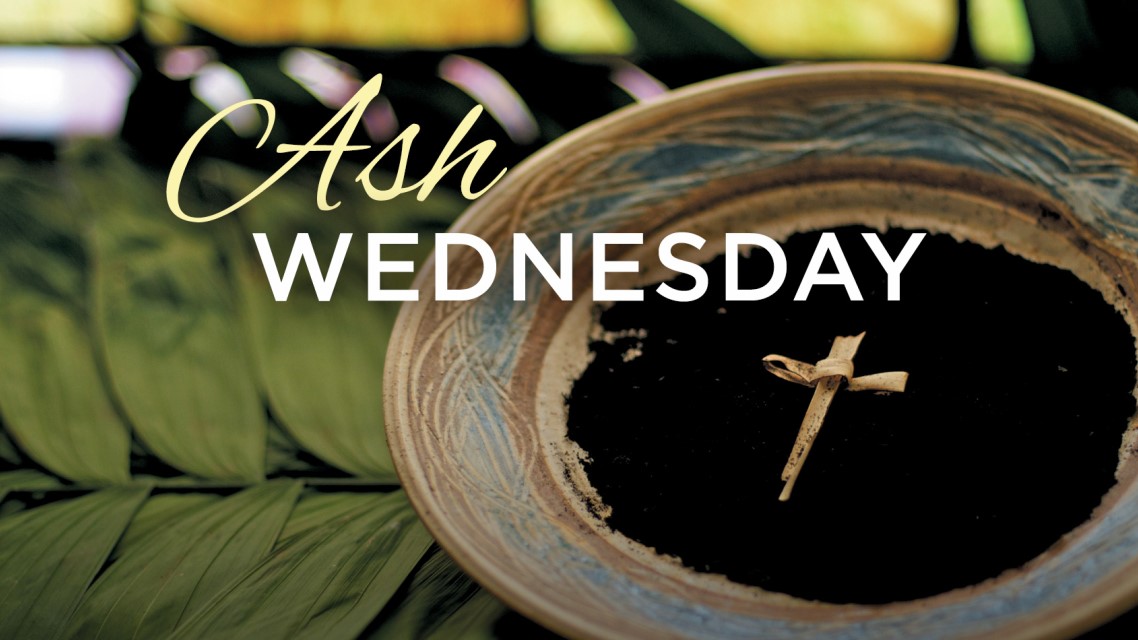
Today, March 5, the Church observes Ash Wednesday, marking the start of Lent. Lent is a season of preparation for the resurrection of Jesus Christ on Easter Sunday. The practice of fasting for forty days has its origins in the sixth century. It was designed to allow for forty days of fasting, excluding Sundays. This led to the establishment of Ash Wednesday as the beginning of Lent.


Historical Background and Liturgical Practices
In early times, special penance for serious sin began after the first Sunday of Lent. Initially, this occurred on the Monday following the first Sunday. However, it was later shifted to Ash Wednesday. Penitents received special garments, and ashes were sprinkled on them, symbolising repentance. This practice is inspired by the Old Testament and Gospel (Mt. 11:21). Church Fathers such as Tertullian ( Father of Western Theology) and Cyprian ( Theologian and Bishop) mention this custom in their writings.
The rite of expulsion disappeared by the 10th century, but the practice of ashes remained. In 1901, Pope Urban II encouraged all churches to adopt this practice. Today, the priest places ashes on the foreheads of the faithful with the words, "Repent and believe in the Gospel,” or “Remember that you are dust, and to dust you shall return.” These words serve as a reminder of our dependence on God’s mercy and forgiveness.


Jesus' Call to Prayer, Fasting, and Almsgiving
In the Gospel of St. Matthew (Mt. 6:5-16), Jesus calls us to prayer, fasting, and almsgiving. He advises against doing these acts for show: “When you pray, do not be like the hypocrites,” and “When you fast, do not look gloomy.” Jesus calls us to humble, sincere practices that focus on our relationship with God.
The Role of Prayer in Lent
Prayer is an intimate sharing between friends, as St. Teresa of Avila describes. It is essential for nurturing our relationship with God. Without prayer, our connection with God weakens. Pope Francis, in his 2018 Lenten message, emphasised that prayer helps us uncover lies and self-deceptions, allowing us to receive God’s consolation.
The Importance of Fasting
Fasting is another form of penance that helps us detach from unhealthy habits, such as addiction to substances, excessive media consumption, or gossip. By practicing self-denial and moderation, we create more space in our lives for God. This leads to better self-esteem and a stronger focus on the well-being of others.
The Call to Almsgiving
Almsgiving is a central part of Lent. Jesus praised the widow who gave all she had, even in her poverty (Lk. 21:3-4). Pope Francis encourages us to follow the example of the apostles by sharing our resources. Almsgiving is a tangible expression of communion in the Church and a sign of our charity toward others.
Living the Call of Lent
During this forty-day season of Lent, the Church unites with Jesus in the desert, preparing for Easter. Lent is a time to devote ourselves to prayer, charity, and self-denial. By living out these practices, we grow closer to God and prepare ourselves to celebrate the joy of Christ’s resurrection.
Conclusion
As we embark on this Lenten journey, here are a few ways to live out these spiritual practices:
• Pray daily: Set aside time each day for quiet prayer, reflection, and listening to God.
• Fast intentionally: Identify areas of your life where you need self-discipline, such as food, entertainment, or unhealthy habits, and focus on moderation.
• Give alms: Look for ways to help others, whether through donations, time, or acts of service.
By doing these, we open our hearts to God’s mercy and deepen our faith as we journey toward Easter.
By Br. Malvino Alfonso, OCD



© 2026 CATHOLIC CONNECT POWERED BY ATCONLINE LLP