- 22 October, 2026

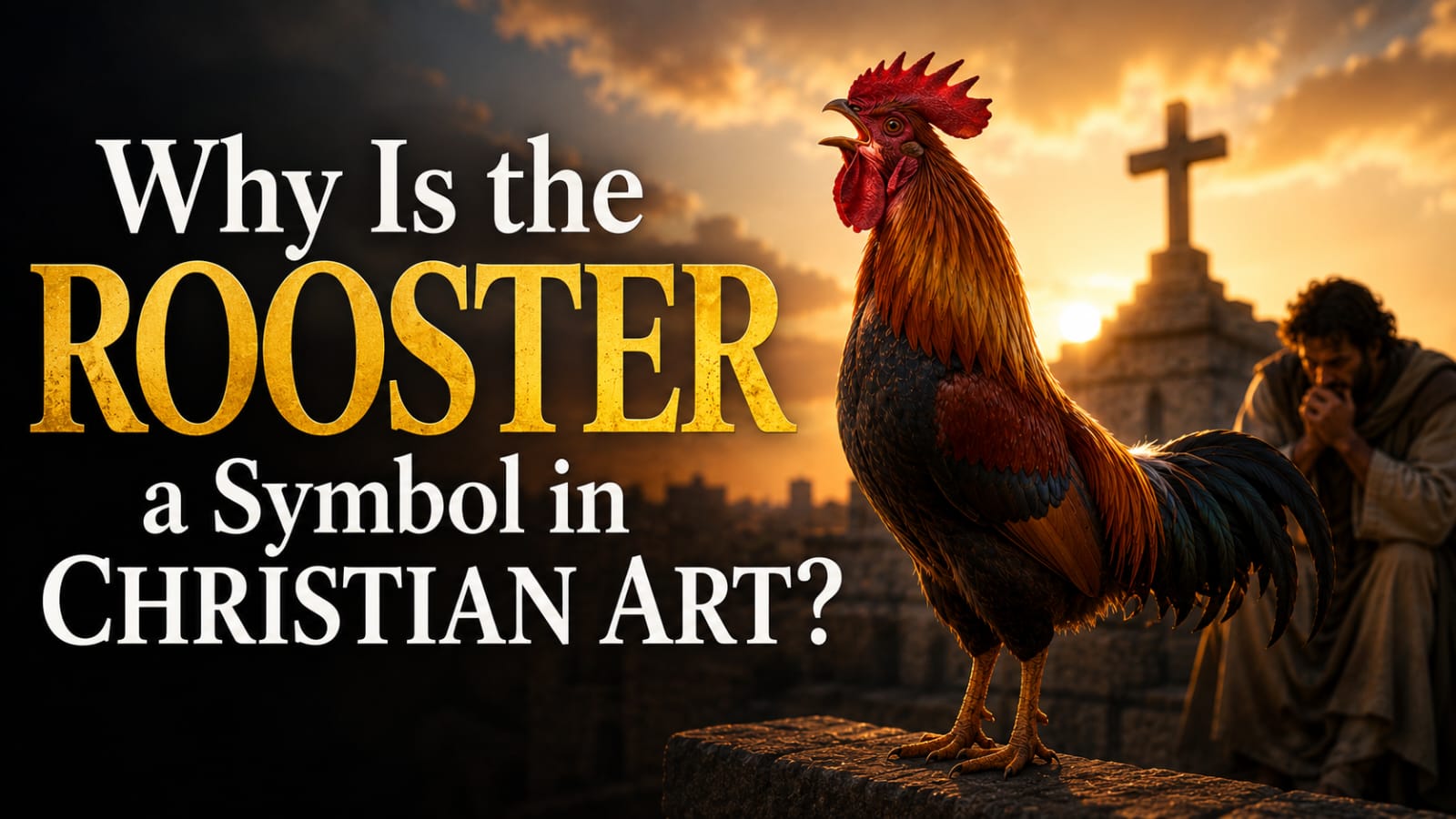
September 3, 2026: A rooster crowing at dawn may seem like an ordinary part of daily life. In Christian art and tradition, however, it carries a deeper meaning. Its principal associations are Saint Peter’s denial of Christ, repentance, and spiritual vigilance. Because the rooster is connected with the approach of dawn, it may also evoke Christ’s victory over darkness and death.



A Reminder of Peter’s Denial
The most familiar Christian meaning of the rooster comes from the Passion of Christ. At the Last Supper, Jesus warned Peter: “Before the cock crows, you will deny me three times.” Despite Peter’s confidence that he would never abandon Jesus, he later denied knowing Him three times after His arrest.
When the cock crowed, Peter remembered Jesus’ words and “wept bitterly.” Mark’s Gospel gives a slightly more detailed version, mentioning that the cock crowed twice. These differences reflect the distinct ways in which the Evangelists recount the event; they do not change its central meaning.
For this reason, the rooster became an attribute of Saint Peter in Christian art, helping identify him in paintings, sculptures, and other works. It recalls not only Peter’s fear and failure, but also his immediate remorse. In this sense, the rooster represents the awakening of conscience and the possibility of repentance.
(CLICK HERE to follow Catholic Connect and to stay updated with Catholic News & Content)
A Call to Remain Watchful
The rooster is also a symbol of vigilance. Its crow signals the transition from night toward day and can serve as a reminder to awaken from spiritual sleep.
Jesus told His disciples to remain watchful because they did not know when the master would return. He specifically mentioned “cockcrow” among the hours when His followers must be alert. Christian writers therefore interpreted the rooster as a sign that calls sinners to remember God and return to Him.
In some European regions, roosters were placed on church towers or weather vanes. Such a rooster may be understood devotionally as a reminder of prayer, faithfulness, and watchfulness, although these structures also had architectural and practical purposes.
From Darkness to Light
Because the rooster is associated with dawn, it can also suggest the movement from darkness to light. The Resurrection was discovered early in the morning, “as the first day of the week was dawning.” Thus, the rooster may evoke Christ, the Light who conquers sin and death.
This is a secondary devotional association, however. The rooster’s principal traditional meanings remain Peter’s denial, repentance, and vigilance.
The rooster ultimately reminds Christians to
stay spiritually awake, recognize their failures, return to Christ, and live in hope of His mercy and Resurrection.
By Catholic Connect Reporter
Read More
1) Why Is the Pelican a Symbol of Christ? The Christian Meaning Explained
2) Why Are the Four Gospels Represented by a Man, Lion, Ox and Eagle?





© 2026 CATHOLIC CONNECT POWERED BY ATCONLINE LLP