- 24 November, 2026

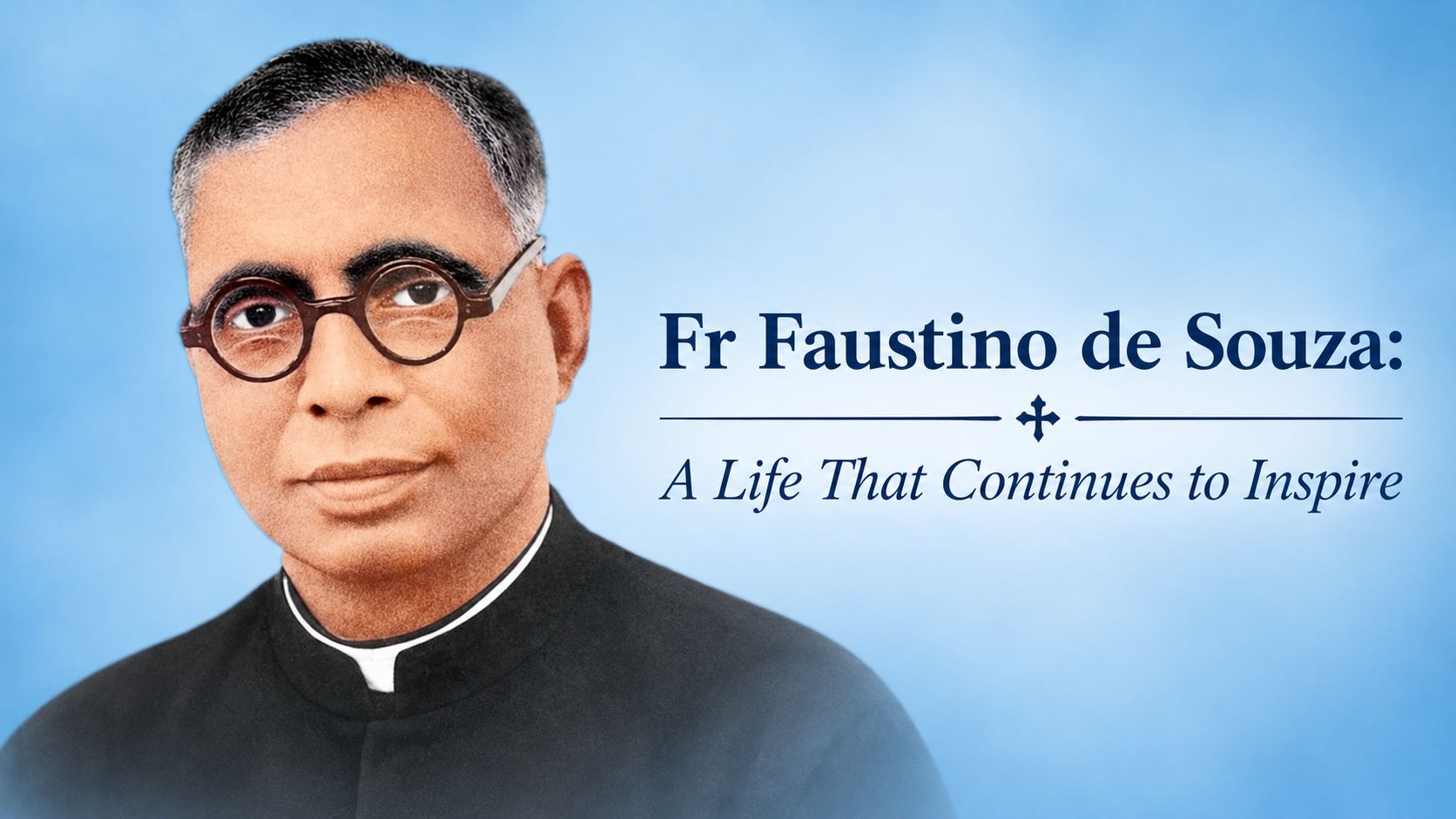
Goa, November 24, 2026: On a neglected hillock in Duler, Mapusa, where people once hesitated to venture after dark, a young priest chose to act rather than look away. Fr. Faustino De Souza climbed the hill with a few young men and began clearing the ground around an abandoned chapel. His story offers a powerful reflection on what magnificent humanity looks like when it is lived through service, humility and compassion.

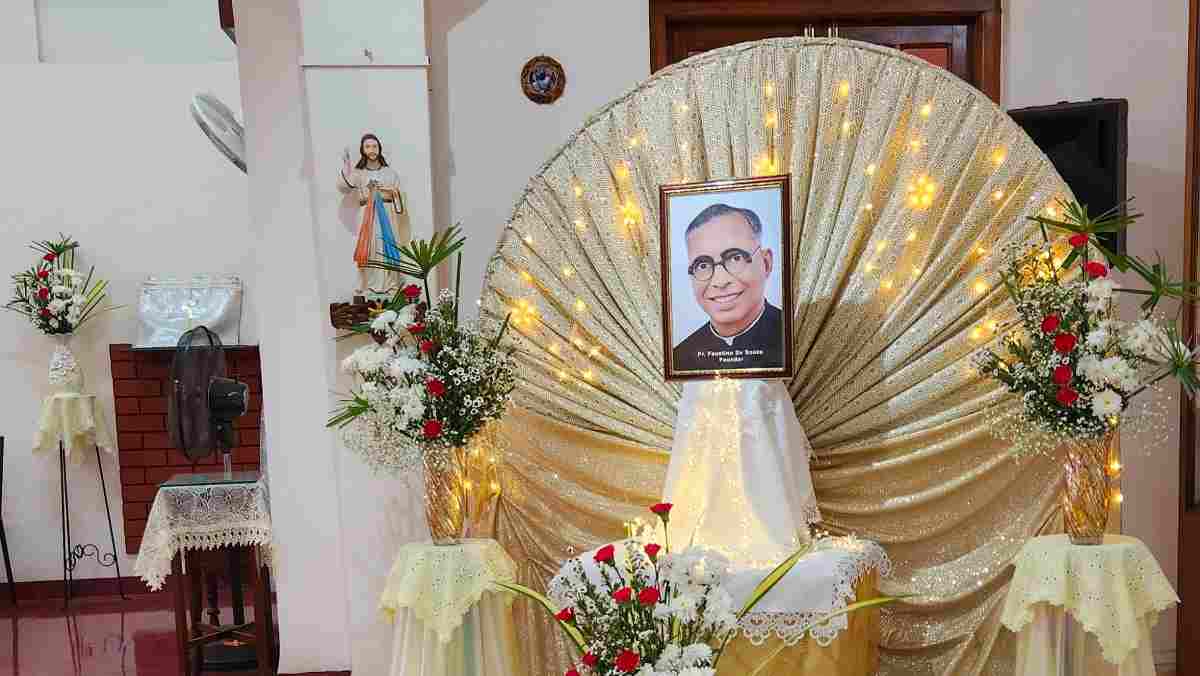
As the Church marks the 133rd birth anniversary of Fr. Faustino De Souza, born in 1893 in Anjuna, Goa, and founder of the Sisters of the Holy Family of Nazareth, Sancoale, his life invites the faithful to move beyond admiration and embrace a more demanding question: are we willing to do what we admire in others?
Magnificent Humanity in a Changing World
Pope Leo XIV’s first encyclical, Magnifica Humanitas, addresses the safeguarding of the human person in the age of artificial intelligence. Its central appeal is to ensure that technological advancement does not come at the cost of human compassion and genuine relationships.
While machines may create the illusion of companionship, authentic human relationships remain rooted in presence, understanding and care. Humanity finds its magnificence not merely in its achievements, but in its relationship with Christ, through whom human dignity is revealed most fully.
Fr. Faustino’s life offers a tangible expression of this truth. Rather than explaining what a magnificent human being should be, he demonstrated it through the way he lived.
Going Where People Struggle
Fr. Faustino lived in a Goa marked by hardship. Anti-religious laws restricted religious institutes, while poverty left many families struggling. Orphans, the elderly and the marginalised often had few places to turn for support.
His response was practical and rooted in the lives of the people. He encouraged villagers to cultivate their own land and earn a livelihood rather than remain dependent on relief. When an orphanage was needed, he worked patiently to obtain permission from the authorities, creating opportunities for others to care for those in need.
Through the founding of a congregation, he also established a lasting avenue for women to serve the poor, the young and those forgotten by society.
His approach was simple: recognise the need, stand alongside those affected and work with them. It reflected the very way Christ entered human life—not from a distance, but by sharing in the human condition. In climbing the hill alongside the young men, Fr. Faustino embodied a priesthood that followed Christ through presence and action.
The Strength of Humility
Humility was a defining quality of Fr. Faustino’s life. Accounts of him repeatedly point to his response to criticism and misunderstanding. Rather than defending himself or drawing attention to his accomplishments, he often chose silence.
His restraint reflected the image of the lamb that does not protest. In a world where every remark invites an immediate response, his example offers a different way of relating to others.
The ability to refrain from winning every argument creates room to listen. It allows another person to speak without interruption, to express pain without being hurried towards advice and to be heard without the listener preparing a rebuttal.
Such presence lies at the heart of genuine accompaniment. It stands in contrast to simulated closeness, where a response may be immediate but presence remains absent. Fr. Faustino’s life reminds us that companionship is not merely about responding—it is about staying.
A Call to Live Differently
In a distracted society accustomed to quick fixes, forwarded messages of sympathy and moving from one task to another, Fr. Faustino’s simplicity becomes a challenge.
His example calls people to visit someone they have been avoiding, work alongside communities rather than merely on their behalf, put aside their phones to ask an honest question and patiently wait for an answer. It also invites them to allow certain misunderstandings to pass without feeling compelled to respond.
These acts require neither wealth nor position. They demand time, patience and the willingness to be inconvenienced—qualities that are often difficult to practise.
The encyclical presents humanity with a choice between two ways of building: the tower of Babel and the rebuilding of Jerusalem. Babel is built to be seen, while Jerusalem rises stone by stone through the efforts of people who know one another. Fr. Faustino cleared a hillside and established a congregation, building not for recognition, but through a life of service.
A Legacy That Continues
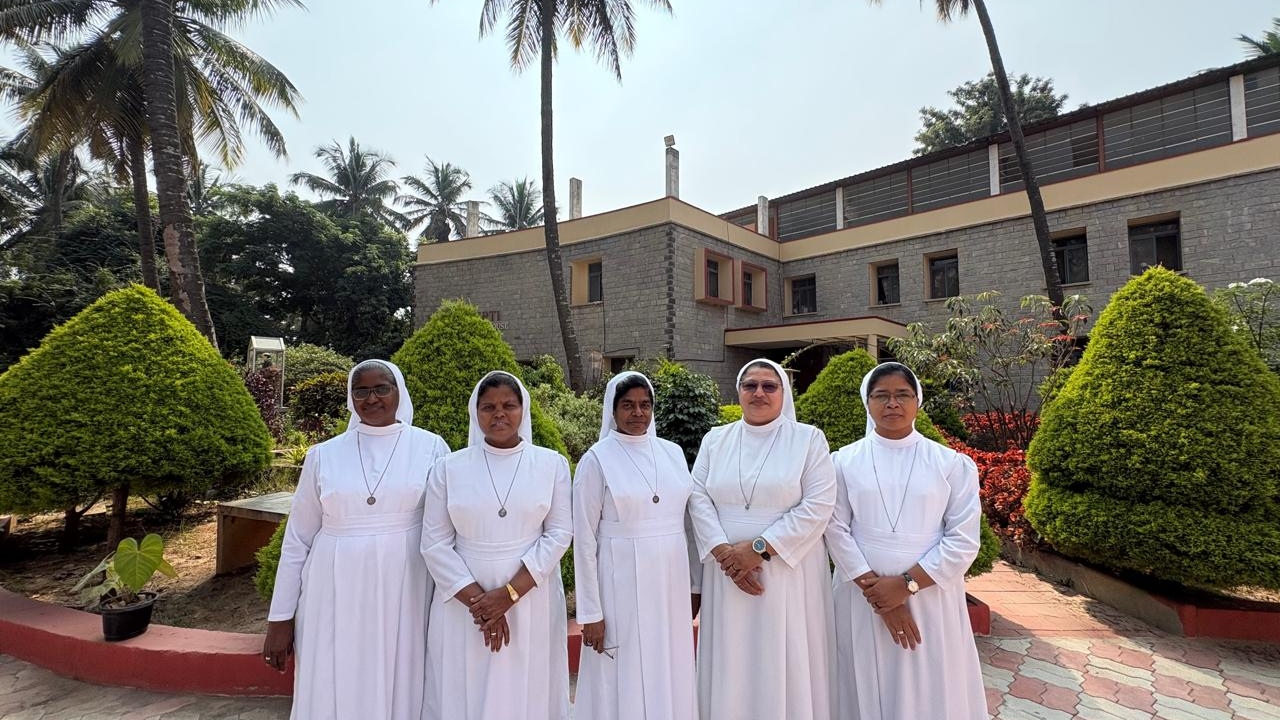
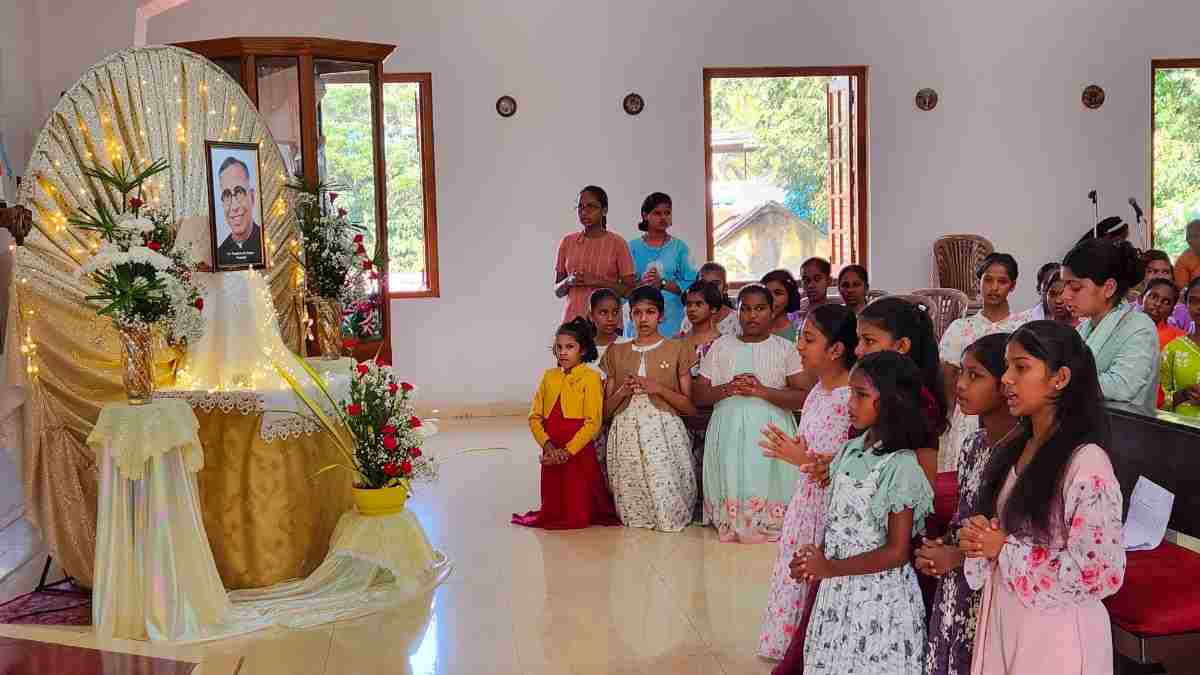
The Sisters of the Holy Family of Nazareth continue his mission through schools, social centres and homes across India. They observe 24 November as Founder’s Day, keeping alive the spirit of service that shaped his life.
The call to build a civilisation of love, echoed by the Pope, finds a lived expression in Fr. Faustino’s legacy. He left behind more than words or ideals—a cleared hillside, a congregation and a way of being present to others.
As his birth anniversary invites renewed reflection, his life offers a simple yet profound challenge: to find someone walking alone and choose to walk with them for a while.
By Sr. Molly Fernandes SFN


© 2026 CATHOLIC CONNECT POWERED BY ATCONLINE LLP